
The new Siri vs Google Gemini is the most consequential AI assistant choice UK phone buyers have faced in years: Apple rebuilt Siri from the ground up at WWDC on 8 June 2026, drawing on Google’s own Gemini foundation models while Google simultaneously gated its Gemini Intelligence rollout to the very latest Android hardware, leaving both systems in a curious state where neither is fully shipping to consumers yet. That shared limbo makes the decision about which ecosystem to invest in right now less obvious than it first appears.
- Apple announced Siri AI at WWDC on 8 June 2026; developer beta is live, consumer beta arrives “later this year” in English, with full rollout as a free update this autumn. (Apple Newsroom, 8 June 2026)
- The rebuilt Siri runs on Apple Foundation Models co-developed with Google’s Gemini technology, on-device where possible, and on Apple’s Private Cloud Compute for heavier tasks; contractual protections prevent Google from training on Siri queries. (Apple Newsroom, 8 June 2026; MacRumors, 8 June 2026)
- Gemini Intelligence was announced on 12 May 2026 at The Android Show; first-wave hardware is the Pixel 10 series and Galaxy S26 series only. Pixel 9, Galaxy S25 and Z Fold 7 are excluded from the advanced features. (blog.google, 12 May 2026)
- Siri AI requires iPhone 15 Pro/Pro Max or iPhone 16 or later (or equivalent iPads and Macs with M1 or newer); base iOS 27 reaches iPhone 11 and above but without the new AI layer. (Apple Newsroom, 8 June 2026)
- UK iPhone users are not subject to the EU Digital Markets Act block that delays Siri AI on EU iPhones and iPads, though precise UK timing beyond “autumn 2026” has not been confirmed by Apple. (Apple DMA page, 8 June 2026)
How the two assistants compare at a glance
Before the round-by-round breakdown, it helps to lay the two systems side by side. Both are ambitious, both are hardware-gated to premium devices, and both are making promises that will be tested properly only when consumers get their hands on them this autumn and summer respectively.
| Feature | New Siri (Apple) | Gemini Intelligence (Google) |
|---|---|---|
| Announced | 8 June 2026 (WWDC) | 12 May 2026 (The Android Show) |
| UK availability | Consumer beta later 2026; full update autumn 2026 | Summer 2026 (first wave, flagship only) |
| Hardware floor | iPhone 15 Pro / iPhone 16 or later; M1-plus iPads and Macs | Pixel 10 series; Galaxy S26 series only |
| Architecture | Apple Foundation Models plus Google Gemini collaboration; on-device plus Private Cloud Compute | Google Nano v3 (or equivalent) on-device; cloud for complex tasks |
| Privacy posture | Data used only for the immediate request; contractual block on Google training with Siri data | Standard Google data policies; Gemini app has granular activity controls |
| Key capabilities | Personal context (Photos, Mail, Messages), onscreen awareness, Visual Intelligence, dedicated app | Multi-step task automation, Chrome summarise and compare, form-filling, custom widgets |
| Cost to UK buyer | Free update with eligible iPhone, iPad or Mac | Free with qualifying Pixel or Galaxy device; some features tied to Google One or AI plans |
Round 1: new Siri vs Google Gemini on UK timing
According to Apple’s WWDC 2026 keynote on 8 June, a consumer beta for Siri AI will begin “later this year” in English, ahead of the full free software update this autumn. For UK buyers that most likely means a September or October window, consistent with Apple’s typical iOS release cadence. Google’s Gemini Intelligence is moving faster in one specific way: the summer 2026 first-wave rollout on Pixel 10 and Galaxy S26 hardware will reach UK hands before Apple’s consumer release. However, the advantage is narrow and applies only to buyers already holding the very latest Pixel or Samsung flagship. Anyone on a Pixel 9, Galaxy S25 or an older Android handset gets nothing from the first wave.
Winner: Draw. Gemini reaches hardware first but only for a thin slice of buyers; Siri AI has a clearer autumn launch date for all eligible iPhone owners simultaneously.
Round 2: hardware requirements and who actually qualifies
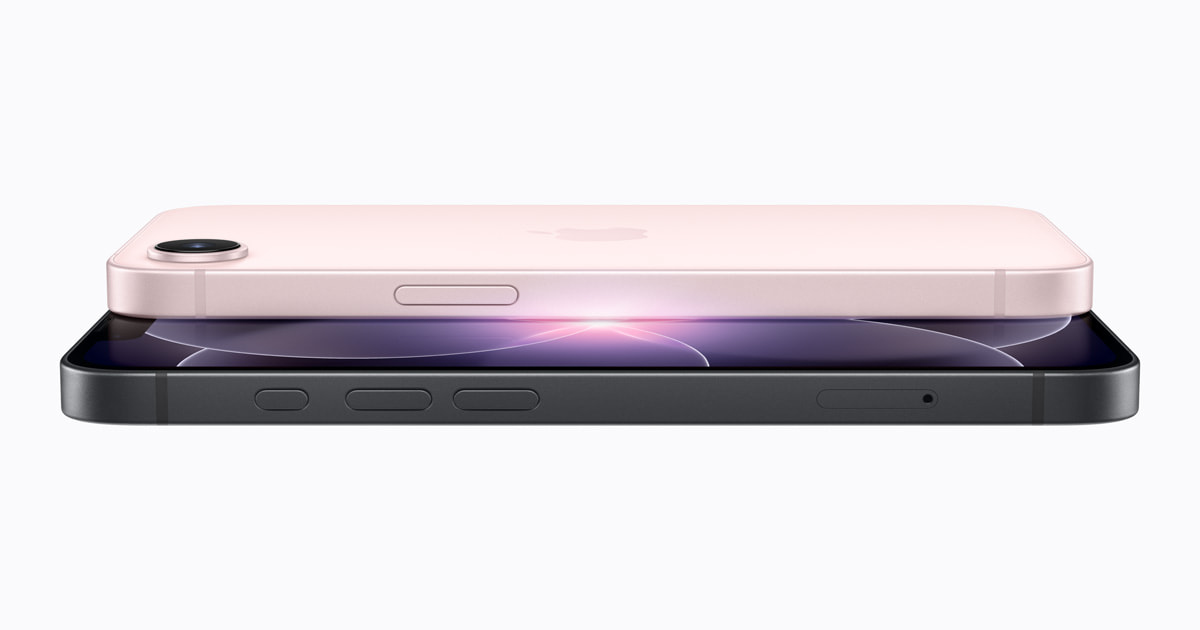
This is where the gap between announcement and reality bites hardest. Apple’s advanced Siri AI is restricted to the iPhone 15 Pro, iPhone 15 Pro Max, iPhone 16, iPhone 16 Plus, iPhone 16 Pro and iPhone 16 Pro Max, plus equivalent M1-or-later iPads and Macs. The standard iPhone 11 through iPhone 15 range receives iOS 27 but the new Siri is absent. That covers a large proportion of UK iPhone owners who will find themselves locked out at launch, as our iOS 27 on iPhone 11 guide explains in full detail.
On the Android side, Gemini Intelligence is even more selective. Google confirmed on 12 May 2026 via blog.google that only the Pixel 10 series (Pixel 10, Pixel 10 Pro, Pixel 10 Pro XL, Pixel 10 Pro Fold) and the Samsung Galaxy S26 series qualify for the initial advanced rollout. The Pixel 9 and Galaxy S25 are excluded, despite both being widely sold in the UK and less than twelve months old. The Pixel 10a at £499 also misses out, which is a significant blow to Android buyers on a tighter budget.
Winner: Apple (marginally). The iPhone 15 Pro hardware floor is now twelve months old and available second-hand; Gemini Intelligence’s bar is effectively 2025 to 2026 flagship-only.
Round 3: capabilities and breadth of what each assistant can do
Apple describes Siri AI as “profoundly more intelligent, knowledgeable, and capable” than the version UK iPhone owners have tolerated for years. The concrete additions are meaningful: a dedicated standalone Siri app retaining conversation history, personal context drawn from Photos, Messages and Mail (so Siri can surface your contact’s address from a message thread without you repeating it), onscreen awareness that lets Siri understand and act on whatever is displayed, Visual Intelligence for pointing at real-world objects, and AI-powered reply suggestions in Messages. The Phone app can also surface relevant mid-call context from your Mail and Messages history. These are confirmed capabilities from Apple’s WWDC 2026 keynote on 8 June, reported consistently across TechCrunch, CNET and MacRumors coverage from 8 to 12 June 2026.
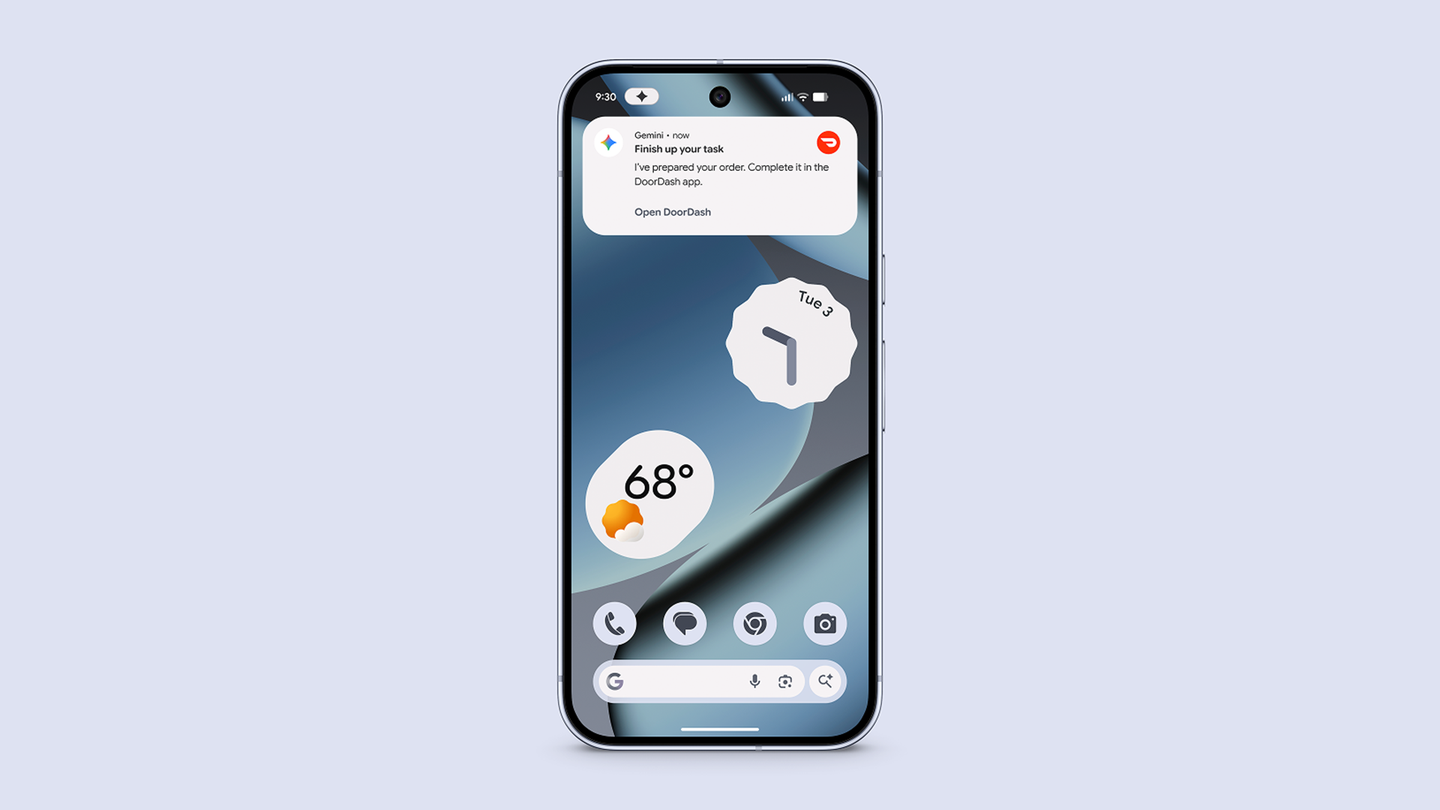
Gemini Intelligence, as announced on 12 May 2026 via blog.google, focuses on proactive multi-step task automation: booking rides, completing online shopping flows, summarising and comparing web content inside Chrome, simplifying form-filling, and generating custom home-screen widgets from natural language. That is a different kind of ambition. Where Siri AI deepens integration with your personal data inside the Apple ecosystem, Gemini Intelligence extends outward into the web and third-party services. Our Android 17 for UK Pixel owners piece covers the wider Gemini roadmap in context, and our Gemini Intelligence Android UK rollout guide has device-by-device confirmation.
Winner: Apple (slightly). Personal context and onscreen awareness are more difficult engineering problems that solve daily frictions UK users encounter. Gemini’s multi-step web automation is compelling but broader in scope and less immediately personal.
Round 4: privacy posture for UK buyers
Privacy is the round where Apple has made the boldest structural commitments. The new Siri architecture processes data on-device where possible via Apple Foundation Models, and for requests requiring server compute it uses Private Cloud Compute, a system Apple has described as designed so that user data is used only to execute the immediate request and is not accessible to Apple itself. Contractual protections preventing Google from using Siri query data to train future Gemini models are particularly notable, confirmed in PCMag and MacRumors coverage of the 8 June 2026 announcements. For UK buyers with concerns about data handling under UK GDPR, those protections represent a concrete legal backstop rather than a policy preference.
Gemini operates under Google’s standard data policies, which include activity controls inside the Gemini app and the ability to opt out of data use for model improvement. Google’s position is transparent and well-documented. Our Gemini app privacy: UK settings to check article outlines exactly which toggles matter before you enable personalised features. Neither approach is dishonest, but they start from different structural premises about data and business model.
Winner: Apple. Contractual restrictions on third-party training and on-device-first architecture give Siri AI a clearer privacy story for UK users, particularly for queries touching personal communications or health data.
Round 5: ecosystem breadth and connected devices
Apple’s ecosystem strength is the breadth of devices that Siri AI spans coherently: iPhone, iPad, Mac, Apple Watch and Apple Vision Pro. The on-device AI and Private Cloud Compute architecture runs with the same privacy guarantees across all of them. If you work across a MacBook, an iPhone 16 Pro and an Apple Watch Series 11, the personal context layer can connect your calendar, messages and email across all three. That is a practical daily productivity loop. For context on how the smartwatch dimension of this ecosystem battle plays out, the Galaxy Watch 8 vs Apple Watch Series 11 comparison is worth reading alongside this one.
Google’s wider Gemini ambitions are genuinely broad: blog.google confirmed on 12 May 2026 that Gemini Intelligence will expand to Wear OS smartwatches, Android Auto, smart glasses and Chromebooks later in 2026. Our Android 17 UK features guide covers what is confirmed for UK devices. But those expansions are post-summer and none carry confirmed UK shipping dates at the time of writing. Google’s own Googlebook laptop extends the ecosystem further, though UK pricing has not been announced.
Winner: Apple (current state). The Apple ecosystem is coherently AI-connected today across devices already in UK homes. Google’s broader ecosystem ambitions are real but mostly future-tense for 2026.
Round 6: price and value for a UK buyer
Both assistants are technically free software updates to existing hardware, so the real cost question is which device you need to hold. Siri AI’s entry point is the iPhone 15 Pro, available on the UK second-hand market for approximately £600 to £700, or via contract on the major UK networks. For those already on iPhone 16, the update costs nothing when iOS 27 lands this autumn. To access full Gemini Intelligence on Android, you currently need a Pixel 10 (expected at approximately £799 or above at UK launch) or a Galaxy S26, sitting above £800 at UK retail. As our Pixel 10a UK review notes, the £499 budget Pixel does not qualify for the first-wave advanced Gemini Intelligence features, which significantly reduces the value proposition for cost-conscious Android buyers. For the full flagship comparison at the price point where both assistants become available, the Pixel 10 vs iPhone 17 UK breakdown covers the cost in detail.
Winner: Apple. Siri AI is a free upgrade for a larger installed base of UK iPhone owners, including hardware that is now twelve months old. Gemini Intelligence demands the most expensive current Android handsets.
Verdict and overall winner
Neither Siri AI nor Gemini Intelligence is fully shipping to UK consumers at the time of writing on 13 June 2026. The scores below reflect architecture, stated capabilities, availability posture and the credibility of each company’s commitments based on verified announcements from Apple Newsroom and blog.google. No independent benchmarks or hands-on testing have been conducted for this comparison; treat these as editorial assessments grounded in official sourcing.
Apple wins four of the six rounds: hardware reach (wider installed base qualifies from iPhone 15 Pro), privacy architecture (contractual and structural rather than policy-only), ecosystem coherence (cross-device AI is already connected today), and price-to-access (free update, older hardware floor). Gemini Intelligence is the more ambitious product for web-based automation and third-party service integration, and Google’s track record of rapid Android AI delivery gives it credibility. But for most UK buyers right now, Siri AI is more accessible, more privacy-protective and more immediately available as a meaningful upgrade.
The honest caveat: both systems will look quite different by early 2027. If Google delivers on multi-step automation and ecosystem expansion across Wear OS, Android Auto and smart glasses, the calculation changes substantially. Return to this verdict in twelve months.
Our score: 7/10 (new Siri)
Our score: 6/10 (Google Gemini)
Who should buy which: Choose a qualifying iPhone and wait for Siri AI if you value privacy, already live in the Apple ecosystem, or hold an iPhone 15 Pro or newer and do not want to upgrade. Choose a Pixel 10 or Galaxy S26 for Gemini Intelligence if you are already on Android, want proactive web-based automation, and are planning a flagship upgrade this summer. If you are undecided on platform, our best iPhone alternative UK 2026 guide and our Is Gemini worth it in the UK verdict both help clarify the full picture before you commit.
Where to check next: Follow Apple’s iOS 27 developer page at apple.com and Google’s Android updates at android.com for confirmed UK rollout timings. Our Siri AI UK and DMA implications article covers regulatory timing in detail.












Reader discussion
Leave a comment
Comments are moderated. Keep it useful, accurate, and on topic.