
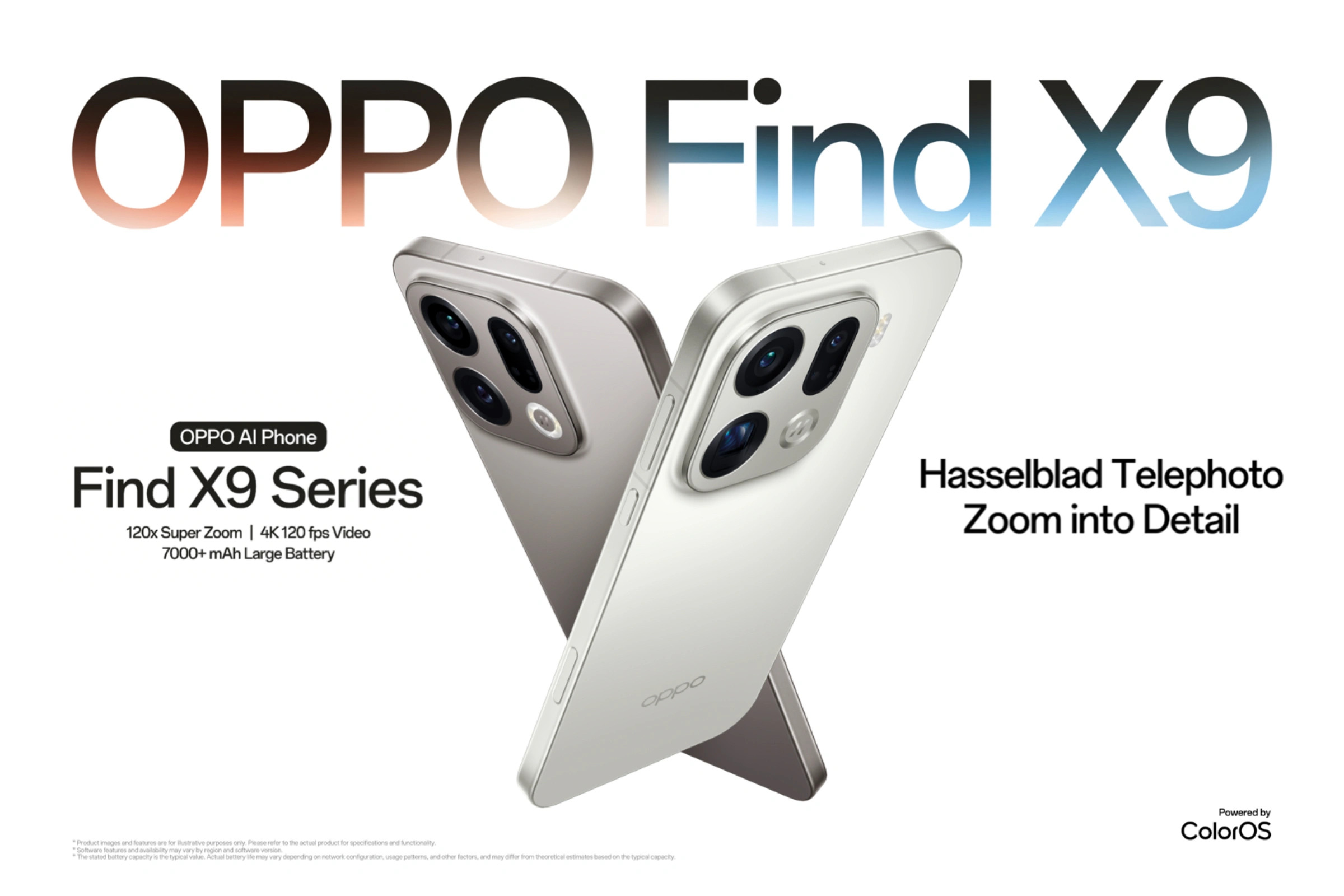
The Oppo Find X9 Ultra launches on 21 April with a camera system that makes Samsung‘s Galaxy S26 Ultra look like it is standing still. Dual 200 MP Hasselblad-tuned sensors, a 10x periscope reaching 230 mm, and a camera array that throws more hardware at photography than any phone currently on sale. But hardware alone does not win camera comparisons, and Samsung’s processing reliability still counts for a lot. Here is how these two flagship cameras actually compare.
Camera hardware: the spec sheet showdown — the oppo find x9 ultra vs galaxy s26 ultra angle
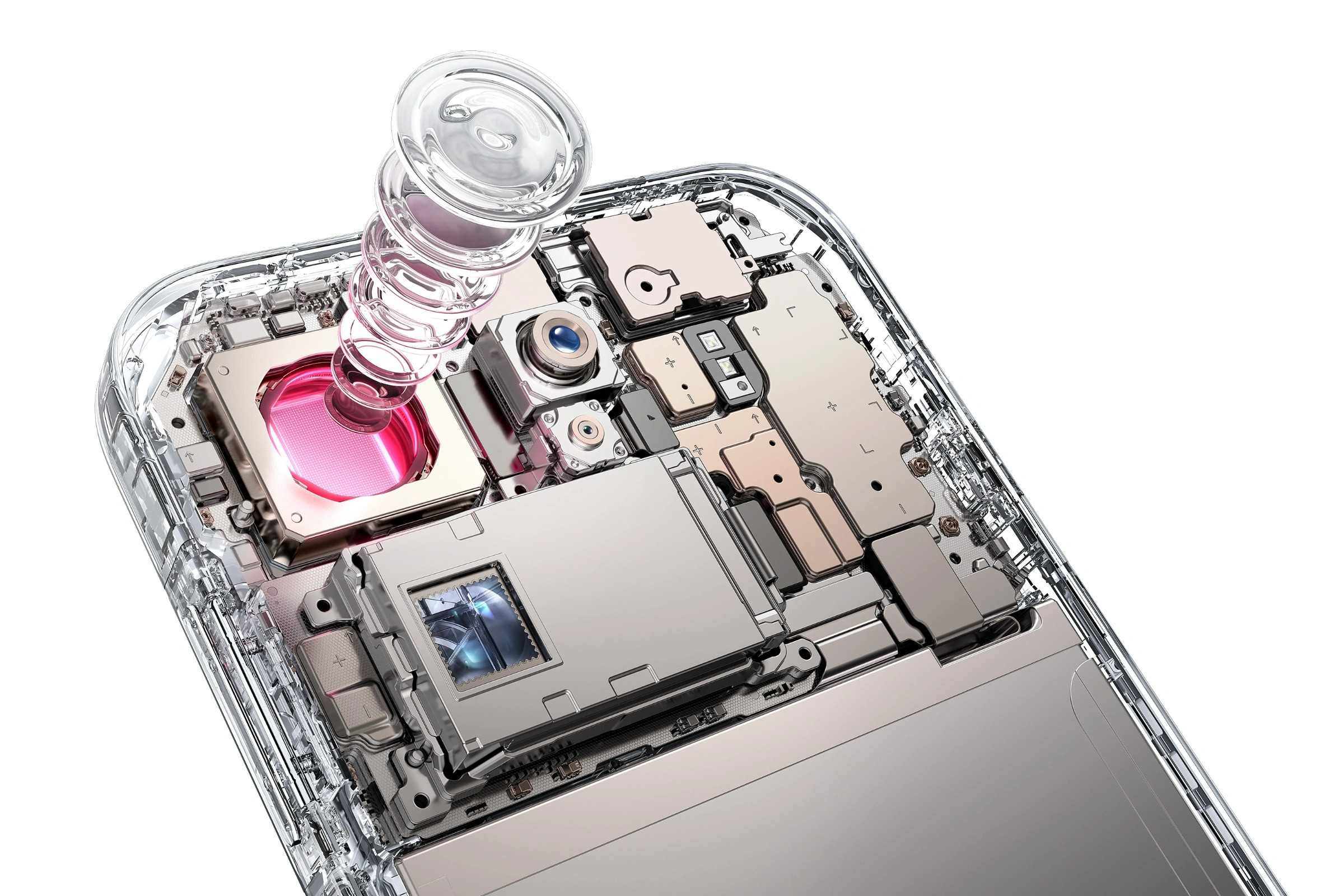
The numbers favour Oppo by a wide margin. According to Gizmochina and 9to5Google, the Find X9 Ultra packs four rear cameras: a 200 MP Sony LYT-901 main sensor (1/1.12-inch, f/1.5, 23 mm), a 200 MP 3x Hasselblad periscope telephoto (OmniVision OV52A, 70 mm), a 50 MP 10x optical periscope at 230 mm (ISOCELL JNL), and a 50 MP ultrawide (Sony LYT-600, 14 mm). The front camera is a 50 MP large-sensor unit.
Samsung’s Galaxy S26 Ultra runs a quad-camera setup: a 200 MP main sensor (Samsung ISOCELL HP2, 1/1.3-inch), a 10 MP 3x telephoto, a 50 MP 5x periscope telephoto, and a 50 MP ultrawide. The selfie camera is 12 MP. On raw resolution and zoom reach, Oppo wins comfortably, 10x optical versus Samsung’s 5x, and that second 200 MP periscope is unprecedented in a production phone.
| Feature | Oppo Find X9 Ultra | Samsung Galaxy S26 Ultra |
|---|---|---|
| Rear cameras | 4 | 4 |
| Main sensor | 200 MP Sony LYT-901 (1/1.12-inch) | 200 MP (ISOCELL HP2, 1/1.3-inch) |
| Telephoto | 200 MP 3x + 50 MP 10x optical (230 mm) | 10 MP 3x + 50 MP 5x periscope |
| Ultrawide | 50 MP | 50 MP |
| Front camera | 50 MP large sensor | 12 MP |
| UK pricing (from / expected) | ~£1,099 (expected) | From £1,299 |
| OS updates (stated) | 5 years | 7 years |
Daylight photography: Hasselblad colour vs Samsung consistency — the oppo find x9 ultra vs galaxy s26 ultra angle
In bright daylight, the Oppo Find X9 Ultra produces images with noticeably more contrast, richer colour, and a more “organic” feel that Hasselblad’s colour science is famous for. Portrait mode shots have a depth and tonality that Samsung’s processing cannot match, Samsung’s HDR tends to flatten scenes and over-brighten shadows, producing what critics call the “Samsung look.”
However, Samsung’s consistency across varied lighting conditions remains best in class. The Galaxy S26 Ultra rarely produces a bad shot. Oppo’s more ambitious processing occasionally over-saturates or misjudges white balance in mixed lighting. For users who want reliable results every time without thinking about it, Samsung is still the safer choice. For users who care about the character and mood of their photographs, Oppo delivers something more compelling.
Zoom performance: Oppo’s trump card
This is where the Oppo Find X9 Ultra vs Samsung Galaxy S26 Ultra comparison becomes one-sided. Oppo’s 10x optical periscope at 230 mm equivalent produces sharp, detailed shots at distances where Samsung’s 5x periscope is already relying heavily on digital cropping. At 10x, Oppo is shooting optically while Samsung is interpolating. At 30x, the quality gap widens further. Samsung’s 100x Space Zoom remains a marketing feature that produces unusable results beyond 30x, Oppo does not even bother going that far, focusing instead on delivering genuine quality up to its optical limits.
The 200 MP resolution on Oppo’s 3x periscope telephoto also means you can crop aggressively in post-processing without losing detail. For wildlife, sports, and travel photography, this is a substantial practical advantage.

Video: Samsung’s stronghold
If photography favours Oppo, video swings back toward Samsung in everyday use. Both phones now support 8K recording (Oppo’s spec sheet confirms 8K capture on the Find X9 Ultra), but Samsung’s ProVisual Engine, long-established image stabilisation pipeline and colour consistency give it the edge for run-and-gun video. At 4K 120 fps both phones perform well; Samsung’s footage simply shows less micro-jitter and more consistent exposure transitions.
Samsung’s video autofocus tracking is also markedly better. In scenes with moving subjects, the S26 Ultra locks focus and holds it. Oppo’s autofocus occasionally hunts, particularly in lower light. For content creators who shoot video as often as they take photos, Samsung remains the safer investment. For our full Samsung review, see our Galaxy S26 Ultra review.
Software support and pricing
Samsung offers seven years of OS and security updates. Oppo promises five. That two-year gap matters if you plan to keep a phone for more than three years. Samsung’s ecosystem, DeX, S Pen, SmartThings integration, also adds long-term value that Oppo cannot match.
On pricing, Oppo has the edge. The Find X9 Ultra is expected at roughly £1,099 in the UK. The Galaxy S26 Ultra starts at £1,299. That £200 gap buys you superior camera hardware and a larger 7,050 mAh battery on the Oppo side, but you sacrifice Samsung’s software longevity and ecosystem depth.
Oppo Find X9 Ultra vs Samsung Galaxy S26 Ultra: the verdict
If photography is your priority, if you edit your shots, print them, or simply care about image authenticity, the Oppo Find X9 Ultra is the better camera phone. The Hasselblad colour science, the 10x optical zoom, and the dual 200 MP sensors produce images with a character that Samsung’s processing cannot replicate.
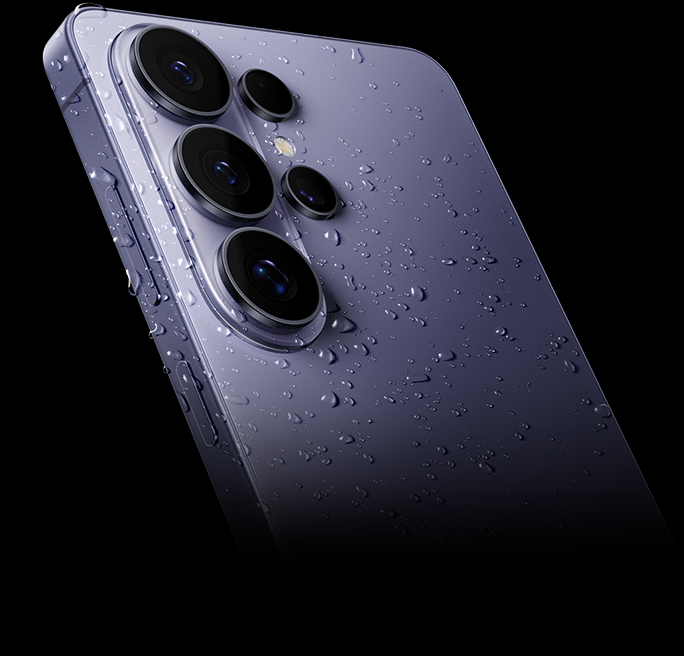
If you want the most well-rounded flagship that happens to also take superb photos and exceptional video, the Galaxy S26 Ultra justifies its premium. Seven years of updates, a proven ecosystem, and the most reliable video camera on any phone today make it the safer long-term investment.
Both are remarkable achievements. But only one of them made me genuinely excited to pick up the camera again. For more head-to-heads, visit our comparisons section.
Related reading on MTW
Final verdict
Oppo Find X9 Ultra vs Samsung Galaxy S26 Ultra camera comparison. Dual 200MP Hasselblad sensors against Samsung ProVisual Engine — which flagship wins for photos and video?
How we compare
Buyer action
Where to buy or check next
Use this as the final check before ordering a phone, changing network or trusting a headline monthly price.









Reader discussion
Leave a comment
Comments are moderated. Keep it useful, accurate, and on topic.