The best projector for a UK home cinema in 2026: laser, UST or lamp
Fifteen thousand, nine hundred and ninety-nine pounds buys you a single Sony projector. One thousand, four hundred and ninety-nine buys you a Hisense that a different set of reviewers reckons…
Fifteen thousand, nine hundred and ninety-nine pounds buys you a single Sony projector. One thousand, four hundred and ninety-nine buys you a Hisense that a different set of reviewers reckons is the best projector you can put in a British living room, full stop. That gap — better than tenfold — is the whole 2026 home-cinema argument compressed into two price tags, and it has far less to do with brand snobbery than with one decision most buyers make last when they should make it first: how the light gets made.
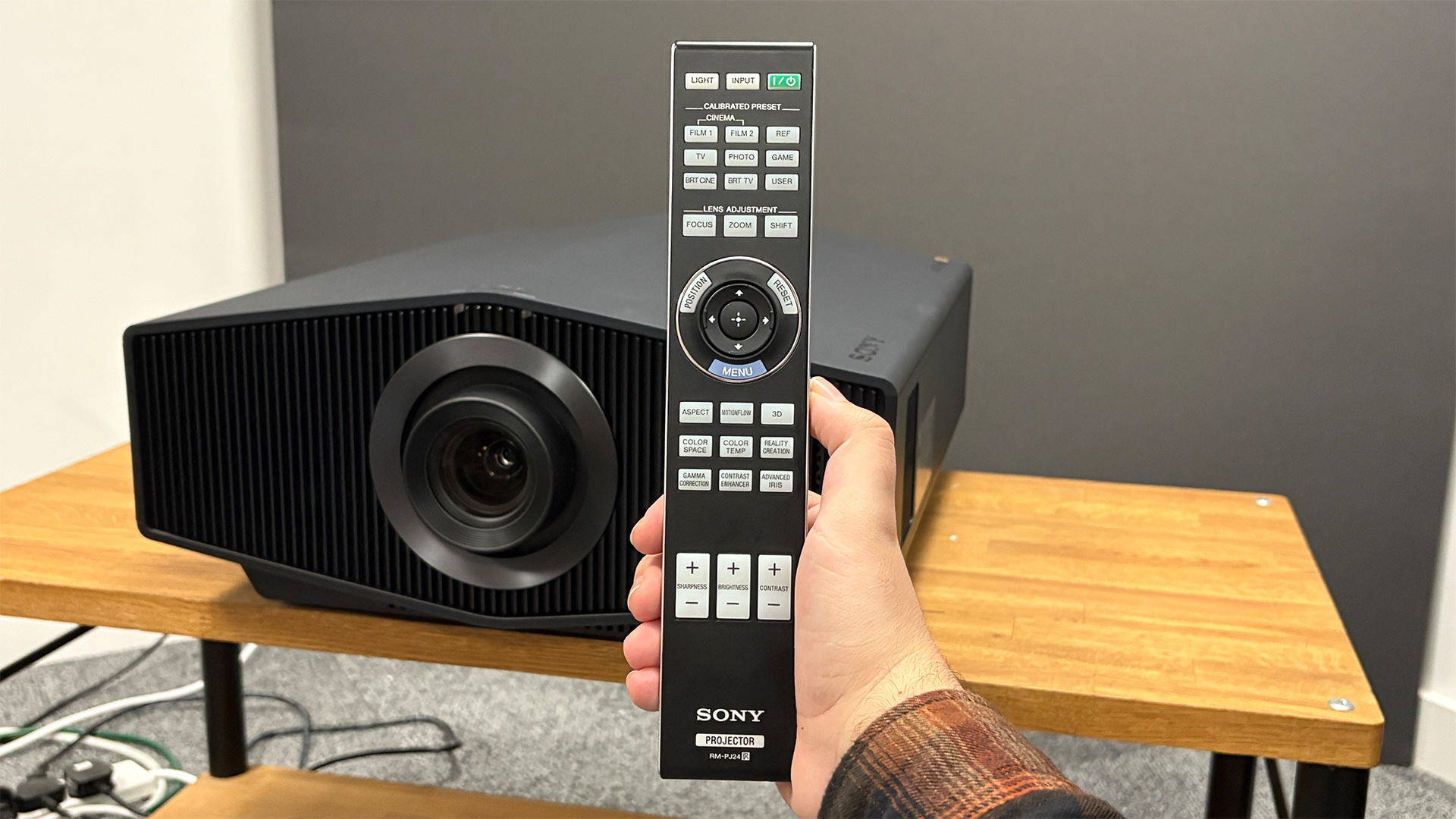
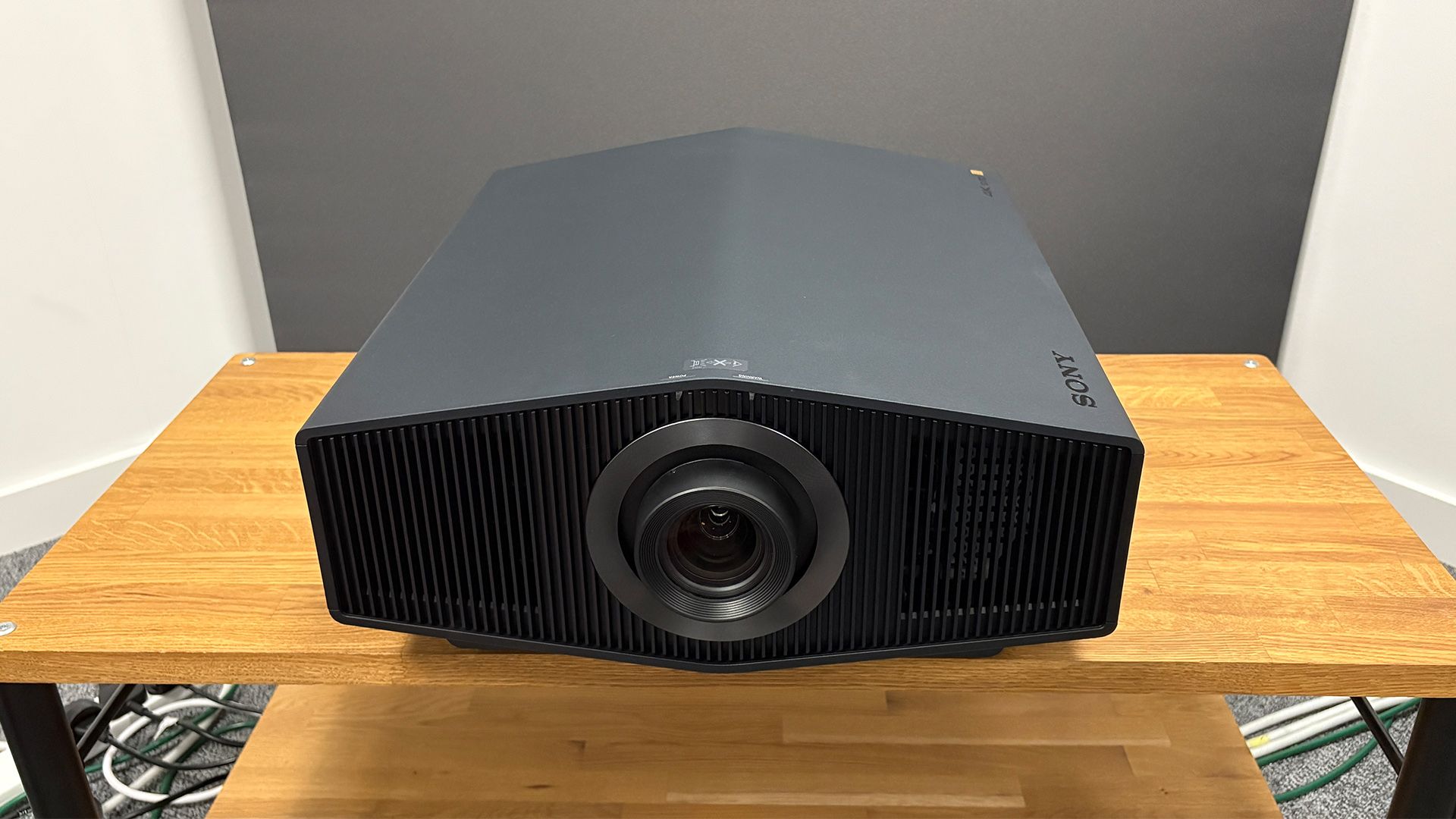
When What Hi-Fi named the Sony Bravia Projector 8 (VPL-XW6100ES) its high-end pick for 2026, it wasn’t selling you a badge. It was selling native 4K LCoS, Sony’s SXRD panels, HDMI 2.1 and a laser light engine throwing 2,700 lumens. That last word — laser — is where I’d begin every projector decision this year. Laser, lamp, or the short-throw box that lives under the screen: settle the light source first and the shortlist more or less writes itself.
Light source
Representative pick
UK price
Quoted brightness
Best for
Native-4K laser
Sony Bravia 8 / JVC DLA-NZ800
£15,999
2,700 lumens (Sony)
Dedicated blackout cinema
RGB triple-laser
Hisense C2 Pro
£1,499
2,600 ANSI lumens
Bright living rooms on a sane budget
Laser mid (enthusiast centre)
Epson Pro Cinema LS12000
Below the native-4K tier
Laser HDR
HDR without the native-4K premium
UST / short-throw laser
XGIMI Horizon S Max
—
3,000+ lumens
Daytime, TV-like living
Lamp (3LCD)
Epson EH-TW7000
—
3,000 lumens
A big, bright picture in a dim room
Where I’d land
Settle the light source for your room first — brightness beats bragging rights unless you can fully control the light.
Laser at the top, and why £15,999 isn’t as mad as it reads
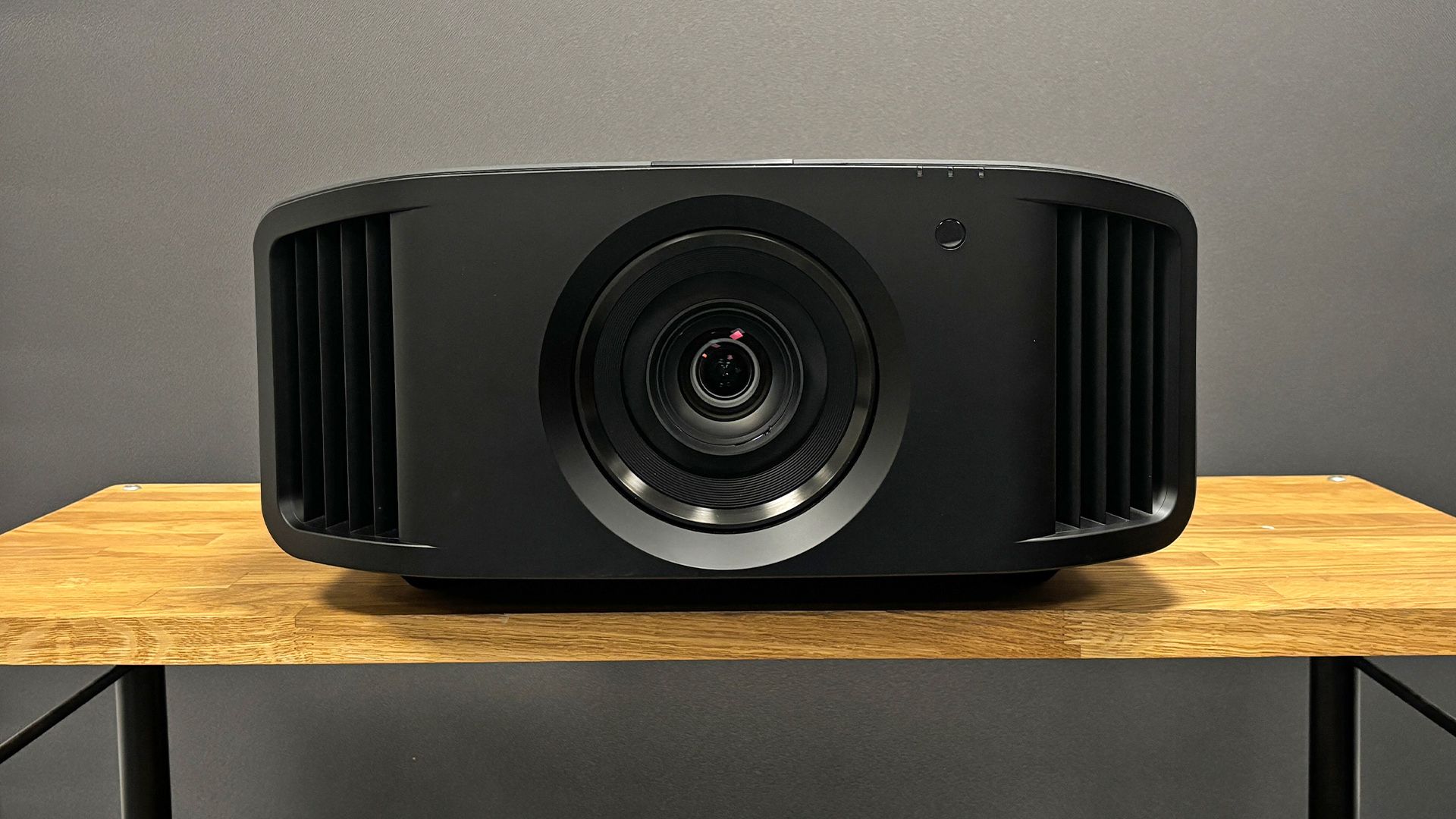
At the summit, the choice in 2026 is essentially two machines wearing different jackets. The Sony Bravia 8 sits at £15,999, and the JVC DLA-NZ800 lands at exactly the same money, which tells you neither firm is bluffing about where this tier starts. You are paying for native 4K rather than pixel-shifting, laser illumination that holds its colour and brightness for the life of the machine, and black-level handling that lamp projectors simply cannot reach in a properly blacked-out room.
Is it mad? For a dedicated cinema room — light fully under control, a fixed screen, the lot — no. A laser engine doesn’t dim and yellow the way a lamp does, so you are not factoring a replacement bulb and a colour drift into year three. But let me be blunt about who this is for: it is for the person building a room, not buying a gadget. If your “cinema” is also where the children watch cartoons at 4pm with the blinds up, sixteen grand of native 4K is the wrong sixteen grand.
Image: Whathifi
The laser that makes the maths uncomfortable
Which brings me to the projector that genuinely unsettled the pricing logic this year. Expert Reviews calls the Hisense C2 Pro its best projector overall for 2026, at £1,499 — roughly a tenth of the Sony — and it does it with an RGB triple-laser engine, 4K HDR, 2,600 ANSI lumens and 93% coverage of the DCI-P3 cinema colour space.
Read those numbers again. Ninety-three per cent of DCI-P3 is the kind of figure that, a few years ago, lived only at the top of the market. The C2 Pro isn’t pretending to be a Sony — you won’t get native-4K panels or the same inky on-screen blacks — but it lands the part of the spec sheet most living rooms actually notice: punchy, accurate colour and enough brightness to survive a lamp-lit British evening. On the numbers, this is the pick that forces everyone else to justify themselves.
Pick the light source first and the shortlist writes itself. Everything else — the brand, the smart platform, the speaker baked into the box — is detail you argue about afterwards.
Lamp isn’t dead — it’s just honest about the trade
There is a temptation in 2026 to write off lamp projectors entirely, and I think that’s a mistake. The value bet in this part of the market is still Epson’s 3LCD line, and the Epson EH-TW7000 is the one I keep coming back to: 3LCD imaging, 4K via pixel-shifting and a quoted 3,000 lumens on a 1.32:1 throw that suits a normal lounge rather than a purpose-built tunnel of a room.
The honest trade with a UHE lamp is twofold. It will need replacing eventually, and it will lose a little brightness and colour fidelity over its life in a way laser does not. But the up-front saving is real, the 3,000 lumens cope with ambient light better than the headline-grabbing native-4K sets, and the image is genuinely cinematic when the room is dim. For a reader who wants a big, bright picture without committing to a laser budget, this is the grown-up middle of the market — not a compromise so much as a different bet on where you’d rather spend.
Daylight, short throw and the living-room reality
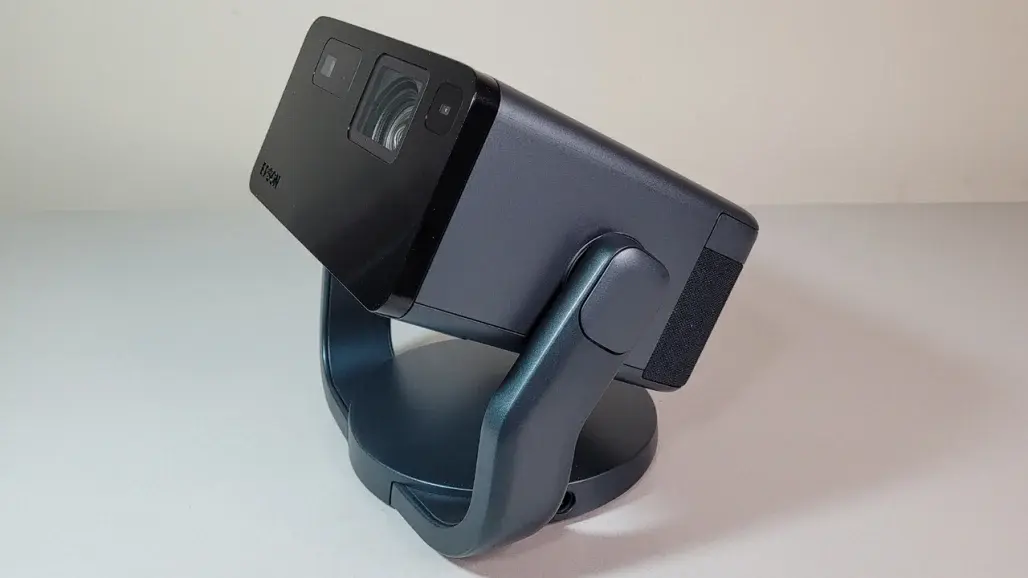
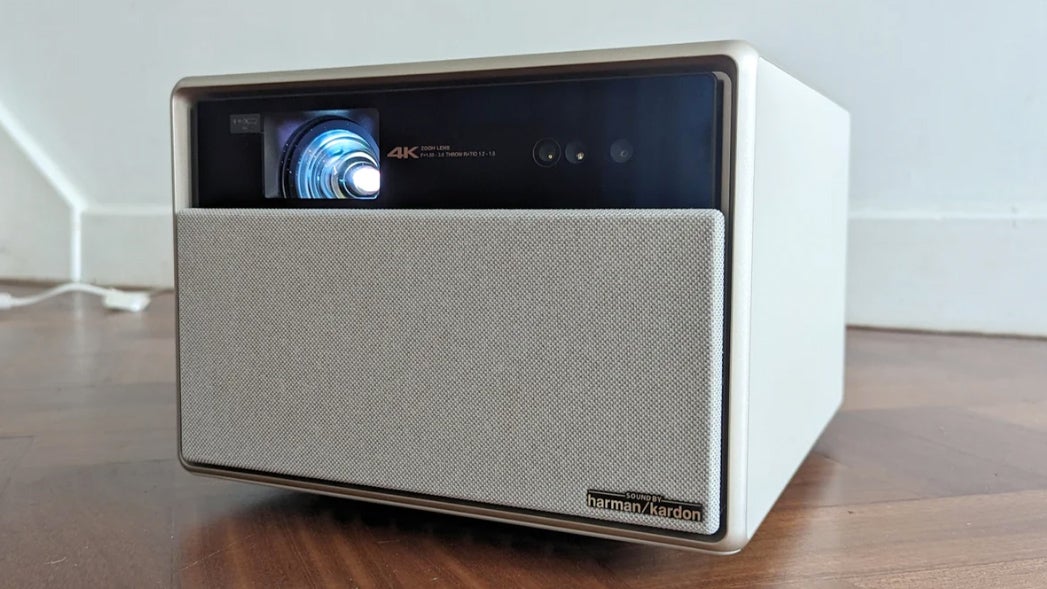
Most British homes do not have a spare blacked-out room, and that single fact reshapes the whole decision. For daytime viewing I’d point you at the XGIMI Horizon S Max, a short-throw triple-laser machine XGIMI rates past 3,000 lumens of 4K. Brightness is the entire point here: a projector you can actually watch with some light in the room is worth more in daily use than a darling of the contrast charts you can only enjoy after sundown.
This is where the “UST or not” question really bites. A short-throw or ultra-short-throw design sits close to the wall, dodges the cable-across-the-ceiling problem and behaves more like a television in how you live with it. You give up some of the absolute black-level magic the £16k sets trade on — ambient light and laser-bright pictures are, by definition, not the friends of deep blacks — but you gain a projector that earns its keep at 7pm in June, when a true home-cinema set is still waiting for it to get dark.
For a closer look at that TV-like ultra-short-throw route, our Formovie Theater Premium ultra-short-throw review is the more focused read before you decide between ceiling-mount, coffee-table and wall-adjacent projector setups.
The serious middle most people should actually look at
If I had to point a keen but sane enthusiast at one machine, it wouldn’t be the £16k halo set and it wouldn’t be the cheapest thing with a laser in it. It would be the Epson Pro Cinema LS12000, which PCMag picks as its top home-theatre projector. It is the bridge: laser illumination, the brightness and colour to take a proper crack at HDR, and a price that sits below the native-4K aristocracy while leaving the truly portable sets well behind.
That, to me, is the shape of the 2026 market in one product. The very top is laser-and-native-4K for dedicated rooms; the floor is bright, clever lasers like the Hisense doing 80% of the job for a tenth of the money; and the LS12000 is the enthusiast’s sensible centre. TrustedReviews’ round-up tells the same story from a different angle — the gap between “best” and “best value” has narrowed to the point where the badge matters less than the light source and the room it goes in.
Buying for the room you’ve actually got
So here’s where I land, without hedging. If you are building a dedicated cinema — controlled light, fixed screen, a budget that doesn’t flinch at five figures — buy the Sony Bravia 8 or the JVC NZ800 and never think about a lamp again. If you want a premium picture without the premium-room project, the Epson LS12000 is the one I’d carry home; it is the least compromised machine for the money most enthusiasts will sensibly spend.
For a bright, real-world living room where the telly currently lives, the XGIMI Horizon S Max or the value-minded Epson EH-TW7000 make more daily sense than any contrast champion. And the Hisense C2 Pro? It’s the one that would make me pause before spending anything dearer — because if £1,499 buys 93% of DCI-P3 and a triple laser, the burden of proof has shifted onto everything above it to justify the gap.
The thing that would change my mind for any reader is the same single variable: light in the room. Master it, and the Sony’s blacks are worth every penny. Can’t master it, and you should be buying brightness and short throw, not bragging rights — and spending the difference on the screen, the blackout blinds and the seat you’ll actually sit in.
We use cookies to make this site work, measure how it is used, and (with your consent) personalise advertising. Strictly necessary cookies always run. Analytics and advertising cookies run only if you accept. See our Cookie Policy and Privacy Policy.
MobileTechWorld Ltd — Companies House registration 16224011. Independent UK technology publisher since 2009.









Reader discussion
Leave a comment
Comments are moderated. Keep it useful, accurate, and on topic.