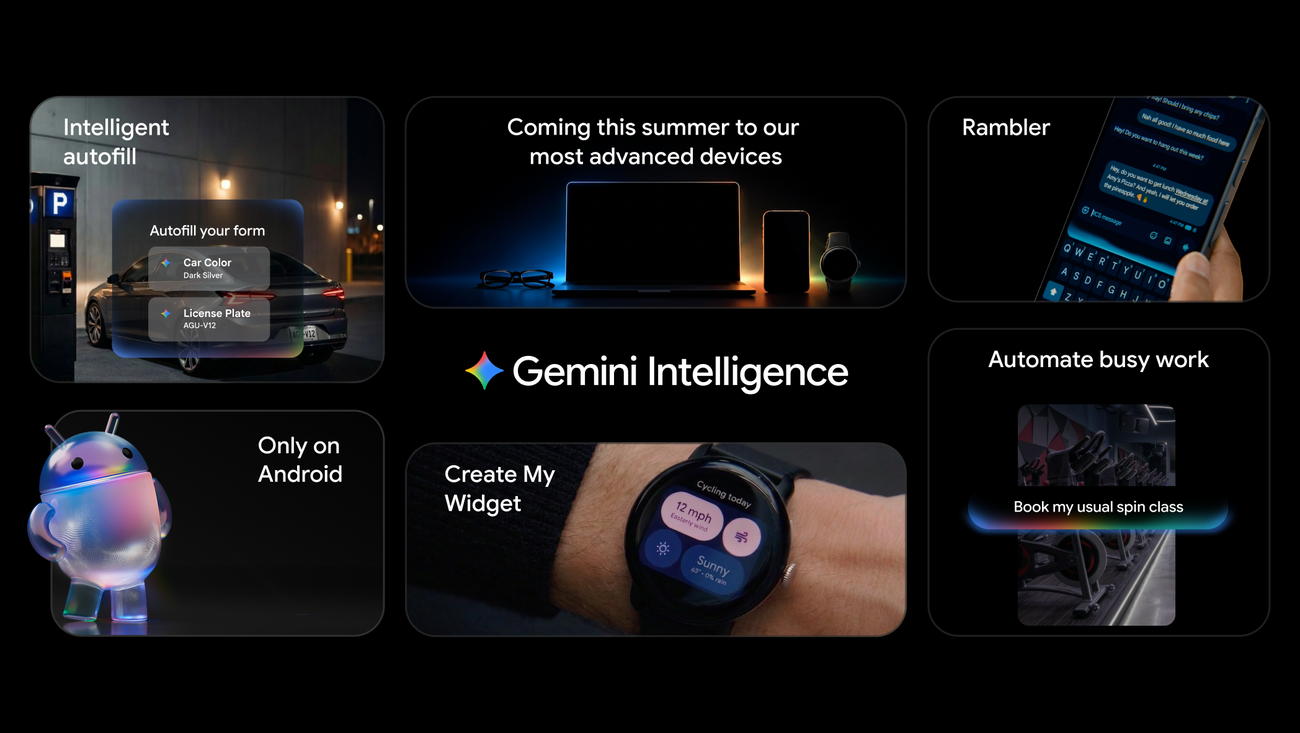
Android 17 is the platform release UK phone owners will live with for the next year, and Google has now set out what it actually does beyond the headline Gemini demos from this spring’s keynote. The features were laid out across The Android Show: I/O Edition 2026 and a run of official posts, including the security and privacy round-up that Google published on its security blog. Our focus here is the operating system itself: how it looks, how it handles notifications and windows, how on-device intelligence is wired in, what changes for safety and theft, and crucially when a Pixel or a Samsung in this country is likely to receive it. We have separated confirmed platform facts from the things Google has only hinted at, because the gap between an I/O slide and a UK rollout date is usually months wide.
Key facts
Android 17 reached platform stability with Beta 3 in March 2026, meaning its developer APIs are locked (Android Developers Blog).
Security changes include removing accessibility-service access from apps not labelled as accessibility tools, and a hardware-backed isolation layer Google calls AISeal with pKVM.
Some features ship on Pixel first: Screen Reactions is set to “roll out first on Pixel devices this summer”, with broader Android availability later.
Why it matters to UK readers: most safety and privacy controls are global, but feature timing and OEM rollout for Samsung and others in the UK is mostly unconfirmed.
What Android 17 actually is this year
It helps to be precise about the version, because Google’s own messaging blurs the line between the platform and the Gemini app. Android 17 is the system release whose developer APIs were frozen at platform stability in March 2026, confirmed on the Android Developers Blog. Google has moved to a faster cadence, with quarterly platform releases beginning in the second quarter of 2026 and a smaller SDK update expected in the fourth quarter. In practice that means the version number on your phone is no longer the whole story: features now arrive in waves through Android Drops rather than landing all at once on upgrade day.
That cadence shift is the single most important thing for a UK owner to understand. The big platform stability milestone is for developers; the things you will notice arrive in the monthly and quarterly Drops. For context on the AI side that sits alongside this release, our write-up of the Gemini features UK users actually get from Google I/O 2026 is the companion piece, because Google increasingly ships Gemini capability through the app and Play services rather than the OS version itself. The headline framing from I/O, that Android is shifting “from an operating system to an intelligence system”, is a positioning statement, not a feature you toggle on.
Design, notifications and the home screen
Google has been unusually quiet about a sweeping Material redesign for this release, and we would caution against assuming one is coming. The beta notes do not describe a new Material language or a reworked notification shade. What they do confirm are smaller, genuinely useful tweaks: a photo picker that lets apps offer aspect-ratio crops from 1:1 square through to 9:16 portrait, a system setting to hide app labels on the home screen for a cleaner grid, and a redesigned screen recording toolbar. These are quality-of-life changes rather than a visual overhaul, and they are the sort of thing that lands quietly in a Drop.
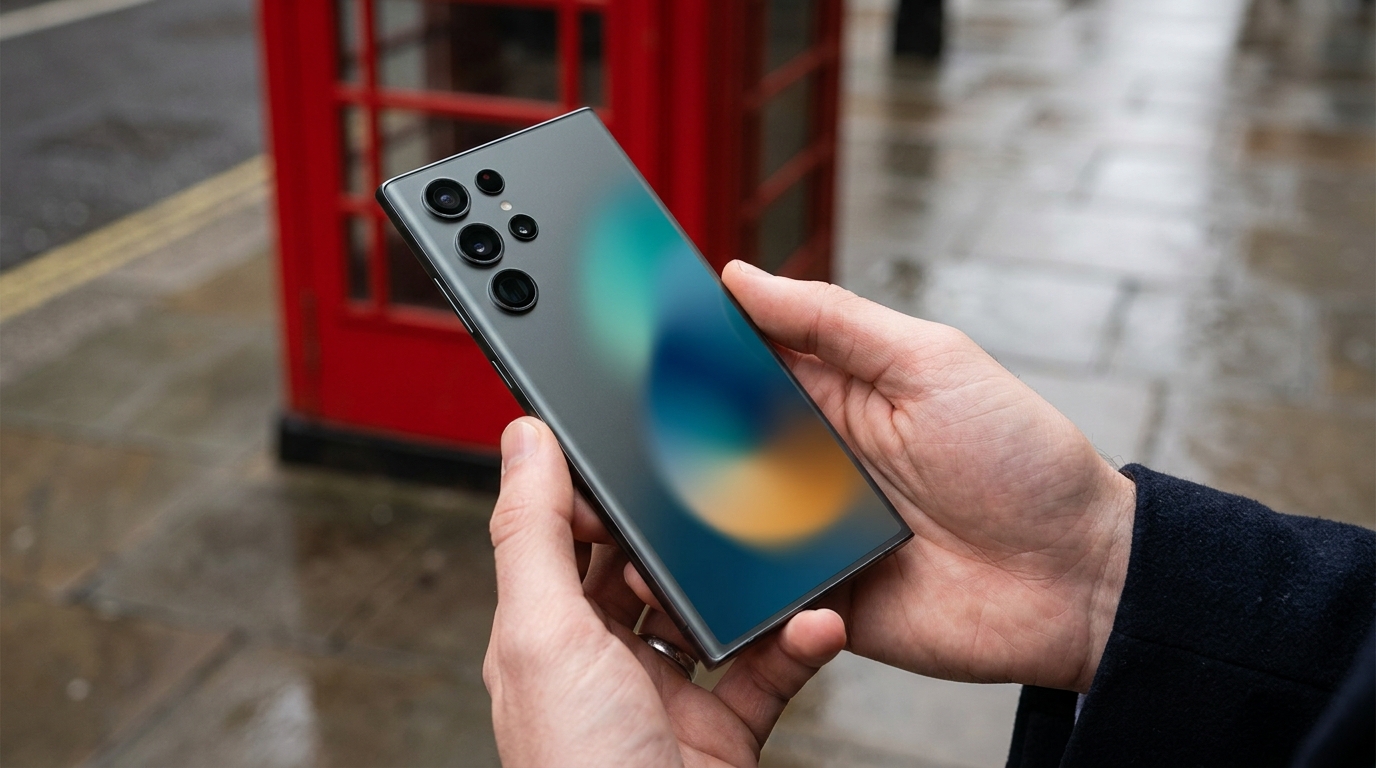
Image: Google
On personalisation, the consumer-facing additions are arriving through Android Drops rather than the core version bump. The June 2026 Drop, which Google detailed on its Android blog, brought new Emoji Kitchen combinations in Gboard and a Circle to Search mode that identifies whole outfits rather than single items. None of this requires you to be on Android 17; several features reach back to Android 12 or 14. If you want a clean home screen and tidier notifications today, the practical answer is that the platform is nudging in that direction without a dramatic reset, and most owners will not feel a jarring change on the day their phone updates.
Multitasking and windowing on bigger screens
The most concrete platform engineering in Android 17 is aimed at large screens, which matters more than it used to now that foldables and tablets are mainstream. The standout is Desktop Interactive Picture-in-Picture. Unlike a traditional floating video window, these pinned windows stay interactive while remaining always on top of other application windows in desktop mode, which is the kind of thing that makes a tablet usable as a light laptop replacement. Android 17 also improves widget support on external displays, so docking a phone or tablet to a monitor behaves more predictably.
For UK buyers weighing a big-screen Android device, this is the area to watch, because it directly affects whether a Samsung tablet or foldable can do real work. Samsung’s own DeX has done some of this for years, and how Samsung folds Android 17’s windowing into its software is still unconfirmed; if you are tracking that, our coverage of the Samsung One UI 9 beta for UK Galaxy S26 owners is the place we will report it. The wider point is that Google is treating desktop mode as a first-class part of the platform rather than an afterthought, which is overdue.
Image: Google
On-device Gemini and the intelligence layer
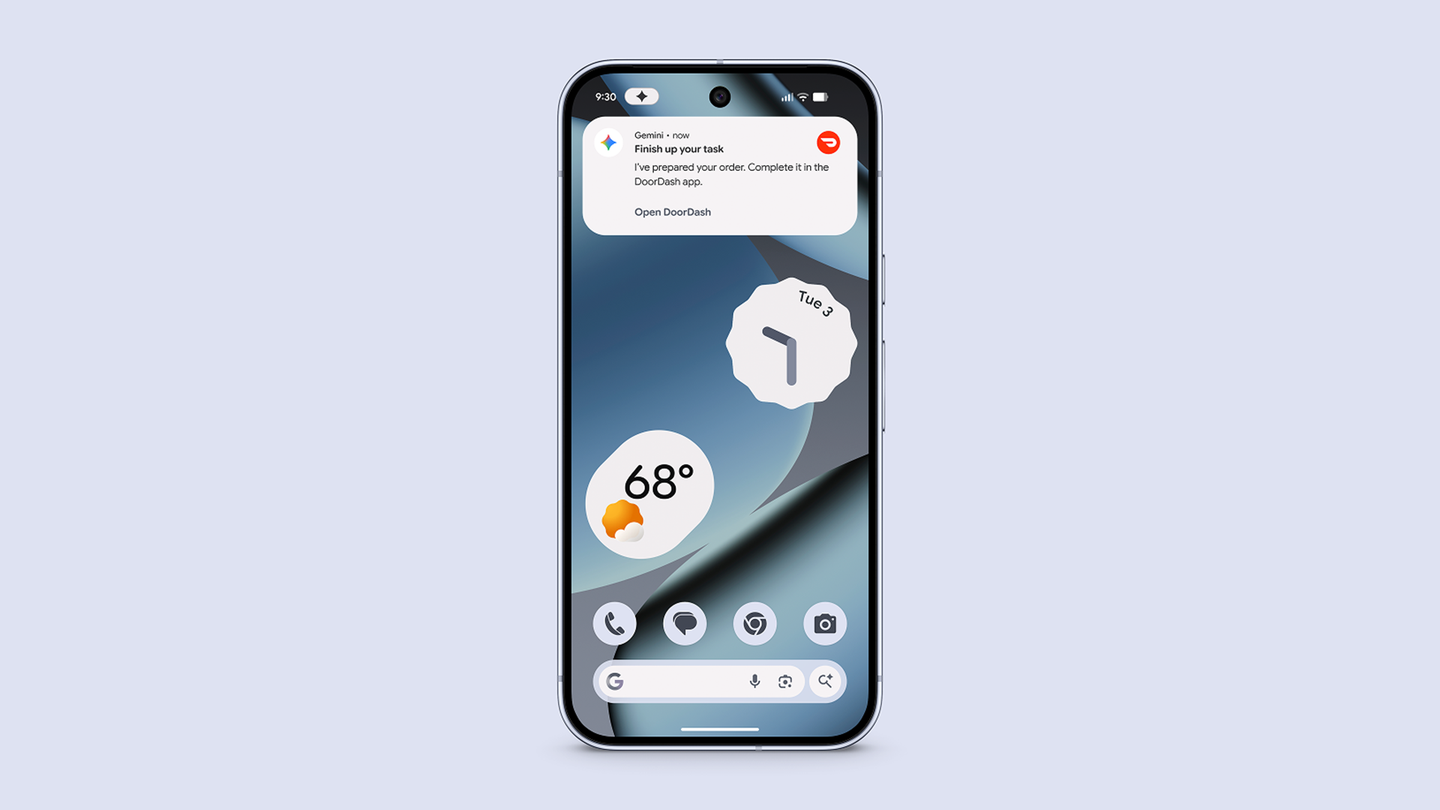
This is where expectation and confirmed fact diverge most, so we will be careful. Google’s framing of Android as an “intelligence system” sits mostly in the Gemini app and Play services, not in the Android 17 base APIs, which the first two betas did not describe in AI terms. What is concrete is on the creator side: features such as Smart enhance, which upscales photos and videos, and sound separation, which identifies and splits audio tracks, run with on-device AI. Google has not published the underlying model names for these, so we will not pretend to know them.
For privacy-conscious UK readers, the more reassuring detail is architectural. Google describes Private Compute Core and Private AI Compute as the boundaries inside which sensitive on-device processing happens, and the new AISeal with pKVM layer adds hardware-backed, verifiable isolation for that work. In plain terms, the intent is that personal data fed to on-device intelligence stays sandboxed from ordinary apps. Whether you pay for the cloud side is a separate question entirely, and our Gemini UK pricing guide covers what the free tier gets you versus AI Plus, Pro and Ultra. If you are deciding between assistants for work rather than the phone, our comparison of Claude, Copilot and Gemini for UK use is the better starting point.
Image: Google
Security, scam protection and Find Hub
The security work is the strongest part of this release, and most of it is global rather than US-first, which is good news for UK owners. Android 17 expands Advanced Protection by removing access to the accessibility service from any app that is not labelled as an accessibility tool, a direct response to the scam apps that abuse that permission to drain bank accounts. It also disables device-to-device unlocking and Chrome WebGPU under Advanced Protection, integrates scam detection into chat notifications, and lets users disable 2G where the carrier allows it, closing a known interception route.
Theft protection is meaningfully tighter. Find Hub’s Mark as Lost now requires biometric authentication, PIN and password guessing attempts are throttled with longer wait times, and you can surface your device IMEI from the lock screen on Android 12 and later. The June Drop also added Fake Call Detection, which flags suspected scammers impersonating your contacts, on Android 12 and up with Phone by Google. For a UK audience this lands against the Online Safety Act and the steady rise in impersonation fraud, and it pairs naturally with the encryption story we covered in our piece on RCS end-to-end encryption for Android and iPhone. There is also an Android OS verification feature, initially on Pixel, that checks against a public append-only ledger to prove your Google apps are authentic.
Stripping accessibility-service access from apps that are not accessibility tools is the most consequential anti-scam change in the release.
Image: Google
Creator tools, accessibility and sharing
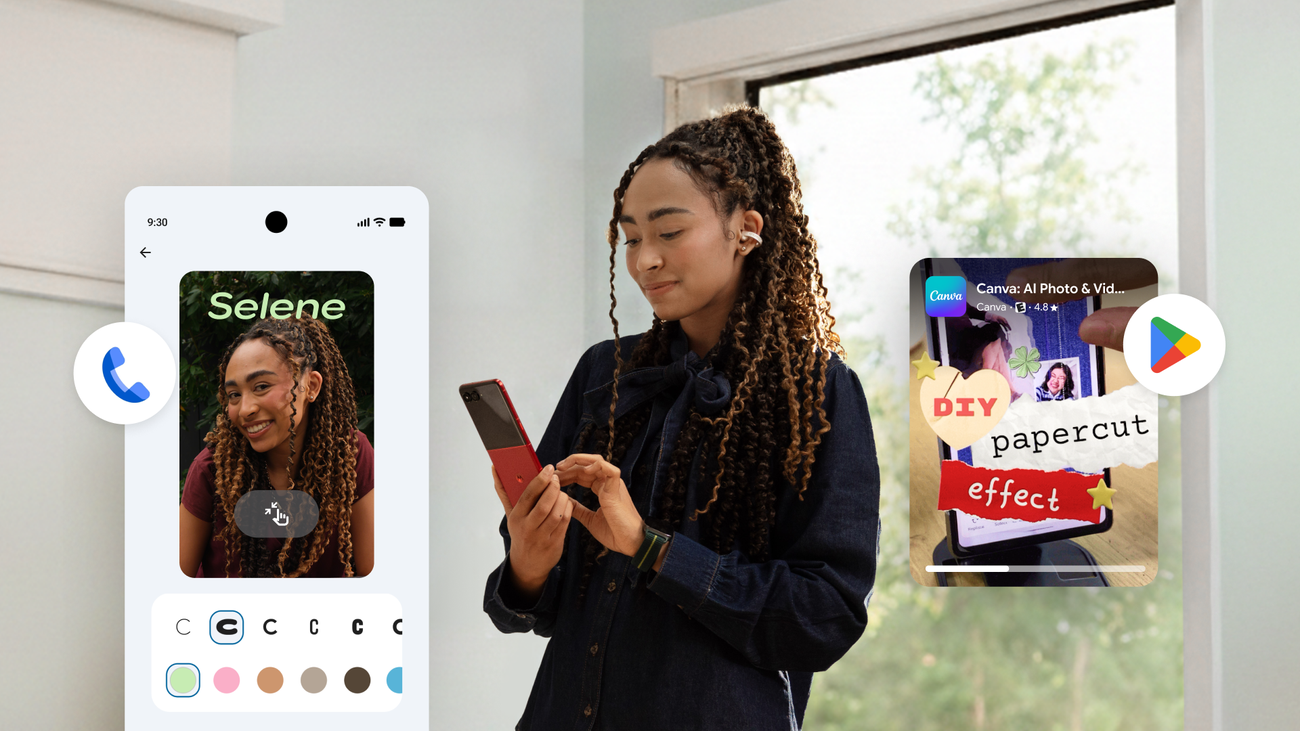
Android 17 leans hard into content creation, and some of it is tied to specific hardware. Screen Reactions lets you record yourself and your screen at the same time, and Google says it will roll out first on Pixel devices this summer before reaching wider Android. The platform adds Ultra HDR capture and playback, built-in video stabilisation and Night Sight integrations for Instagram, plus a storage-efficient professional video format called APV. Notably, APV is described as available right now on the Samsung Galaxy S26 Ultra and the vivo X300 Ultra, with more flagships following later in the year, and Adobe Premiere is listed as coming to Android soon without a firm date.
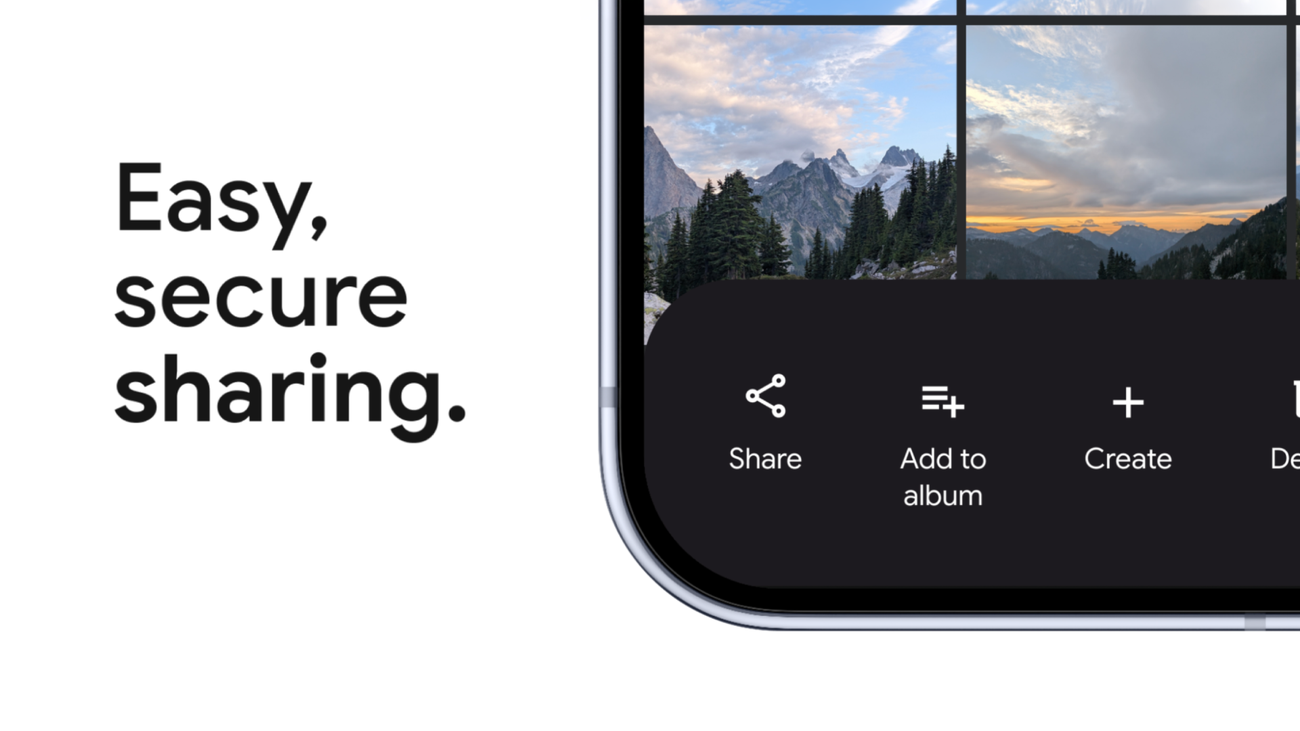
The cross-device story is the part most people will use day to day. Quick Share now works with AirDrop on more Android devices, so sharing photos, videos and documents with an iPhone is finally practical, and Quick Share for Windows extends the same to PCs. On the wellbeing and accessibility front, Google has flagged a Pause Point feature and a Personal Safety app for kids with medical information, emergency contacts and car-crash detection. We have not seen UK-specific availability dates for the kids’ safety app, so treat its UK timing as unconfirmed. If you are picking a network to make the most of all this sharing and calling, our guides to EE versus Three in 2026 and Vodafone versus O2 are worth a look.
Video: Google
When UK Pixel and Samsung owners get the update
This is the question we are asked most, and it is also where we have to be most disciplined about what Google has and has not confirmed. The platform reached stability in March 2026, and Google’s faster quarterly cadence means the stable build lands on Pixel first, as it always has. Some features explicitly arrive on Pixel before anyone else: Screen Reactions is confirmed as Pixel-first this summer, and the Android OS verification feature is starting on Pixel. If you own a recent Pixel, you are at the front of the queue, and the monthly Drops will keep adding pieces through the year.
Image: Google
For Samsung and other OEMs in the UK, we will not invent dates. Google has not published a UK rollout schedule for Samsung, Honor, Motorola or others, and One UI’s own timeline historically trails the Pixel release by months. So the honest position is: Pixel owners should expect Android 17 features through 2026 as Drops arrive; Samsung Galaxy owners should watch the One UI 9 beta for the first signal, and other OEM dates for the UK are unconfirmed at the time of writing. If a flagship decision is imminent, our review of the Pixel 10a’s UK price and value and the question of whether the Galaxy S26 is worth it in the UK are the two pieces to read next.
Our view is that Android 17 is a security and large-screen release first, and a visual or AI revolution a distant second, whatever the I/O staging suggested. The anti-scam work, especially locking down accessibility-service abuse and tightening Find Hub theft protection, is the reason to want it, and most of that is global rather than US-only, so UK owners genuinely benefit. The creator tools are nice but uneven, with the best bits gated to Pixel or specific flagships. We would not rush to buy new hardware for Android 17 alone. If you have a recent Pixel, you will get the meaningful parts soonest and should simply keep your Drops up to date. If you are on Samsung or another brand, wait for a confirmed UK timeline rather than an I/O slide, and judge any handset on its own merits today. The platform is moving in a sensible direction; the marketing is just running well ahead of the rollout.
When will Android 17 reach my UK phone?
Android 17 reached platform stability in March 2026 and lands on recent Pixel devices first, with features arriving through monthly and quarterly Android Drops across 2026. Google has not published a UK rollout schedule for Samsung or other manufacturers, so for non-Pixel phones the timing is unconfirmed and depends on each maker’s own software, such as Samsung’s One UI 9.
Does Android 17 bring a new Material design?
Not in the dramatic sense some expected. The beta notes do not describe a sweeping Material redesign or a reworked notification shade. Instead there are smaller changes such as photo picker crop ratios, an option to hide home screen app labels and a redesigned screen recording toolbar. Personalisation extras like new Emoji Kitchen combinations arrive through Android Drops rather than the version upgrade itself.
What are the most important security changes?
The standout is removing accessibility-service access from any app not labelled as an accessibility tool, which blocks a common scam-app technique. Android 17 also adds scam detection in chat notifications, the ability to disable 2G, biometric confirmation for Find Hub’s Mark as Lost, throttled PIN guessing and Fake Call Detection for impersonation scams on supported devices.
Is the on-device Gemini private?
Google routes sensitive on-device processing through Private Compute Core and Private AI Compute, and Android 17 adds a hardware-backed isolation layer called AISeal with pKVM intended to keep that work sandboxed from ordinary apps. Google has not published the underlying model names for features like Smart enhance, so treat any specific model claims with caution.
Can I share files with an iPhone now?
Yes, more easily. Quick Share now works with AirDrop on more Android devices, letting you send photos, videos and documents to iPhone users, and Quick Share for Windows extends the same to PCs. Exact device eligibility varies, so check that your specific Android model is supported before relying on it for an important transfer.
Do I need a paid Gemini plan to use Android 17?
No. Android 17’s platform features, including the security and sharing changes, do not require a paid subscription. Paid Gemini plans relate to the separate Gemini app and cloud features rather than the operating system. If you are weighing the cost, our Gemini UK pricing guide breaks down the free tier against AI Plus, Pro and Ultra in pounds.
We use cookies to make this site work, measure how it is used, and (with your consent) personalise advertising. Strictly necessary cookies always run. Analytics and advertising cookies run only if you accept. See our Cookie Policy and Privacy Policy.
Mobile Tech World is a trading name of Greyline Technologies Limited. Registered in England & Wales, company no. 16673047. Registered office: 71-75 Shelton Street, London WC2H 9JQ.








Reader discussion
Leave a comment
Comments are moderated. Keep it useful, accurate, and on topic.