Android 17 for UK Pixel owners: release date and the Gemini features that matter
Android 17 reaches UK Pixel phones this summer with Gemini Intelligence and app bubbles. Here is the expected release date, eligible Pixels and who gets what.
Android 17 is coming to UK Pixel phones this summer, and the headline is not just a new version number but the arrival of Gemini Intelligence, a proactive layer of AI that Google says will quietly automate the small jobs you currently do by hand. Google announced the release on 12 May 2026 during The Android Show, and reporting from PhoneArena on 27 May 2026 and Android Authority in early June 2026 lines up on the same picture: a stable rollout for Pixel is expected in June or July, with the most eye-catching features arriving in stages rather than all at once. If you own a Pixel bought from the Google Store UK or Currys in the last few years, this is the moment to work out exactly what your handset gets, and when.
Key facts
Android 17 was announced on 12 May 2026 at Google’s The Android Show (Google blog, 12 May 2026; PhoneArena, 27 May 2026).
A stable release for Pixel is expected in June or July 2026, following Android 16’s 10 June 2025 pattern. Google has not confirmed a hard calendar date (PhoneArena, 27 May 2026; Android Authority, early June 2026).
Eligible Pixels run from the Pixel 6 series through the Pixel 10a and Pixel 10 line under current 2026 reporting (NokiaPowerUser and PCMag, June 2026).
Gemini Intelligence adds proactive agents, Create My Widget and the Rambler writing tool; the full set rolls out first on select Pixel and Samsung devices “this summer” (Google blog, 12 May 2026).
The most demanding features need Gemini Nano v3, 12GB or more of RAM and a flagship chip, which currently limits them to the Pixel 10 series (TechRadar and 9to5Google, May 2026).
Android 17 release date: what UK Pixel owners can actually expect
Let us deal with the question everyone asks first: when does it land? The honest answer is that Google has not committed to a single date, and we are not going to invent one. What the evidence supports is a window. Android 16 reached stable on 10 June 2025, and PhoneArena’s 27 May 2026 timeline, corroborated by Android Authority and NokiaPowerUser in June 2026, points to a comparable June or July 2026 arrival for Android 17 on Pixel. The beta programme has already run its full course, from Beta 1 in mid-February through platform stability in late March and a Beta 4.1 in early June, which is exactly the sort of run-up that precedes a stable push.
For a UK reader, the practical takeaway is to expect an over-the-air update notification on your Pixel sometime in the early-to-mid summer, most likely staged rather than delivered to every device on day one. Google typically rolls these updates out gradually, so if a friend’s Pixel updates before yours, that is normal and not a fault. If you want the broader context on what Google showed at its developer conference, our roundup of the Gemini features UK users actually get from Google I/O 2026 sets the scene, and our overview of the OS features UK phone owners actually get this year goes wider than the Pixel-only view here.
Which Pixels are eligible for the update
The eligibility list is reassuringly broad. Under current 2026 reporting from NokiaPowerUser, PCMag and Beebom, every Pixel from the Pixel 6 series onward is in line for the core operating system update. That sweeps in the Pixel 6, 6a and 6 Pro, the Pixel 7 and 8 families, the Pixel 9 line, and the newest Pixel 10a and Pixel 10 series. If you bought your Pixel new in the UK from the Google Store, Currys, Argos or a network like EE or Vodafone within roughly the last four years, the odds are very good that your device is on the list for the underlying software.
There is an important distinction to hold onto, though, and it is the crux of this whole story. Getting the operating system is not the same as getting every Gemini Intelligence feature. The core OS, with its privacy changes and multitasking improvements, is widely eligible. The flashiest AI tools are gated behind hardware that older Pixels simply do not have. We will come to exactly who gets what below. If you are weighing up whether your current Pixel still has legs or whether an upgrade makes sense, our look at the Pixel 10a’s price and value and the Pixel 11 leaks pointing to an August UK window are both worth a read before you spend.
Image: Google
Pixel model
Core OS update
Full Gemini Intelligence (Create My Widget, Rambler)
Pixel 6 / 6a / 6 Pro
Eligible
No (lacks Nano v3 hardware bar)
Pixel 7 and 8 series
Eligible
No under current reporting
Pixel 9 series
Eligible
Not in the initial Nano v3 group
Pixel 10 / 10a / 10 series
Eligible
Yes, first wave this summer
Sources: NokiaPowerUser, PCMag and Beebom (2026 eligibility); TechRadar and 9to5Google (May 2026) on the Gemini Nano v3 bar.
Gemini Intelligence: the proactive agents that change daily use
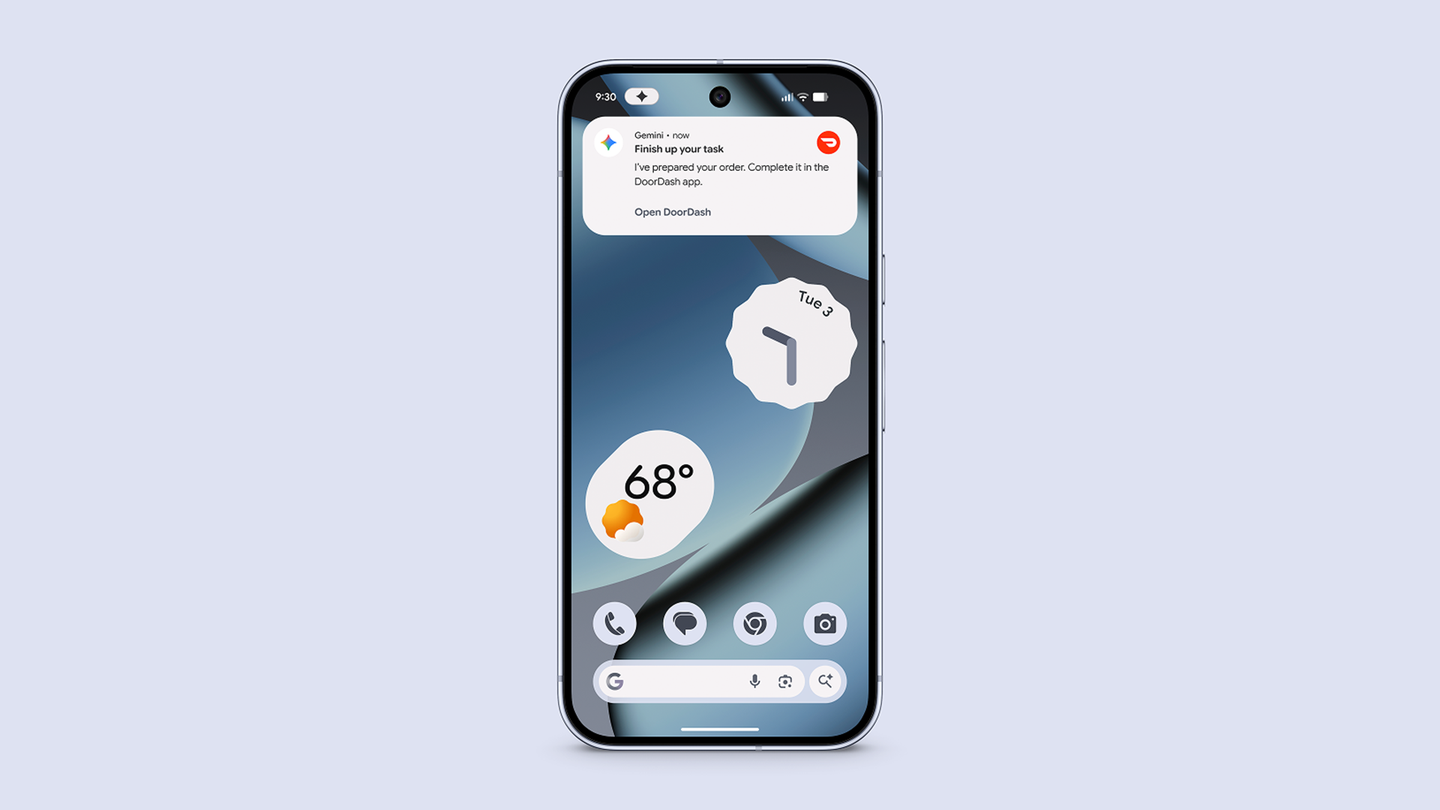
The centrepiece of this release is Gemini Intelligence, which Google frames as a shift from an assistant you summon to a system that acts on your behalf. According to the Google blog post of 12 May 2026 and PhoneArena’s same-day coverage, the new proactive agents can chain together multi-step jobs across apps: filling in forms, ordering a service, or pulling together and summarising content, with you supervising rather than tapping through every screen. It is the clearest sign yet that Google wants the phone to do the legwork, and it is the feature most likely to change how a Pixel feels day to day.
Two consumer-facing tools sit alongside those agents. Create My Widget, which Google cheerfully describes as a way to “vibe-code your widgets”, lets you generate a custom home-screen widget from a plain-language description or a voice prompt, no design skills required. Rambler, built into Gboard, takes the spoken, half-formed way most of us think out loud and turns it into clean written text. In Google’s own words from the 12 May blog, “The new Rambler feature turns your natural, spoken thoughts into polished, professional text messages.” If you are still deciding whether Google’s AI is worth leaning on, our UK verdict on whether Gemini is worth it weighs the everyday case.
The hardware bar that decides who gets the headline features
Here is where expectations need managing. The full Gemini Intelligence experience, including Create My Widget and Rambler, carries steep requirements. Reporting from TechRadar and 9to5Google in May 2026 sets the bar at Gemini Nano v3 support, typically 12GB or more of RAM, and a flagship chipset, with a promise of five or more years of OS upgrades. In practice, that combination is currently met by the Pixel 10 series and not by older models. So while a Pixel 7 or Pixel 9 will receive the update itself, it will not get the marquee on-device AI features at launch.
Image: Google
This two-tier outcome is not a bug; it is the cost of running powerful models locally on the phone rather than in the cloud. Gemini Nano v3 is the on-device engine, and it simply needs more memory and a newer neural processor than earlier Pixels can offer. For UK buyers, the message is straightforward: if proactive agents and generative widgets are the reason you want the update, the Pixel 10 series is the device that delivers them now. If you mainly want the refreshed, more private operating system, your existing eligible Pixel has you covered. Those torn between a budget and a flagship Pixel may find our iPhone 17e versus Pixel 10a comparison useful for framing the decision.
Multitasking and the new app bubbles
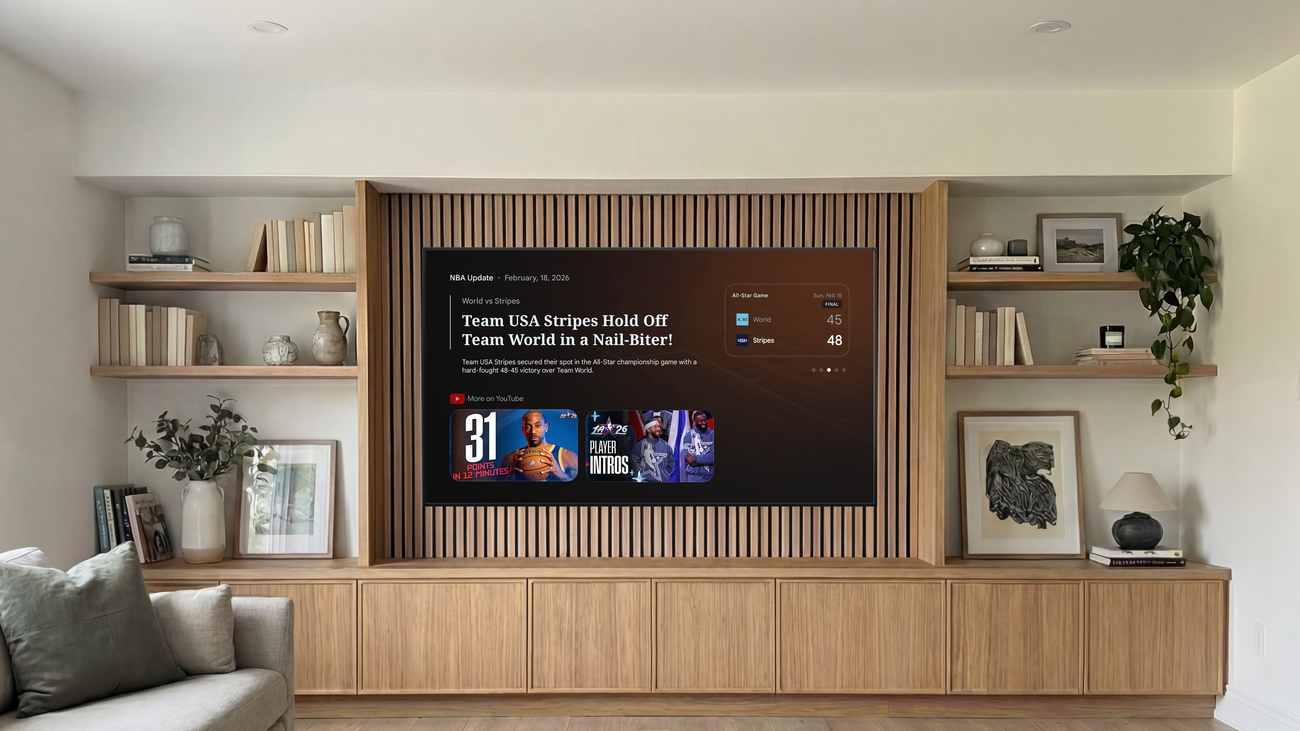
Not everything in this release is AI. Android Authority reported on 23 May 2026 that the update introduces app bubbles, a multitasking feature that lets you pin up to five apps as floating bubbles that hover over whatever you are doing. Tap one and it expands; tap away and it tucks back into a bubble. It is a small idea with an outsized effect on how you juggle a chat, a map and a note without constantly switching screens, and it is the kind of refinement that flagship Android has long borrowed from power-user customs and made mainstream.
App bubbles are part of the core operating system, which means they should reach the broad eligibility list rather than being locked to the Pixel 10. That makes them one of the more democratic upgrades in this cycle: a genuinely useful change that even a Pixel 6 owner can expect to enjoy. For anyone who lives in messaging apps, the timing dovetails neatly with the wider push on cross-platform chat, which our explainer on RCS end-to-end encryption between Android and iPhone covers in detail.
Video: Android Developers
The clip above from Google’s Android Developers channel sketches how the new release leans into adaptive design, the principle that an app should reshape itself for whatever screen it lands on, from a compact Pixel to a folding display or a tablet. It is developer-facing, but it explains a consumer truth: a chunk of the work in this update is about making apps behave better across the growing family of Android form factors, which is why multitasking touches like app bubbles feel so natural when they arrive.
Image: Google
Privacy and security changes worth knowing about
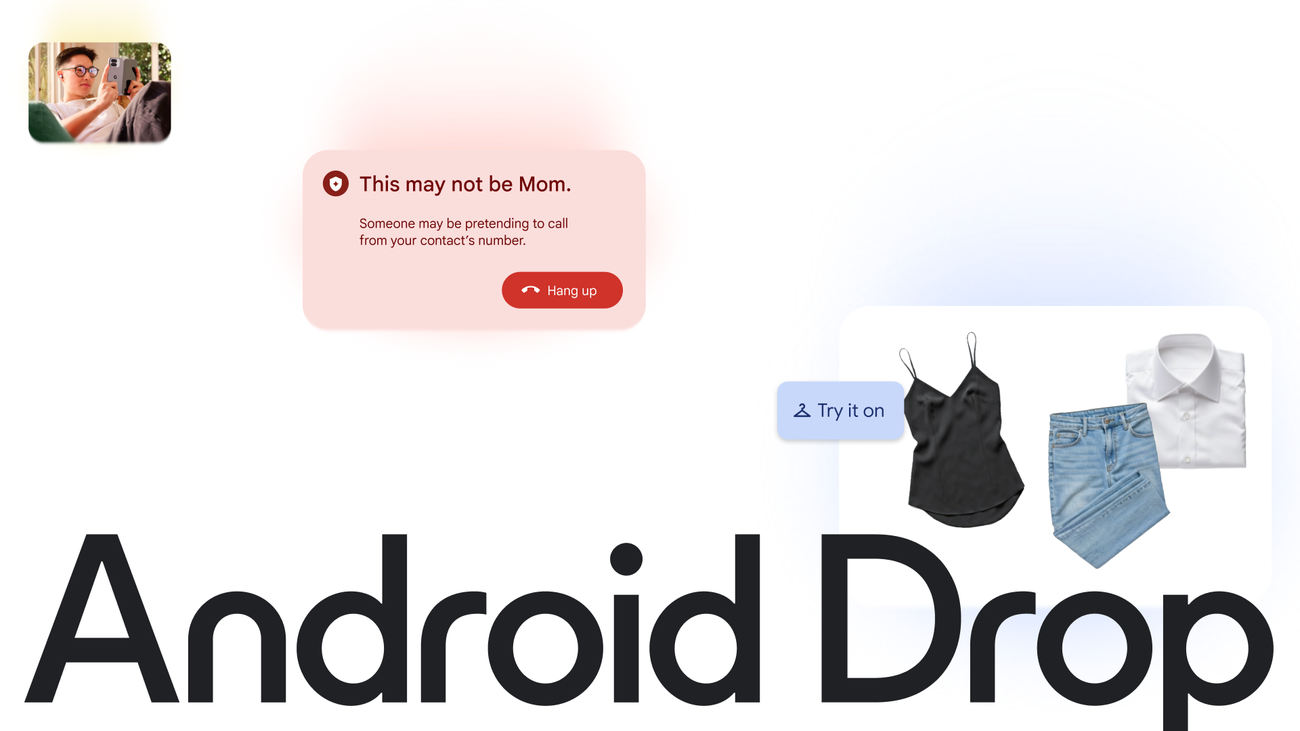
Under the surface, this version tightens privacy in ways that matter even if they never make a marketing slide. The developer documentation lists a new local network runtime permission, so apps must ask before scanning the devices on your home Wi-Fi rather than doing it silently. There is support for Encrypted Client Hello, or ECH, which hides the name of the site you are connecting to during the TLS handshake, closing a long-standing privacy gap. Location controls become more granular too, giving you finer say over what an app can see.
These are exactly the sort of quiet, behaviour-changing improvements that make a new release worth installing even before you touch the AI. They also reflect a broader regulatory mood in the UK and Europe around data and consent, a theme we have tracked in our coverage of the CMA’s Google AI search ruling and the WhatsApp Meta AI privacy settings worth checking. The direction of travel is clear: more permission prompts, more user control, and less silent data gathering by default.
How the feature rollout is staged through summer
The rollout is best understood as layers arriving on different schedules. The core operating system, with app bubbles and the privacy work, comes with the stable update expected in the June or July window. The advanced Gemini Intelligence features, Google says, roll out first on select Pixel and Samsung devices “this summer”, with wider availability later. So a Pixel 10 owner in the UK might get the update and then watch Create My Widget and Rambler appear over subsequent weeks rather than instantly on update day.
With Gemini Intelligence, we’re taking the first step in generative UI with a hallmark of Android: widgets. With Create My Widget, there are… The new Rambler feature turns your natural, spoken thoughts into polished, professional text messages.
Image: Google
Google blog, “A smarter, more proactive Android with Gemini Intelligence”, 12 May 2026
For UK readers, the sensible mindset is patience. A staged rollout means features appear when Google is confident in them on your specific device, and chasing the update by sideloading betas is rarely worth the risk on a daily phone. If you want to keep an eye on the wider Google calendar while you wait, our weekly UK tech news round-up tracks the announcements as they land, and our piece on the Pixel Watch 4 covers how the same Gemini push is reaching Google’s wearables.
Setting your Pixel up to be ready
There is little you need to do beyond a few sensible checks. Make sure your Pixel is on the latest current update, since being up to date smooths the path to the next major version. Keep at least a few gigabytes of storage free, as major OS updates need room to unpack and install. Back up your phone, which on a Pixel is largely automatic through your Google account, and make sure you are signed in so settings and data carry across cleanly. When the over-the-air prompt arrives, install it on Wi-Fi and ideally while charging.
If you are the household’s unofficial tech support, it is worth knowing which relatives are on older Pixels so you can set expectations: they will get the new operating system and its privacy upgrades, but not the on-device Gemini headliners unless they are on a Pixel 10. Managing that expectation now avoids disappointment later. For anyone comparing where their next phone might come from, our guides to the Pixel 10a at GBP 499 and the best EE plan in the UK for 2026 can help you line up a handset and tariff that will see the new software through and beyond.
Image: Google
Where to buy or check next in the UK
If your current Pixel is eligible, you do not need to buy anything: simply wait for the update prompt and install it. If you have decided the full Gemini Intelligence set is worth a new phone, the Pixel 10 series is the device to look at, and in the UK that means the Google Store UK as the first port of call, with Currys, Argos, Very and the major networks all stocking Pixels with their own trade-in and contract deals. It is always worth pitting the Google Store’s own offer against a retailer bundle, since the headline handset price is only part of the total cost once a tariff is attached.
Before committing, sanity-check the tariff as well as the phone, because a phone upgrade is the natural moment to review whether your plan still suits you. Our rundown of the best EE plan in the UK and our EE versus Three comparison for 2026 both help you avoid overpaying, and if a budget Pixel is more your speed, the Pixel 10a buying guide lays out whether the cheaper model is the smarter pick.
Our view is that this is a genuinely significant update wrapped in a slightly awkward two-tier reality, and UK Pixel owners should approach it with clear eyes rather than either hype or disappointment. The good news is broad: from the Pixel 6 onward, eligible devices get a more capable, more private operating system with neat touches like app bubbles, and that alone makes the update worth installing the moment it lands in the expected June or July window. The catch is that the features Google leads with, the proactive agents, Create My Widget and Rambler, are gated behind Pixel 10-class hardware this summer, so most existing Pixels will see the new software without the headline AI. That is not a reason to feel short-changed; it is the honest price of running serious models on the device itself. If you simply want a better, safer Pixel, wait for the prompt and enjoy it. If proactive AI is the whole point for you, the Pixel 10 series is the phone that delivers it now, and everyone else can look forward to features trickling down as the hardware bar inevitably lowers in future generations. Either way, the smart move is to keep your Pixel updated, manage expectations for older handsets in the family, and let the staged rollout come to you.
When is the Android 17 release date for UK Pixel phones?
Google has not confirmed a hard date. A stable release for Pixel is expected in June or July 2026, following Android 16’s 10 June 2025 pattern, according to PhoneArena (27 May 2026) and Android Authority (early June 2026). Expect a staged over-the-air rollout rather than every device updating on the same day.
Which Pixel phones are eligible?
Under current 2026 reporting from NokiaPowerUser, PCMag and Beebom, every Pixel from the Pixel 6 series onward is eligible for the core operating system, including the Pixel 6, 6a and 6 Pro, the Pixel 7, 8 and 9 families, and the Pixel 10a and Pixel 10 series.
What is Gemini Intelligence?
Gemini Intelligence is the AI layer that adds proactive agents able to automate multi-step jobs across apps, plus Create My Widget for generating custom home-screen widgets by voice or text, and Rambler, which turns spoken thoughts into polished written messages (Google blog, 12 May 2026).
Will my older Pixel get the full Gemini Intelligence features?
Probably not at launch. The headline features need Gemini Nano v3, typically 12GB or more of RAM and a flagship chip, which currently limits them to the Pixel 10 series (TechRadar and 9to5Google, May 2026). Older Pixels get the operating system but not the marquee AI tools this summer.
What are app bubbles?
App bubbles let you pin up to five apps as floating bubbles that hover over whatever you are doing, so you can dip into a chat, map or note without switching screens (Android Authority, 23 May 2026). They are part of the core operating system, so eligible older Pixels should get them too.
What privacy changes are included?
The release adds a local network runtime permission so apps must ask before scanning your home Wi-Fi devices, support for Encrypted Client Hello (ECH) to hide which site you are connecting to during TLS, and more granular location controls, according to the developer documentation.
Where can UK buyers get a Pixel 10 for the full feature set?
The Google Store UK is the first port of call, with Currys, Argos, Very and the major networks also stocking Pixels with their own trade-in and contract deals. Compare the Google Store’s own offer against retailer bundles, since the tariff often decides the true total cost.
Do I need to do anything to prepare my Pixel?
Keep your Pixel on the latest current update, free up a few gigabytes of storage, confirm your Google account backup is on, and install the update over Wi-Fi while charging when the prompt arrives. There is no need to sideload betas on a daily phone.
We use cookies to make this site work, measure how it is used, and (with your consent) personalise advertising. Strictly necessary cookies always run. Analytics and advertising cookies run only if you accept. See our Cookie Policy and Privacy Policy.
Mobile Tech World is a trading name of Greyline Technologies Limited. Registered in England & Wales, company no. 16673047. Registered office: 71-75 Shelton Street, London WC2H 9JQ.










Reader discussion
Leave a comment
Comments are moderated. Keep it useful, accurate, and on topic.