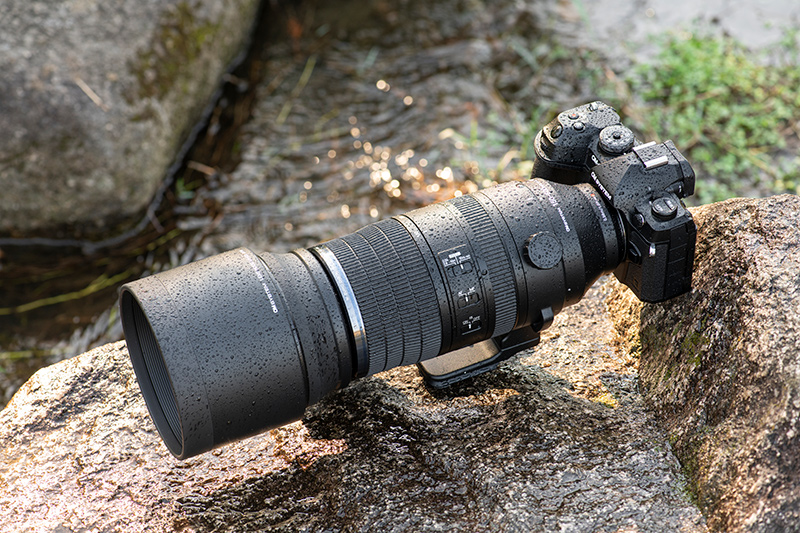
OM System OM-1 Mark II review: the Micro Four Thirds flagship that still picks a fight
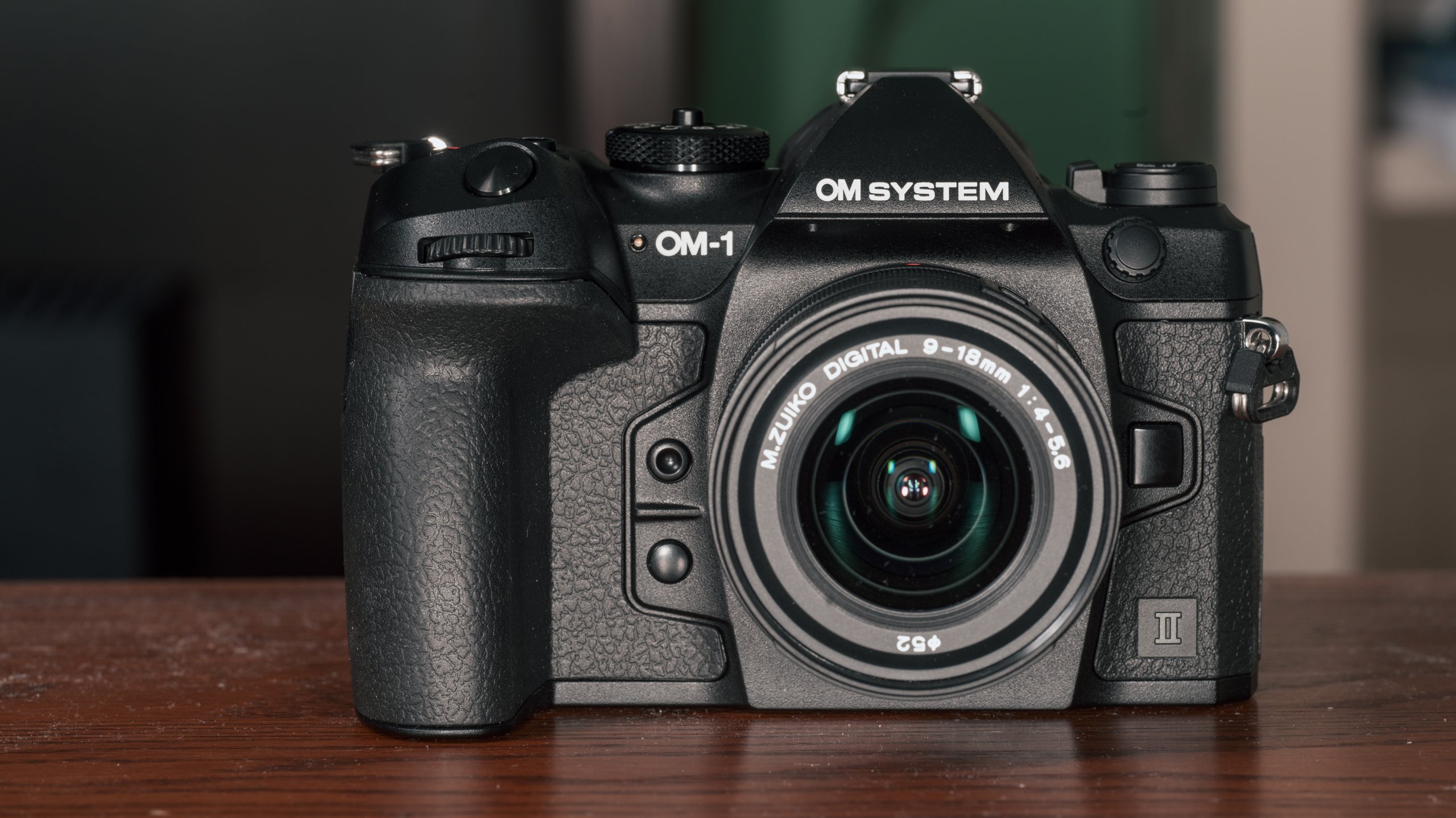
Two grand and change for a camera built around a sensor a quarter the size of full-frame — and OM System wants you to believe that’s the clever money. When the OM-1 Mark II was announced on 30 January 2024, the number that mattered sat in the pricing table: £2,199 body-only at launch. That is not a budget proposition, and OM System isn’t pretending it is. This is the Micro Four Thirds flagship, and the entire pitch rests on what that small sensor lets the rest of the camera get away with.
Let me say where I land before I touch the spec sheet: the OM-1 Mark II is one of the most quietly persuasive cameras of its generation for a very specific buyer — and a frustrating one for everyone else. The whole exercise is working out which of those two people you are.
What you’re actually paying for (Micro Four Thirds)
Underneath sits a 20.4MP stacked BSI Live MOS sensor paired with the TruePic X processor — the same core resolution as the original OM-1, which tells you immediately this is a refinement rather than a reinvention. The pixel count hasn’t moved. What has moved is everything the processor does with the data, and that’s where the Mark II earns its place.
The burst figures are the showpiece. You get 50fps with full AF/AE tracking, rising to 120fps with focus and exposure locked — and the buffer keeps pace, holding 213 RAW frames at 120fps and 256 RAW at 50fps. Numbers like that read as marketing until you’ve tried to catch a kingfisher leaving a branch. At 50fps with tracking you stop timing the shot and start choosing it afterwards, from a sheet of near-identical frames. That changes how a certain kind of photographer works.
Autofocus that finally keeps up
The other genuine step on from the original OM-1 is what the TruePic X does with focus, and for the buyer this camera is aimed at it matters more than the sensor talk. The Mark II leans on deep-learning subject detection — birds, dogs and cats, aircraft, trains and motorsport — and OM System folded human detection into the same system, so it recognises people without you dropping into a separate mode. Across the launch coverage and the early reviews, the consistent line isn’t that it finds a subject but that it holds one: PCMag’s review frames the tracking reliability, not headline tricks, as the meaningful upgrade over the Mark I. Pair that with the 50fps tracked burst and you have the combination that justifies the price — an eye-detect box that finds a bird in a cluttered hedge and refuses to let go is worth more to a wildlife shooter than another four megapixels ever would be.
The small-sensor superpower: reach and stabilisation
Here’s the bit a spec sheet won’t spell out. Micro Four Thirds carries a 2x crop factor, so a 300mm lens behaves like a 600mm — and the whole rig stays light enough to carry up a hill all day. Pair that reach with the headline stabilisation figure and the maths gets genuinely interesting.
OM System rates the in-body stabilisation at 8.5 stops to CIPA standard. That is an enormous claim, and even with the usual real-world haircut it means handholding shutter speeds that would be laughable on most full-frame bodies. For wildlife, hand-held macro and dim interiors, that’s not a convenience — it’s the difference between a usable frame and a binned one.
The OM-1 Mark II isn’t trying to beat full-frame at full-frame’s game. It’s betting that reach, reach-per-gram and weatherproofing matter more to its buyer than another stop of low-light latitude — and for the right buyer, that bet is correct.
The computational modes lean into the same philosophy. There’s a 50MP handheld High Res Shot and an 80MP tripod mode, each stitching multiple exposures into a single larger file. For static subjects — landscapes, architecture, repro work — that 80MP figure narrows the resolution gap with bigger sensors considerably, on a body you can fit in a jacket pocket. The Mark II also added a Live GND mode — a graduated neutral-density filter applied in-camera, the sort of thing a landscape shooter normally screws onto the front of a lens. It’s a niche tool, but it’s emblematic of the whole OM System pitch: do in computation what rivals make you do in glass and accessories.
Built for the weather you’d rather not shoot in
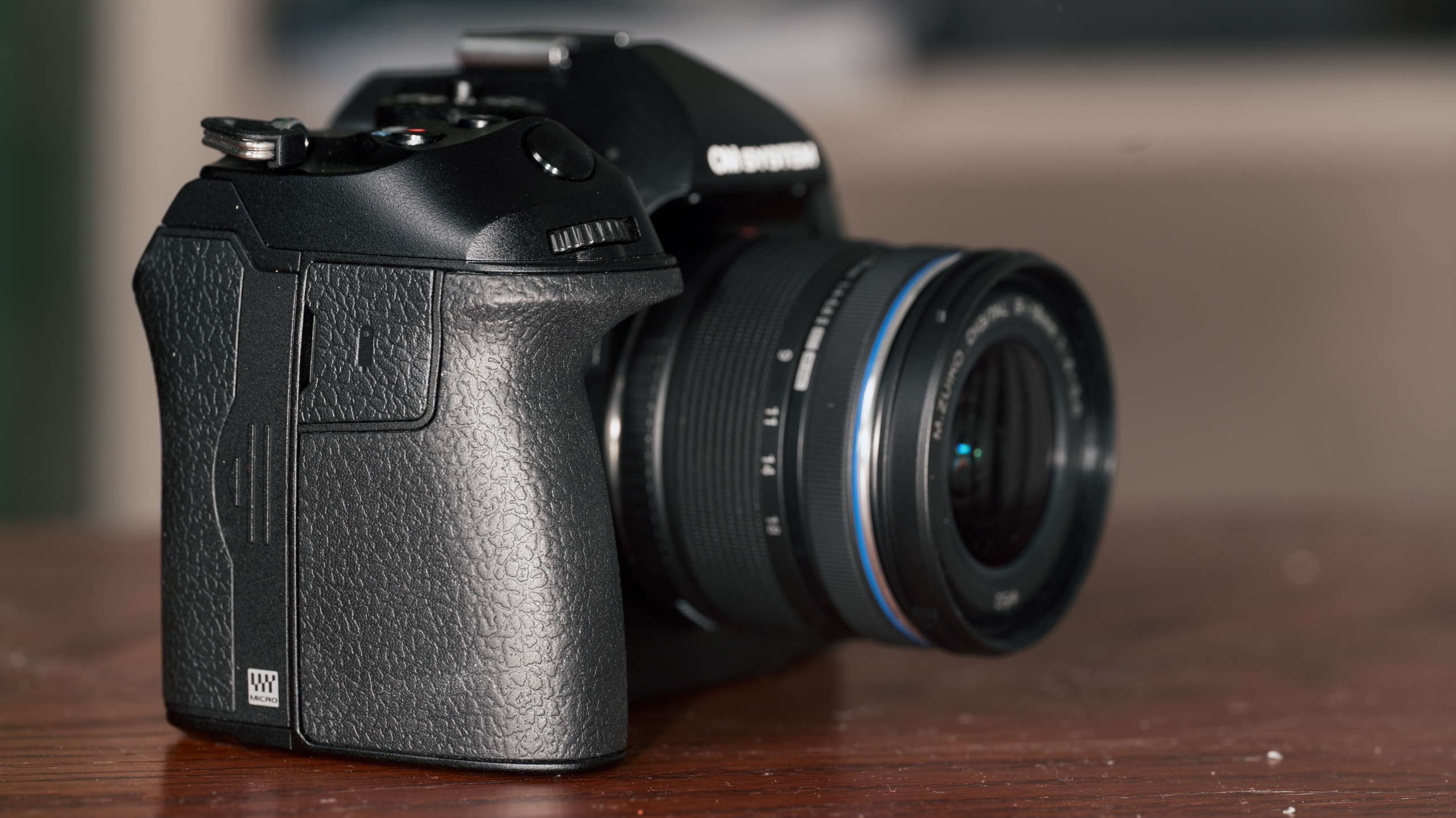
This is where the OM-1 Mark II stops being a numbers exercise and becomes a tool. It carries an IP53 weather-sealing rating — dustproof, splashproof and freezeproof down to -10°C. Very few stills cameras carry a formal IP rating at all; most makers wave vaguely at “weather resistance” and leave you to find out the hard way. OM System put a number on it, which tells me they expect this camera out in horizontal rain on a Scottish hillside, not babied in a studio.
Battery life supports the all-day intent: 500 shots to CIPA standard, rising to 1,010 in Quick Sleep mode. CIPA figures are deliberately pessimistic, and burst-shooting wildlife will blow through that fast, but the headroom is there for a serious day in the field on a single cell — and for anyone shooting in the kind of conditions the IP53 rating invites, a body that doesn’t need babying between frames is half the appeal.
Where I’d hesitate
The resolution standing still is the honest sticking point. At £2,199 body-only you are in the same money as some very capable full-frame bodies, and if your work lives in low light, leans on shallow depth of field, or demands the last word in dynamic range and high-ISO cleanliness, physics is not on Micro Four Thirds’ side. A bigger sensor gathers more light, and no amount of clever processing fully rewrites that. The Mark II is best understood as an iterative sharpening of the OM-1, not a leap — and that’s the right expectation to bring to it.
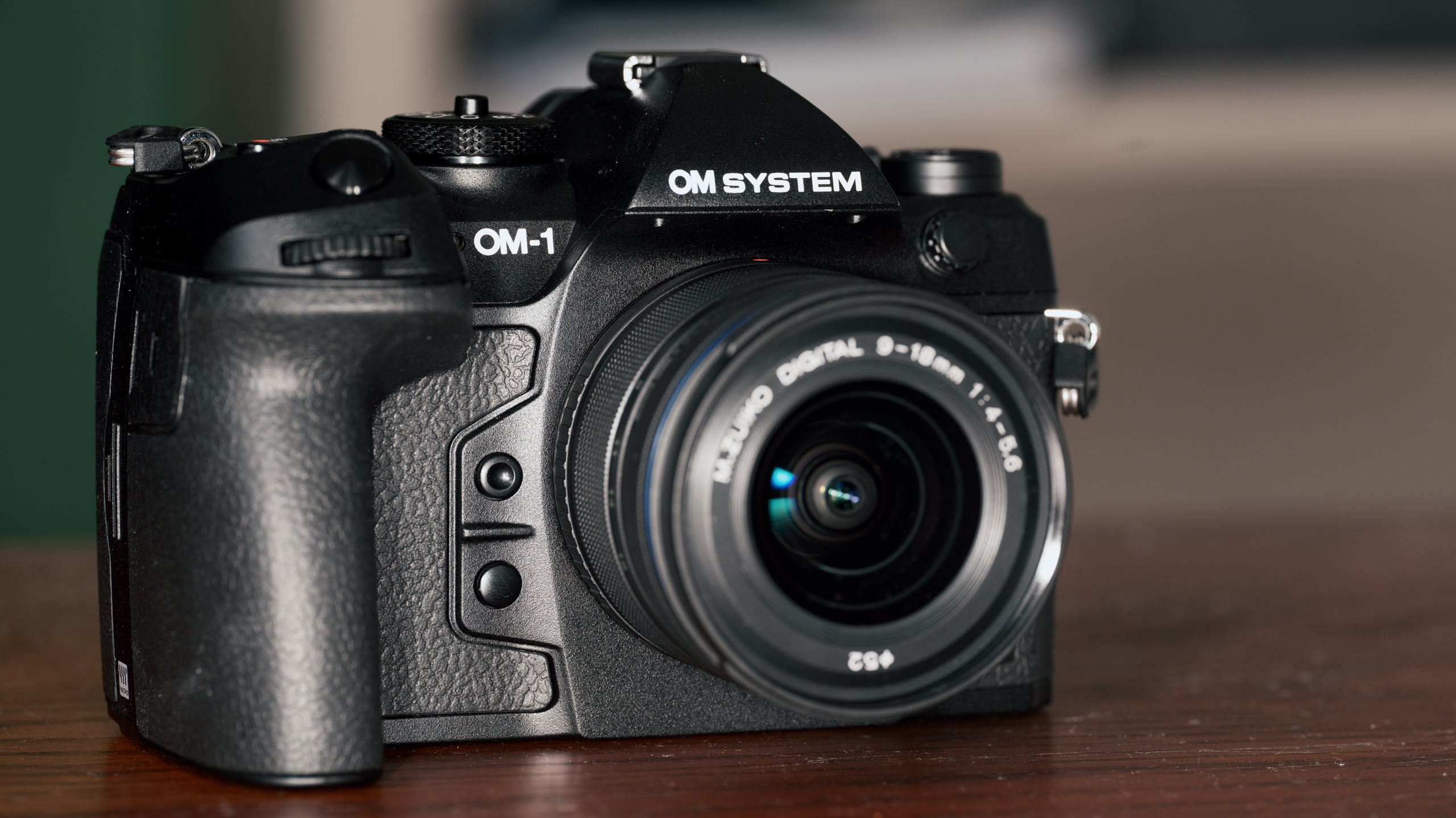
So if you already own an OM-1, the Mark II is a hard upgrade to justify on the sensor alone — the gains are in autofocus behaviour, buffer depth and the stabilisation rating, not image quality you’ll see on a print. This is a camera for someone coming up from older Olympus glass and bodies, or someone deliberately choosing the system, not a side-grade for last year’s owner. If you’re sitting on the original and the AF on birds has been frustrating you, that’s the one argument I’d entertain — everything else is too marginal to swallow another £2,000.
The buyer I’d hand it to
Give me a birder, a wildlife shooter, or a travel and mountain photographer who counts every gram in the bag, and I’d put the OM-1 Mark II in their hands without hesitation. The reach, the 8.5-stop stabilisation, the IP53 rating and that absurd 50fps tracking buffer add up to a kit that does things a heavier, pricier full-frame setup simply can’t match on a long day in bad weather. Buy it from OM System UK or a stockist like Park Cameras, budget for a long telephoto, and the system clicks into place.
But if you’re a low-light, shallow-depth, gallery-print photographer eyeing this because the body looks compact and clever — walk past, because you’ll spend your time fighting the sensor instead of using it. What would change my mind on that? A genuine resolution or high-ISO leap in the next generation. This one is for the people who already know exactly why they want the small sensor. For them, it’s close to ideal.
How we test
Buyer action
Where to buy or check next
Use this as the final check before ordering a phone, changing network or trusting a headline monthly price.





Reader discussion
Leave a comment
Comments are moderated. Keep it useful, accurate, and on topic.