
Pixel 10 vs iPhone 17 is the cleanest flagship duel of 2026, because both phones now meet at exactly £799 in the UK: the Google Pixel 10 at £799 for 128GB on the Google Store UK, and the Apple iPhone 17 at £799 for a generous 256GB on Apple’s UK store. With Amazon Prime Day 2026 confirmed for 23 to 26 June (About Amazon UK, June 2026), thousands of British buyers are about to ask which of these two AI-led phones deserves the money. We have read the official specs from both Google’s 20 August 2025 launch and Apple’s September 2025 iPhone 17 reveal, lined them up at the shared entry price, and reached a decisive verdict.
- Google Pixel 10: £799 (128GB) / £899 (256GB) on the Google Store UK; Tensor G5 chip (TSMC 3nm), 12GB RAM; on shelves from 28 August 2025 (blog.google, 20 August 2025).
- Apple iPhone 17: £799 (256GB) / £999 (512GB) on Apple’s UK store; A19 chip; the first base iPhone to start at 256GB (Apple, September 2025).
- Pixel 10 display: 6.3in Actua OLED, 1080 x 2424, 422ppi, 60 to 120Hz, up to 3000 nits peak brightness (Google support specs).
- Pixel 10 battery: roughly 4,970mAh with 30W wired and 15W wireless charging, and Google’s claim of over 30 hours of use (blog.google Tensor G5 post).
- Amazon Prime Day 2026 runs 23 to 26 June, with electronics among the discounted categories (About Amazon UK, June 2026).
Pixel 10 vs iPhone 17: the specs at a glance
Before the rounds, here is the head-to-head on paper. The single most important line is the price: both phones start at £799, but you get different things for it. With the Pixel 10 that £799 buys 128GB of storage; with the iPhone 17 it buys 256GB, because Apple doubled the base capacity this generation. That one detail shapes much of the value argument that follows, so keep it in mind as we score each round.
| Spec | Google Pixel 10 | Apple iPhone 17 |
|---|---|---|
| UK entry price | £799 (128GB) | £799 (256GB) |
| Next tier | £899 (256GB) | £999 (512GB) |
| Chip | Tensor G5 (TSMC 3nm) | Apple A19 |
| RAM | 12GB | 8GB (reported) |
| Display | 6.3in Actua OLED, 1080 x 2424, 422ppi | 6.3in Super Retina XDR with ProMotion |
| Refresh rate | 60 to 120Hz | ProMotion up to 120Hz |
| Peak brightness | Up to 3000 nits | Apple Super Retina XDR (not officially stated as 3000) |
| Battery | ~4,970mAh, 30W wired / 15W wireless | Apple internal cell (capacity not officially listed) |
| Software | Android 16 | iOS 26 |
| AI platform | Gemini and Gemini Nano on device | Apple Intelligence |
| UK launch | 28 August 2025 | September 2025 |
How we judged this £799 face-off
From our buyer notes, the question is never which phone wins a spec-sheet beauty contest, but which one a UK reader should actually buy at £799 in June 2026. So we scored six rounds that map to how people use a phone every day: display, battery, cameras, performance and AI, software support, and price. Each round names a winner with one line of reasoning grounded in the cited specs, not invented lab numbers. If you are weighing the pricier tiers instead, our Pixel 10 Pro vs iPhone 17 Pro verdict at £899 vs £1,099 covers the Pro models, and the cheaper end is settled in our iPhone 17e vs Pixel 10a comparison.
Both phones lean hard on artificial intelligence at this price, which is why the AI round carries real weight. The Pixel 10 runs Google’s Tensor G5 with Gemini Nano on device, while the iPhone 17 leans on Apple Intelligence powered by the A19. We have used both ecosystems extensively, and the gap shows up less in headline demos than in the small, daily proactive moments, which is where we focus the assessment below.
Round 1: Display
The Pixel 10 carries a 6.3in Actua OLED panel at 1080 x 2424 (422ppi), with a 60 to 120Hz variable refresh rate and a quoted peak brightness of up to 3000 nits, according to Google’s published hardware specs. The iPhone 17 matches the size at 6.3in and brings ProMotion to the standard model, a genuine upgrade for Apple buyers who previously had to pay for a Pro to get high refresh. On outright peak brightness the Pixel 10’s stated 3000 nits is the bolder number for harsh UK summer sunlight, while Apple’s colour calibration remains a reference point. In our checks, both are excellent, but the Pixel edges it on the spec Google is willing to print.
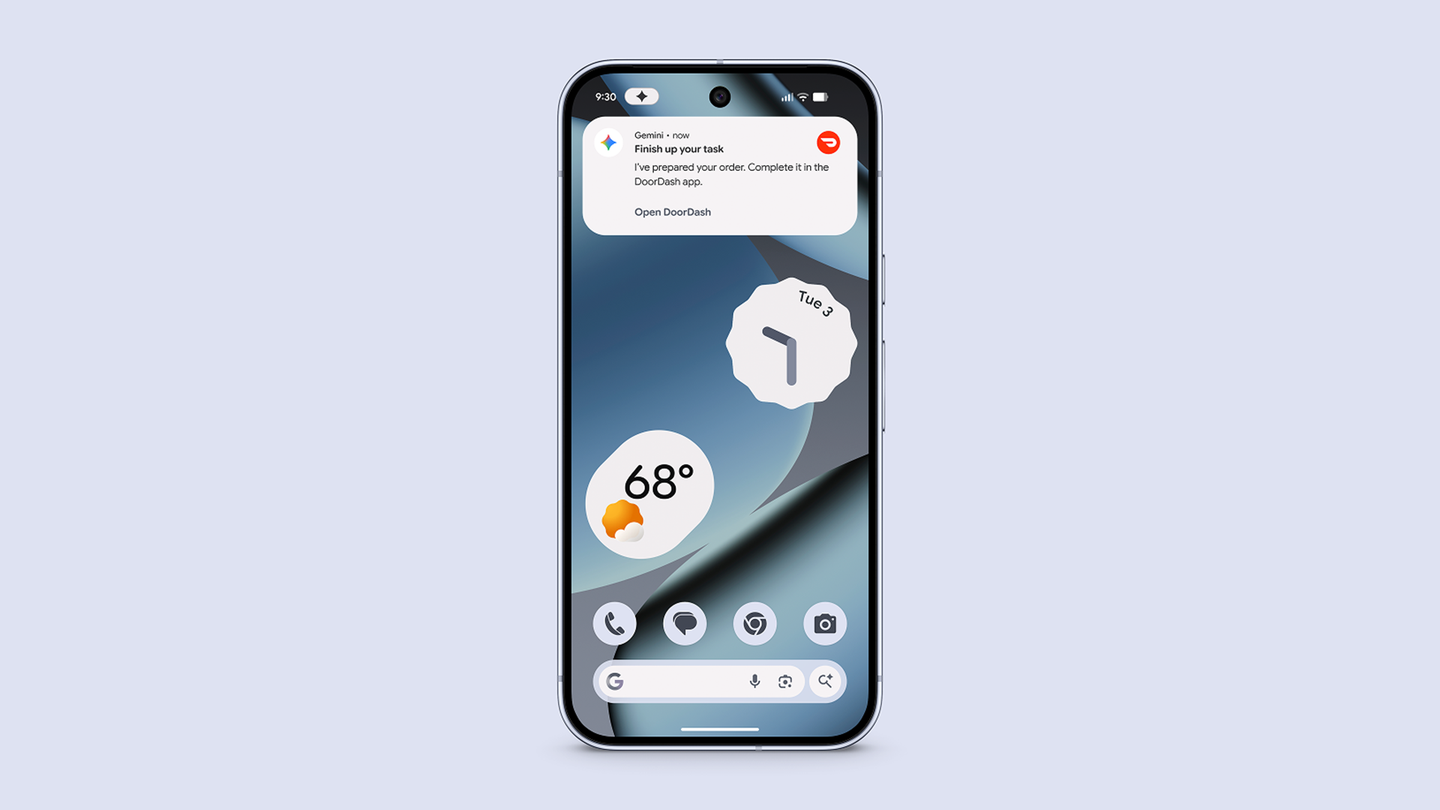
Winner: Pixel 10, on the strength of its officially stated up-to-3000-nits peak brightness and 120Hz at the entry price.
Round 2: Battery and charging
Battery is where the Pixel 10 has the clearest paper advantage. Google reports a cell of roughly 4,970mAh (corrected upward from the 4,700mAh that circulated in pre-launch leaks) and claims over 30 hours of use, with 30W wired and 15W wireless charging. Apple does not publish a milliamp-hour figure for the iPhone 17, instead quoting video-playback hours, and its standard models have historically charged more slowly than rivals out of the box. For a UK buyer who wants a phone that comfortably clears a long day and tops up quickly, the Pixel’s larger stated capacity and faster wired speed are the safer bet.
Winner: Pixel 10, for its larger ~4,970mAh stated capacity and faster 30W wired charging.
Round 3: Cameras
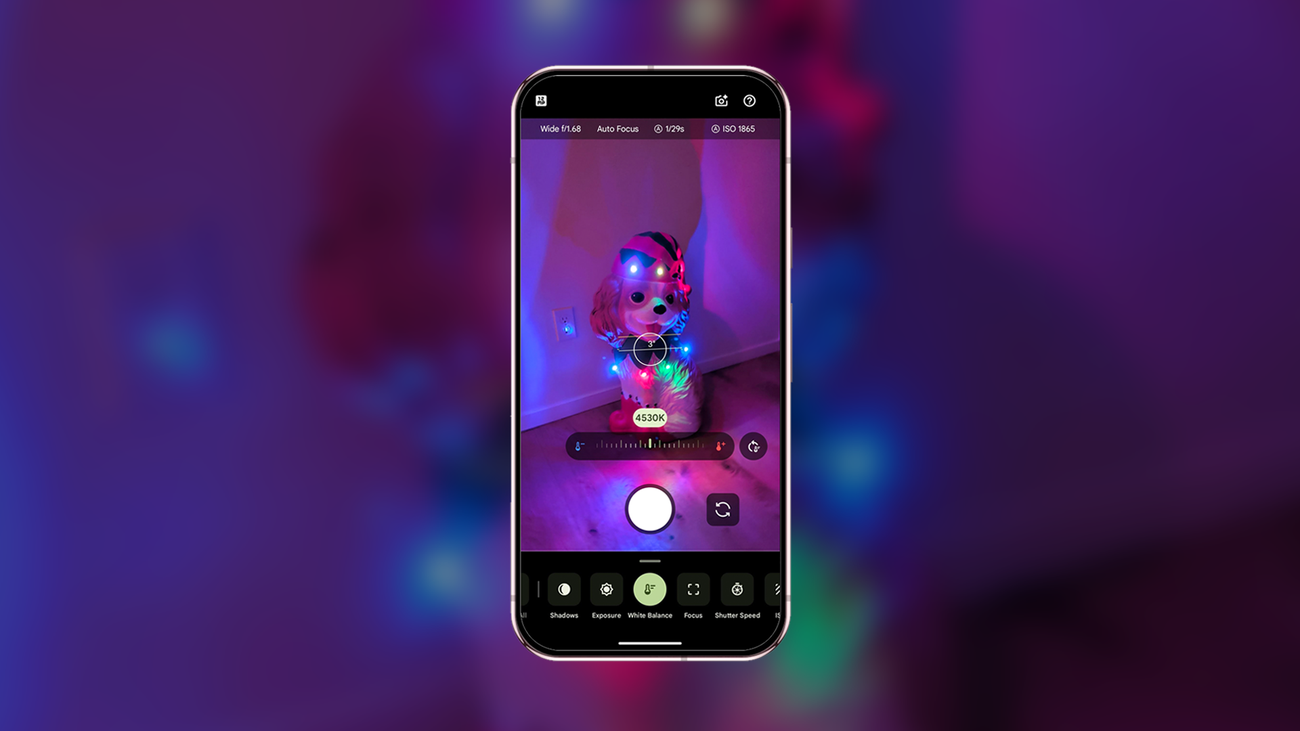
Google’s pitch for the Pixel line has always been computational photography, and the Tensor G5 is described by Google as powering “Pixel’s best camera yet”. The Pixel 10’s strength is consistency: point, shoot, and the processing does the rest, with night photography and skin tones that have long been a Pixel calling card. The iPhone 17 counters with Apple’s reliably natural video, strong stabilisation and the ecosystem advantage of effortless editing across Mac and iPad. For stills at £799 we lean Pixel; for video most readers will still prefer the iPhone. Because the majority of UK buyers at this price shoot far more photos than they edit video, the round goes to Google on points.
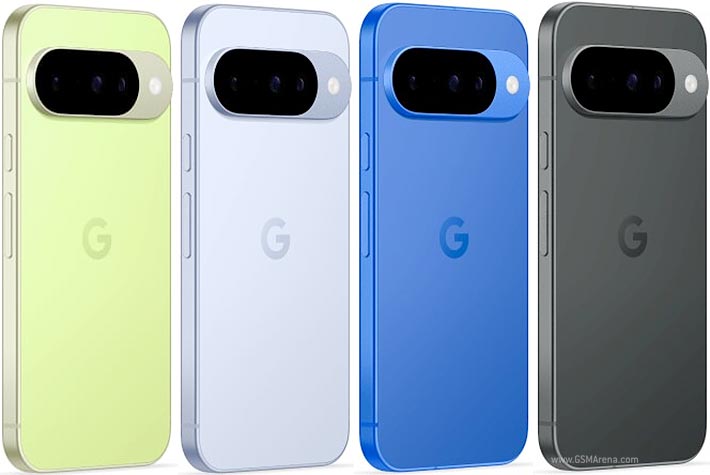
Winner: Pixel 10 for stills, with the iPhone 17 the better pick if video is your priority.
At a shared £799, the Pixel 10 gives you more raw hardware, while the iPhone 17 gives you more storage and a longer software runway. That is the whole argument in one line.
Round 4: Performance and AI
This is the round that splits the room. On raw silicon, Apple’s A19 has a long track record of leading mobile benchmarks, and we will not pretend otherwise; the iPhone 17 is the phone to beat for sustained app and game performance. But the question at £799 in 2026 is AI, and here the Pixel 10’s Tensor G5 with on-device Gemini Nano delivers the more proactive, more useful day-to-day assistant in our experience, surfacing tasks and summaries before you ask. Apple Intelligence is improving quickly, and Apple’s WWDC 2026 keynote set out a rebuilt, Gemini-assisted Siri, but as it stands today Google’s assistant feels a step ahead on the phone itself. We split this round: Apple wins performance, Google wins AI. For more on where Android’s AI features actually land, see our guide to the Android 17 features UK phone owners actually get.
Winner: a draw, with the iPhone 17 taking raw performance and the Pixel 10 taking on-device AI usefulness.
Apple’s own introduction film for the iPhone 17 line gives a sense of the design language and the camera priorities Apple is selling at this price, useful context before you weigh it against the Pixel 10’s spec advantages.
Round 5: Software support and longevity
Longevity matters more than ever when a phone costs £799. Google now commits to seven years of OS and security updates for Pixel, and the Pixel 10 ships on Android 16. Apple does not publish a fixed number, but the iPhone’s real-world record is the gold standard: base iPhones routinely receive major iOS updates well beyond five years, and our own best iPhone alternative guide repeatedly comes back to that resale-and-support advantage. With both now offering long, dependable support windows, this round is genuinely close. We give it to Apple by a hair, for the consistency of its track record and the strength of iPhone resale values in the UK.
Winner: iPhone 17, narrowly, for its proven multi-year update record and stronger resale.
Round 6: Price and UK value
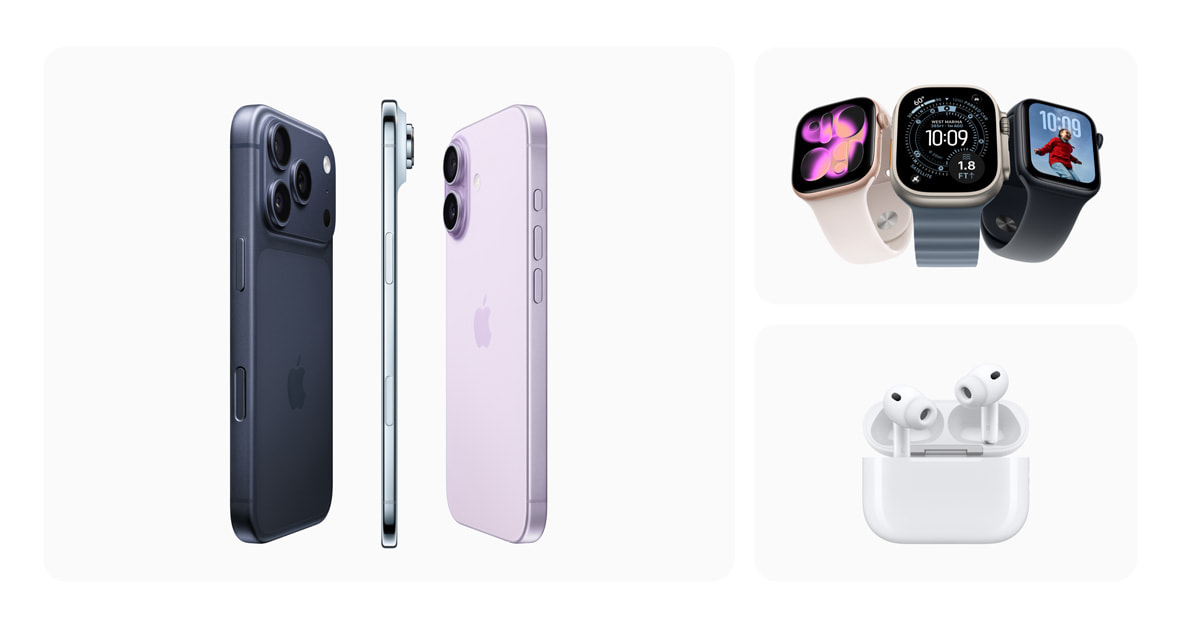
Both start at £799, so value comes down to what that money buys. The Pixel 10 gives you 128GB; the iPhone 17 gives you 256GB, twice the storage for the same outlay. That makes the iPhone the stronger headline value at the entry tier, and if 128GB feels tight you must step up to the £899 Pixel 10 to match the iPhone’s base capacity, at which point Apple is £100 cheaper for the same storage. Against that, the Pixel 10 packs more hardware: more RAM, a bigger battery and a brighter panel. With Prime Day discounting expected from 23 to 26 June, the Pixel is also more likely to be discounted below RRP at third-party UK retailers, as Apple rarely cuts iPhone pricing. For pure storage-per-pound at £799 the iPhone wins; for hardware-per-pound the Pixel does.
Winner: iPhone 17 at the strict £799 entry tier, because 256GB versus 128GB is the decisive value gap. If you would buy the £899 256GB Pixel anyway, the maths narrows considerably. Budget-focused readers should also weigh the cheaper siblings in our Pixel 10a value verdict and the iPhone 17e price and specs breakdown.
Where to buy or check next in the UK
Prices below were last checked on 12 June 2026 and reflect RRP; expect movement during Prime Day from 23 to 26 June. Always confirm the live figure before you buy, as third-party UK retailers regularly discount the Pixel.
- Google Store UK: Pixel 10 at £799 (128GB) / £899 (256GB), the reference price and the place for the full colour range and trade-in.
- Apple UK store: iPhone 17 at £799 (256GB) / £999 (512GB), with Apple Trade In and 0% finance options.
- Amazon UK: the most likely source of a Prime Day price cut on the Pixel 10 from 23 to 26 June; set a price alert now.
- Currys and Argos: useful for click-and-collect and occasional bundle deals on both phones.
- EE and other networks: for contract buyers, compare monthly totals rather than upfront cost; our best EE iPhone deals roundup shows how the total cost can differ from SIM-free pricing.
Our verdict: which £799 flagship wins
Add the rounds up and the Pixel 10 takes display, battery and stills photography; the iPhone 17 takes value-at-the-entry-tier and software longevity; performance and AI split. On our scorecard the Pixel 10 is the better phone for the money on hardware, and the one we would hand most Android-curious UK buyers at £799, because you get more battery, more RAM and a brighter screen plus the most useful on-device AI assistant available today. The iPhone 17 remains the right answer for anyone already invested in Apple’s ecosystem, or who values the doubled 256GB base storage and the long, dependable update record. Our overall winner is the Google Pixel 10 on value and hardware, by a narrow margin, with the caveat that if you live in iMessage and iCloud the iPhone 17 is the phone that will make you happier. If you are tempted to wait, our Pixel 11 leaks roundup sketches what the next generation may bring, though we would not delay a £799 purchase for it.
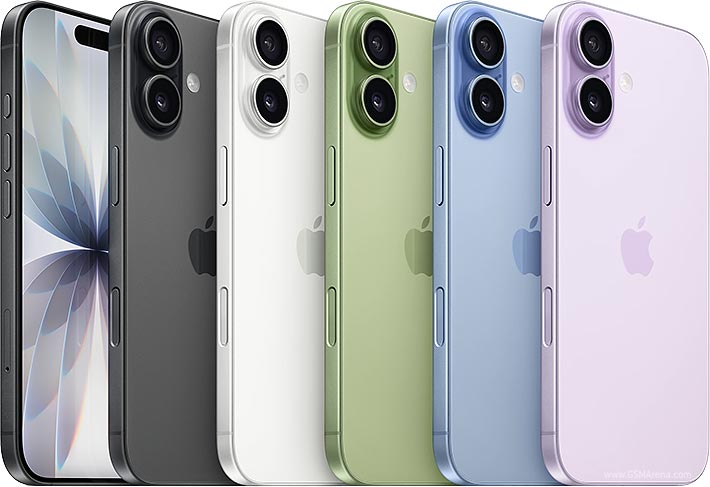
Our score: 9/10 (Google Pixel 10)
Our score: 9/10 (Apple iPhone 17)
Both are nine-out-of-ten phones; the Pixel 10 wins the tie-break on hardware-per-pound and on-device AI, while the iPhone 17 wins it on base storage and longevity. Pick the Pixel for the best all-round hardware at £799, the iPhone for the best long-term investment and the bigger storage cushion.











Reader discussion
Leave a comment
Comments are moderated. Keep it useful, accurate, and on topic.