
News · 22 Jun 2026 · Daniel Reid
Making Tax Digital for Income Tax goes live on 6 April 2026 for UK sole traders and landlords whose qualifying income tops £50,000, HMRC confirmed in its eligibility guidance on gov.uk. From that date, anyone caught by the threshold has to keep digital records, send HMRC four quarterly updates a year and file a Final Declaration through HMRC-recognised software. This is the biggest change to how the self-employed report income since Self Assessment moved online, and the start date is now weeks away, not years.
I want to be blunt about what this actually means, because the official messaging leans on the word “digital” and skates over the part that will sting: the deadline is fixed, HMRC will not move you onto the new system for you, and the threshold is measured on gross income, not profit. Here is what the rules say, who is in scope first, and the bit nobody puts on the leaflet.
The deadline in numbers
- Live from 6 April 2026 for sole traders and landlords with qualifying income over £50,000 (per gov.uk eligibility guidance).
- Phased down: over £30,000 from April 2027, over £20,000 from April 2028.
- Four obligations: keep digital records, send quarterly updates, file a Final Declaration, use HMRC-recognised software.
- “Qualifying income” is your combined self-employment and property turnover, before expenses, and it excludes PAYE wages and dividends.
- HMRC writes to you if your 2024 to 2025 Self Assessment shows you are over the line, but you must sign up yourself.
Who has to start on 6 April 2026
The first wave is narrow on paper and wide in practice. HMRC’s guidance is clear that the rules apply to sole traders and landlords registered for Self Assessment whose qualifying income from self-employment or property exceeded £50,000 in the 2024 to 2025 tax year. If you run a trade and let out a flat, the two income streams are added together, which catches plenty of people who think of themselves as comfortably under the threshold on either side alone.
HMRC has been writing to taxpayers it expects to be in scope, using the figures from your 2024 to 2025 return to flag that you must start by 6 April 2026. That letter is a heads-up, not an enrolment. The system does not switch you over automatically: you, or your accountant acting for you, have to sign up for the service before the deadline. Miss that step and you are still legally obliged to comply from day one, letter or no letter.
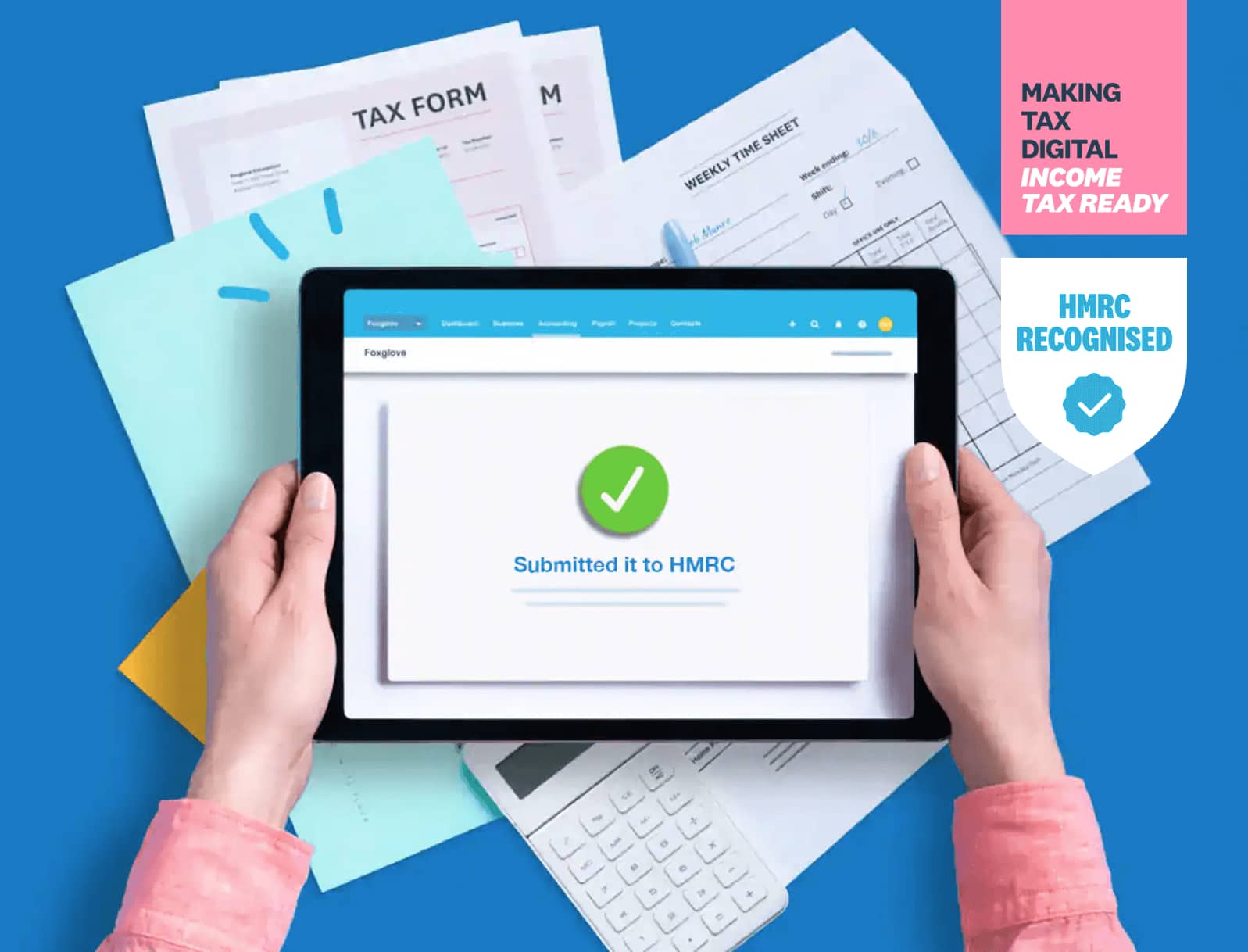
What Making Tax Digital actually requires
Strip away the branding and there are four moving parts. First, digital records: you log income and expenses in software rather than a shoebox or a spreadsheet you tally up once a year. Second, quarterly updates: every three months you send HMRC a running summary of that income and expenditure through the software. Third, a Final Declaration after the tax year ends, which replaces the familiar Self Assessment tax return and is where reliefs, allowances and any other income are reconciled. Fourth, the software itself has to be HMRC-recognised, because the updates are filed directly through it rather than typed into the gov.uk portal.
The recognised-software list is the practical hinge here. Mainstream accounting packages including Xero, QuickBooks and FreeAgent are on HMRC’s recognised list for Making Tax Digital for Income Tax, and HMRC publishes the full set of approved products on gov.uk. If you already run your books through one of those, the lift is smaller. If you have been doing everything by hand, the cost is not just the subscription, it is the habit of recording as you go. For a wider look at the options, MobileTechWorld’s roundup of the best accounting software for UK sole traders walks through what each package does and where the free tiers stop.
The bit nobody puts on the leaflet
Here is what the cheerful “go digital” framing glosses over. The £50,000 threshold is measured on qualifying income, which is turnover before you take a penny of expenses off. A landlord grossing £52,000 in rent who hands most of it straight back out in mortgage interest, agent fees and repairs is in scope, even if the actual profit is a fraction of that. A sole trader with high material costs is in the same boat. Plenty of people who would never describe themselves as earning fifty grand will get the letter, because HMRC is looking at the top line, not what lands in your account.
The threshold is gross income, not profit, so a landlord nowhere near £50,000 of actual earnings can still be dragged in. That is the trap.
The second quiet cost is the rhythm. Self Assessment asked for one return a year. Making Tax Digital asks for four quarterly updates plus the Final Declaration, so five touchpoints where there used to be one. None of them is individually onerous if your records are clean, but they only stay clean if you keep them up to date through the year, which is precisely the discipline most occasional filers do not have. The real change is not the technology, it is being forced into a quarterly cadence whether your business runs that way or not. If you are already weighing up business software more broadly, MobileTechWorld’s look at Microsoft 365 Copilot Chat for UK small business and the wider HMRC and Microsoft tax-system tie-up are worth a read for where this is all heading.

What to do next
If you think you might be caught, the sequence is straightforward. Check your 2024 to 2025 qualifying income first: add your self-employment turnover to your property turnover, before expenses, and see whether the combined figure clears £50,000. If it does, expect or chase the HMRC letter confirming your start date, but do not wait for it before acting, because the obligation stands regardless. Choose an HMRC-recognised product next: Xero, QuickBooks and FreeAgent are all on the list, and the right one depends on how you already work rather than on price alone.
Then start keeping digital records now, ahead of the April start, so the first quarterly update is a formality rather than a scramble. If your affairs are even slightly complicated, joint property, multiple trades, a mix of income, it is worth talking to an accountant before April rather than after your first deadline slips. And if you are signing up for new software anyway, give some thought to the basics around it: a reliable connection, sensible backups and, for anyone handling client or tenant data on the move, one of the best VPNs for UK users and a solid home Wi-Fi mesh setup so the quarterly filing day is not the day your broadband chooses to fall over.
Where I come down on it
My read is that the policy is fixed and the date is real, so the only sensible move is to get ahead of it rather than argue with it. The thing to watch between now and 6 April 2026 is whether HMRC’s letters actually reach everyone they should, because a system that relies on you signing yourself up will leave a tail of people who never got the nudge and find out the hard way. Treat the £50,000 line as a gross-income line, not an earnings line, check your own numbers before you assume you are safe, and pick your software on how it fits your books. The deadline will not move. Make sure you do.
Buyer action
Where to buy or check next
Use this as the final check before ordering a phone, changing network or trusting a headline monthly price.










Reader discussion
Leave a comment
Comments are moderated. Keep it useful, accurate, and on topic.