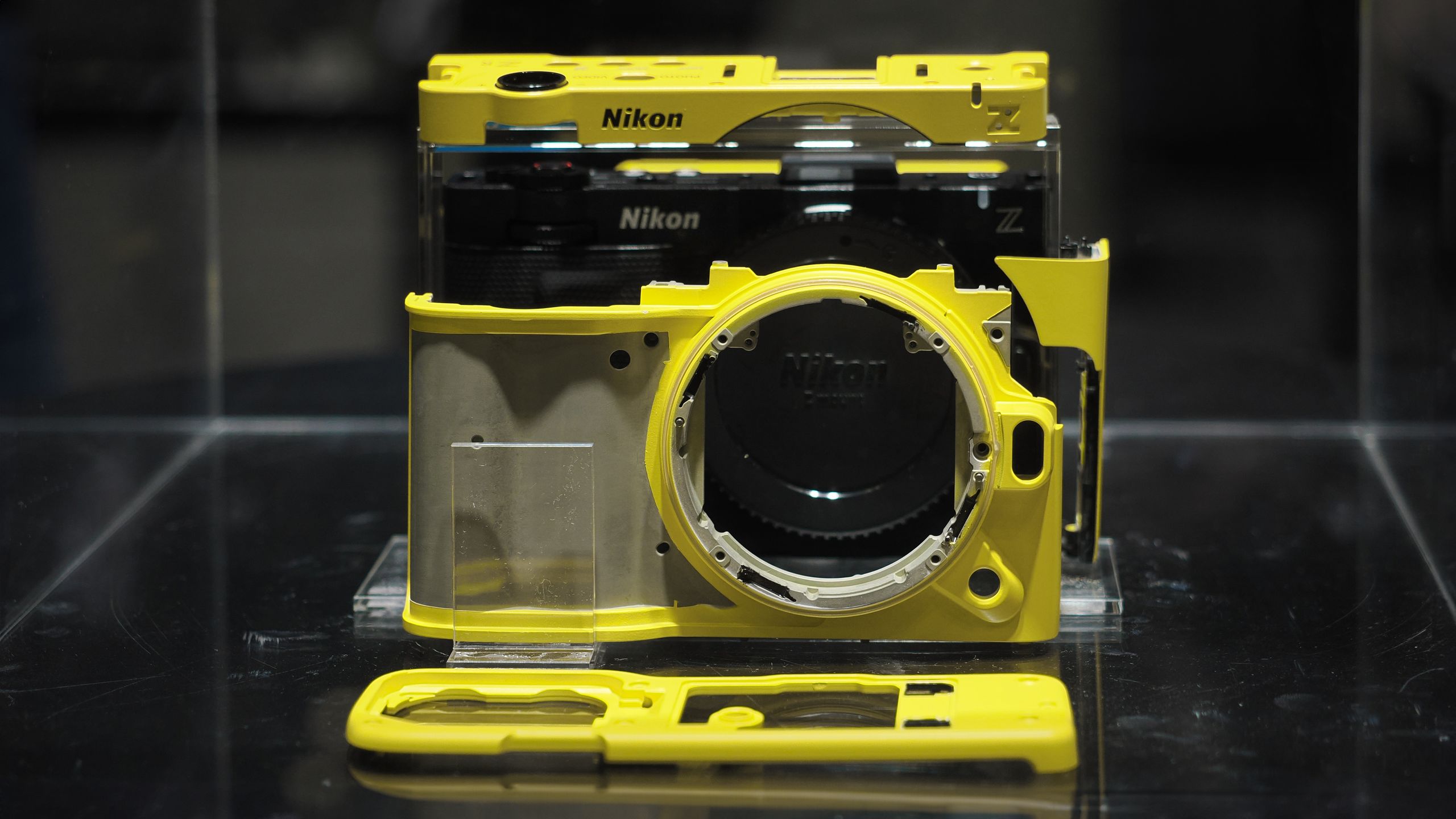
Refurbished and second-hand pro cameras are the smart opening move for UK creators in 2026 — and the clearest proof is the price: a full-frame Canon EOS 5D Mark III now starts at £184 used, against more than 154,000 used cameras listed across 43 British retailers. Those figures come from a market survey published by UsedLens on 10 April 2026, and the buyers driving it aren’t skint students. They’re working creators — the sort who shoot weddings on Saturdays and corporate reels on Tuesdays — deliberately walking past the shiny new bodies.
The short answer: buy a record-cheap used DSLR (a 5D Mark III at £184, a Nikon D750 at £239) for backup, second-angle and crash-cam duty, where the warranty barely matters. For the camera that earns your money, buy a manufacturer-refurbished mirrorless with its warranty — Canon UK sells the EOS R6 refurbished with a two-year warranty — and treat a private four-figure mirrorless sale with suspicion. Used DSLRs are cheap because they’re end-of-line; that’s a bargain for a specific job now, not a foundation for the 2030s.
That’s the distinction that matters. “Buy used, save money” is the lazy version of this story and it’s wrong in the ways that count. Refurbished is obviously cheaper. The real question is where it makes sense — and where it quietly costs you more than buying new ever would.
The maths that changed underneath everyone (refurbished pro cameras)
DSLRs have hit record-low prices. A Canon EOS 5D Mark III — a camera that shot magazine covers and broadcast documentaries for the best part of a decade — now starts at £184. A Nikon D750 starts at £239. Canon alone accounts for roughly 24% of every listing in the country, so if you shoot Canon glass, the depth of the second-hand pool is working in your favour.
Sit with the £184 figure for a second. That is a full-frame professional body for less than a mid-range pair of headphones. For a creator who needs a reliable second camera for a multi-cam interview setup, or a backup that lives in the boot for the day everything goes wrong, that price isn’t a bargain — it’s a rounding error against a single paid shoot.
But the same report draws the line I’d want any creator to read twice: mirrorless holds its value far better. A Canon EOS R5 still starts at £1,279 used; a Sony A7 III at £611. The depreciation that makes a 5D Mark III a steal is exactly what stops the modern mirrorless bodies collapsing in price. You’re not getting a flagship mirrorless system for DSLR money, and anyone telling you otherwise is selling something.
The DSLR isn’t cheap because it’s broken. It’s cheap because the market moved on — and for a lot of paid work, the market overshot.
Why “refurbished” and “used” aren’t the same purchase
This is the distinction creators keep blurring, and it determines whether you sleep well after spending the money. A private second-hand sale is a gamble with no safety net. A manufacturer-refurbished body is a different product entirely.
Canon UK runs its own certified refurbished store, where, by Canon’s own account, bodies are restored by its team, ship with their accessories — some of which may themselves be used — and carry a two-year warranty. That last point is the whole argument. A camera that earns its keep will, eventually, fail mid-job; the difference between a private-sale gamble and a Canon refurb is whether that failure is your problem or theirs for the length of that cover.
The refurbished line-up is a mixed bag by design — at the time of writing it has spanned the entry-level EOS 4000D, the premium PowerShot G1 X Mark III compact, the original EOS R, and the body I’d actually point a working creator towards: the EOS R6. Full-frame 20MP, 4K 60p video and Canon’s in-body stabilisation, sold refurbished with the same warranty cover. That is a genuinely capable hybrid stills-and-video body, not a museum piece, arriving through the front door with a warranty stapled to it.
Canon also leans into this periodically with price, running discounts on selected refurbished cameras and lenses — the kind of window that turns an R6 from “sensible” into “buy it now”. These promotions come and go without much warning, so if you’re circling a specific body, watch the refurbished store directly rather than the new-product pages, and take the headline price the day you see it.
Where I’d actually spend, and where I wouldn’t
Here’s my position, and it isn’t a fence-sit. If you need a body to support your main camera — a second angle, a crash cam, a loaner for a second shooter, a DSLR to learn manual on without crying over the price tag — the used DSLR market in 2026 is the best deal British creators have ever had. At £184 for a 5D Mark III, buying new would be a failure of nerve, not prudence. Buy used, pocket the difference, spend it on glass that will outlive three camera bodies.
If that body is your primary earner — the camera that has to deliver client work flawlessly, day in, day out — then I’d narrow the field hard to a manufacturer-refurbished mirrorless with the warranty, and I’d treat a private second-hand sale of an expensive mirrorless body with real suspicion. The maths that makes a used R5 “only” £1,279 cuts both ways: spending four figures with no warranty and no provenance, on a camera whose shutter count and water exposure you cannot verify, is where the savings story turns into a liability story.
And there’s a quieter trap. The DSLR prices are low because these are end-of-line systems. The lenses, the batteries, the third-party support — all of it is in slow retreat. A 5D Mark III as a workhorse for the next decade is a bet against the entire industry’s direction of travel. As a cheap, brilliant, do-a-specific-job tool now, it’s superb. As the foundation you build a business on for the 2030s, I wouldn’t.
The bit that would change my mind
What would push me from refurbished-Canon to new? Two things. Workflow lock-in — if you’re shooting high-volume video and need the latest autofocus, codecs and overheating fixes that only the current generation delivers, the refurb saving evaporates against lost time on set. And tax: for a UK creator running as a business, a new body is a clean capital purchase with a clear paper trail, and that simplicity has a value the spreadsheet doesn’t always show.
For everyone else — and that’s most working creators I know — the move in 2026 is unglamorous and correct. Let someone else eat the depreciation. Buy the refurbished R6 with the warranty for the work that has to land, keep a record-cheap used DSLR in the bag for everything else, and put the money you saved where it actually compounds: into lenses, lights and the time to learn them. The cameras have never been better value in this country. The trick is knowing which kind of better value you’re actually buying.
How we pick
Buyer action
Where to buy or check next
Use this as the final check before ordering a phone, changing network or trusting a headline monthly price.













Reader discussion
Leave a comment
Comments are moderated. Keep it useful, accurate, and on topic.