Quick picks
- What Making Tax Digital actually asks of you in 2026
- The best accounting software for UK sole traders: real GBP pricing, vendor by vendor
- Xero: the one I would buy if the business is going somewhere
- QuickBooks: the sharpest entry price, with one trap
- FreeAgent and Sage: where free actually means something
The best accounting software for UK sole traders in 2026 is the one that quietly files what HMRC now demands, and on that score Making Tax Digital has just rewritten the brief. From 6 April 2026, sole traders and landlords with qualifying income above £50,000 must keep digital records and send quarterly updates, according to HMRC’s guidance page “Find out if and when you need to use Making Tax Digital for Income Tax” on gov.uk (thresholds last checked 19 June 2026). I have gone carefully through the current UK plans from Xero, QuickBooks and FreeAgent, with a nod to Sage, to work out which one I would actually pay for, and which I would walk past. Prices below are last checked: 2026-06-19.
At a glance
- MTD for Income Tax starts 6 April 2026 for self-employed income above £50,000, then £30,000 from April 2027 and £20,000 from April 2028 (gov.uk).
- Xero Ignite is £16 a month plus VAT; Grow £33; Comprehensive £47; Ultimate £59.
- QuickBooks Sole Trader Plus is £10 a month plus VAT, but you need Simple Start at £16 plus VAT if you are VAT-registered.
- FreeAgent is £19 a month plus VAT for sole traders, and free if you bank with NatWest, Royal Bank of Scotland, Ulster Bank or Mettle.
- All four are recognised by HMRC for MTD; recognition means compatible, not best value. Always check with HMRC or an accountant.
What Making Tax Digital actually asks of you in 2026
Let me deal with the deadline first, because it drives everything else. HMRC’s page “Find out if and when you need to use Making Tax Digital for Income Tax” sets a phased start: from 6 April 2026 if your qualifying income from self-employment and property topped £50,000 in the 2024 to 2025 tax year, from 6 April 2027 if it was over £30,000, and from 6 April 2028 if it was over £20,000. You do not start until after you have filed your first relevant Self Assessment return, and HMRC says it will write to those affected. This is not optional record-keeping. It means digital records and quarterly updates filed through compatible software, which is precisely why the right tool matters now and did not a year ago.
The word that does the heavy lifting is “recognised”. HMRC keeps a software finder on its page “Choose the right software for Making Tax Digital for Income Tax”, and it removed the old plain-text list on 31 July 2025 in favour of that tool. Recognition means the software has passed HMRC’s technical testing for MTD, nothing more. It is not a quality badge and certainly not a value judgement, so do not let a vendor wave the word at you as if it settles the argument. Xero, QuickBooks, FreeAgent and Sage all clear that bar. The real question is which of them is worth your money, and that is where I can be useful. If your affairs are at all complicated, treat what follows as a buying guide, not tax advice, and check the detail with HMRC or an accountant.
The best accounting software for UK sole traders: real GBP pricing, vendor by vendor
Here is what the three big names charge right now in the UK, taken from xero.com, quickbooks.intuit.com/uk and freeagent.com. Every figure is a monthly price and, in the way of accounting software, quoted before VAT. Introductory discounts come and go, so I have listed the standard rate you settle into, which is the number that matters over a year.
| Vendor and plan | Monthly price (ex VAT) | MTD for VAT | MTD for Income Tax | Best for |
|---|---|---|---|---|
| Xero Ignite | £16 | Yes | Yes | Sole traders who want room to grow |
| Xero Grow | £33 | Yes | Yes | Busier traders, more bills and invoices |
| Xero Comprehensive | £47 | Yes | Yes | Multi-currency, projects, analytics |
| QuickBooks Sole Trader Plus | £10 | No | Yes | Non-VAT sole traders watching the pennies |
| QuickBooks Simple Start | £16 | Yes | Yes | VAT-registered sole traders |
| QuickBooks Essentials | £38 | Yes | Yes | Those needing multiple users |
| FreeAgent (sole trader) | £19, or free with eligible bank | Yes | Yes | NatWest, RBS, Ulster or Mettle customers |
| Sage Individual | Free | n/a | Yes | Basic self-employed records only |
A note for anyone tempted by a headline figure they spotted in dollars on a US comparison page: ignore it. The numbers above are the UK pounds-and-pence prices. Where a vendor only quotes a USD figure for an add-on, treat any converted number as approximate, because exchange rates and VAT will move it. The pricing that binds you is the UK plan price on the vendor’s own British site, and that is what I have used throughout this guide aimed at UK small businesses.
Xero: the one I would buy if the business is going somewhere
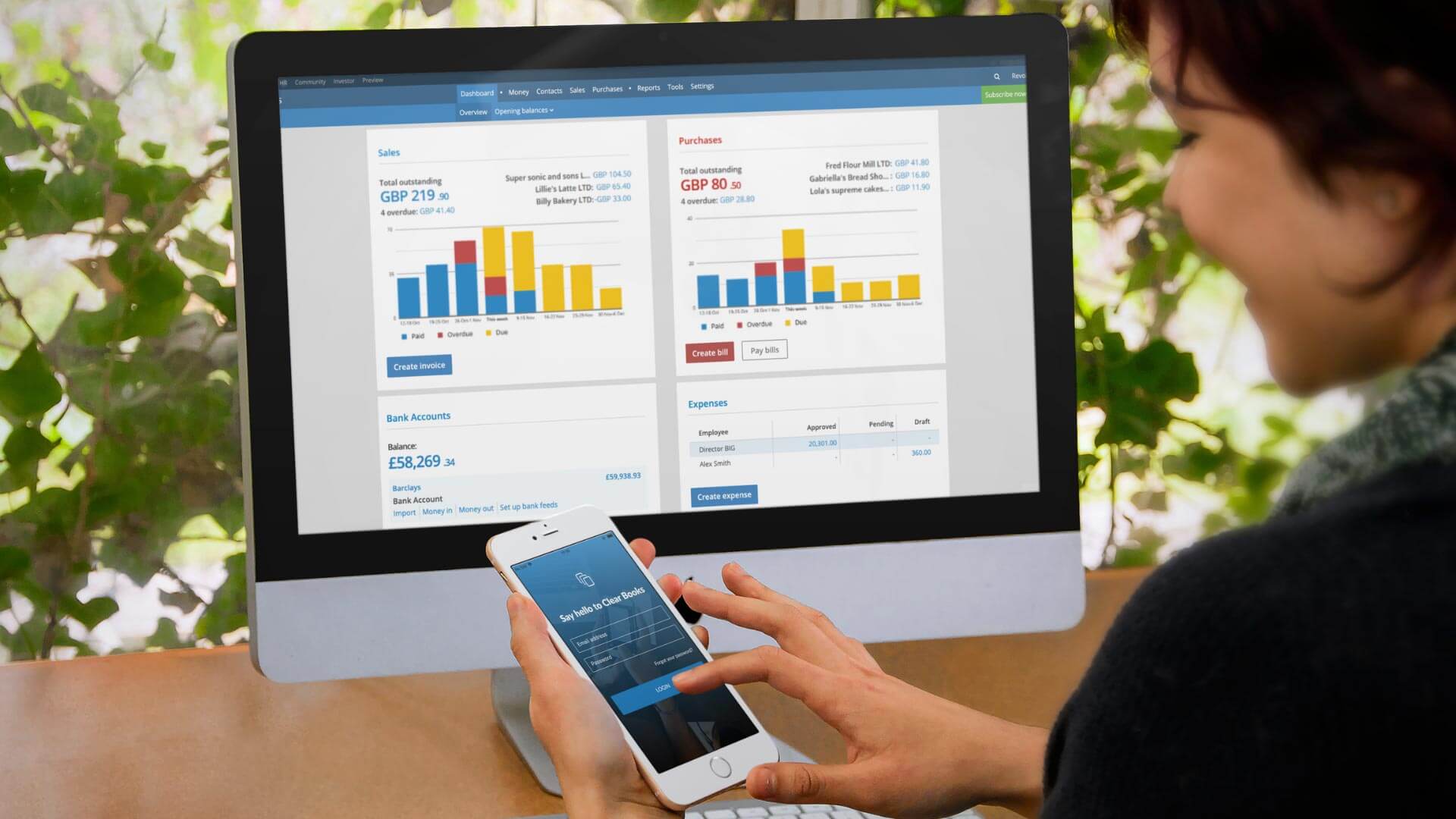
Xero Ignite at £16 a month plus VAT is the plan most sole traders will land on, and it covers MTD for VAT and MTD for Income Tax out of the box. What you are paying for, over and above the filing, is headroom. Its bank feeds are well regarded, the mobile app is built for reconciling on the move, and the moment you take on a contractor or start juggling more invoices, stepping up to Grow at £33 is a simple plan change rather than a migration. That is the value case I keep coming back to: you are not buying this month’s compliance, you are buying the next three years without changing horses.
The catch is that Xero charges for capacity you may not use yet. If you are a one-person trade with a handful of invoices a month, £16 plus VAT for Ignite buys polish you will not fully exploit, and £33 for Grow is frankly more than a quiet sole trader needs. I would spend the Grow money on Ignite and pocket the difference until the work justifies the upgrade. Xero is the premium pick, and like most premium picks it rewards people who will grow into it rather than those who just want a quarterly update filed.
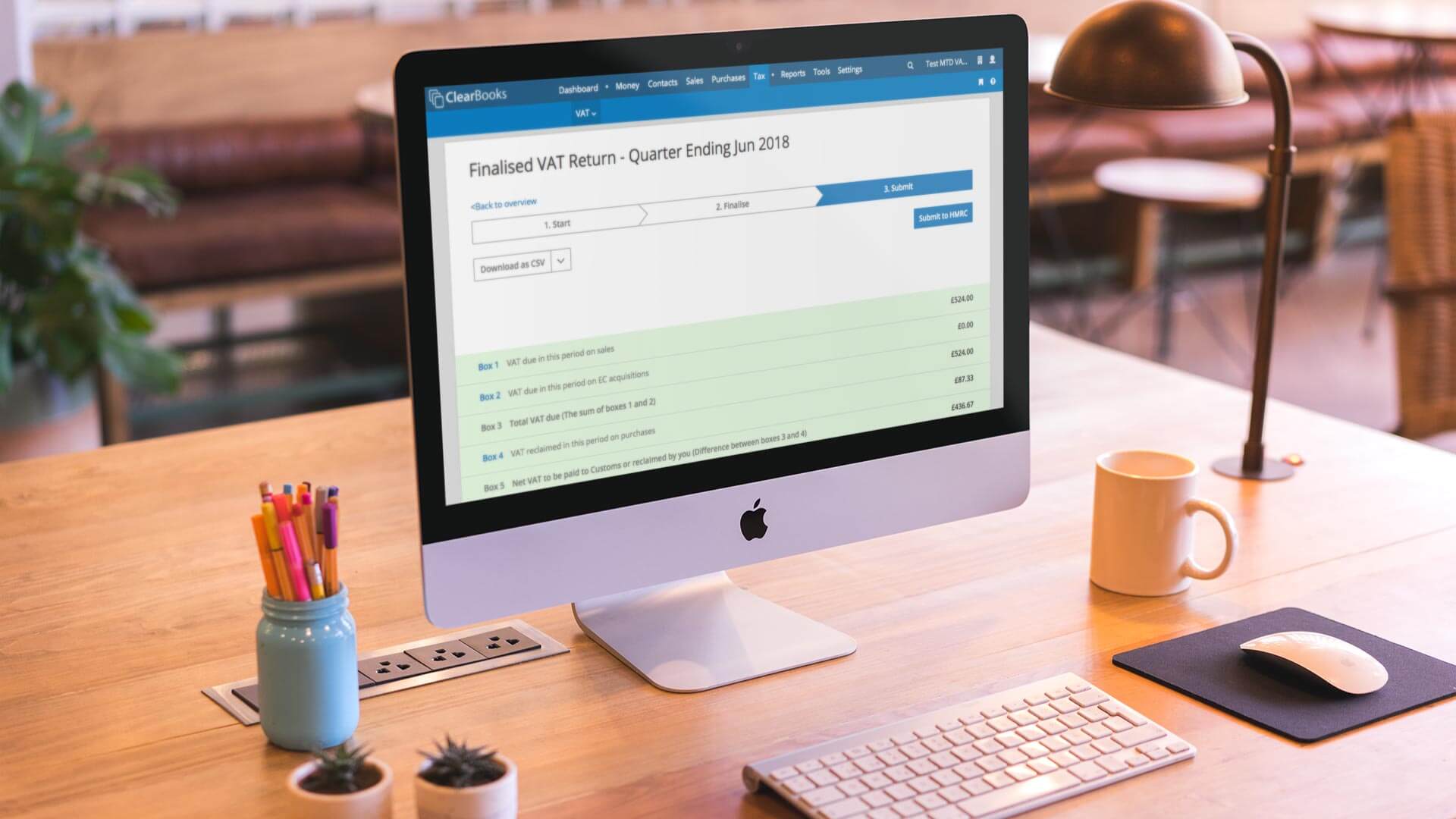
Recognised by HMRC means the software files correctly. It says nothing about whether it is worth your money, and that is the only question this guide cares about.
QuickBooks: the sharpest entry price, with one trap
QuickBooks has the most interesting entry point for the MTD wave. Its Sole Trader Plus plan is £10 a month plus VAT and is built precisely for self-employed people who need to meet MTD for Income Tax without the full ledger. For a non-VAT trade with simple affairs, that is the keenest mainstream price on the table, and the interface is reassuringly plain. The trap is VAT. Sole Trader Plus does not submit VAT returns, so the moment you cross the VAT registration threshold you must move up to Simple Start at £16 plus VAT. Mistime that and you are scrambling to file a VAT return on a plan that cannot do it.
So I would frame QuickBooks like this. If you are confident you will stay below VAT registration, Sole Trader Plus is the value play and I would happily recommend it. If VAT is on your horizon, do not anchor to the £10 figure, because your real price is the £16 Simple Start plan, which puts it level with Xero Ignite. Once you are comparing like for like at £16, the choice becomes about which interface you prefer, and that is a genuinely personal call. The same logic of paying for what you will actually use runs through every honest small-business software decision I make.
HMRC’s own channel is worth a few minutes before you commit, because the sign-up mechanics are not always obvious. The official clip below walks through registering for the service.
None of this replaces proper advice. If your income sits near a threshold, or you have property income on top of a trade, the cost of an hour with an accountant is trivial next to the cost of getting the registration date wrong, and I would treat that conversation as part of the software budget, not separate from it.
FreeAgent and Sage: where free actually means something
FreeAgent is the plan that can quietly cost you nothing. At £19 a month plus VAT for sole traders it is the dearest standalone option here, but it is free if you bank with NatWest, Royal Bank of Scotland, Ulster Bank or Mettle, because those banks bundle it with eligible business accounts. If you already hold one of those accounts, this is the easiest decision in the whole guide: you get HMRC-recognised MTD for VAT and Income Tax, a tidy tax timeline that counts down to your deadlines, and you pay nothing extra. I would not switch banks just to get it, but if you are already there, taking it is close to a no-brainer.
Sage deserves a mention for the genuinely cash-strapped. Sage Individual is a free, web-based tool aimed at self-employed people who need MTD for Income Tax and not much else. It is deliberately basic, there is no VAT submission and none of the polish of the paid suites, but if your trade is small and uncomplicated and you simply need to satisfy the quarterly-update rule, free and recognised is a perfectly respectable place to start. You can always graduate to a paid plan when the work, and the paperwork, grows. The same principle applies to other tools UK businesses lean on: start with what clears the job, upgrade when it stops.
A word of caution on the free routes. “Free” software still needs your time, and a tool that saves you an hour a week is worth real money even if it carries a price tag. Weigh the £16 or £19 against the admin it removes, not against zero, in the same way you would weigh any recurring subscription against the hours it buys back. That is the calculation that separates a cost from an investment.
Where I would put my money
Here is the plain version, because you came for a verdict, not a shrug. If you bank with NatWest, RBS, Ulster Bank or Mettle, use FreeAgent and pay nothing; it is HMRC-recognised, it does VAT and Income Tax, and free that is this capable is not an offer you turn down. If you are a non-VAT sole trader watching every pound, QuickBooks Sole Trader Plus at £10 a month plus VAT is the keenest mainstream entry, just diarise the VAT threshold so you are not caught out. If you are VAT-registered or you can see the business growing, I would buy Xero Ignite at £16 a month plus VAT and never look back, because it is the one that scales without a painful migration later.
Who should ignore me? Anyone whose income sits awkwardly across the MTD thresholds, or who has property income tangled in with a trade. For you the few pounds of monthly software is a rounding error next to getting the timing and the registration right, so spend the money on an accountant first and let them tell you which package they want to see your records in. For everyone else, the spread is narrower than the marketing suggests: at £16 a month Xero Ignite and QuickBooks Simple Start are doing the same compliance job, and at £0 FreeAgent or Sage will keep HMRC happy if your needs are modest. Pick on fit, not fear, and check the final detail with HMRC or an accountant before you commit. If you want the wider context on how UK firms are budgeting for software this year, my look at tools for UK small business and my comparison of the assistants worth paying for make useful companions to this one.
How we pick
Buyer action
Where to buy or check next
Use this as the final check before ordering a phone, changing network or trusting a headline monthly price.













Reader discussion
Leave a comment
Comments are moderated. Keep it useful, accurate, and on topic.