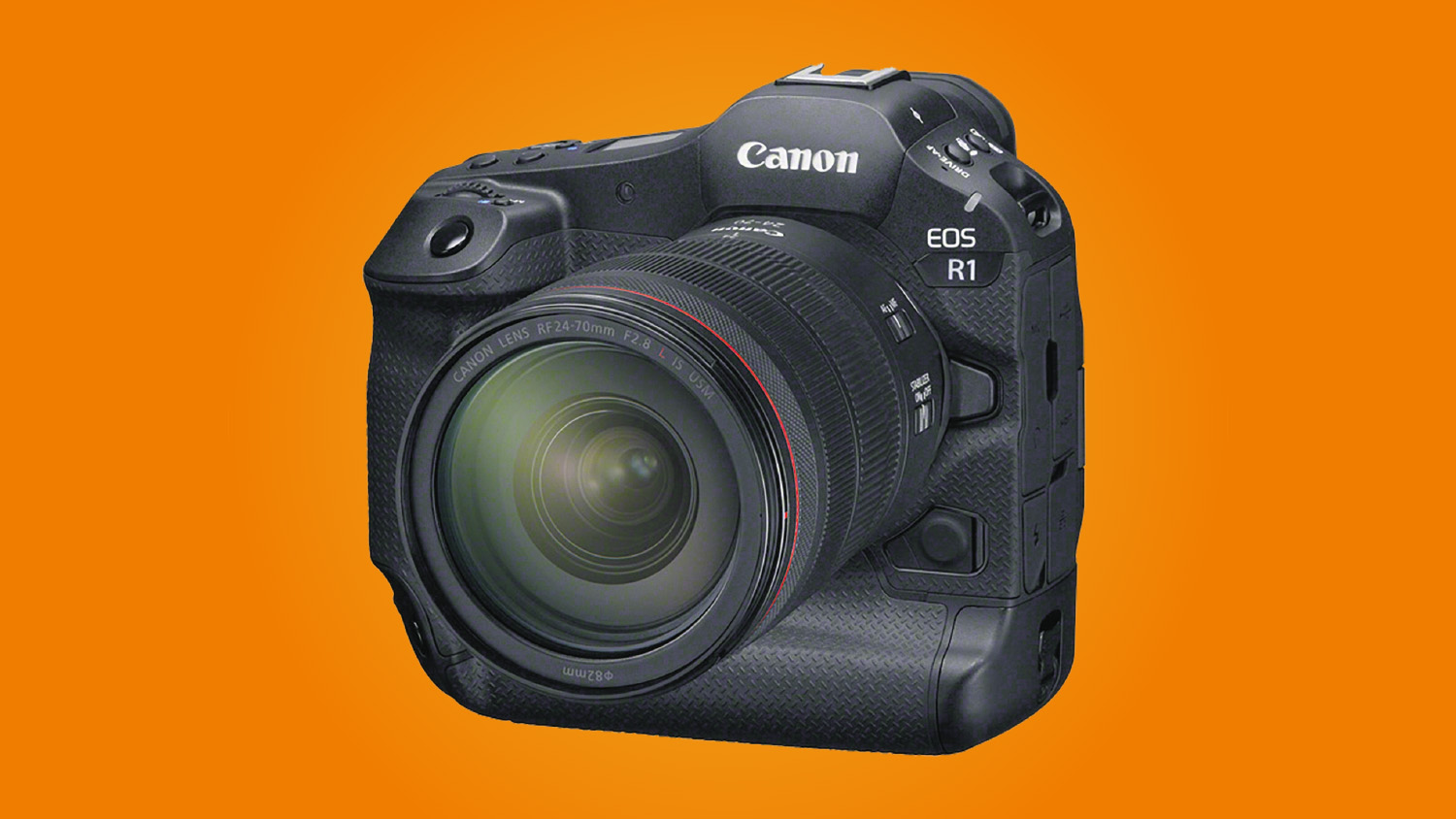
Canon EOS R1 review in 2026: is the £6,799 flagship justified for UK pros?
The Canon EOS R1 asks UK pros for £6,799 body-only. A 2026 review of whether the 24.2MP speed flagship is worth it, and who should buy the R5 II instead.
The Canon EOS R1 is worth its £6,799 to £6,999 body-only price for one specific buyer: the working sports, wildlife or news photographer who lives or dies on never missing the frame. For everyone else, it is the wrong cheque to write. Nearly seven grand for 24 megapixels sounds like a provocation, and it is meant to: the R1, first unveiled in July 2024 and still topping the EOS R line in 2026, hands UK pros fewer pixels than their phone counts in its marketing. That single fact is where every honest conversation about this camera has to begin.
So let me be plain about my position before I unpack the spec sheet: the R1 is not a camera you buy because the numbers look generous. It is a camera you buy because, for a specific kind of working photographer, those numbers are exactly the right ones, and almost nobody outside that group should be writing the cheque.
The short answer: the Canon EOS R1 pairs a 24.2MP stacked full-frame sensor with 40fps continuous shooting, 6K RAW video, a 9.44M-dot viewfinder and dual CFexpress Type B slots, for £6,799 to £6,999 body-only in the UK. It scores 9.1/10 for the action photographer it was built for, and closer to 6/10 for anyone whose subjects sit still. The 24-megapixel count is the point, not a compromise.
Why 24.2 megapixels is the point, not the compromise (Canon EOS R1)
The R1 is built around a 24.2MP full-frame back-illuminated stacked CMOS sensor. On paper that reads like a step backwards next to the 45MP-and-up bodies Canon will happily sell you elsewhere. In practice, the restraint is deliberate. A lower pixel count on a stacked sensor means each photosite is larger, the readout is brutally fast, and the files stay manageable when you are firing thousands of frames across a single fixture. For sports, wildlife and photojournalism, the trio this body is unapologetically engineered for, 24MP is plenty for a double-page spread or a wire transmission, and the speed it unlocks is worth more than resolution you would only ever crop away. If outright resolution is your priority, the case for the higher-megapixel Canon EOS R6 Mark III or a rival like the Nikon Z6 III is worth weighing first.
This is the bit that gets lost in spec-sheet sparring. The R1 is not trying to win a pixel-peeping contest. It is trying to never miss the frame that pays the invoice.

40fps, and what that actually buys you
The headline performance figure is 40 frames per second using the electronic shutter, with autofocus tracking running the whole time. That is the number that justifies the stacked sensor. At a Premier League match, a Test wicket, or a peregrine stooping at speed, the difference between 20fps and 40fps is not bragging rights, it is whether the decisive moment lands inside your burst or one millisecond outside it.
You are not paying £6,799 for megapixels. You are paying for the near-certainty that the frame you needed is somewhere in the burst, and for a body that will keep doing it on deadline, in the rain, for years.
Pair that 40fps with the autofocus and subject-recognition Canon has poured into its flagship and you have a body that genuinely changes how a sports shooter works the touchline. The R1 is squarely aimed at the professional sports, wildlife and photojournalism crowd, and the 40fps figure is the clearest expression of that intent.
The video case is stronger than the headline suggests
It would be easy to file the R1 as a stills-only specialist, but the motion spec is no afterthought. It records 6K RAW at 60fps, 4K at 120fps, and Full HD at 240fps. For a working pro covering an event that demands both a back-of-net still and a usable slow-motion clip from the same body, that flexibility matters. The 4K/120 in particular is the spec I would lean on hardest, it is the sweet spot for high-quality slow motion without dropping to a softer HD capture. If video is genuinely your living, a dedicated cinema-leaning body such as the Panasonic Lumix S1 II deserves a look, and whichever camera you land on, your edit suite matters as much as the sensor, which is where my Final Cut Pro versus DaVinci Resolve comparison comes in.
I would not buy the R1 primarily as a cinema camera; Canon sells you other tools for that. But as a stills body that can swing into serious video when the assignment turns, it is more than competent.
The viewfinder, the screen and the bits you live behind
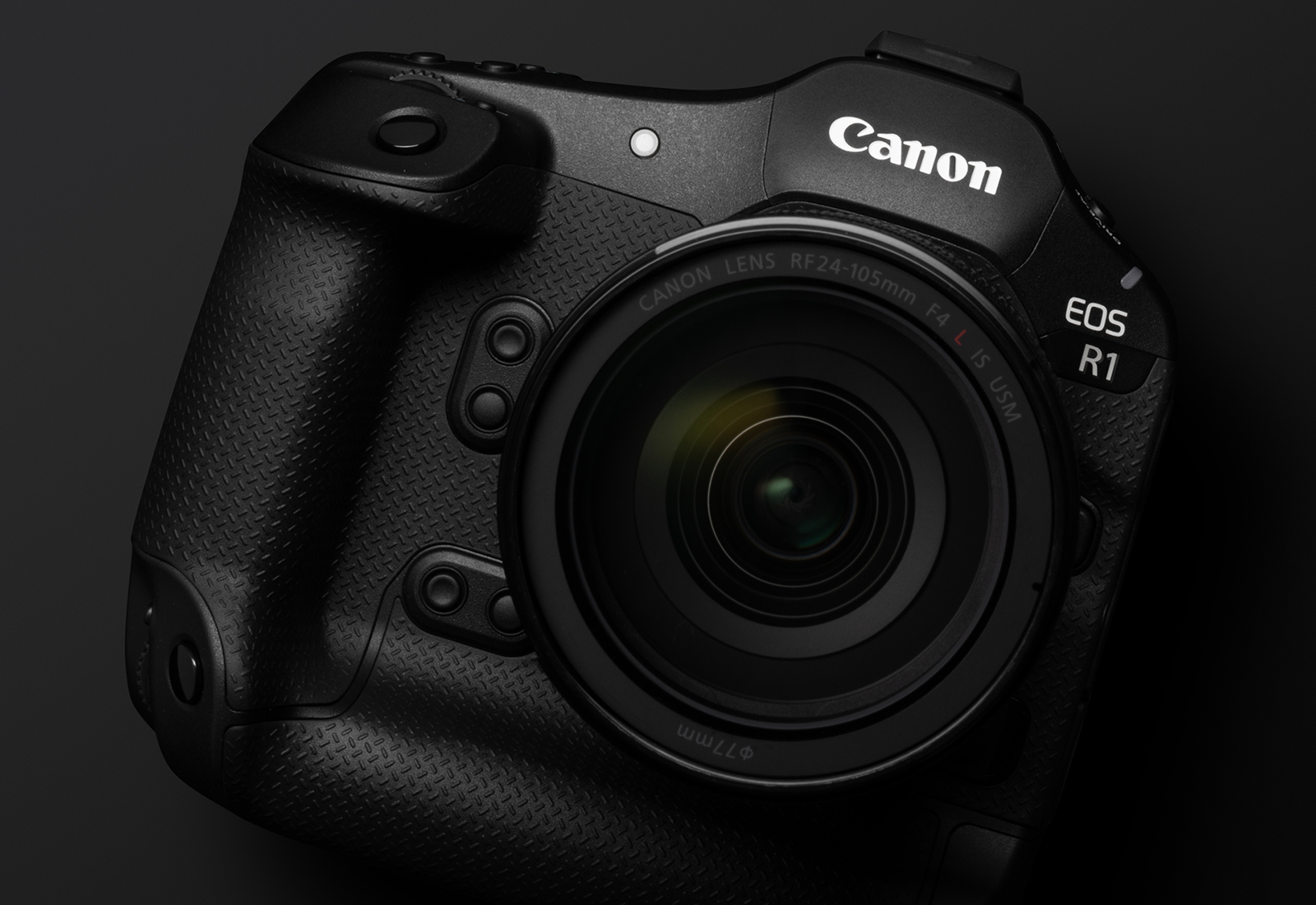
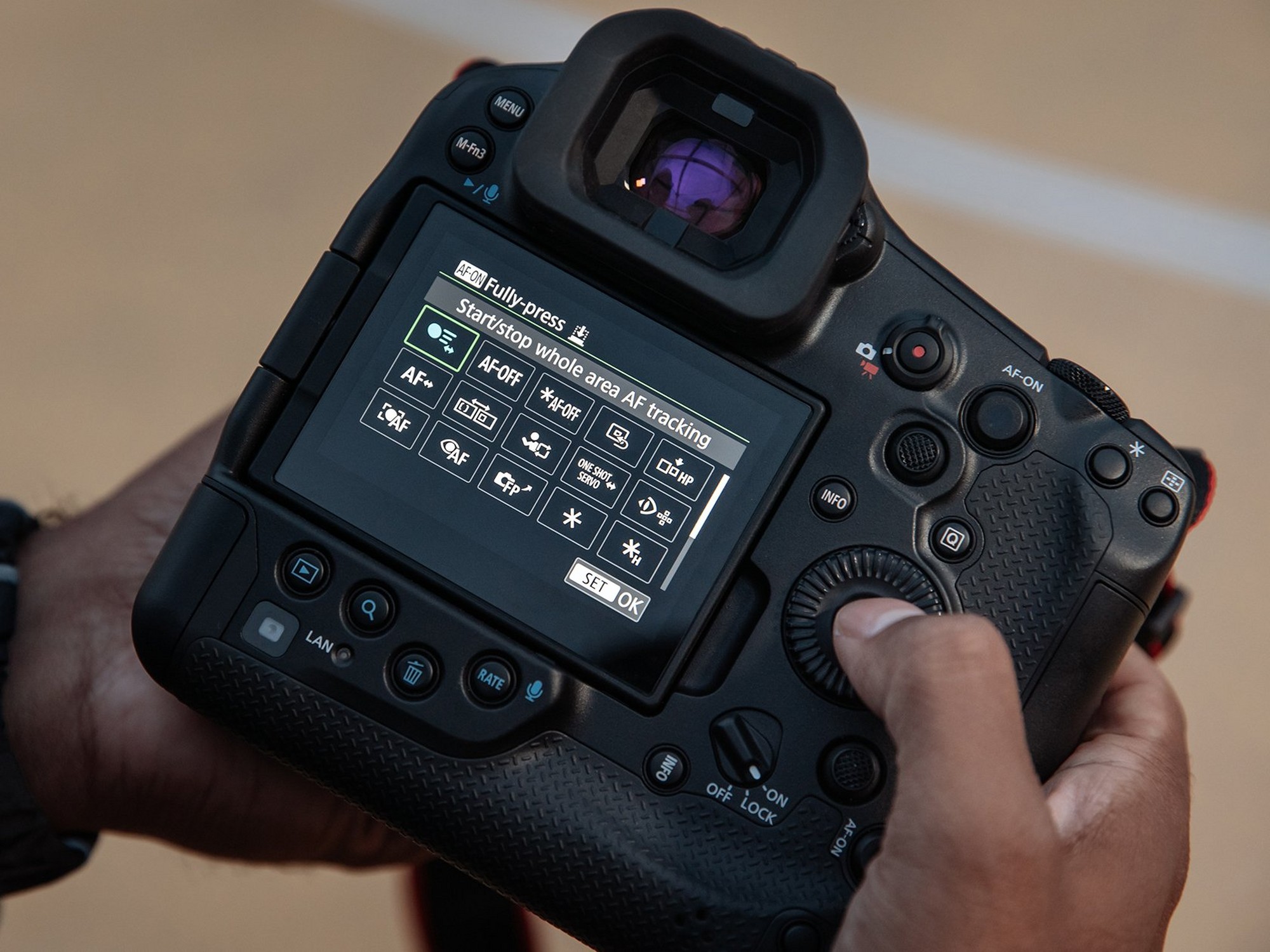
A flagship earns its keep in the details you stare through all day. The R1 carries a 9.44M-dot electronic viewfinder at 0.9x magnification, large, sharp, and the kind of EVF that stops you missing focus because you genuinely cannot resolve the subject. Behind it sits a 3.2-inch fully articulating touchscreen, the sensible choice for a body that will shoot low off the turf one minute and overhead through a scrum the next. It is the same considered design language you see across Canon’s flagship line and on style-led bodies like the Leica Q3 43, though the R1’s controls are built for speed rather than slow contemplation.
On light sensitivity, the native ISO runs 100 to 102,400, expandable to a frankly absurd 50 to 409,600. You will rarely need the ceiling, but for a press photographer in a badly lit arena, the headroom is the safety net that means you come home with something usable rather than nothing at all.
Stamina and storage: built for the long assignment
Endurance is where flagships quietly separate themselves from enthusiast bodies. The R1 runs on the chunky LP-E19 battery, rated for roughly 700 shots through the EVF and around 1,300 using the rear LCD. Those are conservative CIPA-style figures; in real burst shooting you will see far more, but the point is that this is a body designed to last a full fixture without a panic-swap.
Storage is dual CFexpress Type B, fast, professional, and crucially redundant. For anyone shooting work they cannot reshoot, that second slot is not a luxury, it is insurance. There is no SD compromise here, and I am glad of it; at this tier, halving your write speed to save on cards would be the wrong economy. Once those files are off the cards, your raw workflow becomes the next decision, and my Capture One versus Lightroom breakdown is where I would point a new R1 owner.
Who this is genuinely for, and who should walk away
Here is where I plant my flag. If you are a working sports, wildlife or news photographer in the UK, someone whose income depends on never missing the frame, on weather-sealing that shrugs off a Saturday in February, on a buffer that does not flinch, the R1 is exactly the tool the price tag implies. The £6,799 is not the headline; the years of reliable deadline shooting are.
But if you are a wedding photographer, a portrait shooter, a landscape specialist or an enthusiast who loves the idea of owning Canon’s best, I would stop you at the door. You would be paying flagship money for speed you will rarely use while giving up the resolution your work would actually benefit from. A higher-megapixel body in Canon’s range would serve you better and leave thousands in your account. Spending more to get a camera that fits your work worse is the real trap here.
The call I’d make on the R1
What would change my mind on the value question? Honestly, nothing about the camera, it is the photographer who decides. If you shoot the action, the R1 is worth every pound. If you do not, no amount of stacked-sensor wizardry makes £6,799 the right call. Buy the body that matches the job, not the one that wins the argument at the camera club.
Our score: 9.1/10 for the working pro it is built for; closer to 6/10 for anyone whose subjects sit still.
How we test
Buyer action
Where to buy or check next
Use this as the final check before ordering a phone, changing network or trusting a headline monthly price.










Reader discussion
Leave a comment
Comments are moderated. Keep it useful, accurate, and on topic.