
UPDATED · News · 21 Jun 2026 · Claire Bennett
Memory and SSD prices have done something I have not seen in fifteen years of watching component markets: PC DRAM contract prices rose by more than 100% quarter on quarter in the first three months of 2026, according to TrendForce’s outlook dated 2 February 2026. That is not a typo and it is not a seasonal wobble. For a UK creator costing up a new workstation, the two least glamorous parts in the build, the RAM and the NVMe, have quietly become the line items that decide whether the project gets signed off this quarter or pushed into next.
What I would tell a studio owner before they buy
- TrendForce’s 2 February 2026 outlook put 1Q26 PC DRAM contract prices up more than 100% quarter on quarter, with conventional DRAM up 90 to 95%.
- NAND flash rose 55 to 60% and enterprise SSD 53 to 58% over the same period, so the storage half of the bill is climbing too.
- The trigger is AI: high-bandwidth memory for datacentre chips is diverting capacity away from the conventional DRAM and NAND that desktops use.
- CyberPowerPC raised UK system prices from 7 December 2025, citing a roughly 500% jump in its memory cost.
- Some analysts expect DDR5 to ease 15 to 25% by late 2026, so this is a squeeze, not necessarily a permanent reset.
Why memory and SSD prices jumped this hard
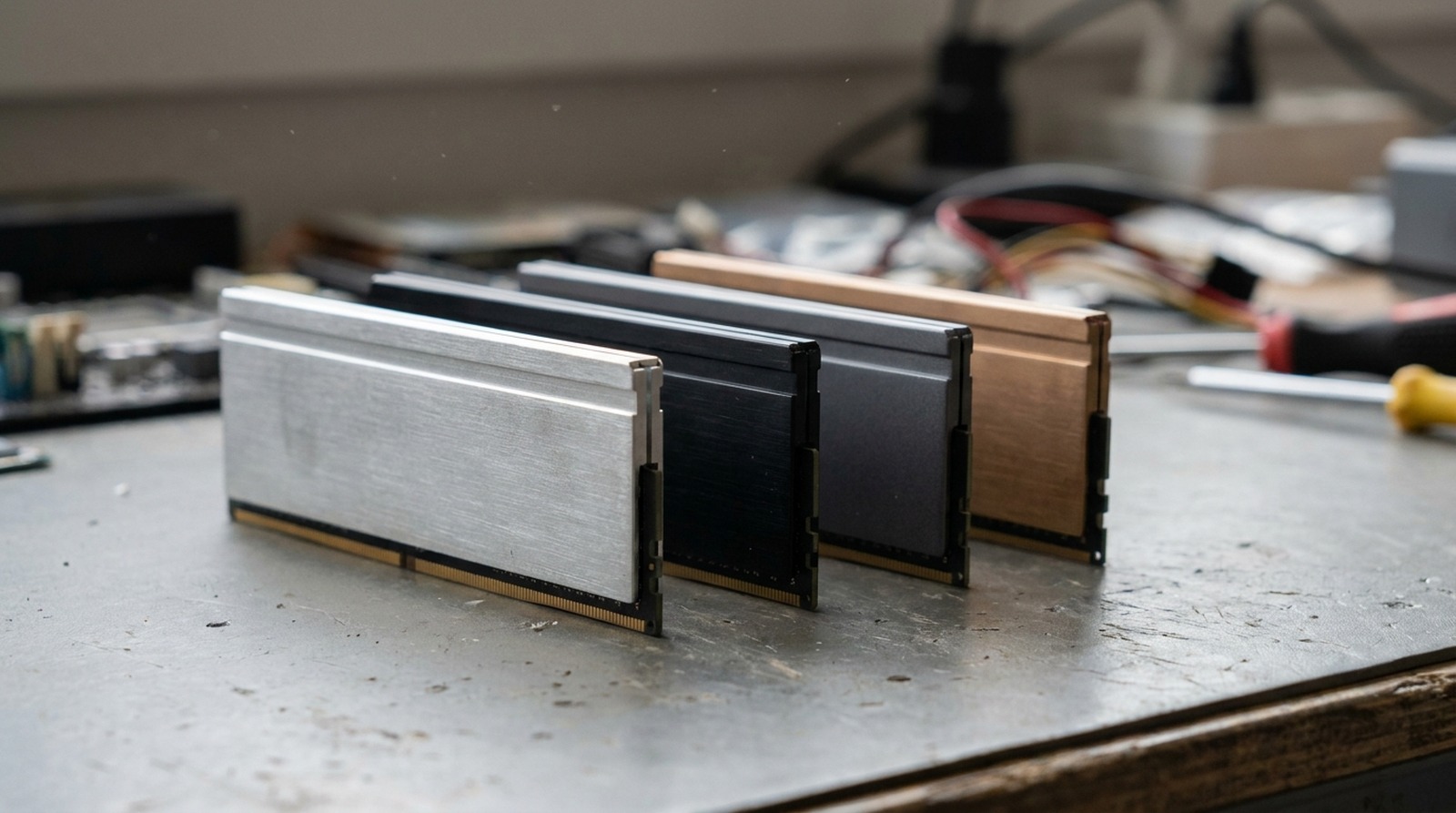
The cause is uncomfortably simple. The same memory makers that supply the sticks in your machine are the ones racing to feed the AI datacentre boom, and high-bandwidth memory pays far better than the conventional DRAM a creator’s PC actually uses. When a fab can sell its wafers into HBM for AI accelerators, it has little reason to keep flooding the consumer channel with cheap DDR5. The result is a supply squeeze that lands on the desktop builder rather than on the hyperscaler.
According to TrendForce’s 2 February 2026 outlook, the company sharply upgraded its 1Q26 forecast: conventional DRAM contract prices up 90 to 95% quarter on quarter, and PC DRAM specifically up by more than 100%. Storage is not spared. The same report put NAND flash up 55 to 60% and enterprise SSD up 53 to 58%, because the makers are also reallocating production lines away from NAND to chase DRAM margins. If you have followed how this has already started biting into phone pricing, the mechanics will look familiar from our piece on the 2026 memory price squeeze in phone costs, and the same logic I laid out when asking whether you should buy a phone now or wait applies just as cleanly to a tower full of RAM.
What it does to a real workstation bill
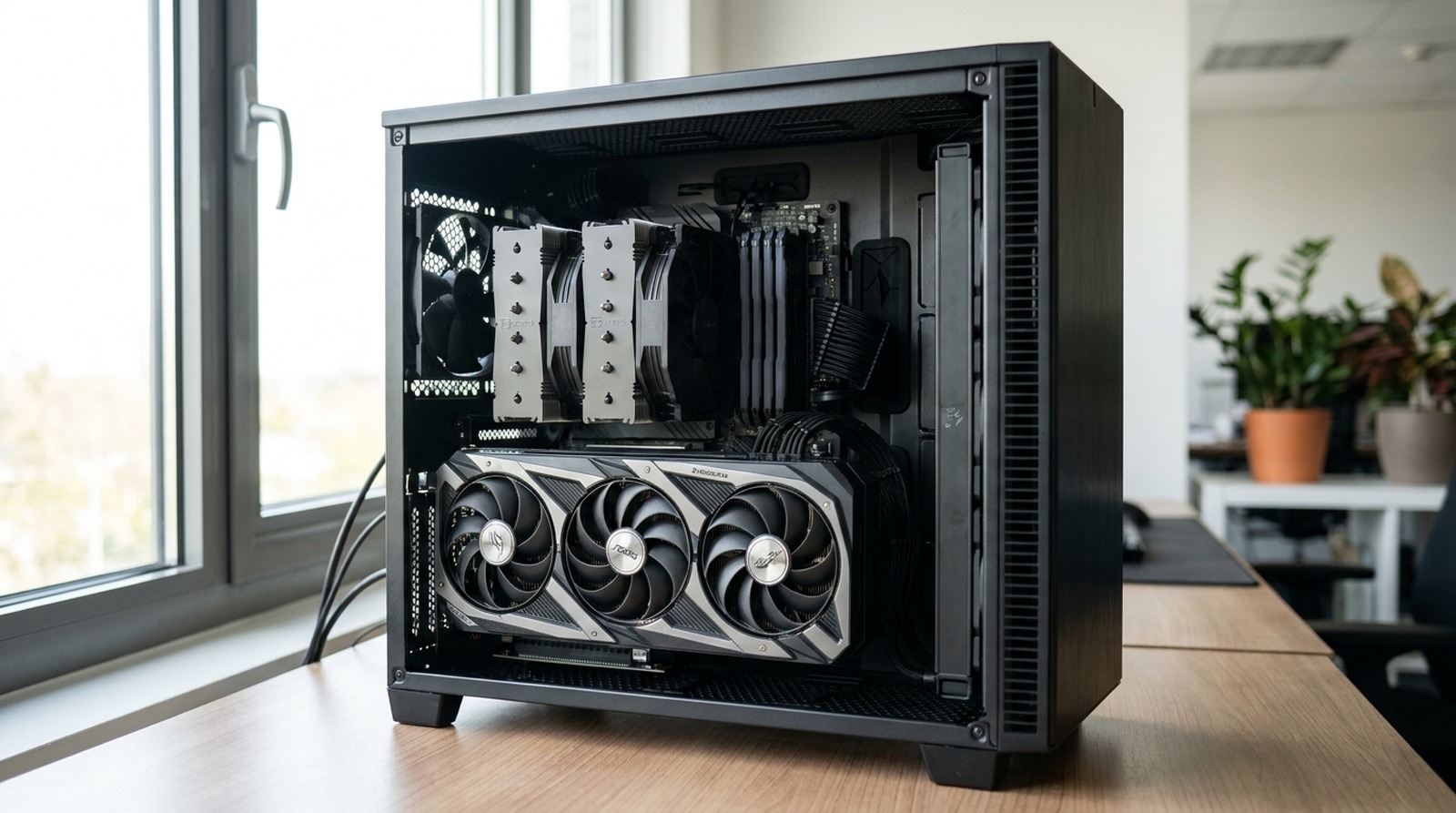
Picture the kind of rig a small UK studio actually orders: a Lenovo ThinkStation-class workstation with 64GB of DDR5 and a 2TB NVMe boot drive, the sort of spec a one or two-person editing shop signs off without a second thought. Twelve months ago that memory and storage pairing was a rounding error against the cost of the CPU and GPU. It is not any more. With conventional DRAM up roughly 90 to 95% and NAND-based SSDs up better than half, a memory-plus-storage subtotal that sat at around a few hundred pounds is now materially higher, and on a workstation-grade kit it can be the difference of several hundred pounds on the final invoice.
I am being deliberately proportional here rather than quoting a retailer ticket price, because the channel is moving week to week and any exact figure would be stale before you read it. But the direction is not in doubt. CyberPowerPC made it explicit when it raised UK system prices from 7 December 2025, with the company attributing the move to a roughly 500% increase in its memory cost. When a high-volume builder is quoting a fivefold jump in what it pays for RAM, the creator buying a single tower is on the wrong side of that maths. This is the same affordability pressure I have been tracking across the creator stack, from the RTX 5090 ProArt creator laptops UK studios are eyeing to the Ryzen AI Max ZBook Ultra, where the memory configuration you choose now carries real weight.
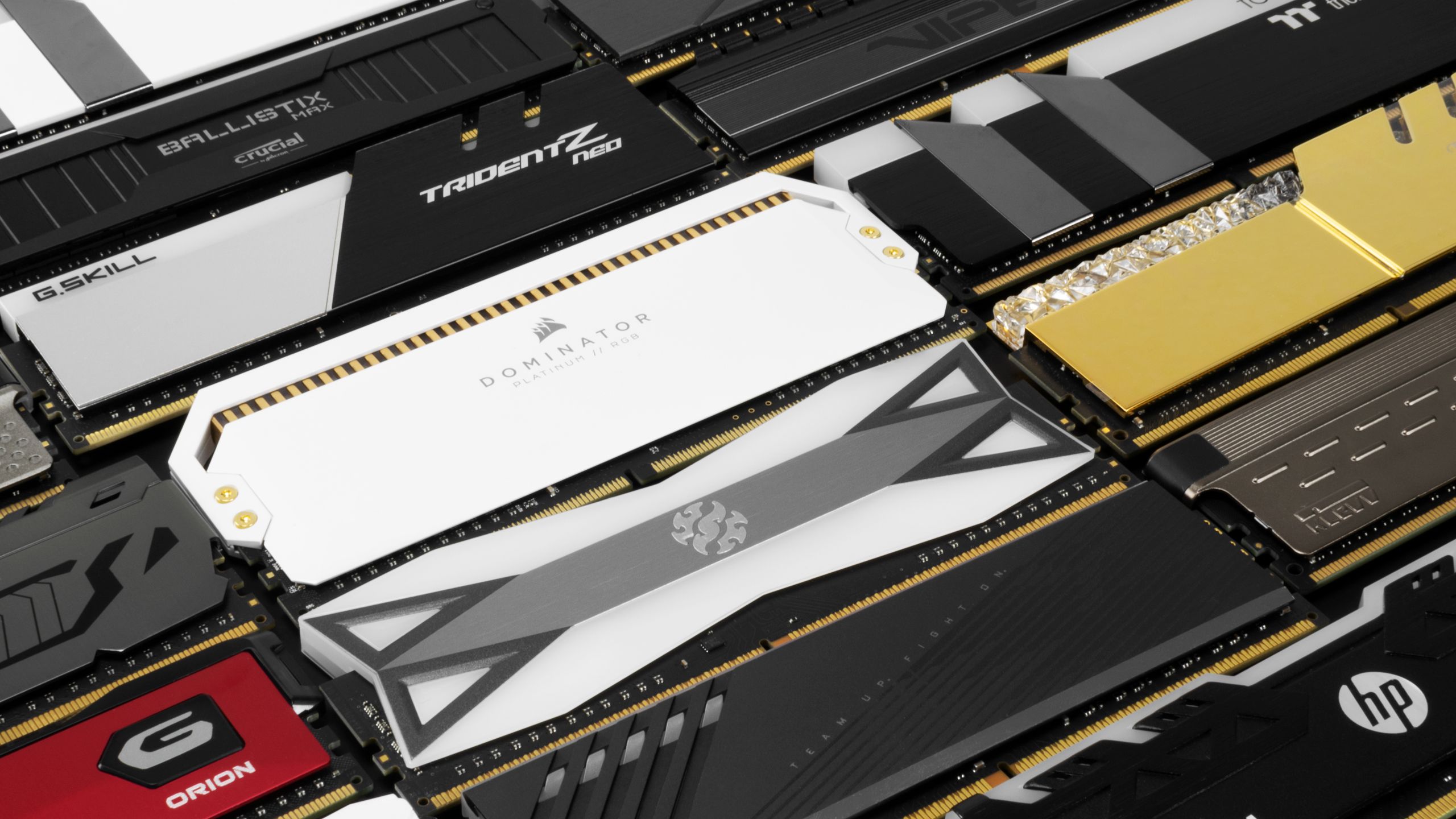
The cheapest two parts in your build have become the two that decide the order, and that is the clearest sign yet that the AI buildout is now reaching into the UK creator’s bank account.
Should you buy now or hold
Here is where I refuse to be glib. The instinctive read is “buy now before it gets worse,” and for anyone with a paid project that needs the horsepower this quarter, that is the right call: the cost of a stalled commission dwarfs a few hundred pounds of RAM premium. But I will not pretend the surge is permanent. Some analysts expect DDR5 to ease 15 to 25% by late 2026 once the channel digests the shock and capacity rebalances, which means a speculative upgrade with no deadline behind it can reasonably wait.
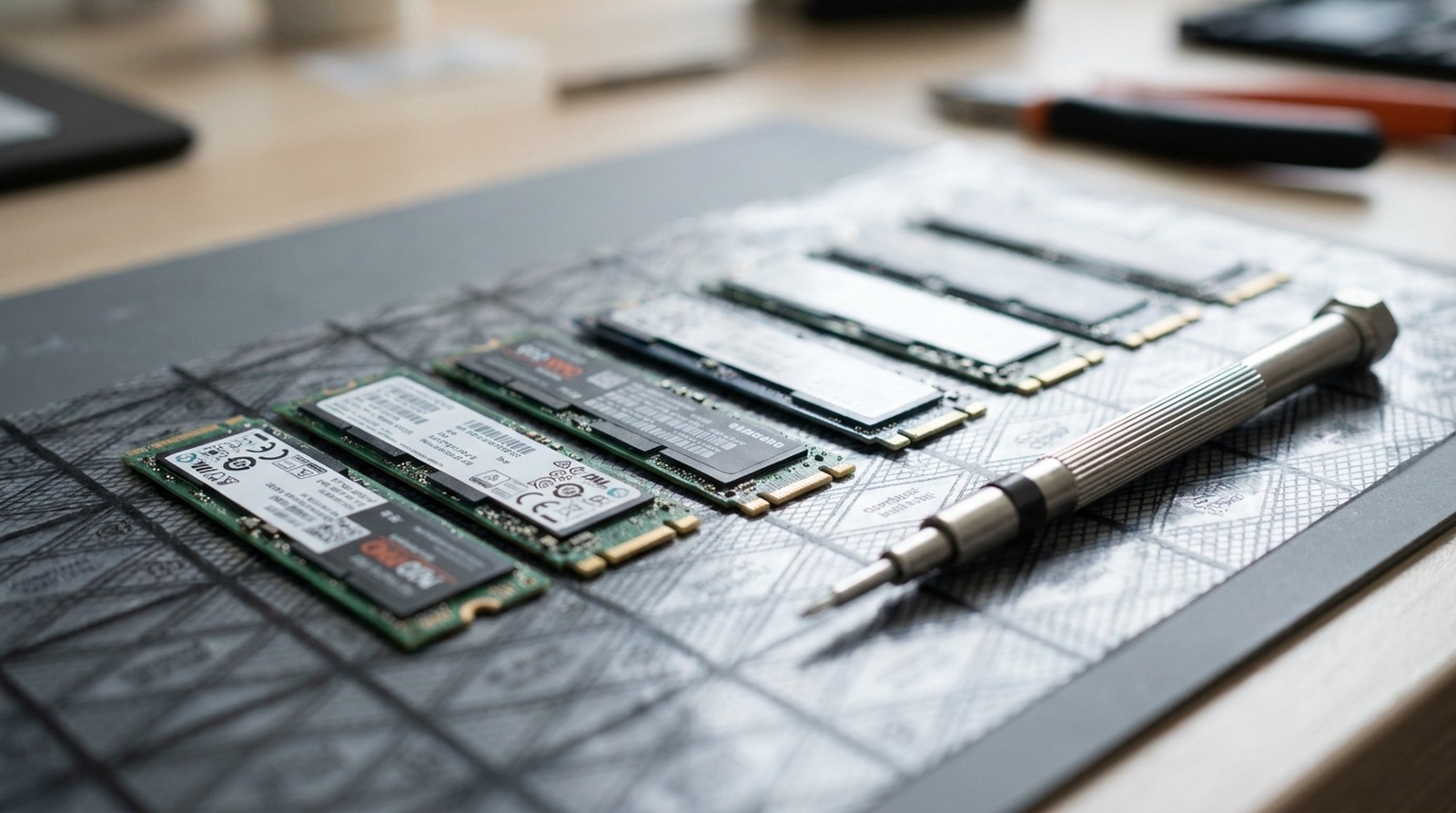
If you do commit, spec the memory you genuinely need rather than the memory you might want in three years. The old advice of over-provisioning RAM “because it is cheap” no longer holds, and paying today’s prices to future-proof is the worst possible time to do it. The same goes for storage: buy the NVMe capacity the project demands and add cheaper external or network storage later once NAND settles. If a laptop will do the job, the buy-versus-wait calculus I ran on the Framework Laptop 16 buy maths is worth revisiting, and for pros weighing a soldered-memory machine the trade-offs in the MacBook Pro M5 Max versus M4 Max comparison matter more than ever, because you cannot upgrade that RAM later.
The smart way to spec a build right now
There is a sensible middle path between panic-buying and waiting indefinitely. If your machine takes user-upgradeable DIMMs, buy the platform and a workable amount of RAM today, then top up when prices soften: a tower or a serviceable laptop like the ThinkPad X1 Carbon gives you that flexibility in a way a sealed ultrabook does not. For creators who also game and want one machine to do both, the calculus I worked through on the Razer Blade 16 now leans even harder toward buying the right memory once rather than upgrading twice.
Where I land on this
I have spent enough cycles watching component prices to be wary of anyone shouting “buy now or regret it forever,” and I am not going to join that chorus. What I will say is this: the parts you used to ignore on a quote are now the parts that move the total, and that reordering tells you everything about where the industry’s priorities sit. The AI datacentre is buying the memory off the shelf before the creator gets to it. If you have a project on the table that needs the kit this quarter, buy it, spec it sanely, and do not over-provision. If you do not, let the dust settle into late 2026 and see whether that 15 to 25% easing arrives. Either way, go in knowing that for the first time in a long while, memory and SSD prices are the headline, not the footnote.
Buyer action
Where to buy or check next
Use this as the final check before ordering a phone, changing network or trusting a headline monthly price.












Reader discussion
Leave a comment
Comments are moderated. Keep it useful, accurate, and on topic.