UPDATED · News · 10 Jun 2026 · Daniel Reid
The HMRC AI tax system is moving from pilot to practice, and the latest Microsoft account of the work makes clear how central the partnership has become to the way the UK collects tax. HM Revenue and Customs has begun rolling out Microsoft 365 Copilot to tens of thousands of its staff, and senior leaders are openly describing an ambition to build one of the most AI-enabled tax authorities anywhere. For the more than 40 million people and businesses that deal with HMRC, that raises a simple question: what does it actually mean for you?
This is a story with genuine upside and genuine reasons for caution. Faster service, shorter waits and fewer errors are real prizes. So are the risks around accuracy, fairness and how your personal data is handled under UK rules. Below we set out what has been announced, how the technology is being used, what the benefits and concerns are, and where you can check the official position for yourself.
- HMRC has rolled out Microsoft 365 Copilot to around 28,000 staff, with plans to extend it to about 50,000 of its roughly 64,000 employees (Microsoft, 13 May 2026).
- James Mitton is HMRC’s first Chief AI Officer and has set out an ambition for HMRC to be a leading AI-enabled tax authority (Microsoft, 13 May 2026).
- HMRC’s Transformation Roadmap targets at least 90% of customer interactions being digital by 2029 to 2030 (GOV.UK).
- The UK tax gap stood at £46.8 billion in 2023 to 2024, and AI is one tool HMRC is using to help close it (GOV.UK).
- HMRC says any decisions will be reviewed and signed off by a human with the relevant tax expertise (Microsoft, 13 May 2026).
What HMRC and Microsoft have announced
In a feature published on 13 May 2026, Microsoft set out how HMRC is working with it to modernise the way the UK runs tax and customs. The headline is scale. HMRC has put Microsoft 365 Copilot into the hands of around 28,000 colleagues and intends to widen that to roughly 50,000 of its workforce of about 64,000 people. That makes it one of the largest deployments of the tool anywhere in UK government, and it sits on top of cloud infrastructure that HMRC has been building for several years.
The work is led from inside the department by James Mitton, who was appointed as HMRC’s first Chief AI Officer. He frames the goal as becoming “an agile department supported by a modern IT infrastructure, with innovation driving a better customer experience.” Matt Vick, Head of Futures and Innovation in HMRC’s Strategy Function, is blunter still, saying “it’s clear AI will be foundational to HMRC’s future” and that it will “enable a more integrated, automated tax system.” Dan Tomlinson MP, the Exchequer Secretary to the Treasury, adds that “HMRC’s collaboration with key partners is vital to modernising the tax and customs system.”
None of this happens in isolation. It builds on a cross-government trial of Copilot run by the Government Digital Service, and it aligns with HMRC’s published Transformation Roadmap, which lays out how the department wants to look by 2030. The Microsoft feature is, in effect, the technology partner’s view of a much larger public programme.
How the AI is actually being used
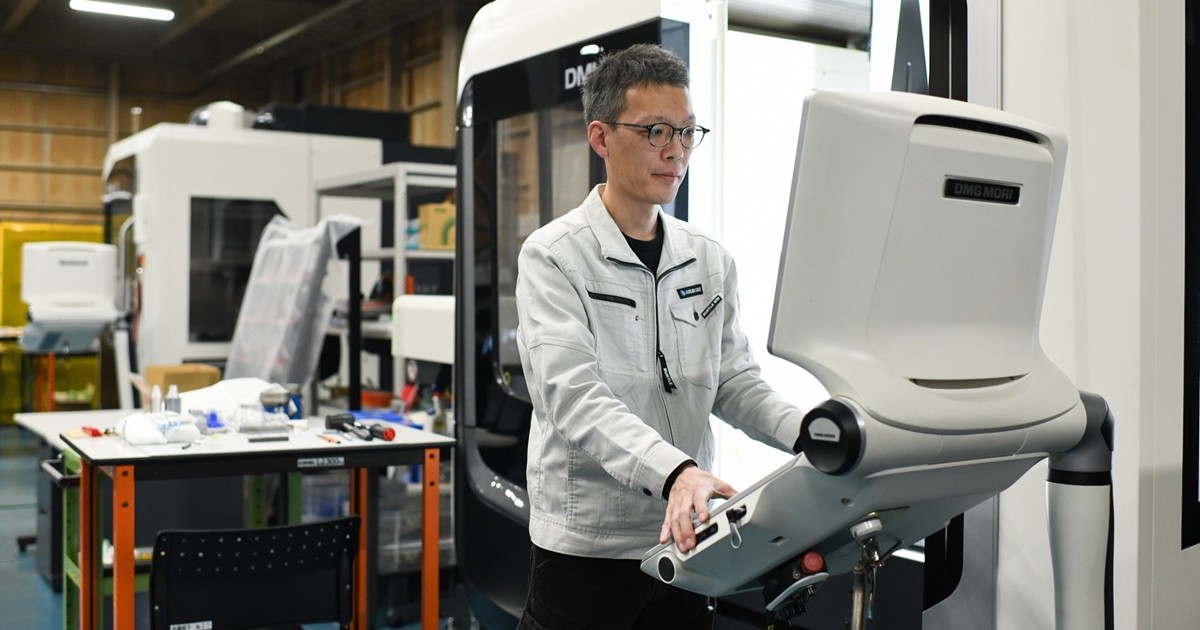
It helps to separate the everyday productivity tools from the more ambitious case-handling work. On the everyday side, Copilot is being used by staff to draft and summarise documents, generate meeting notes and find information faster across HMRC’s own systems. These are the same kinds of tasks where the wider government trial reported time savings, and they matter because so much of a tax authority’s work is reading, writing and locating records.
The more interesting work is targeted at the bottlenecks people complain about. HMRC is developing an AI agent to summarise customer complaints so that advisers can get to the heart of an issue more quickly. Other applications mentioned include document analysis, debt risk prediction to identify who may struggle to pay, and summarising casework so a human can pick it up faster. The thread running through all of these is that the AI prepares and organises, while a person decides.
That distinction is the crux of the whole programme. Used as a research and drafting assistant, AI can shave time off slow, repetitive tasks. Used to triage risk, it can point overstretched teams towards the cases that need attention. The line HMRC is drawing is that none of it should replace the judgement of a trained tax professional. Whether that line holds in practice is exactly where the legitimate questions begin.

What the HMRC AI tax system means for taxpayers
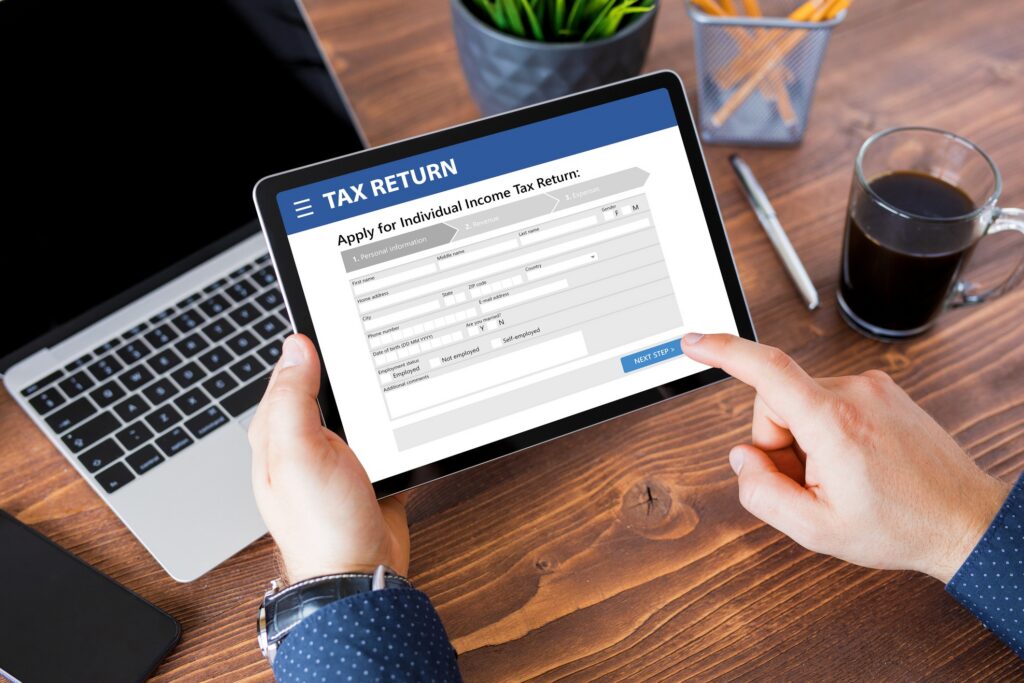
For ordinary taxpayers, the most tangible promise is service that feels less painful. Long waits on the phone and slow responses to letters have been a persistent source of frustration, and HMRC’s own roadmap acknowledges the pressure on its services. If AI can summarise a complaint, surface the right guidance and prepare a case before a human picks it up, the people contacting HMRC should in theory get answers sooner and with fewer transfers between departments.
There is a second benefit that is less visible but just as real. A tax authority that processes records faster and spots errors earlier can correct mistakes before they snowball into penalties or appeals. Automated nudges, which prompt people about what they owe before deadlines bite, can keep otherwise honest taxpayers out of trouble. For small businesses in particular, anything that reduces the time spent untangling avoidable errors is worth having, much as the lessons from the wider Microsoft 365 Copilot rollout across the UK have shown in other sectors.
It is worth being clear-eyed about the framing, though. HMRC’s headline targets, including the goal of 90% digital interactions by 2030, are as much about efficiency and closing the tax gap as they are about customer comfort. Those aims can align, but they are not identical, and the experience will only feel like an improvement if the digital-first approach does not leave people who need human help stranded. The parallels with the Copilot rollout across NHS England are instructive here, because public bodies face the same tension between speed and care.
The accuracy and fairness concern
Accuracy is the first worry, and it is not abstract. Generative AI tools can produce confident, fluent text that is simply wrong, and a summary of your complaint or your case that drops a crucial detail could send a query down the wrong path. HMRC’s stated safeguard is that a human with tax expertise reviews and signs off any decision, which is the right principle. The practical test is whether overstretched teams genuinely scrutinise AI-prepared material or come to trust it by default.
Fairness is the second worry, and it bites hardest in risk-scoring. If an AI model is used to flag who might underpay or who poses a compliance risk, the quality and balance of its training data matter enormously. Models can reflect and amplify patterns in historic data, which means some groups could be flagged more often than the facts warrant. Building systems that work for everyone, including people the data tends to overlook, is a design choice rather than an accident.
The honest position is that these are manageable risks, not reasons to abandon the project. They demand transparency about where AI is used, clear routes for a person to challenge an outcome, and ongoing testing for bias. None of that is unique to HMRC; it mirrors the questions facing regulated firms weighing AI, as our look at what FCA firms should check before deploying AI sets out in a financial-services context.
The UK data privacy and ICO angle
HMRC holds some of the most sensitive personal data the state collects, from income and bank details to information about your family and your business. Feeding that into AI-assisted workflows brings data protection law squarely into play. The relevant rules sit under the UK GDPR and are overseen by the Information Commissioner’s Office, which has published extensive guidance on artificial intelligence and on automated decision-making.
One area to watch closely is automated decision-making. UK data protection law gives people specific protections where decisions with a legal or similarly significant effect are made solely by automated means, including the ability to seek human involvement. The rules here have changed: the Data (Use and Access) Act 2025 revised the old Article 22 regime, moving to a more permissive but safeguard-led approach, and the ICO has been updating its guidance accordingly. HMRC’s promise of human sign-off is partly an answer to this legal context. For a wider view of how these obligations apply to AI tools, our explainer on UK GDPR and AI assistants is a useful companion.
Transparency is the other pillar. People are entitled to a reasonable explanation of how their data is used, and a public body deploying AI at this scale should be able to say where AI is involved in handling a case and how someone can object. The strength of HMRC’s approach will be judged not by its mission statements but by the clarity of its privacy notices and the ease of escalating to a human when something looks wrong.

What UK taxpayers and businesses should know
The first thing to understand is that this changes how HMRC works internally far more than it changes what you are asked to do. You still file returns, pay what you owe and contact HMRC through the same channels. What may shift is the speed and tone of the responses you receive, as AI takes on some of the drafting and triage behind the scenes. You do not need to learn anything new to benefit.
For small businesses and the agents who act for them, there is a practical angle in the roadmap’s mention of principles for third-party software that interacts with HMRC. If you use accounting or tax software, the way that software talks to HMRC’s systems, including any AI features, will increasingly be shaped by expectations the department sets. It is worth keeping an eye on those expectations, and on how your provider responds, in much the same way smaller firms have weighed up Copilot for UK small business.
Finally, keep your own records tidy and your contact details current. AI-driven nudges and risk checks work from the data HMRC holds, so accurate, up-to-date information reduces the chance of being flagged in error and makes any automated prompt more helpful. The broader picture of how AI is reshaping day-to-day work, explored in our coverage of the Microsoft Work Trend Index 2026, applies just as much to the public sector as to private employers.

Where to check next
For the official plan, start with HMRC’s Transformation Roadmap on GOV.UK, which sets out the digital and AI targets in the department’s own words, including the goal of at least 90% digital interactions by 2029 to 2030 and the tax gap figures it is trying to address. It is the most authoritative source for what HMRC intends to do and by when.
For your rights around data and automated decisions, the Information Commissioner’s Office website is the place to go. Its guidance on AI and on automated decision-making explains what organisations must do and what you can ask for, and it is being kept current as the law evolves under the Data (Use and Access) Act 2025. If you ever believe an automated process has treated you unfairly, the ICO also explains how to raise a concern. If you are weighing up tools and costs more generally, our guide to Copilot UK pricing in 2026 and the lessons from a large UK Copilot deployment add useful context.
This is a serious, well-scoped programme rather than a gimmick. Putting AI to work on summarising, drafting and triage is exactly where a tax authority drowning in paperwork stands to gain, and HMRC has been sensible to keep a human in the loop on actual decisions. If the technology delivers shorter waits and fewer avoidable errors, taxpayers will feel the benefit even if they never see the AI doing it.
The caveats are real and worth holding HMRC to. Human review must mean genuine scrutiny, risk-scoring must be tested for bias, and the privacy and transparency obligations under UK law are not optional extras. Get those right and this is a model for sensible public-sector AI. Get them wrong and it risks automating the very frustrations it set out to fix. On the evidence so far, the direction is encouraging, but the proof will be in how it feels to deal with HMRC a year from now.











Reader discussion
Leave a comment
Comments are moderated. Keep it useful, accurate, and on topic.