UPDATED · News · 23 May 2026 · Claire Bennett
The Wayve Stellantis partnership is the May 2026 deal that pulls London-built AI driving into one of the world’s biggest car groups. Wayve and Stellantis announced on 21 May 2026 that Wayve’s end-to-end AI Driver will plug into the Stellantis STLA AutoDrive platform, with hands-free door-to-door supervised driving aimed at North American customers in 2028.
- Announced jointly by Wayve and Stellantis on 21 May 2026.
- Level 2++ supervised hands-free driving across highway and urban environments, with a path to higher automation tiers.
- Wayve AI Driver integrates into Stellantis’ STLA AutoDrive platform; first customer cars target North America in 2028.
- Stellantis brands include Vauxhall, Peugeot, Citroen, Fiat, Jeep, Ram, Maserati and Alfa Romeo, so any platform win eventually reaches UK forecourts.
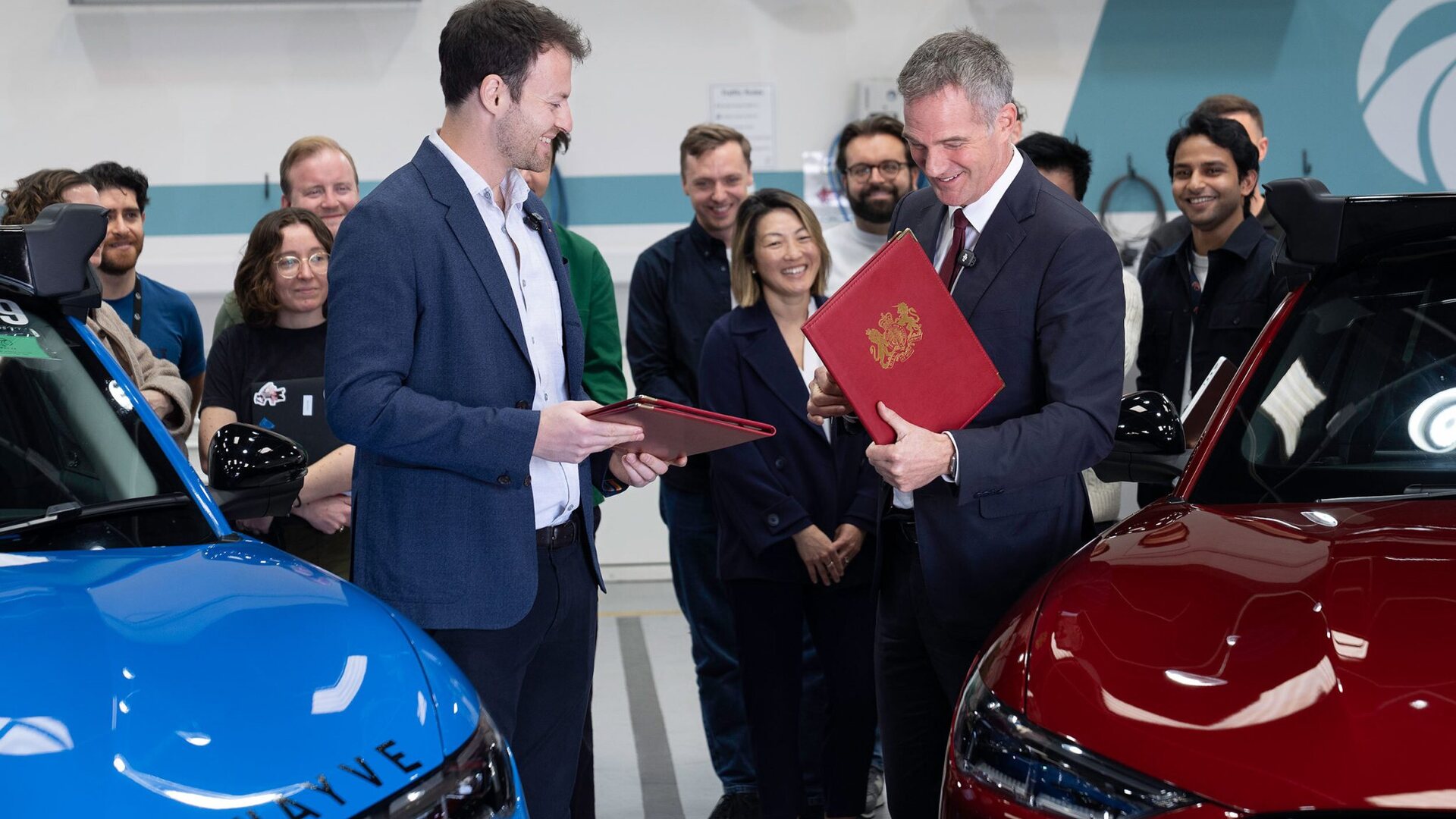
- Wayve and Stellantis say a working prototype was up and running on Stellantis hardware in under two months, building on Stellantis’ earlier strategic investment in Wayve.
Why the Wayve Stellantis partnership matters in the UK
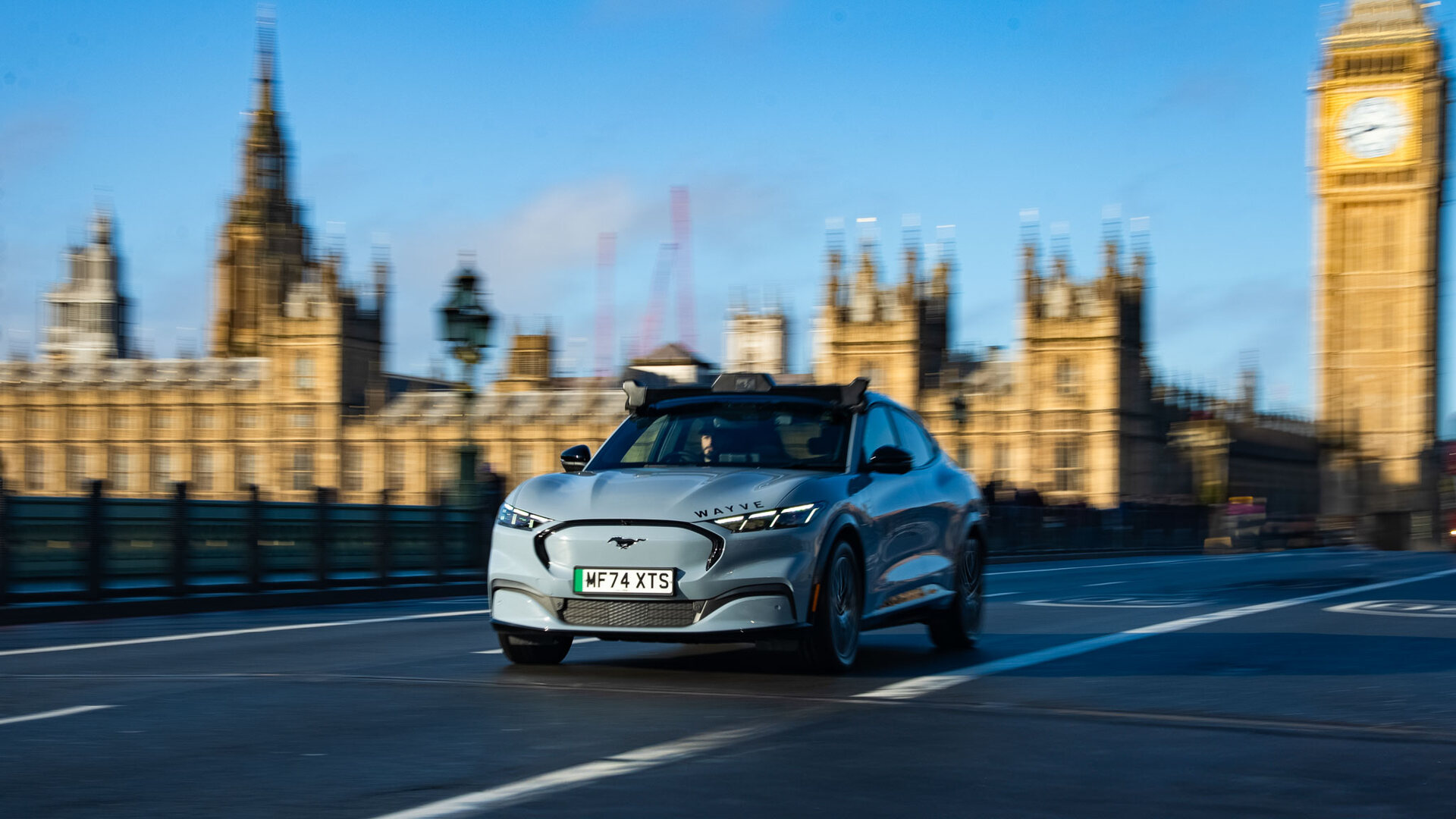
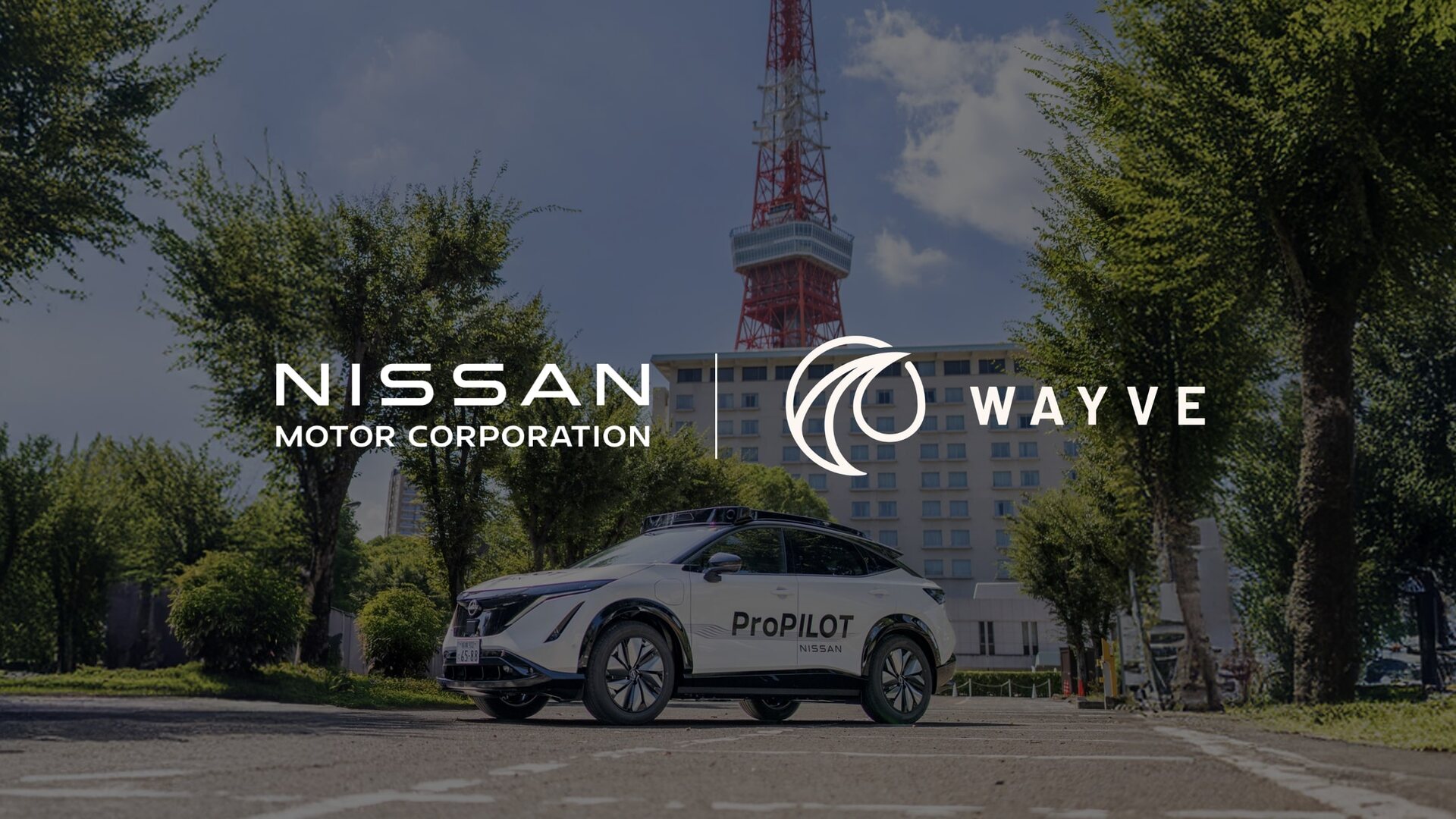
Wayve is a London company. Its test fleet has been driving around Hammersmith and the City for years, and the firm closed a £950 million ($1.2 billion) Series D in February 2026 at an $8.6 billion post-money valuation, with SoftBank Vision Fund 2, Microsoft, Nvidia and Uber participating alongside automaker investors Mercedes-Benz, Nissan and Stellantis itself. The Wayve Stellantis partnership is the first time a top-three global carmaker has signed up to ship Wayve’s end-to-end neural-network driver in actual customer cars rather than a research fleet. That alone reframes the UK self-driving story: the credible UK exit is no longer “sell to a US robotaxi outfit”, it is “ship in millions of Stellantis vehicles”.
Stellantis is also the parent of Vauxhall, which is still one of the best-selling brands on UK driveways. Vauxhall Astras and Mokkas roll off Ellesmere Port. Citroens, Peugeots and Fiats fill UK fleet orders. The 2028 customer launch is officially North America first, but the STLA AutoDrive platform is a global stack: whatever Stellantis homologates in Detroit eventually has to defend its place against BMW, Mercedes and the Chinese in Europe. The UK road network, with its 60mph A-roads and unsigned village limits, will not get the first build, but it is squarely in the second wave. Compare that with the lidar story we covered earlier this month in the Ouster Rev8 launch, where the win was infrastructure-side; this is the same race showing up at the OEM level.
What the Wayve Stellantis partnership actually delivers
The headline product is Level 2++ supervised hands-free driving. Strip the marketing and that means three things. The driver can take both hands off the wheel on a much wider range of roads than today’s lane-keep systems allow, including urban junctions and roundabouts, but must keep eyes on the road and remain legally responsible. The system handles door-to-door routes, not just motorways, so it covers the urban approach and the final mile. And it learns from real-world driving across the fleet rather than relying on hand-coded rules and HD maps, which is the same end-to-end architecture Wayve uses in its London test cars.
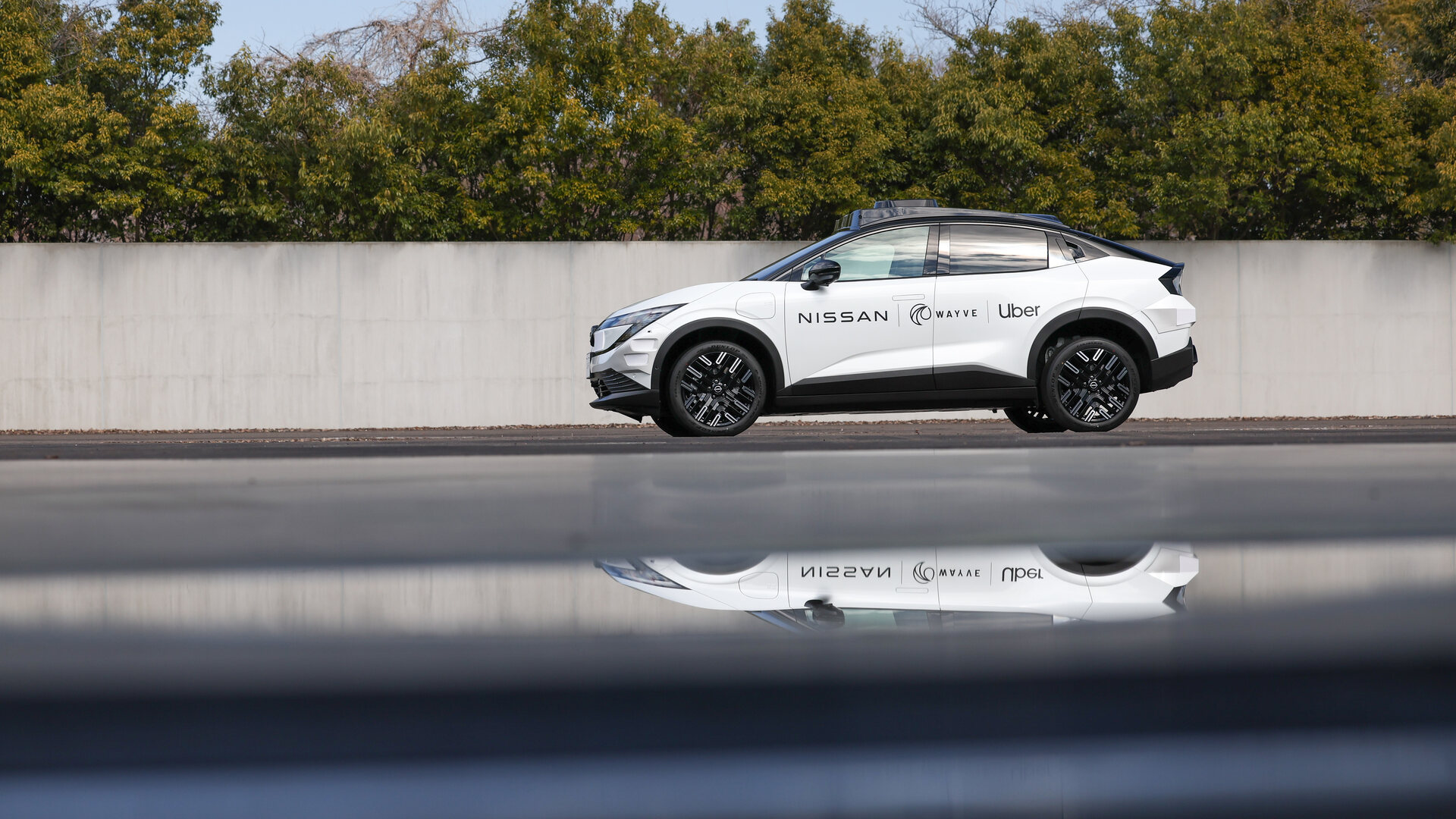
That puts the Stellantis system in the same conceptual bucket as Tesla’s FSD Supervised and Mercedes Drive Pilot, but on hardware-agnostic AI rather than camera-only or lidar-first stacks. Stellantis confirmed that the early integration prototype was running on its vehicle platforms inside two months, which is the kind of timeline that only makes sense when the underlying driving policy is genuinely platform-agnostic. Wayve’s parallel work with Nissan and Uber on a robotaxi prototype, plus the silicon agreements with Nvidia, AMD, Arm and Qualcomm announced earlier this year, point to the same direction: one neural driver, many cars, many chips.
Wayve Stellantis partnership vs the rest of the AI driving field
| Approach | What ships | MTW read |
|---|---|---|
| Wayve x Stellantis (STLA AutoDrive) | End-to-end AI Driver, Level 2++ hands-free, 2028, hardware-agnostic, multi-brand | Best route to scale: one driver, every Stellantis nameplate, US first then Europe. |
| Tesla FSD Supervised | Camera-only end-to-end, shipping today, single brand | Furthest along in customer miles but trapped on one chassis. Tesla’s recent Model Y ADAS NCAP pass shows the regulator pressure is finally biting. |
| Waymo / Cruise / Pony.ai robotaxi | Geo-fenced Level 4 fleets, not for sale | Different business: nobody puts one in their driveway. Waymo’s May recall showed how thin the fleet still is. |
| Mercedes Drive Pilot / BMW Personal Pilot | Geo-fenced Level 3 on specific German motorways | Real conditional automation but narrow. UK rollout still tied to AV Act secondary regulations. |
The killer line in the Wayve press release is not the 2028 date or the brands. It is the two-month prototype. End-to-end learning is supposed to be portable; this is the first time a major automaker has publicly admitted that you really can drop a driving policy onto a new chassis in eight weeks. That is genuinely bad news for any rival that has spent three years tuning a stack to a single platform.
What UK buyers should watch from the Wayve Stellantis partnership
Three things matter for UK buyers between now and 2028. First, regulatory readiness. The Automated Vehicles Act 2024 still has the relevant secondary legislation outstanding, and the DfT’s Centre for Connected and Autonomous Vehicles is mid-consultation on the Level 3 framework. If that lands before 2028 and Stellantis can homologate STLA AutoDrive to a UK approval, Vauxhall could ship hands-free Astras while Tesla is still arguing about regulator approval. Second, hardware lock-in. Stellantis has separately disclosed work with other suppliers on the wider STLA AutoDrive stack, and the silicon decision will shape whether older Stellantis cars get the feature via over-the-air retrofit or whether you need a 2028+ model year.
Third, where the autonomy money actually pays out. Wayve’s £950 million ($1.2 billion) February 2026 Series D, with Stellantis already on the cap table, looked rich at the time; the production deal three months later makes it look conservative. If this works, Wayve’s implied valuation is closer to Series E unicorns like Skydio than to typical Series D AV startups. That is good for the UK tech base. The bad news is the actual cars are not coming to your driveway in the next two years. UK customers buying a Stellantis car in 2026 will still get Highway Assist-tier ADAS, not the new Wayve-powered driver. Hold any “I want to wait for hands-free” purchase until the 2028 model years are confirmed, or budget for the inevitable mid-cycle OTA tease.
MTW verdict
The Wayve Stellantis partnership is the most important UK tech export deal of 2026 so far. London’s AI driver going into Vauxhalls, Jeeps and Peugeots is a bigger structural story than any single autonomous demo. UK buyers should treat it as confirmation that 2028 is the year hands-free starts being a real option across multiple brands rather than a Tesla-only spec line. Hold off on any 2026 Stellantis purchase if hands-free door-to-door is the thing you actually want.
Buyer action
Where to buy or check next
Use this as the final check before ordering a phone, changing network or trusting a headline monthly price.









Reader discussion
Leave a comment
Comments are moderated. Keep it useful, accurate, and on topic.