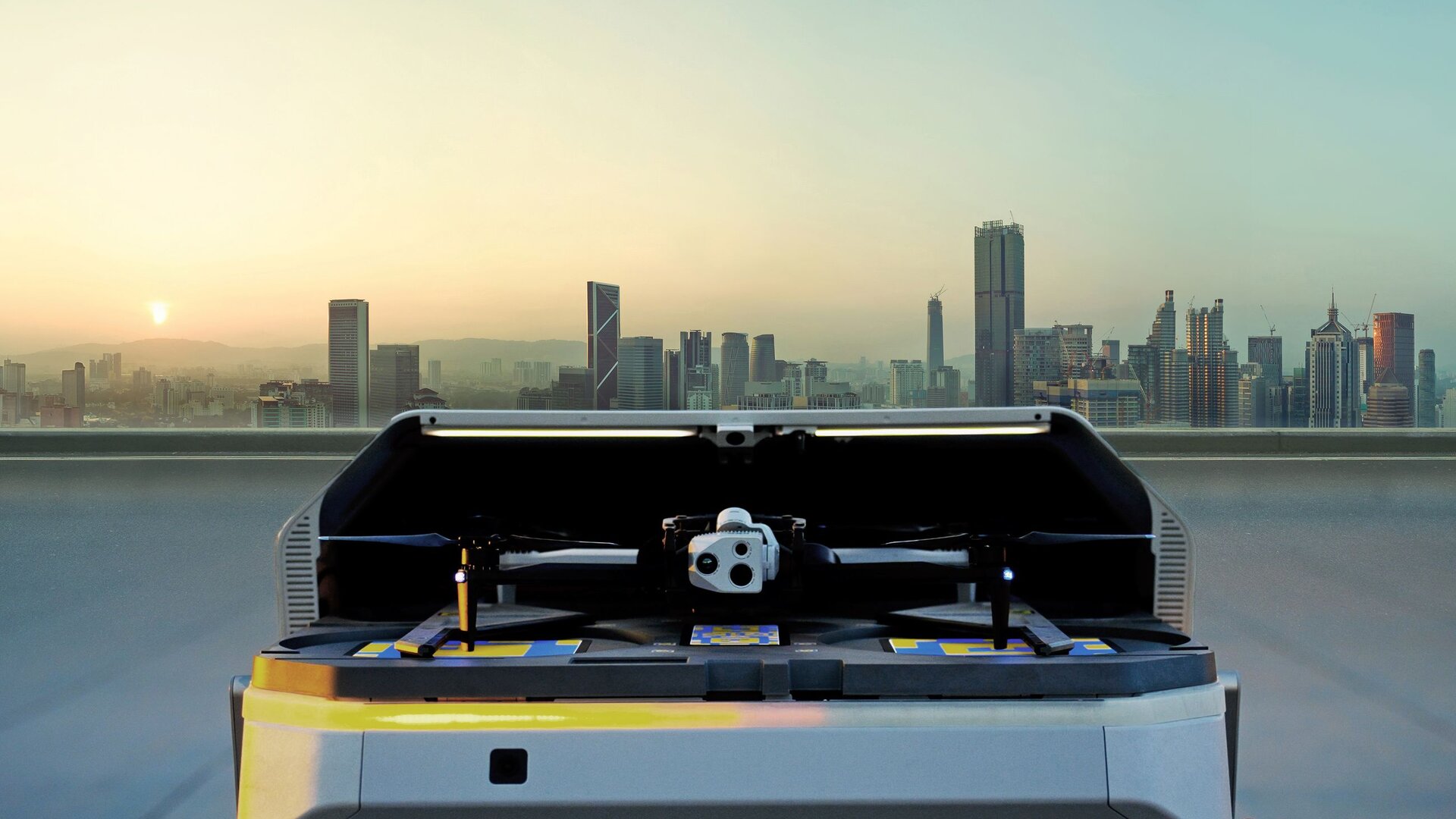
Skydio drone manufacturing is the story American tech wants you to cheer, and British buyers should hold the applause. Skydio committed $3.5 billion (about £2.8 billion) over five years to scale US drone production, and it changes almost nothing for the UK.
- Skydio is investing $3.5 billion (about £2.8 billion) over five years in US manufacturing, R&D and supply chain.
- Its SkyForge plan builds a facility five times larger than today’s, with over $1 billion (about £0.8 billion) to US suppliers.
- Skydio has shipped 60,000+ drones to 3,800+ customers, including 1,200+ public safety agencies and 29 allied nations.
- None of it gives the UK a domestic drone champion, and the DJI question here is still unanswered.
Skydio drone manufacturing is an American sovereignty play
Read the announcement plainly and the framing is explicit: Skydio drone manufacturing at this scale exists to “secure American drone leadership”. The $3.5 billion (about £2.8 billion) funds a SkyForge facility five times larger than the current one, more than $1 billion (about £0.8 billion) to US suppliers, 2,000-plus new Skydio jobs and 3,000-plus across the supply chain. CEO Adam Bry’s pitch is performance, too, claiming the company’s drone-as-first-responder system gets aircraft on scene first 71% of the time. This is a national-industrial project dressed as a product launch, and on its own terms it is impressive.
But “American” is the operative word. The investment, the jobs, the supplier base and the political capital are all aimed at the United States, where regulatory pressure on DJI has created a protected runway, the same pressure we tracked in our coverage of the DJI FCC ban and the FCC drone firmware waiver. The UK has built no such runway, so Skydio drone manufacturing scaling in America does not change what a British police force, surveyor or creator can actually buy next month.
Why Skydio drone manufacturing leaves UK buyers stuck
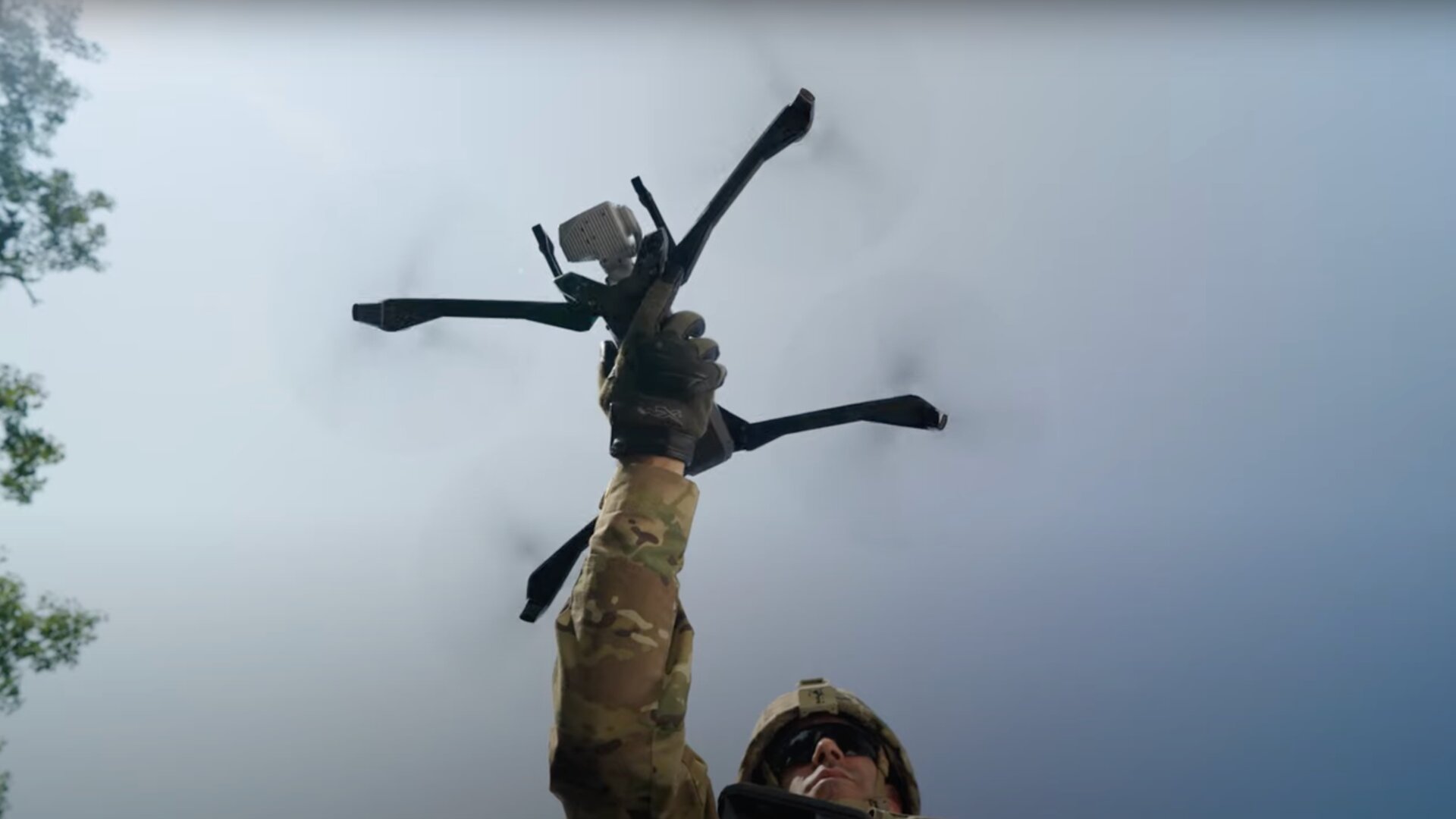
The uncomfortable truth: the UK consumer and enterprise drone market still runs on DJI, and nothing in the Skydio drone manufacturing announcement offers Britain an off-ramp. Skydio sells overwhelmingly to government, public safety, defence and utilities, not to the high-street buyer, and its products carry enterprise pricing to match. Even where Skydio sells to allied nations, that is a procurement relationship for institutions, not a Currys shelf. A British buyer priced out of, or uneasy about, DJI does not gain a realistic alternative because a factory in the US got bigger.
This is where Britain should feel the gap most. The reported $110 million (about £88 million) Series F that pushed Skydio’s valuation to a reported $4.4 billion (about £3.5 billion) is the kind of capital and political backing the UK has not put behind a domestic drone maker at consumer scale. We have promising defence-leaning players, as our Helsing HX-2 coverage showed, and clever manufacturing ideas like Firestorm’s factory-in-a-box, but nothing aimed at the everyday UK operator who currently has no credible non-Chinese option.
The DJI dependency Britain keeps ignoring
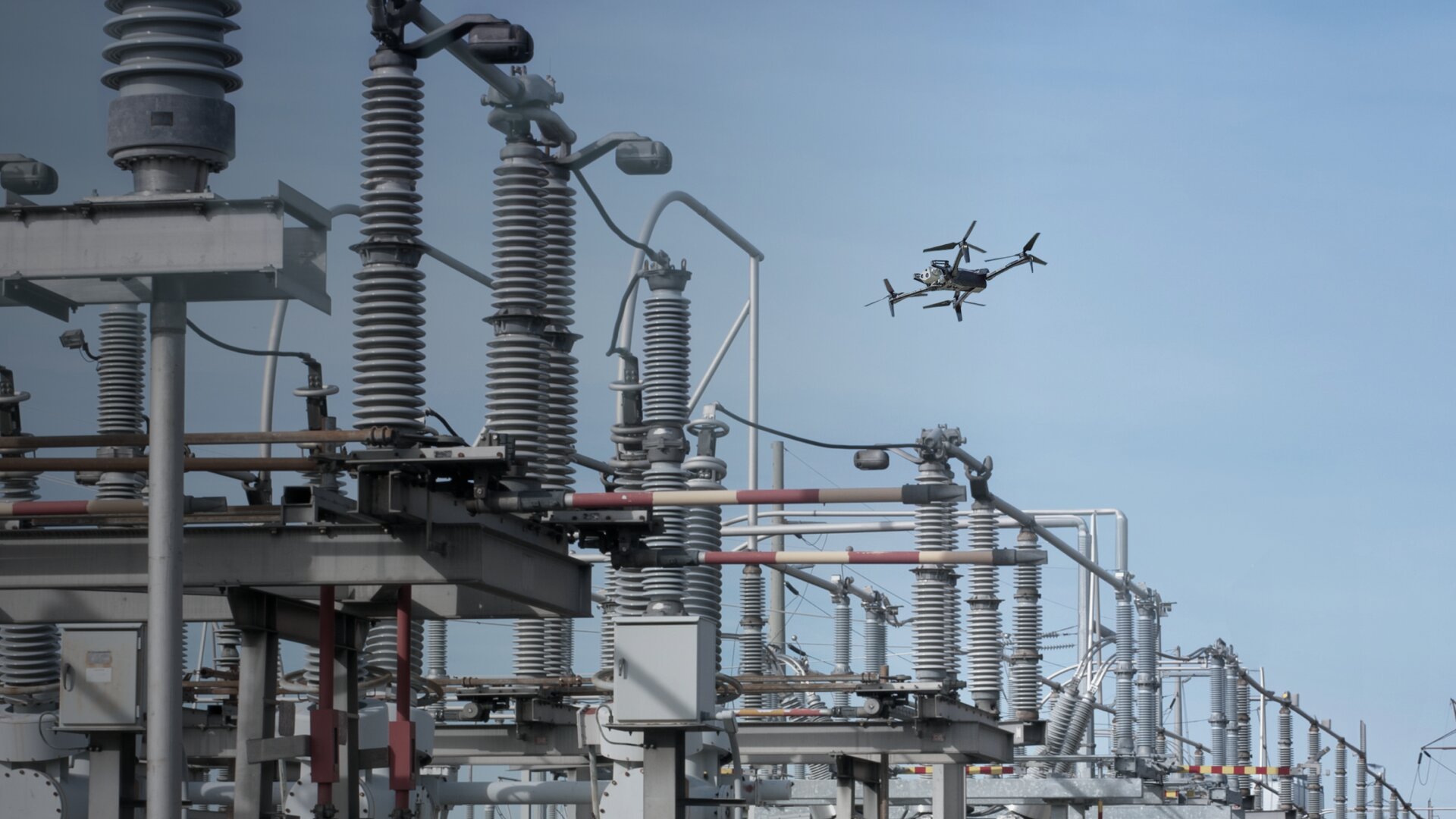
Step back from the Skydio drone manufacturing headlines and look at the British baseline. UK police forces, fire and rescue, search-and-rescue teams, surveyors, broadcasters and tens of thousands of hobbyists overwhelmingly fly DJI, because for years it has been the best value and the most capable hardware available here. That is not a criticism of those operators; it is the rational choice when no alternative exists at the price and quality they need. It is, however, a strategic dependency, and pretending otherwise has been UK policy by default.
The American calculation behind Skydio drone manufacturing treats that kind of dependency as a national-security problem worth $3.5 billion (about £2.8 billion) to solve. Whether or not you accept that threat model, the asymmetry is the point: the US is acting on it while the UK debates it. Every quarter Britain spends admiring other countries’ drone industrial policy is a quarter its own public bodies deepen the very reliance everyone says they are worried about.
There is also a cost argument that rarely gets made. A credible non-Chinese option does not only de-risk procurement; it creates price competition and domestic skills. The UK keeps hoping the market will spontaneously produce a champion. Skydio drone manufacturing is the clearest possible evidence that, in this sector, champions are manufactured by deliberate policy and patient capital, not by wishful thinking.
What the UK should actually do
Take a position: cheering Skydio drone manufacturing is the wrong reflex for Britain. The right one is to demand a UK answer. That means procurement rules that reward domestic and allied supply for public-safety and critical-infrastructure drones, real money behind British and European manufacturers, and a consumer-tier strategy rather than a defence-only one. The US did not get a Skydio by accident; it got one through regulatory pressure on DJI plus capital and government demand pointed in the same direction. Britain has done neither coherently.
| Question | US position | UK position |
|---|---|---|
| Domestic champion | Skydio, scaling fast | None at consumer scale |
| DJI policy | Sustained pressure | Largely unresolved |
| Buyer impact | Real alternative emerging | Still DJI by default |
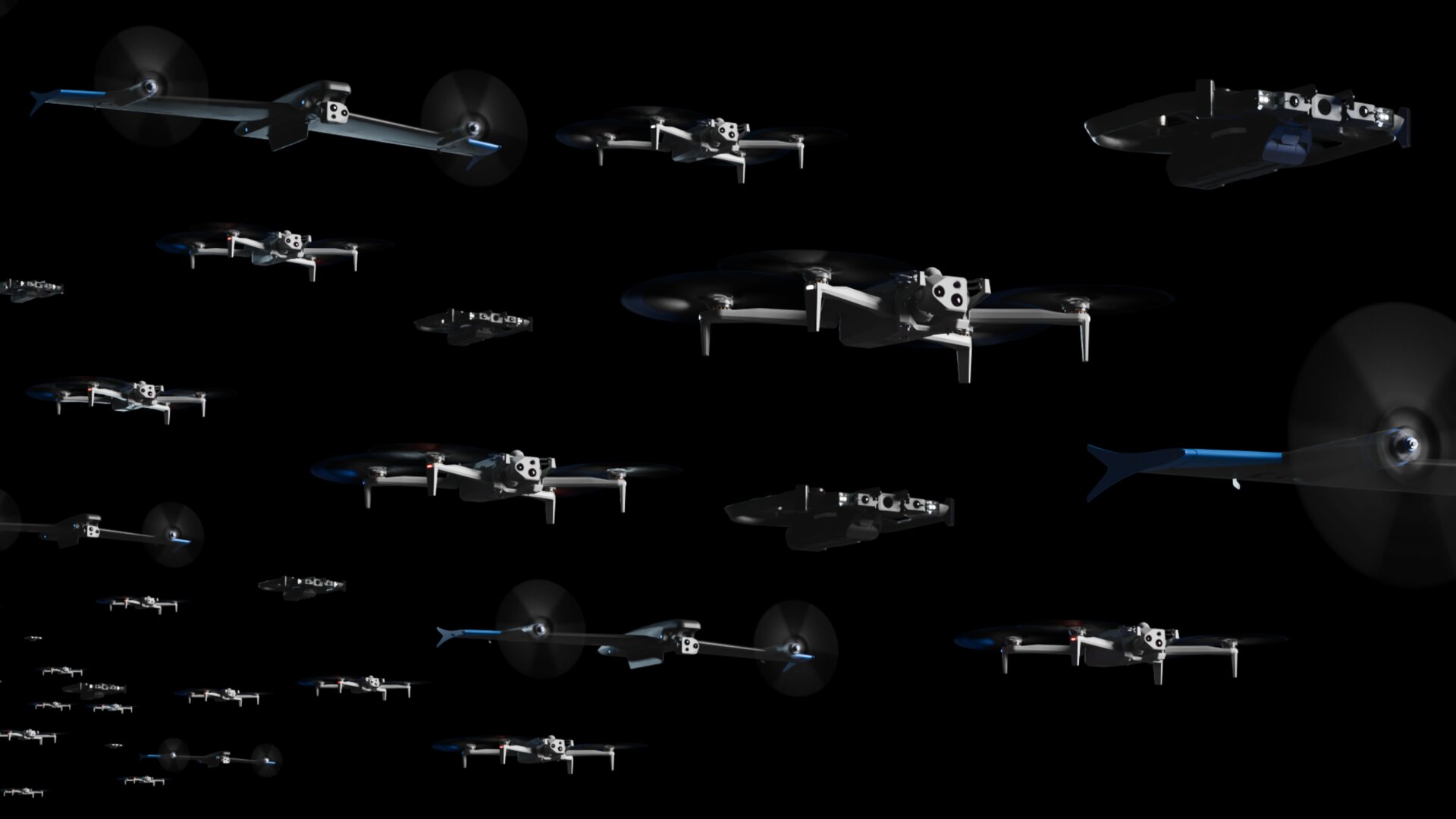
None of this is Skydio’s fault, and the company is not obliged to solve a British problem. That is precisely the point. Skydio drone manufacturing is a rational American move that the UK keeps treating as reassuring international news. It is not reassuring. It is a reminder that two close allies are diverging on drone sovereignty, and only one of them has a plan.
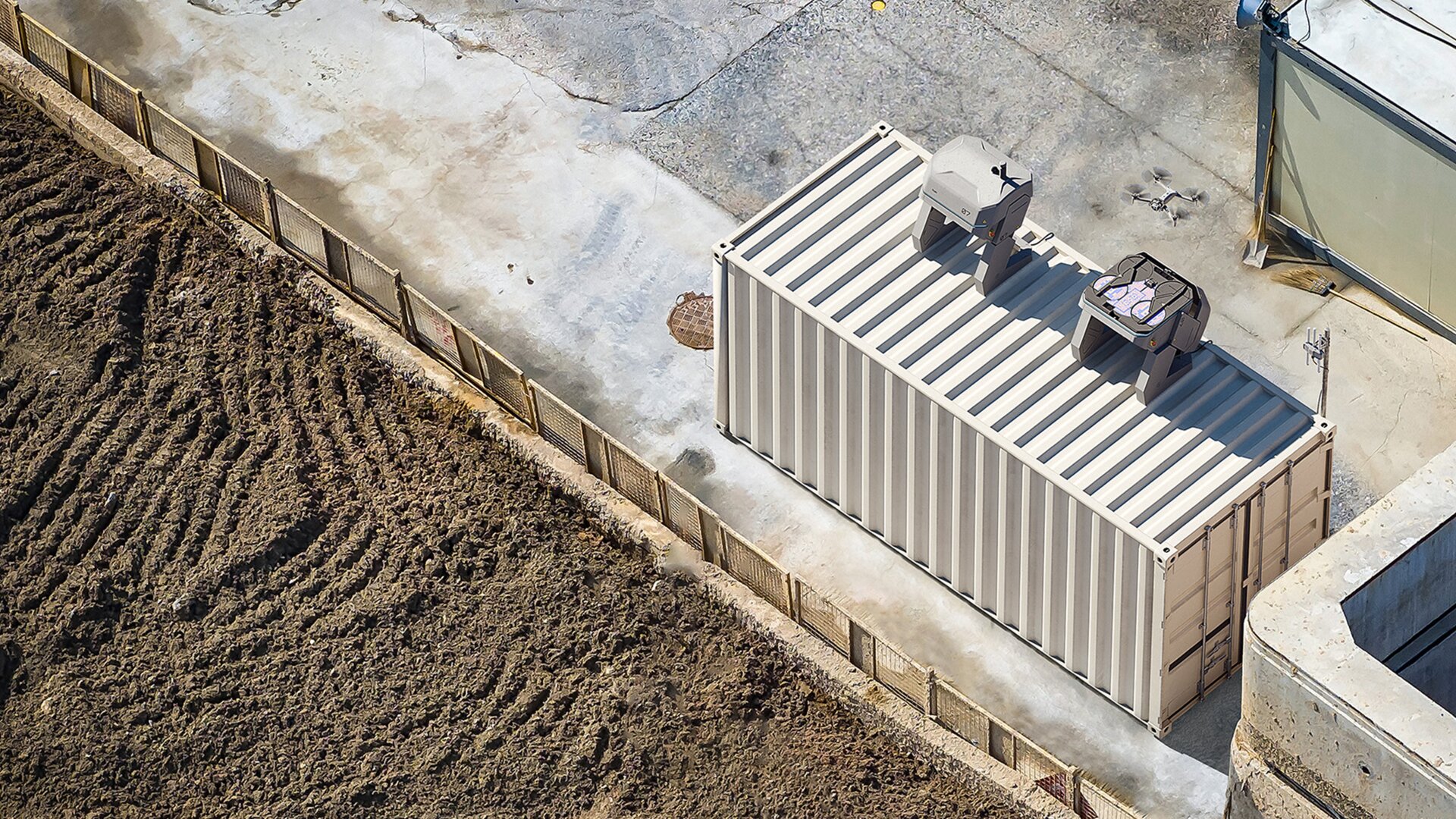
MTW verdict
Skydio’s $3.5 billion (about £2.8 billion) bet is the right move for America and a warning for Britain. The winner is US drone sovereignty; the loser is the UK buyer, who still has no consumer-scale alternative to DJI and no policy pointed at creating one. Stop reporting this as good news for everyone. For the UK it is a challenge unmet, and the clock is the United States’ to keep winning.
MMTW Editorial
Buyer action
Where to buy or check next
Use this as the final check before ordering a phone, changing network or trusting a headline monthly price.







Reader discussion
Leave a comment
Comments are moderated. Keep it useful, accurate, and on topic.