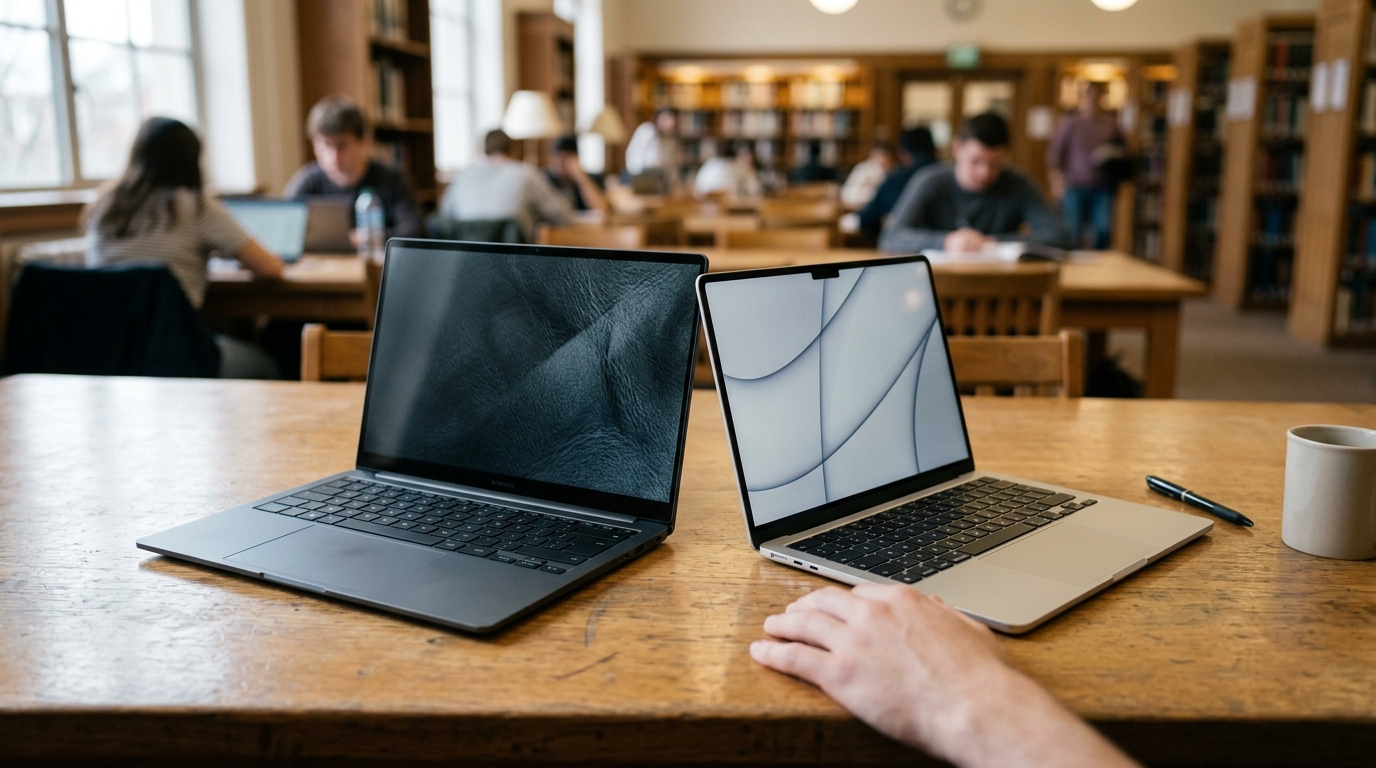
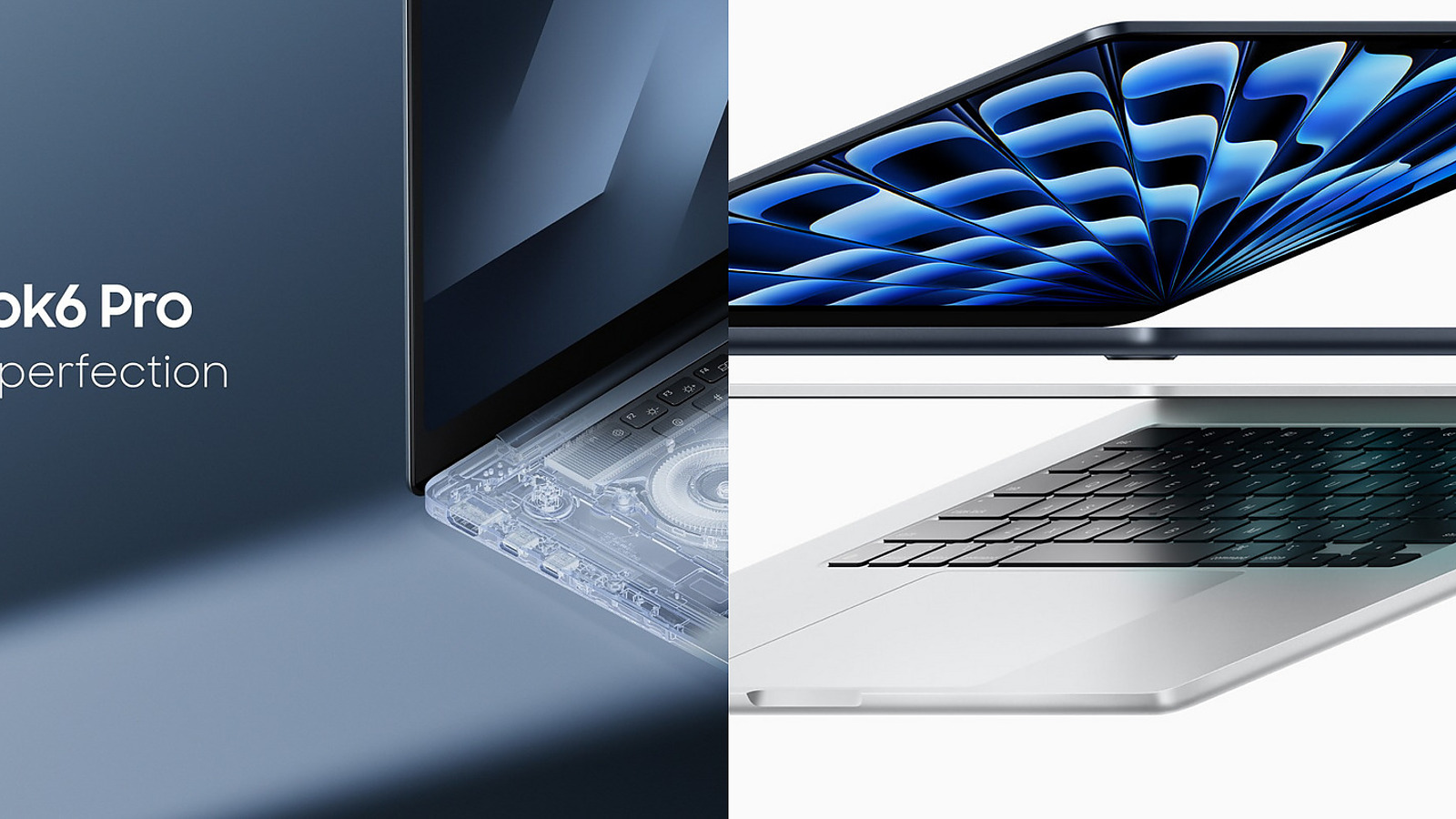
The Galaxy Book6 vs MacBook Air debate has become the defining laptop question for students heading into the 2026-27 academic year, and the answer is less obvious than either Samsung or Apple would like you to believe. Samsung’s 14-inch Galaxy Book6 now starts from £949 in the UK, whilst Apple’s refreshed MacBook Air with the M5 chip opens at £1,099. Both machines weigh practically nothing, and both promise all-day battery life. But the way they achieve those goals could not be more different, and which one suits you depends entirely on how you actually work.
The Specs: Galaxy Book6 vs MacBook Air M5 at a Glance
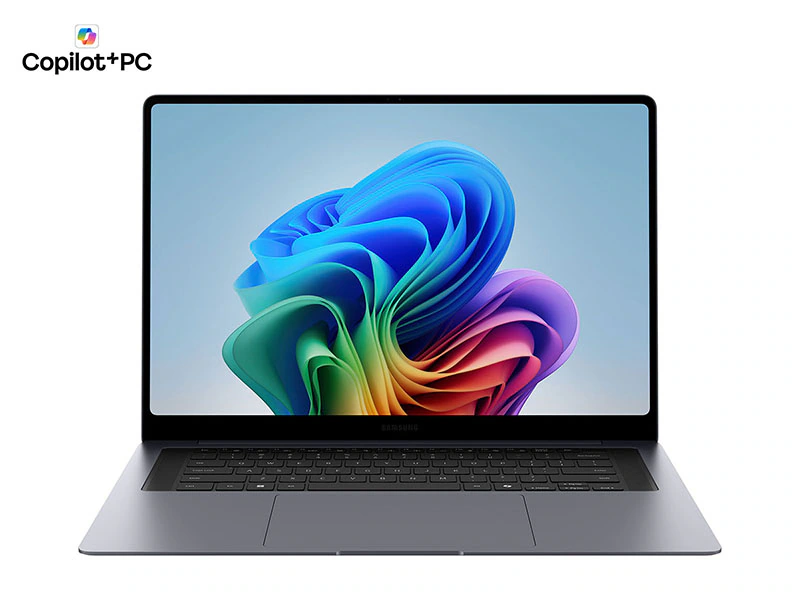
Samsung’s Galaxy Book6 runs on Intel’s Core Ultra Series 3 processor with Windows 11, offering 16GB of RAM and 256GB of storage from £949 for the 14-inch model. Apple’s MacBook Air with M5 pairs Apple’s newest silicon with macOS, starting with 16GB of unified memory and a doubled 512GB of base storage at £1,099. Samsung’s 14-inch model uses a 1920×1200 IPS panel, whilst Apple ships a 13.6-inch Liquid Retina display at 2560×1664. On paper, the MacBook’s screen is sharper. In a lecture hall, you will struggle to tell the difference.
Battery Life: The MacBook Air’s Biggest Advantage — the galaxy book6 vs macbook air angle
This is where the MacBook Air pulls decisively ahead. Apple quotes up to 18 hours of video streaming and up to 15 hours of wireless web, and in real-world mixed use, web browsing, document editing and light media consumption, we consistently see 14 to 16 hours before needing a charger. The Galaxy Book6 manages roughly 12 hours under similar conditions, which is respectable by Windows standards but noticeably shorter. For students who spend long days on campus without reliable access to power sockets, those extra hours matter enormously.
The M5 chip’s efficiency advantage is not just about battery capacity, it is architectural. Apple’s ARM-based silicon sips power during light tasks in a way that Intel’s x86 processors simply cannot match, even with the improvements in the Core Ultra Series 3. Samsung has closed the gap significantly compared to previous generations, but the fundamental platform difference remains.
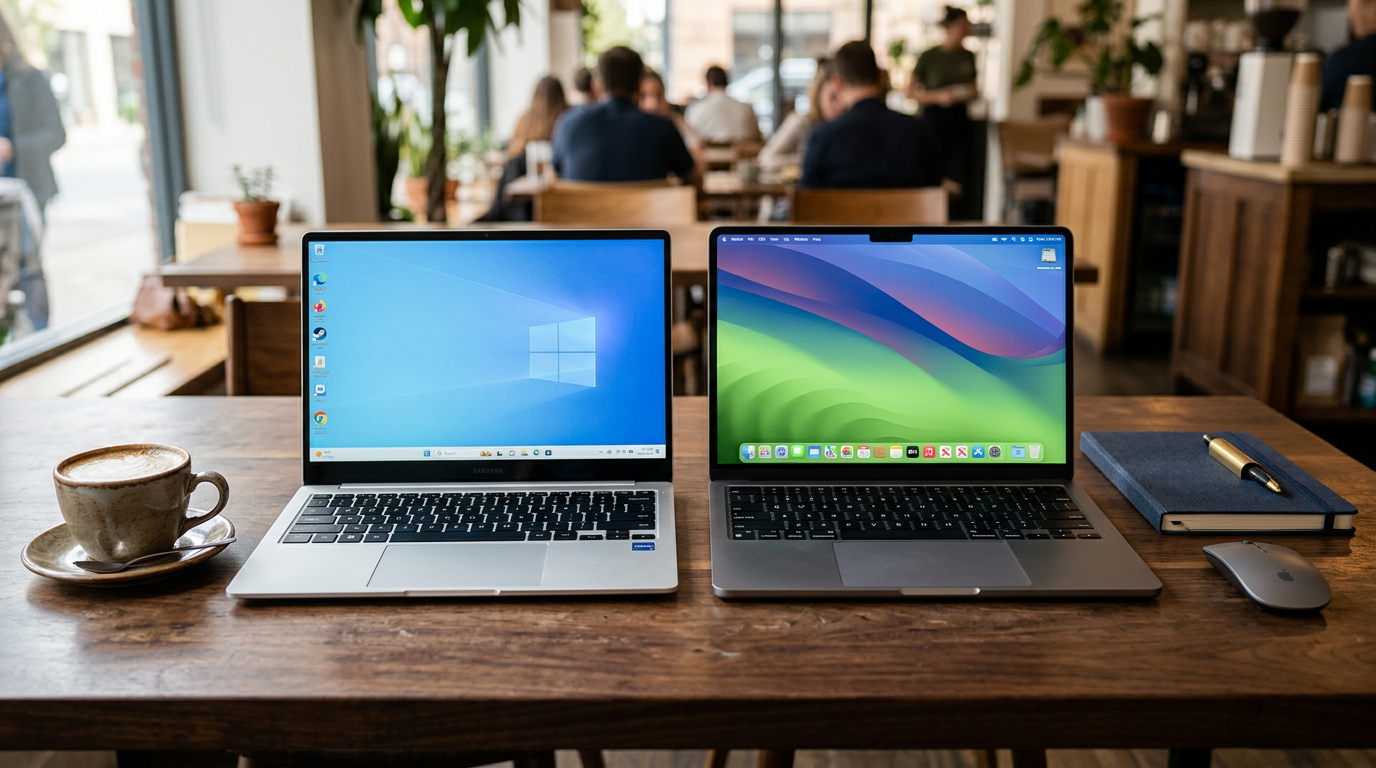
Performance: Single-Core vs Multi-Thread
The M5 dominates single-core performance benchmarks, which translates to snappier everyday tasks: opening apps, rendering web pages, scrolling through documents. Apple’s new Neural Accelerators in every GPU core also give on-device AI a meaningful lift, something students using local LLMs or Final Cut AI tools will notice. For the vast majority of student workloads, the MacBook will feel faster. However, the Intel Core Ultra Series 3 fights back in multi-threaded workloads. If you are a computer science student compiling code, an engineering student running simulations, or a media student editing video with complex effects, the Galaxy Book6 can call on its additional threads to meaningful advantage.
Both machines handle standard university tasks, word processing, spreadsheets, web research, video calls, without breaking a sweat. Performance differences only become apparent when you push into more demanding territory, and even then the gap is modest enough that neither machine will leave you frustrated.
Ports, Peripherals, and Practical Flexibility
Samsung wins the port battle convincingly. The Galaxy Book6 offers two USB-C ports, one USB-A port, a full HDMI output, and a microSD card slot. The MacBook Air M5 gives you two USB-C/Thunderbolt ports, a MagSafe charging port, and a headphone jack. That is it. If you need to plug in a USB drive, connect to a lecture hall projector via HDMI, or transfer photos from a camera’s SD card, the Galaxy Book6 handles it without dongles. The MacBook will have you carrying an adapter or hub, which is an added cost and an added annoyance.
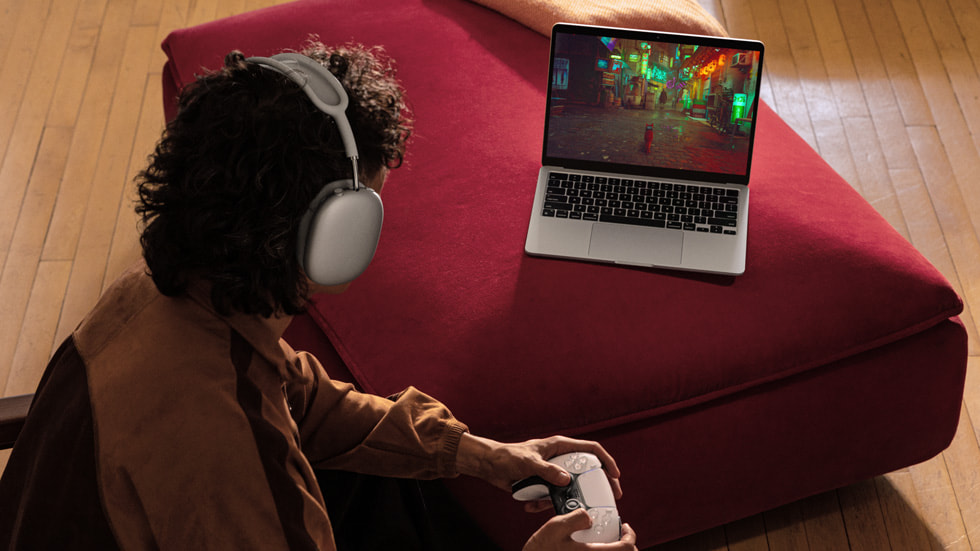
For students who present frequently, connect external monitors in the library, or use older peripherals, Samsung’s port selection is a genuine practical advantage that Apple’s elegant minimalism simply cannot match.
Software Ecosystem and Student Life
This is where personal preference and existing device ownership become decisive factors. If you already own an iPhone, AirPods, and an iPad, the MacBook Air slots into that ecosystem with seamless Handoff, AirDrop, Universal Clipboard, and Sidecar functionality. Apple’s ecosystem lock-in is powerful precisely because it works so well when you are fully committed.
Conversely, if you carry a Samsung Galaxy phone, the Galaxy Book6 offers phone-to-laptop integration through Samsung’s Link to Windows and Phone Link features. You can mirror your phone screen, respond to texts, and access phone apps directly from the laptop. The Windows ecosystem also offers broader software compatibility, some specialist academic software, particularly in engineering and sciences, only runs on Windows without virtualisation workarounds.
Student discounts are available for both. Apple offers its Education Store pricing with modest savings and occasional AirPods bundles. Samsung’s student portal typically offers 10 to 15 per cent off with a valid student email, which at the £949 entry price represents a more significant saving.
Verdict: MacBook for Battery and Reliability, Galaxy Book for Flexibility
If battery life is your top priority and you want a machine that just works without fuss for four years of university, buy the MacBook Air with M5. Apple’s combination of all-day battery, consistent performance, and macOS reliability makes it the safer choice for students who want to open the lid and get to work without thinking about their laptop. The resale value after graduation is also significantly better than any Windows alternative.
If you need Windows software compatibility, better port selection, Android phone integration, or you simply prefer the flexibility that Windows provides, the Galaxy Book6 is an excellent machine that will serve you well. The battery life gap is real but manageable if you can charge during the day, and Samsung’s build quality has improved to the point where it genuinely rivals Apple’s hardware. For more, see our Samsung coverage. You might also read Samsung Galaxy S26 Ultra vs iPhone 17 Pro Max: The Only Comparison That Matters in 2026.
Neither choice is wrong. Both are capable, well-built ultrabooks at a fair price. But do not let brand loyalty make the decision for you, think about how you actually work, what phone you carry, and how much you value battery life versus port flexibility. That honest assessment will give you a clearer answer than any spec sheet.
Related reading on MTW
Final verdict
Galaxy Book6 vs MacBook Air M4: which ultrabook UK students should actually buy in 2026. Battery, keyboard, display, Copilot+ AI features and the value gap explained.
How we compare
Buyer action
Where to buy or check next
Use this as the final check before ordering a phone, changing network or trusting a headline monthly price.



Reader discussion
Leave a comment
Comments are moderated. Keep it useful, accurate, and on topic.