UPDATED · News · 12 May 2026 · Daniel Reid
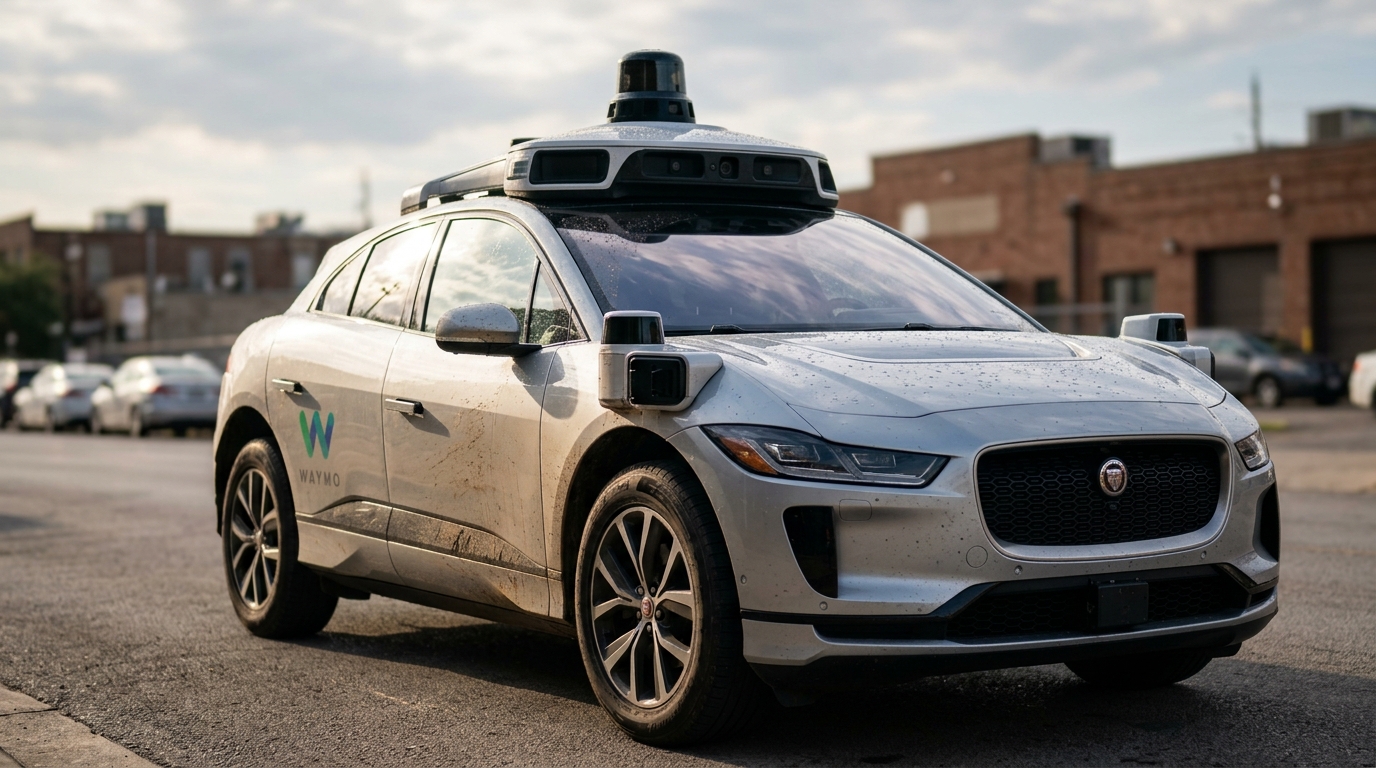
Waymo robotaxi recall is the 12 May headline that turns a Texas flood into a fleet-wide software fix. NHTSA announced a voluntary recall of 3,791 Waymo robotaxis after one of the company’s autonomous Jaguar I-Pace cars drove into a flooded San Antonio road and was swept into Salado Creek.
- Waymo recall covers 3,791 vehicles using fifth- and sixth-generation automated driving systems; NHTSA announced it on 12 May 2026.
- Trigger event: an unoccupied Waymo Jaguar I-Pace entered a flooded San Antonio roadway on 20 April 2026 and was swept into Salado Creek.
- The vehicles slowed but did not stop when meeting impassable flooding on higher-speed roads, instead continuing through.
- The fix is an over-the-air software update, deployed across Phoenix, San Francisco, Los Angeles, Austin, San Antonio and Atlanta operating areas.
Why the Waymo robotaxi recall matters more than the headline number
The Waymo robotaxi recall is small by US auto standards. 3,791 cars is a rounding error next to the millions of vehicles a typical airbag or seatbelt recall touches. The reason it matters is what triggered it. An unoccupied Waymo Jaguar I-Pace approached a flooded section of road with a 40 mph speed limit in San Antonio, slowed down, and proceeded into water deep enough to sweep the vehicle into Salado Creek. Crews recovered the car four days later along the Salado Creek Greenway Trail system near Pletz County Park. The vehicle was empty. If a paying rider had been on board, this would have been a very different press release.
The Waymo robotaxi recall also covers both the fifth- and sixth-generation Waymo Driver systems, which run across every city Waymo operates in: Phoenix, San Francisco, Los Angeles, Austin, San Antonio and Atlanta. That is “the entire active fleet” framed in a more clinical way. Waymo’s own statement to NHTSA admitted to “an area of improvement regarding untraversable flooded lanes specific to higher-speed roadways”. In plain English: the car saw the water, registered the water, and still rolled in.
How the Waymo robotaxi recall fix actually works
Unlike a brake-line recall on a Ford F-150, the Waymo robotaxi recall does not require anyone to drive to a service centre. Waymo filed the voluntary recall with NHTSA on 30 April, then announced it publicly on 12 May. The remedy is an over-the-air software update pushed to every Waymo Driver in the field. Waymo has also implemented interim “mitigations” — limits on where its robotaxis operate during extreme weather, designed to keep cars out of areas where flash flooding might occur during heavy rain.
That is the bigger autonomous-vehicle precedent in this story. OTA recalls are normal for Tesla and have become more common across the industry. A robotaxi fleet has the further advantage that the operator owns every vehicle and pushes updates whenever it likes. Waymo’s San Antonio service remains temporarily suspended while the final remedy is locked in. The broader debate about whether robotaxi prediction is genuinely a full-stack problem got a lot more concrete this week.
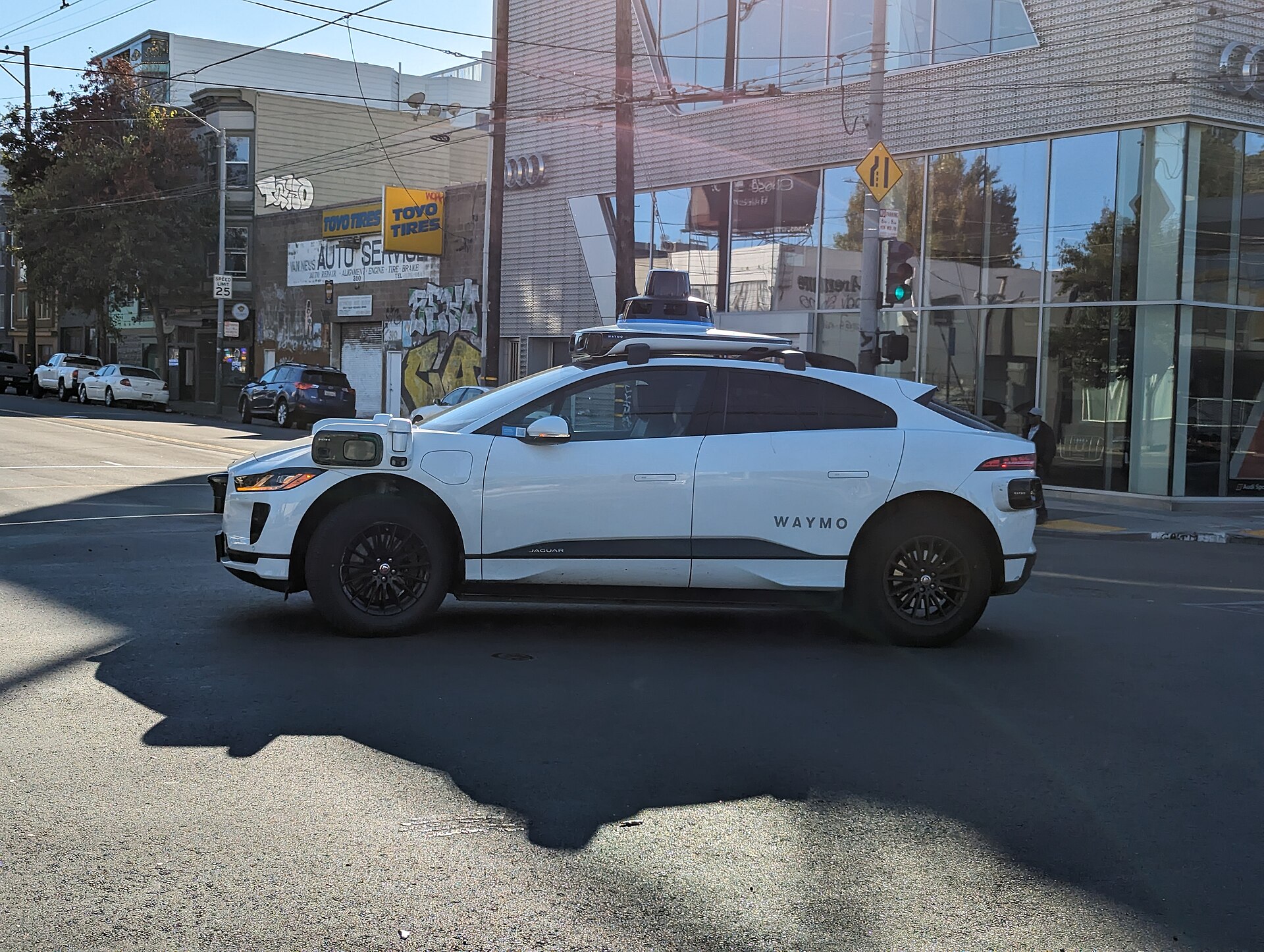
Waymo robotaxi recall timeline and what NHTSA is actually saying
The dates matter. The triggering incident was on 20 April 2026. Waymo filed the voluntary recall with NHTSA on 30 April. NHTSA’s public announcement came on 12 May. That is a relatively tight three-week cycle for a federally documented autonomous-vehicle recall, and it points to a company that wanted to get ahead of a story rather than wait for regulators to force the issue. NHTSA’s filing notes that Waymo is still “developing the final remedy”, which is the polite federal phrase for “the patch is shipping but not finished”.
| Date | Waymo robotaxi recall milestone | MTW read |
|---|---|---|
| 20 April 2026 | Unoccupied Waymo Jaguar I-Pace swept into Salado Creek, San Antonio. | The incident that forced the issue. |
| 30 April 2026 | Waymo files voluntary recall with NHTSA covering 3,791 vehicles. | Faster than the industry norm. |
| 12 May 2026 | NHTSA publicly announces the recall and OTA software fix. | The Waymo robotaxi recall hits global headlines. |
The wider regulatory context here is the steady move toward treating autonomous-vehicle software defects exactly like mechanical defects. NHTSA’s first Waymo recall, in February 2024, covered a handful of towed-vehicle crashes. This one is the second known recall and is significantly broader in fleet scope. As Waymo grows from a few thousand vehicles into the much larger deployment EV makers and ride-hail operators have planned, expect this kind of incident-driven OTA recall to become normal — and expect regulators in the UK and EU to use the US filings as a template.
What UK readers should take from the Waymo robotaxi recall
Waymo does not operate in the UK and has no announced UK rollout date, so the Waymo robotaxi recall is not a “your local ride” story here. It is a regulatory story. UK Automated Vehicles Act work and the DfT’s wider autonomous-vehicle framework still references the US filings whenever a real-world incident hits the news. This recall provides one more data point on flood and standing-water behaviour that will land in those reviews, and any operator looking to bring a robotaxi service to the UK should expect their software to be tested on flooded-lane scenarios at certification.
The story also matters for UK EV buyers in a smaller, indirect way. Robotaxi growth pulls demand and engineering attention into AV-specific sensor stacks, which trickles down into the lane-keep, traffic-jam-assist and city-pilot features Tesla, BYD, Volvo and Mercedes are selling on consumer EVs. If you are shopping the Tesla Model Y, Ioniq 5 or EV6 family car comparison right now, the Waymo robotaxi recall is a reminder that “autonomous” still has hard edge cases — and standing water on a 40 mph road is one of them.
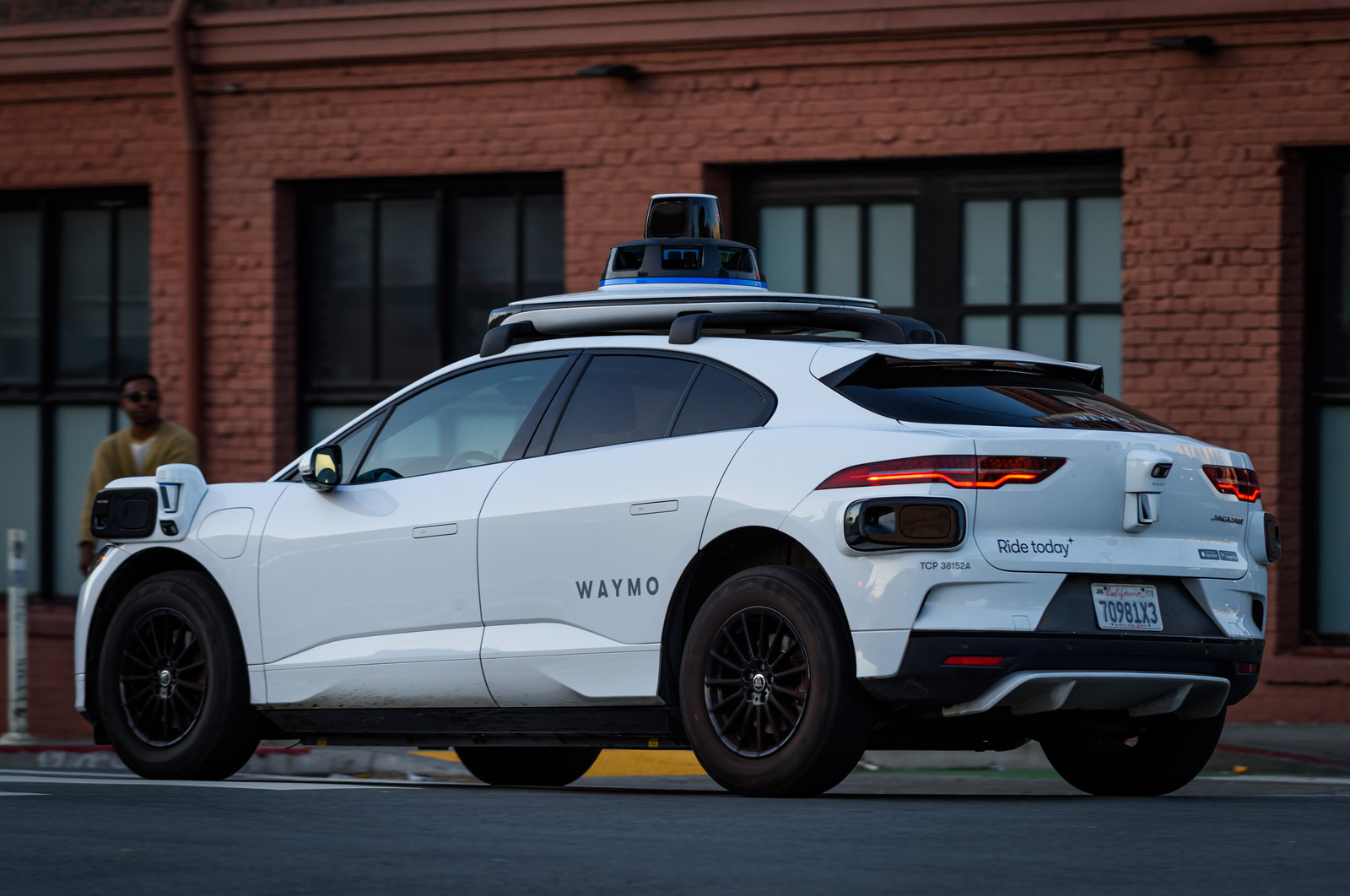
What it does not do is end the Waymo story. The company is still the most-deployed robotaxi operator in the US, the OTA recall is a fast, surgical response, and the 12 May filing reads as a corporation getting ahead of a problem rather than hiding one. The honest takeaway is that 3,791 cars getting a flood-handling software patch in May 2026 is, on balance, a sign the system is working — not a sign it is broken.
The wider 2026 context is that autonomous-vehicle and robotaxi software stacks are increasingly judged on edge-case behaviour, not happy-path mileage. Our read on NVIDIA’s physical AI robotics push earlier this year argued exactly that, and the Waymo robotaxi recall is a fresh data point in the same direction.
MTW verdict
The Waymo robotaxi recall is small in vehicle count but big in precedent. An OTA fix to 3,791 autonomous Jaguar I-Pace cars in three weeks is exactly the post-incident response regulators want to see, and UK policy makers should be reading the NHTSA filing closely as the UK robotaxi conversation accelerates.
Buyer action
Where to buy or check next
Use this as the final check before ordering a phone, changing network or trusting a headline monthly price.








Reader discussion
Leave a comment
Comments are moderated. Keep it useful, accurate, and on topic.