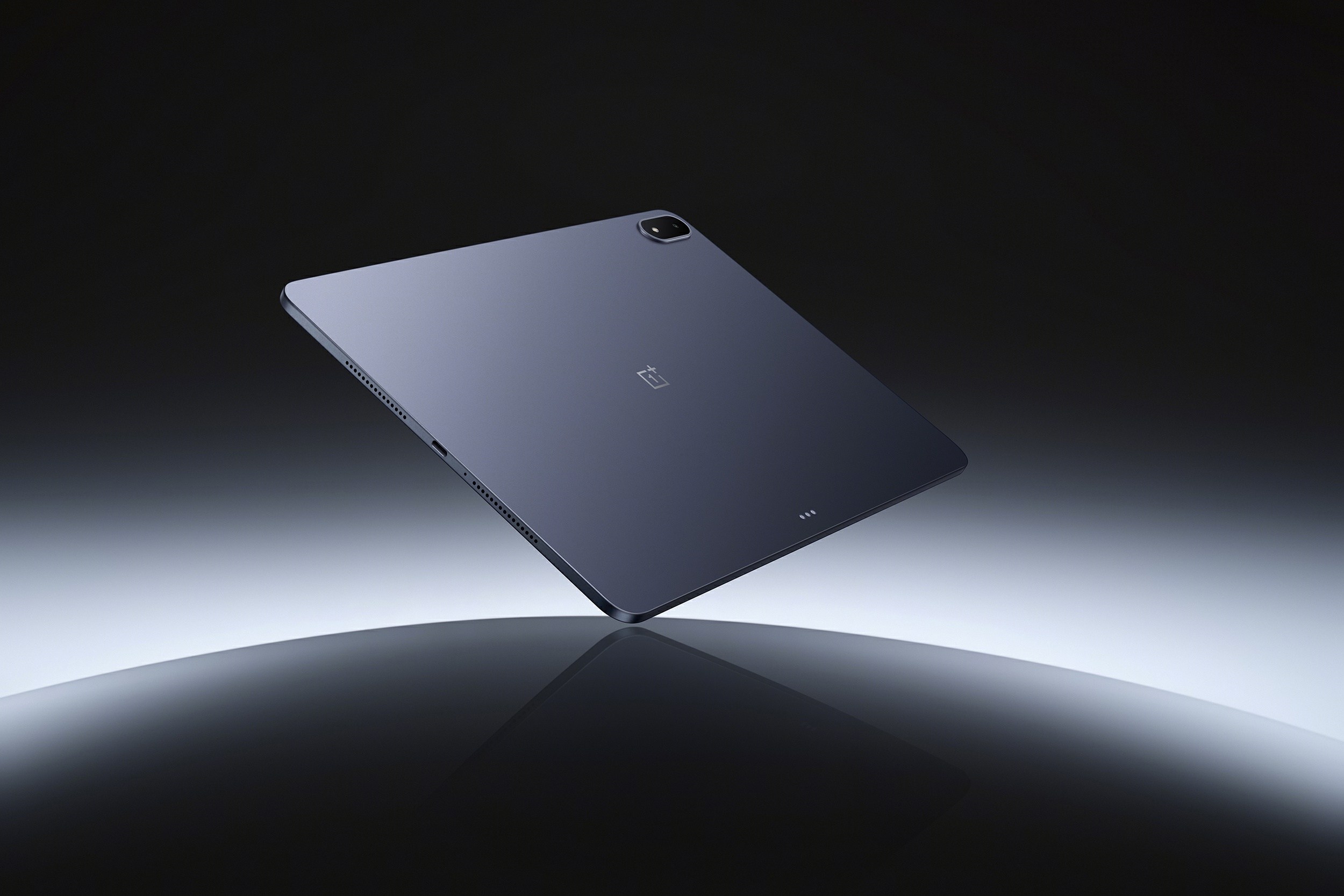
OnePlus put the Pad 3 on open sale in Britain from 09:00 BST on 19 June 2025 — a Snapdragon 8 Elite flagship tablet priced at £529 for 12GB of RAM and 256GB of storage, with a 16GB/512GB step-up at £599. OnePlus made the device official on 5 June 2025, and the number that matters a year on hasn’t moved: this is a genuine flagship slate sitting below the price of Apple’s mid-tier iPad Air. That is an awkward place for a product to live, and it is precisely the discomfort OnePlus wants Apple to feel.
What OnePlus isn’t leading with is that the sub-£529 headline you may remember was a launch stunt, not the standing price. For six weeks from launch the company knocked £70 off the 16GB/512GB model to match the base £529, so for a window you could buy the top configuration at the entry cost. Mobile Man Dan’s UK launch coverage pegged that offer to 31 July 2025. It is long gone. So judge the Pad 3 on what it costs today — £529 base, £599 for the larger model at oneplus.com — because that is the only price a buyer can actually act on now, and the good news is the proposition holds at RRP anyway.
Why the £529 base price is the real story
Strip out the expired deal and you are left with the fact OnePlus would rather Apple didn’t dwell on: £529 buys a tablet with flagship silicon inside it, not the sleepy mid-range part most Android slates hide behind a big screen. The GSMArena hands-on and The Verge’s launch report both frame the Pad 3 as the real thing: Qualcomm’s Snapdragon 8 Elite doing the heavy lifting, a large high-refresh display, and a chassis that reads premium in the hand rather than merely large. That is the same tier of chip you’d find in this year’s Android flagship phones.
That distinction is the whole game, and it is the part I keep coming back to. The tablet market is littered with cheap Android slates running processors that stutter the moment you ask them to do two things at once, and they are exactly the devices I’d steer any reader away from — a big, laggy screen is a worse buy than a small, quick one. The Pad 3 is not that. It is a proper flagship engine at a price that sits below Apple’s mid-tier tablet, which is a rare and slightly uncomfortable position for a product to occupy. This is not a budget compromise dressed up to hit a number; it is a premium tablet that happens to undercut a more expensive one. If you’re weighing the field, MobileTechWorld’s guide to the best Android tablets in the UK for 2026 puts the Pad 3’s positioning into sharper relief against the Samsung and Xiaomi alternatives.
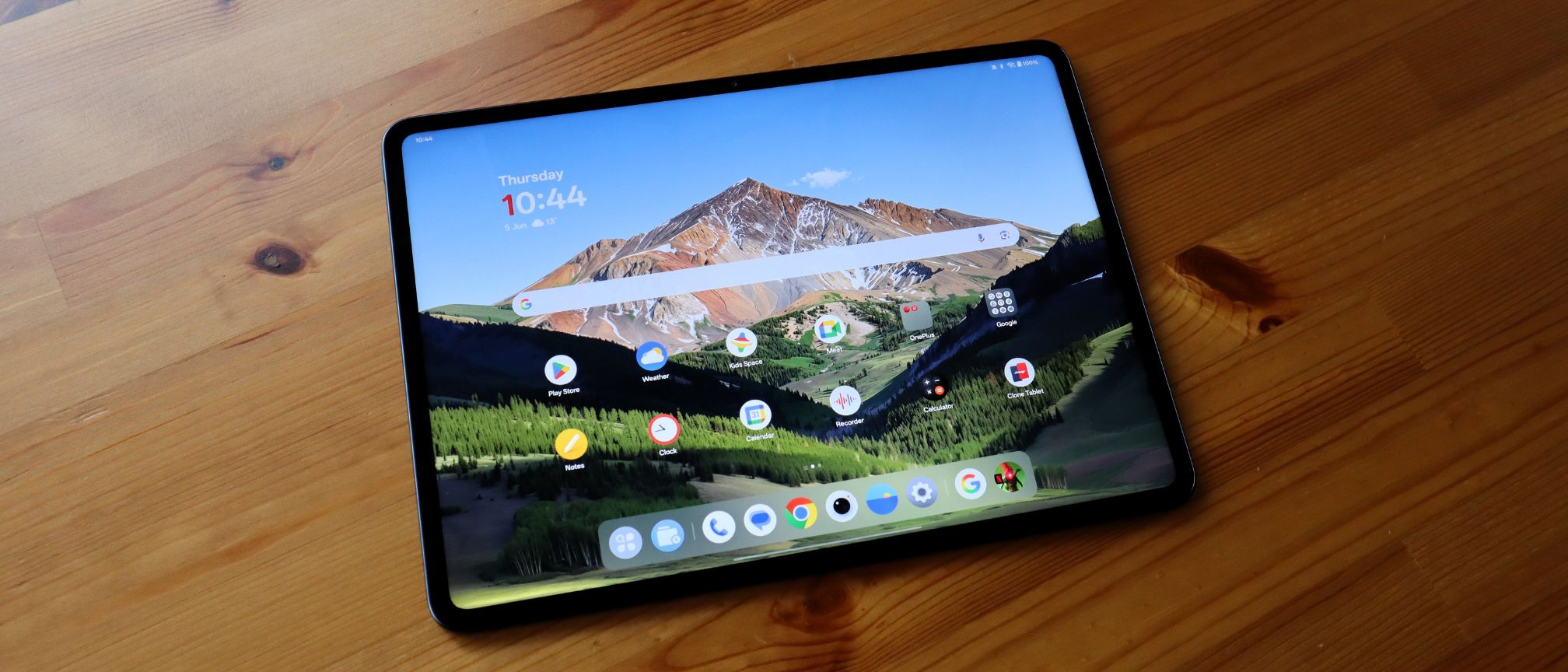
The Pad 3’s real weapon isn’t a benchmark score. It’s that a flagship-tier chip now ships below the price of Apple’s mid-range tablet — and Apple has no clean answer.
The accessory tax is real — read the total, not the tablet
Here is where I’d slow any prospective buyer down, because it’s the bit the price tag doesn’t tell you. A tablet at this level is only half a purchase; the keyboard and stylus are what turn it from a media slab into something you’d genuinely work on. OnePlus knows this and prices accordingly. At UK launch the accessories landed at £99 for the Stylo 2 stylus, £169 for the Smart Keyboard and £59 for the Folio Case.
There’s a quieter reading of those numbers, too. At £99 and £169, OnePlus is pricing its stylus and keyboard as serious peripherals rather than throwaway extras, which tells you the company expects the Pad 3 to be used for real work, not just Netflix in bed. That is confidence Android tablet makers rarely show, and it’s earned here — but it also means the sub-Apple framing quietly dissolves the moment you tick the productivity boxes. The Folio Case at £59 is the one I’d treat as non-negotiable; a glass slab this size does not survive a household unprotected.
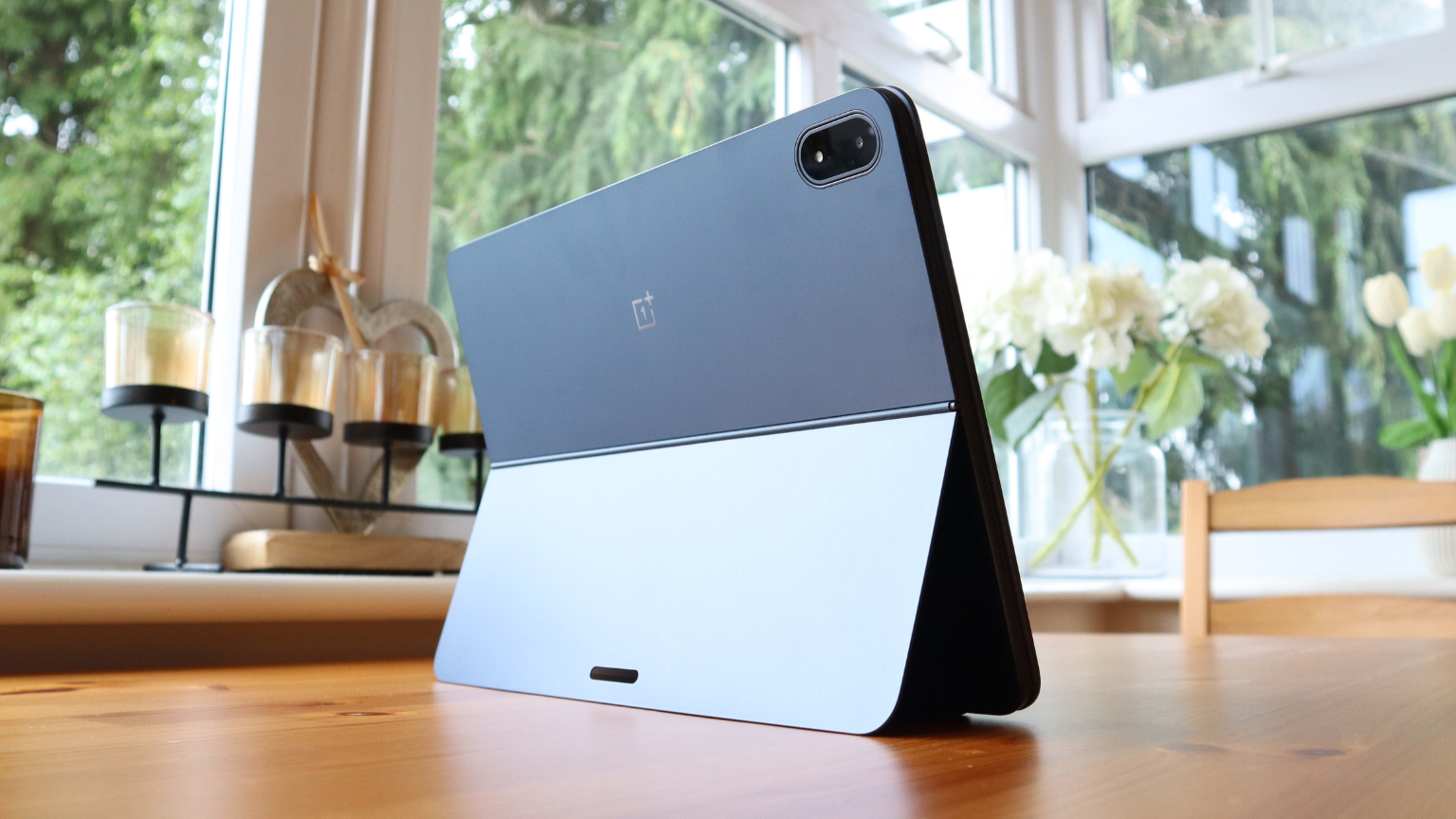
Do the sum. A £529 Pad 3 with the keyboard and the stylus is £797 before you’ve added a case, and £856 with one. That is still competitive against a comparably specced iPad Air once you’ve loaded Apple’s Magic Keyboard and Pencil onto the bill — Apple’s accessory pricing is famously punishing — but it is no longer a £529 story. The number that sells the Pad 3 and the number you actually spend are two different figures, and any honest recommendation has to lead with the second. If your use is reading, streaming and the odd email, skip the keyboard and the £529 headline stands. If you’re buying it to replace a laptop, budget for the full £797-plus and judge it on those terms.
Where it leaves the iPad Air — and Android buyers
The iPad Air’s advantage was never the hardware in isolation; it was the ecosystem, the app quality and the resale value, all of which remain real and worth paying for if you’re already inside them. What the Pad 3 removes is the price cushion Apple has always relied on. When a rival flagship tablet costs meaningfully less than Apple’s mid-range one and doesn’t feel like a compromise in the hand, “just buy the iPad” stops being the automatic answer. For anyone already committed to Android — the sort of reader weighing up the best iPhone alternatives in the UK for 2026 — the Pad 3 makes staying in the ecosystem genuinely easy rather than a grudging trade-off.
It won’t convert an iPad household, and I wouldn’t pretend otherwise. Tablet software is still Apple’s home turf, and if your family lives inside iMessage, FaceTime and the App Store’s better tablet apps, the Pad 3 doesn’t change that maths. For those buyers the calculus is different, and our look at whether the entry iPad still justifies its price in 2026 is the more relevant read. But for the growing group of Britons who don’t want to pay the Apple premium and won’t accept a sluggish Android slate as the alternative, OnePlus has quietly built the tablet that closes the gap — and priced it to be taken seriously rather than to look cheap.
My honest read on where the Pad 3 lands
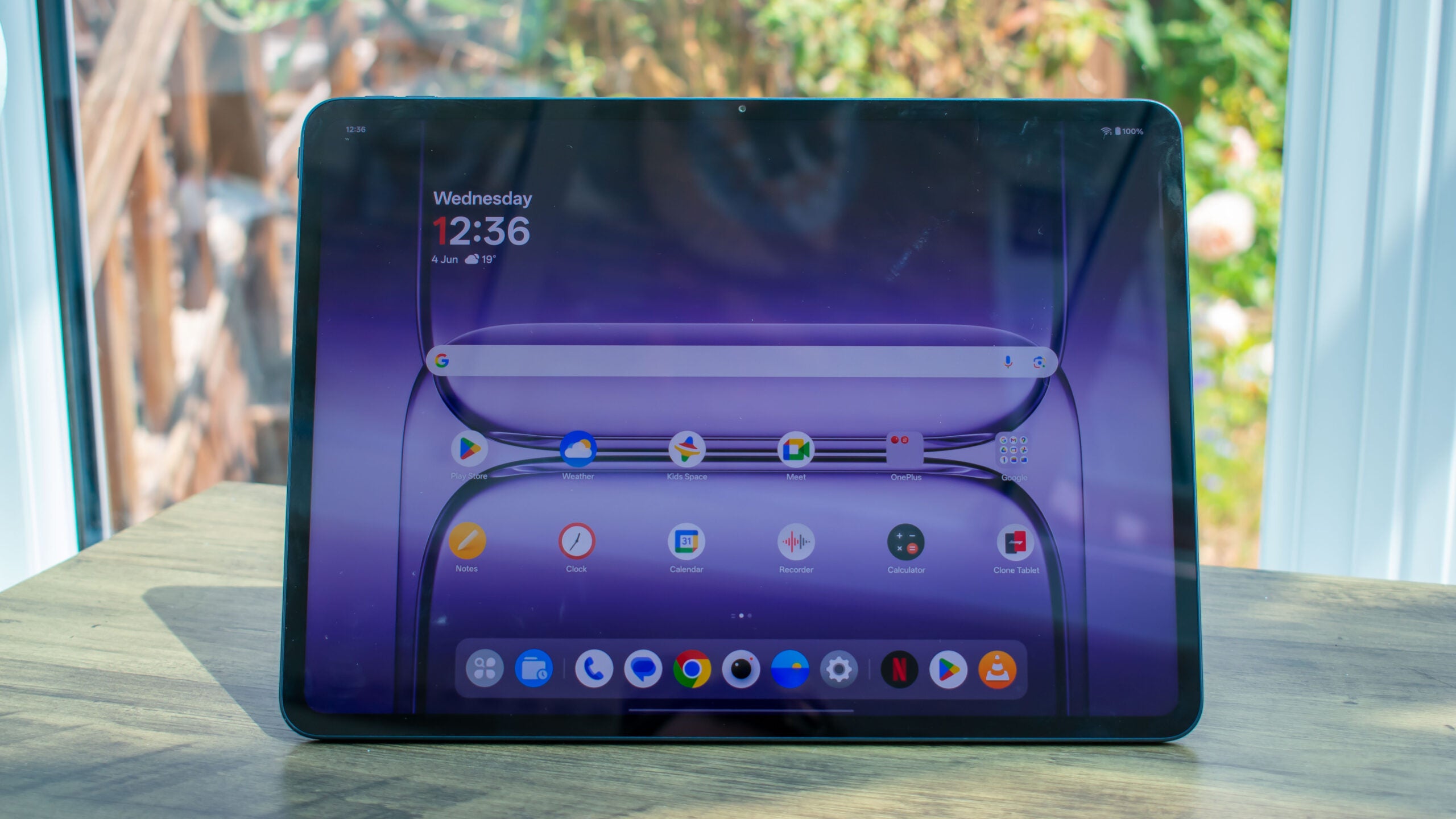
The Pad 3 is the first Android tablet in a while I’d recommend without immediately reaching for a caveat about the chip or the screen. The caveat I do reach for is the accessories, and it’s a caveat about how you buy it, not whether you should. Bought as a media and browsing tablet at £529, it’s the clear-eyed pick over anything Apple sells near that money. Bought as a laptop replacement at closer to £800 all-in, it’s still a strong buy — just measure it against a fully kitted iPad Air rather than the base one, because that’s the fight OnePlus actually picked.
The launch discount is history and it isn’t coming back, but it proved the point that still stands: OnePlus can sell a flagship-tier tablet at the price Apple charges for a mid-range one and still make the numbers work. That’s the fact that should keep Cupertino uneasy, and it’s why the Pad 3 belongs on any premium Android shortlist in Britain right now. Check current configurations and pricing directly at OnePlus UK before anything moves again.
How we compare
Buyer action
Where to buy or check next
Use this as the final check before ordering a phone, changing network or trusting a headline monthly price.





Reader discussion
Leave a comment
Comments are moderated. Keep it useful, accurate, and on topic.