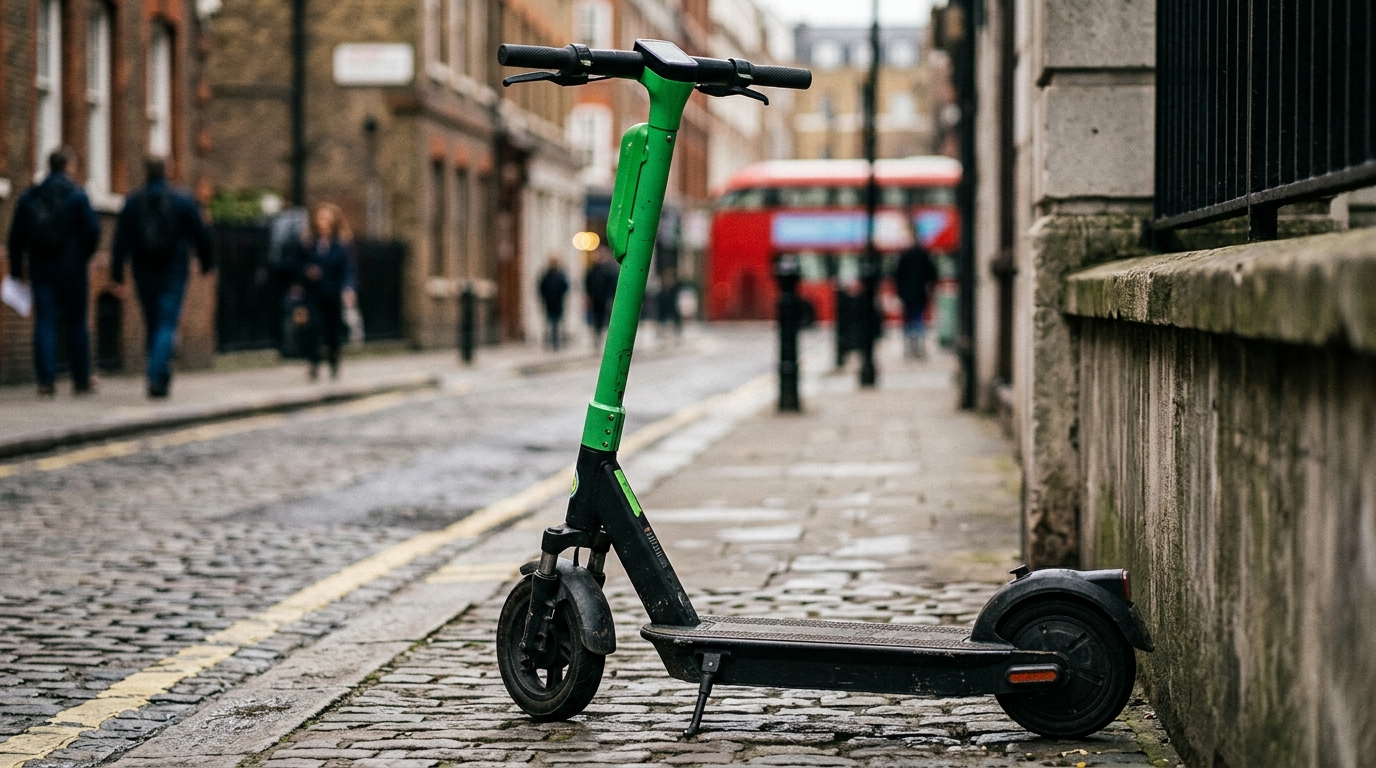
Lime IPO is the micromobility filing the industry has been waiting eight years to read, and the going-concern warning that makes Friday’s S-1 worth your attention. Lime parent Neutron Holdings filed paperwork with the SEC on 8 May 2026 for a Nasdaq listing under the ticker LIME, with Goldman Sachs and JPMorgan leading the syndicate.
- Lime parent Neutron Holdings filed an S-1 with the SEC on 8 May 2026 for a Nasdaq IPO under ticker LIME.
- Reported target valuation: around £2 (about $2) billion – a steep climb from the £405 (about $510)m Uber paid in 2020.
- Gross revenue grew to £700 (about $886)m in 2025 from £540 (about $686)m in 2024; net loss widened from £27 (about $34)m to £47 (about $59)m.
- Three straight years of positive free cash flow, ending 2025 at £82 (about $104)m.
- £670 (about $845.8)m of loan principal payments are due within 12 months, with Lime warning it cannot repay without a successful IPO.
- Underwriters: Goldman Sachs, JPMorgan, Jefferies. Uber remains the largest outside backer.
Why the Lime IPO matters beyond the scooter market
The Lime IPO is not really about Lime. It is about whether the dockless-vehicle category – shared e-bikes, e-scooters and the small-format two-wheelers that absorbed three years of growth capital between 2018 and 2022 – has a sustainable business attached to it, or whether the entire micromobility wave was a venture-funded subsidy that died with cheap capital. Lime is the last major Western operator standing. Bird went bankrupt in 2023. Tier was absorbed by Dott. Spin was sold to Tier and then quietly wound down. If Lime cannot list, the public-markets answer to whether shared micromobility works is “no” for the foreseeable future.
The S-1 numbers cut both ways. Gross revenue of £700 (about $886)m in 2025 is a genuine business – that is the same revenue scale Peloton hit at its IPO. Three years of positive free cash flow (£82 (about $104)m in 2025) is the bit Lime executives will keep repeating at roadshows. But the £47 (about $59)m net loss is widening, not narrowing, and the £670 (about $845.8)m of debt principal due within 12 months turns this into a survival listing rather than a growth story. The going-concern note in the S-1 says it plainly: Lime cannot pay its lenders without the IPO. That is the kind of disclosure the SEC requires when failure is a live option.
How the Lime IPO compares to micromobility’s last decade
Lime’s £2 (about $2)bn target valuation is a humbling number for anyone who watched the company peak. In 2019 Lime was reportedly valued at £2 (about $2.4)bn. Uber’s 2020 lead investment came in at a £405 (about $510)m valuation – a 78 percent crash brought on by lockdown rider collapse. Recovering to £2 (about $2)bn five years later is, in micromobility terms, victory. In venture terms it is mediocre. Public investors will be asked to take the same risk Uber took five years ago, at four times the price, in a category where the regulatory backdrop has become decidedly worse: Paris voted to ban shared e-scooters in 2023, multiple UK cities have killed trials, and the global TAM is now more visibly capped than the 2018 boom assumed.
The Lime IPO read for UK riders
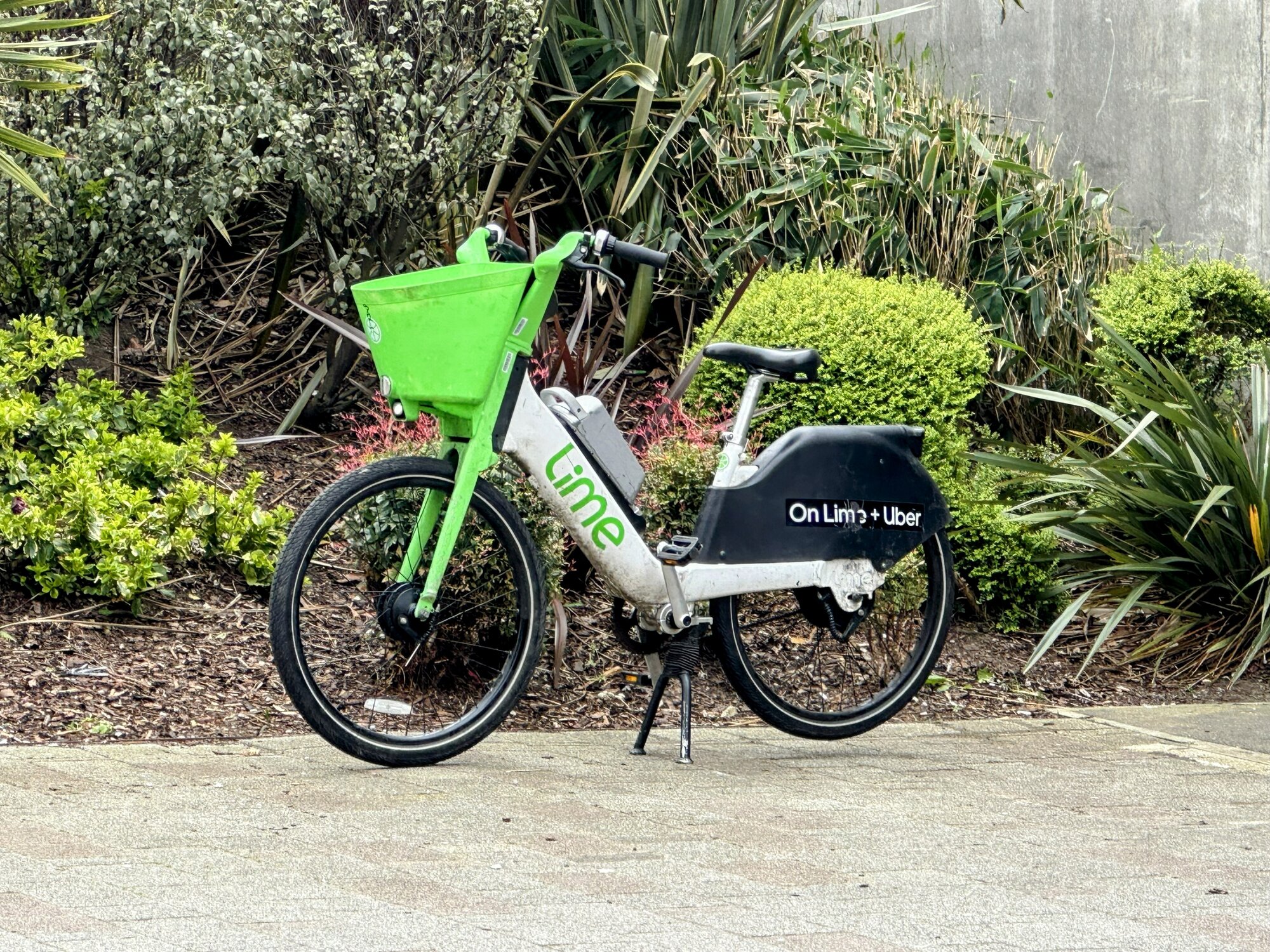
For UK readers, the Lime IPO is the most important transport-tech story of the month for a non-obvious reason: Lime is the dominant shared e-bike operator in London, and the regulatory framework around the rental-only model is still in flux. The 2025 London Assembly review explicitly called for permit consolidation and parking enforcement; Lime’s S-1 acknowledges that London is its largest UK revenue contributor and that any tightening of regulations is a material risk. If the IPO succeeds, Lime gets the balance sheet to fight that fight; if it fails, the operator under most pressure to ship cuts is the one cycling around your neighbourhood.
| Metric | Lime 2025 | MTW read |
|---|---|---|
| Gross revenue | £700 (about $886)m (up from £540 (about $686)m) | Genuine scale. |
| Free cash flow | +£82 (about $104)m | Third positive year – the bull case. |
| Net loss | -£47 (about $59)m (vs -£27 (about $34)m in 2024) | Going the wrong way. |
| Loan principal due <12m | £670 (about $845.8)m | Survival math. |
| Target valuation | ~£2 (about $2)bn | Below 2019 peak. |
What UK readers and EV-tech watchers should watch on the Lime IPO
Three indicators will tell you whether the Lime IPO actually goes well. First, the price-talk range. If Goldman and JPMorgan price below £2 (about $2)bn that is a signal demand is weak; if Lime gets a stretch range into the £2 (about $2.5)bn area, that is a real recovery story. Second, the lock-up structure on Uber’s stake. Uber holds the largest outside chunk; if it negotiates a short lock-up, expect a sharp post-IPO supply overhang. Third, the disclosures around AV partnerships. Lime has been quietly piloting autonomous repositioning fleets in Seattle and Berlin; the S-1’s framing of that programme will tell you whether the company is trying to be a mobility-platform pitch or just a hardware operator.
The bigger Lime IPO read for anyone tracking the wider EV and mobility space is that the boundary between “shared two-wheeler operator” and “consumer EV brand” has finally collapsed. Lime’s fleet hardware is now custom-engineered alongside Segway-Ninebot, and the operating model looks more like a logistics network than a transport-as-a-service app. For UK readers weighing whether to buy a personal e-scooter, the wider mobility context is now framed in our best electric scooters for UK city commuting guide. For anyone watching micromobility’s intersection with autonomy, the same questions came up in our Pony.ai PonyWorld 2.0 piece last month.

And the bit nobody is saying out loud: a successful Lime IPO would unlock Bolt, Voi and Dott to follow with their own S-1s by the end of 2026. A failed one buries the category for another five years. The Lime IPO is functionally the test case for whether public markets believe shared micromobility is infrastructure or fashion. Compare with the broader EV financing picture we covered in the Volkswagen ID.3 Neo piece and you get the shape of the whole 2026 mobility funding environment.
MTW verdict
The Lime IPO is a survival listing dressed as a growth story. Three years of positive free cash flow is genuine; an £670 (about $846)m debt cliff inside 12 months is not. Buy retail at IPO only if you believe London and Paris will not tighten further; avoid if you are pricing in any regulatory contraction. The bigger signal is what the listing means for Bolt and Voi – if Lime gets away, expect a wave of mobility S-1s by year-end.
Buyer action
Where to buy or check next
Use this as the final check before ordering a phone, changing network or trusting a headline monthly price.














Reader discussion
Leave a comment
Comments are moderated. Keep it useful, accurate, and on topic.