Most Wear OS watches ask you to make peace with the charger being a nightly ritual. The Mobvoi TicWatch Atlas 2 is built on the opposite bet: that the thing you actually want from a smartwatch is to stop thinking about its battery at all. In Tech Advisor’s UK review, published on 14 February 2025, the picture that emerges is of a watch that treats endurance not as a bullet point but as the whole reason it exists — and mostly delivers on it, provided you understand what “two-week battery” is really promising.
That caveat matters, so let me deal with it head-on before anything else. The Atlas 2 does not run Google’s Wear OS software for a fortnight between charges. Nobody’s does. What it does is give you two very different ways to run the same watch, and the honest middle ground between them lands somewhere close to a working week — with a fortnight reachable only if you’re disciplined about how you use it.
The battery is the argument, so start there
The headline figures Mobvoi quotes are a 628 mAh cell, up to 90 hours in Smart Mode with the low-power display doing the heavy lifting, and up to 45 days in Essential Mode. Read those numbers the way a manufacturer wants you to and you’ll be disappointed; read them against what an independent reviewer actually recorded and you’ll know exactly what you’re buying.
In Tech Advisor’s testing, Smart Mode — full Wear OS, notifications, always-on secondary display, the odd GPS walk — came in at roughly three to four days of standard use rather than the quoted 90 hours. That is already comfortably beyond a Galaxy Watch or a Pixel Watch, both of which most people charge daily. Essential Mode is the other extreme: it strips the watch back to timekeeping, step counting and heart rate on the ultra-low-power panel, and stretches that same cell out to weeks. The “two weeks” of the pitch is the sensible compromise between the two — leaning on the secondary display, keeping GPS for when you need it, and not treating the OLED like a phone screen. What Mobvoi is not shouting about is that the fortnight and full Wear OS are mutually exclusive: you buy the endurance by turning the clever bits down.
The Atlas 2 doesn’t win the battery argument by being more efficient than everyone else — it wins by letting you choose, day to day, how much watch you actually want switched on.
There’s a genuinely useful detail buried in the charging spec, too: Mobvoi rates 30 minutes on the puck at around two days of use. That changes the psychology of ownership. You don’t plan around a full overnight charge; you top it up while you shower and forget about it. For anyone who has ever gone to bed with a flat watch and woken up with no sleep data, that alone is a quiet luxury — and it is the sort of everyday detail a spec sheet’s headline “45 days” completely buries.
What you’re strapping on
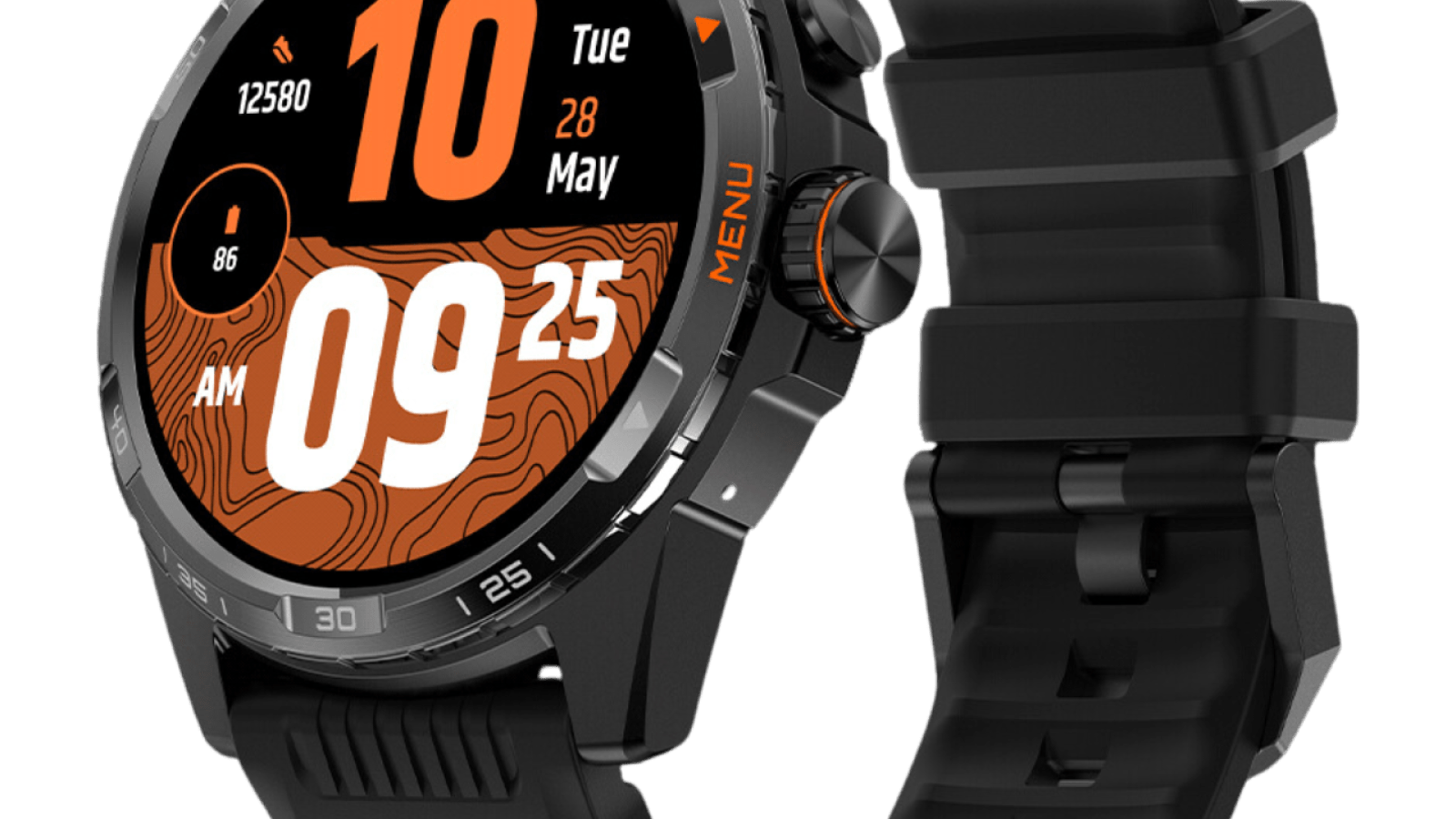
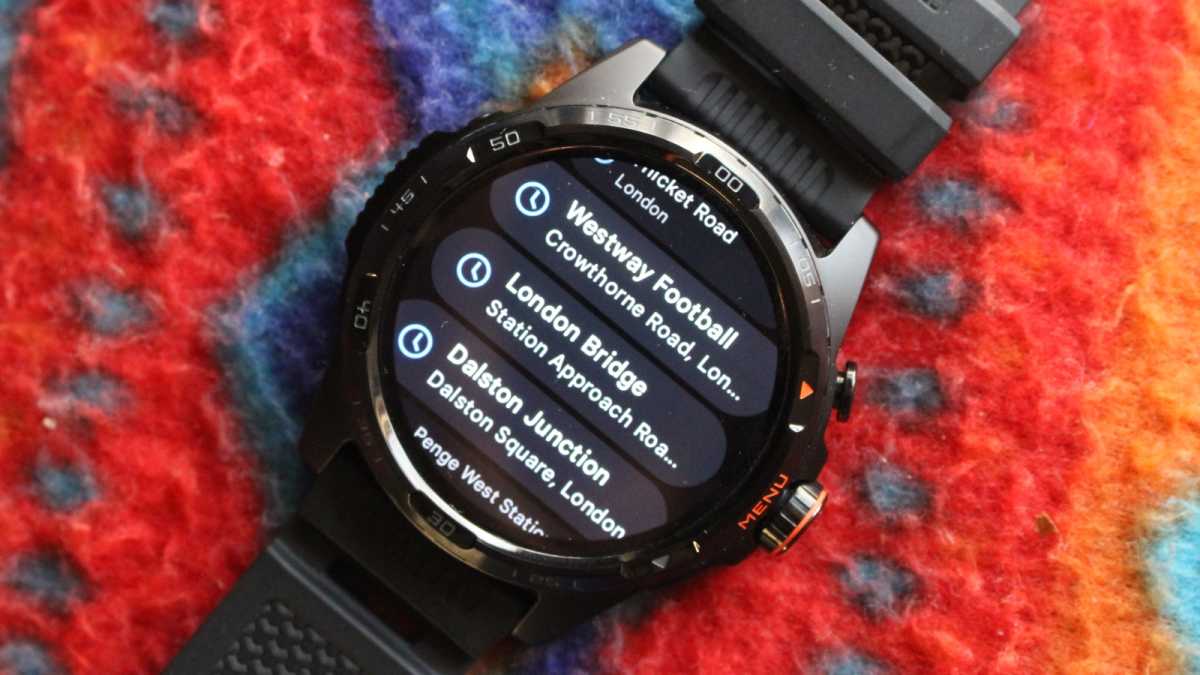
Endurance would be a hollow win if the rest of the hardware felt like a compromise, and it doesn’t. The Atlas 2 pairs a 1.43-inch 466×466 OLED with that ultra-low-power secondary display — the layered-screen trick that lets it sip power without going fully dark. Underneath sits Qualcomm’s Snapdragon W5+ platform with 2GB of RAM and a generous 32GB of storage, which is the part that keeps Wear OS 4 feeling responsive rather than the sluggish also-ran experience that dogged earlier TicWatch models. That 32GB matters more than it looks on paper: it is the difference between offloading your running playlist to the watch and leaving your phone at home, versus rationing space the way cheaper Wear OS hardware forces you to.
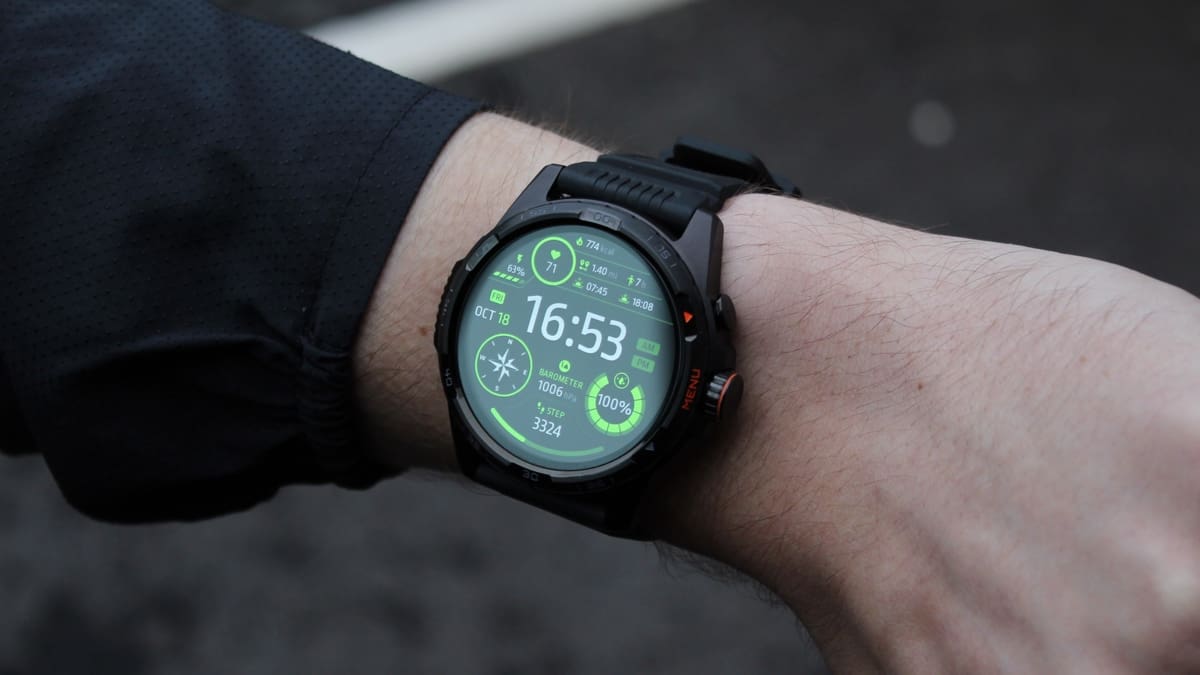
Then there’s the ruggedness, which is where Mobvoi is clearly aiming its elbows. The Atlas 2 carries a 5ATM water rating good for 50 metres and a full MIL-STD-810H durability certification. That is not marketing garnish — it’s the spec that lets Mobvoi position this as a Wear OS answer to the outdoorsy Garmin crowd, without asking you to abandon Google’s app ecosystem to get there. If you want the walkthrough, the hands-on video review from March 2025 covers the fit and the interface at length.
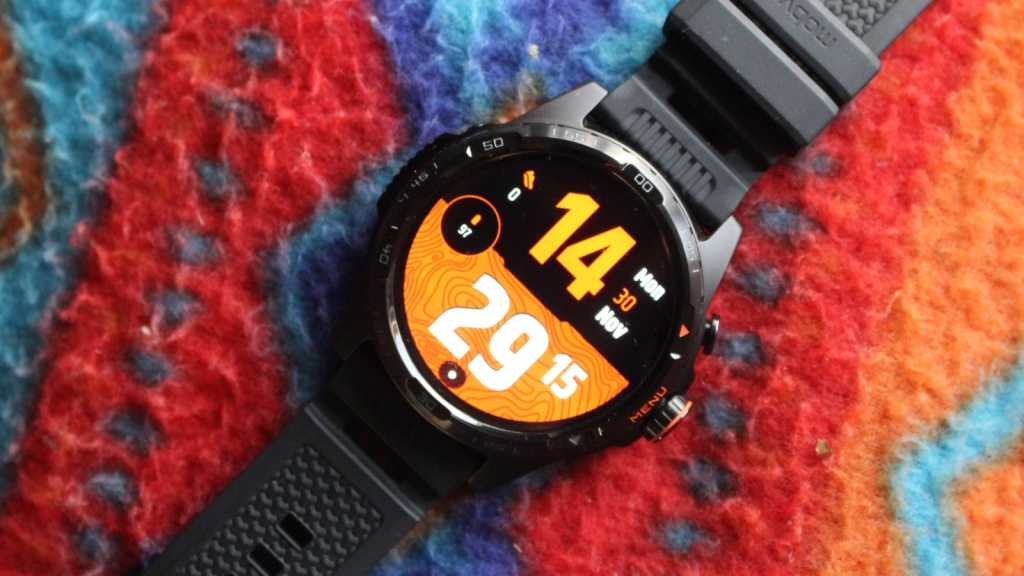
What that video makes plain is how much the secondary display carries this design. Glance down and you get time, steps and heart rate without ever waking the power-hungry OLED. Raise your wrist or tap and the full colour panel snaps in. It’s the same idea Garmin has ridden for years, transplanted onto Wear OS — and it’s the single feature that makes the endurance claims plausible rather than fanciful.
The Garmin question Mobvoi wants you to ask
Here’s the framing Mobvoi is quietly encouraging, and I think it’s the right one. If your instinct on hearing “two-week battery, MIL-STD-810H, 50m water resistance” is to reach for a Garmin, the Atlas 2’s pitch is simple: you can have most of that toughness and endurance without giving up Google Wallet, the Play Store, proper Assistant integration and a phone-native notification experience. That’s a real gap in the market. Garmin’s software remains a walled, fitness-first garden; full Wear OS is the more flexible everyday companion.
It’s a gap that’s only getting more interesting as the wearables category fragments. The wrist is no longer the only game — I’ve written about the coming wave of Android XR smart glasses landing in 2026, and the sprawling field of AI wearables from Amazon’s Bee to the Rabbit r1. Against that noise, a watch whose entire proposition is “reliable, tough, and you can ignore the charger” reads as refreshingly unfashionable. It isn’t chasing a novel form factor. It’s just trying to be the best version of the thing already on your wrist.
The UK price you can’t quite pin down yet
This is where I have to be straight with you, because it’s the one soft spot in the story. Mobvoi launched the Atlas 2 at $349.99, and none of the sources I’d trust list a confirmed sterling price or a firm UK on-sale date. Convert the dollar figure at today’s rates and you’re loosely in the region of £280, but treat that as arithmetic, not a price tag — import duty, VAT and Mobvoi’s own UK positioning can all move it, and the company sells direct through its own site rather than the high-street channels where pricing is transparent. That direct-only route is the detail I’d weigh hardest before buying: it decides how a warranty return actually plays out if the watch fails in month ten.
What that mid-tier positioning buys you, though, is clear enough. This is not a budget watch trying to undercut the market on price alone, and it shouldn’t be judged as one. It sits below a flagship Galaxy Watch or the Apple Watch and above the throwaway end, and it justifies that slot with the one metric its rivals can’t touch. For a certain kind of buyer — someone who wants Wear OS but is genuinely tired of the daily charge, or who wants Garmin-grade toughness without Garmin’s software — that’s a coherent, confident pitch.
Where I land on the underdog
I’ve come round to the Atlas 2 more than I expected to. The temptation with any “two-week battery” claim is to call it out as a mode-juggling trick, and technically it is one — you don’t get a fortnight and full Wear OS at once. But that framing misses the point. The value here isn’t a single hero number; it’s the fact that you get to decide, morning to morning, how much watch you want running, and never once feel anxious about a flat display by teatime.
Mobvoi still has the UK to convince. Until there’s a proper sterling price, a stated availability date and retailer support you can lean on if something goes wrong, this stays a watch I’d recommend with my eyes open rather than a blind buy. But as a piece of engineering with a clear point of view, the Atlas 2 earns its underdog billing. It picked the one fight the big names keep dodging — the charger on the bedside table — and it turned up ready for it.
Buyer action
Where to buy or check next
Use this as the final check before ordering a phone, changing network or trusting a headline monthly price.






Reader discussion
Leave a comment
Comments are moderated. Keep it useful, accurate, and on topic.