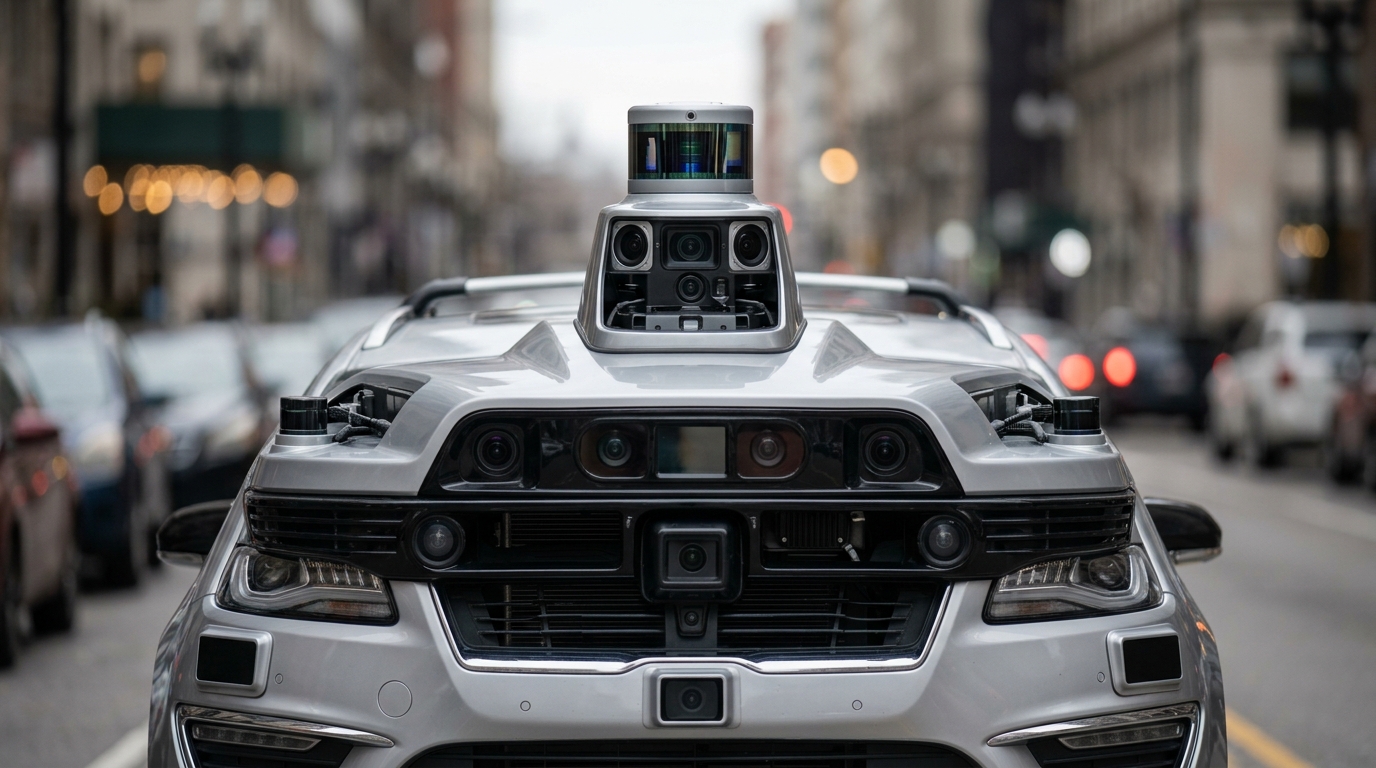
Pony.ai PonyWorld 2.0 is the most honest robotaxi launch of the year. By rebuilding prediction as a full-stack problem rather than a perception add-on, Pony.ai PonyWorld 2.0 quietly admits what the industry has been ducking for two years: motion forecasting is the hardest, slowest and least glamorous part of self-driving, and the demos that ignored it have aged badly.
- Pony.ai announced PonyWorld 2.0 on 10 April 2026 as the next generation of its self-improving physical AI engine for autonomous driving.
- PonyWorld 2.0 adds self-diagnosis of model weaknesses, targeted data collection for edge-case scenarios, and more efficient training cycles.
- Pony.ai is targeting a global Robotaxi fleet of over 3,000 vehicles across roughly 20 cities by end of 2026; Gen-7 Robotaxi cost is down 70% on Gen-6.
- Why it matters: world models that critique their own gaps could change how robotaxi safety cases are assembled, with regulators in the EU and UK already drafting Highway Code revisions for L4.
The interesting part is not that Pony.ai has a new world model. Everyone has a new world model. The interesting part is that Pony.ai is admitting, on the record, that their old approach was not going to scale without one.
Pony.ai PonyWorld 2.0: why prediction has always been the weakest link
Robotaxis have two jobs. Not crashing is the first. Not driving like a panicking driving instructor is the second. The first one is mostly solved in clean conditions. The second one has been the industry’s real embarrassment because it depends on prediction, and prediction at city scale is astonishingly hard. Lane-level trajectory forecasting assumes the world is neat. It is not. A delivery cyclist in Shanghai, a scooter in Singapore and a jaywalker in Guangzhou are not lane-bound actors.
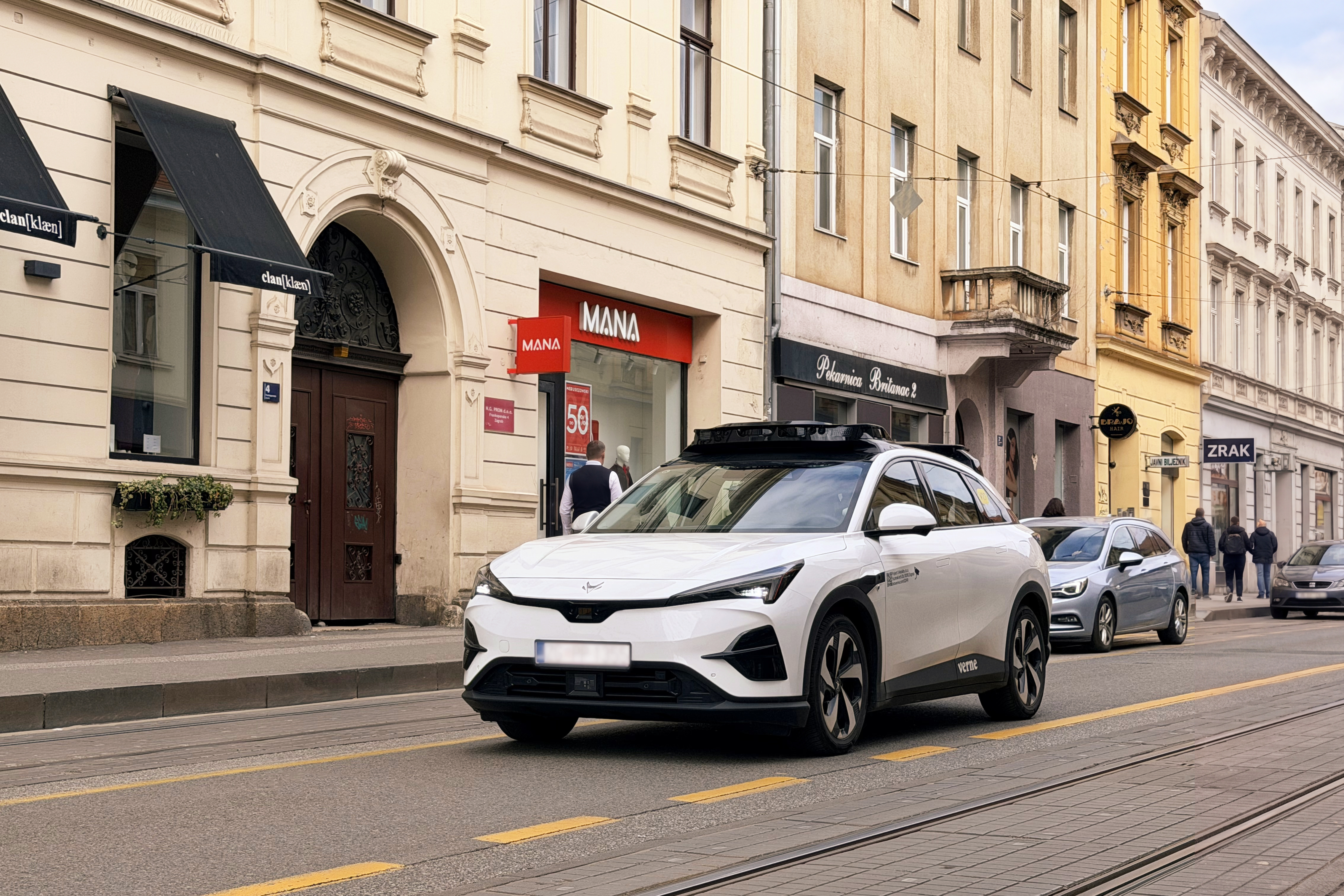
PonyWorld 2.0 is Pony.ai conceding that bolt-on predictors cannot hold that much complexity. The answer is a unified generative world model that understands agents, geometry, weather, timing and road semantics together, then lets the planner query that shared world rather than stitching it back together from fragments.
What is actually different this time
Previous Pony.ai disclosures emphasised data volume: miles driven, edge cases collected, scenarios replayed. PonyWorld 2.0 shifts the brag to controllability. The company is claiming that it can now steer simulated worlds with a text-style prompt, inject rare agents on demand, and get statistically plausible reactions from surrounding traffic rather than a scripted domino fall. If that holds, it dramatically reduces how many real-world miles are needed to validate new behaviour.
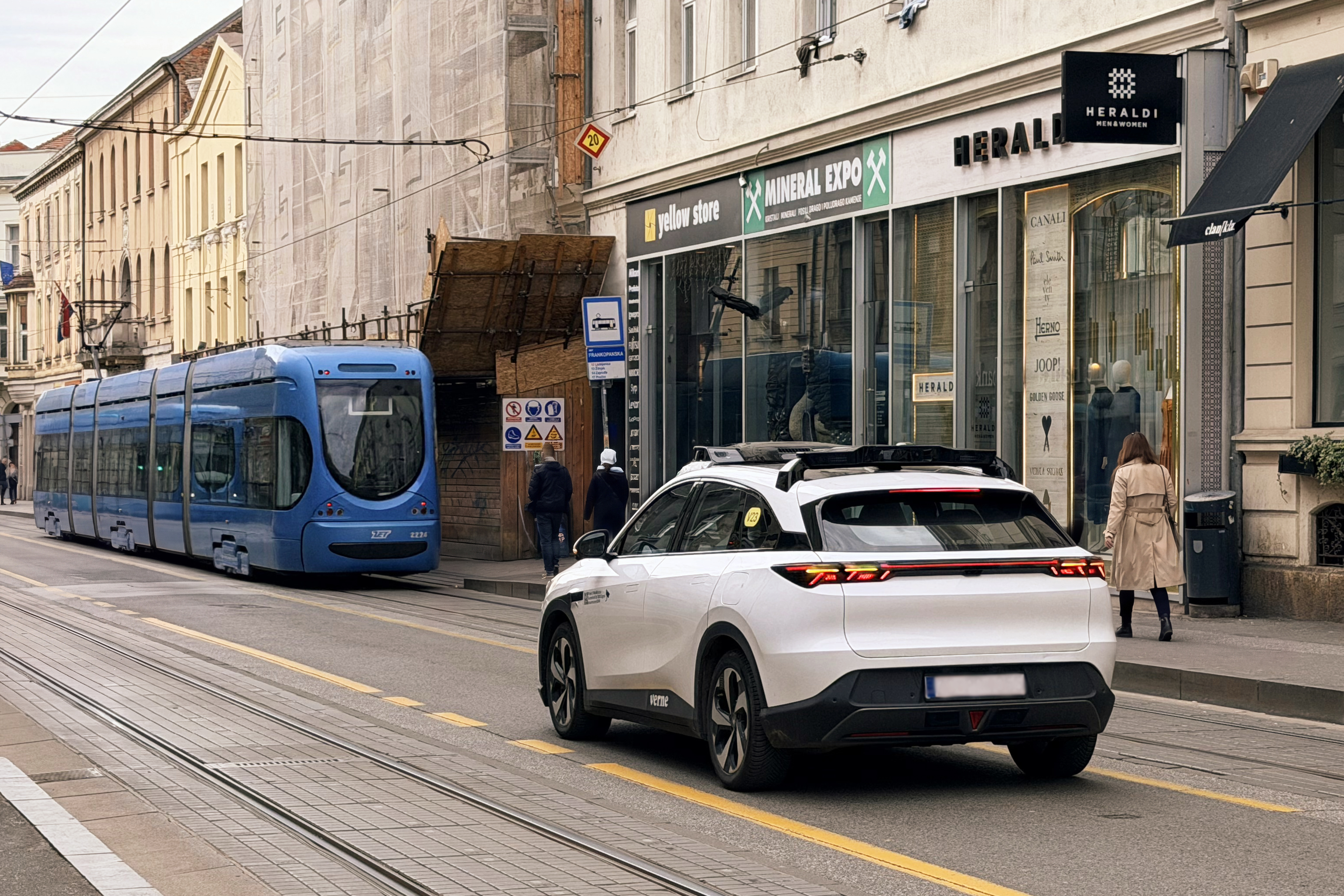
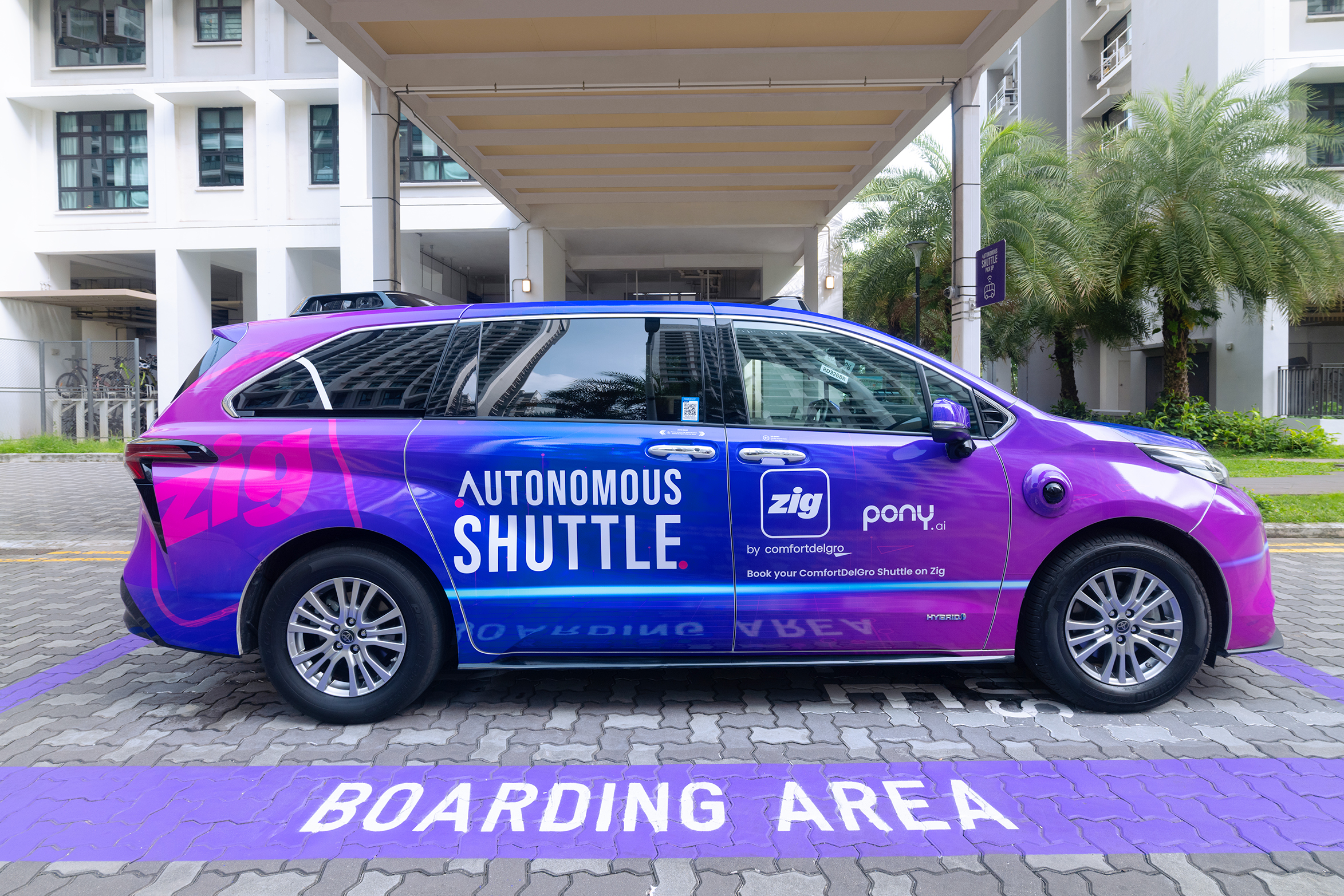
Controllable sim is where Waymo, Wayve and now Pony.ai have converged. The difference is that Pony.ai is doing it while also running commercial robotaxis in multiple Chinese megacities and scaling into the Middle East and Singapore. That is a useful ground truth that a pure research lab cannot replicate.
| Capability | Old stack | PonyWorld 2.0 |
|---|---|---|
| Traffic prediction | Per-lane trajectory models | Scene-level world model |
| Scenario authoring | Human-scripted edge cases | Prompt-controlled generation |
| Rare-event coverage | Collect more miles | Synthesise at scale |
| Planner integration | Separate modules | Shared world state |
The commercial argument is stronger than the technical one
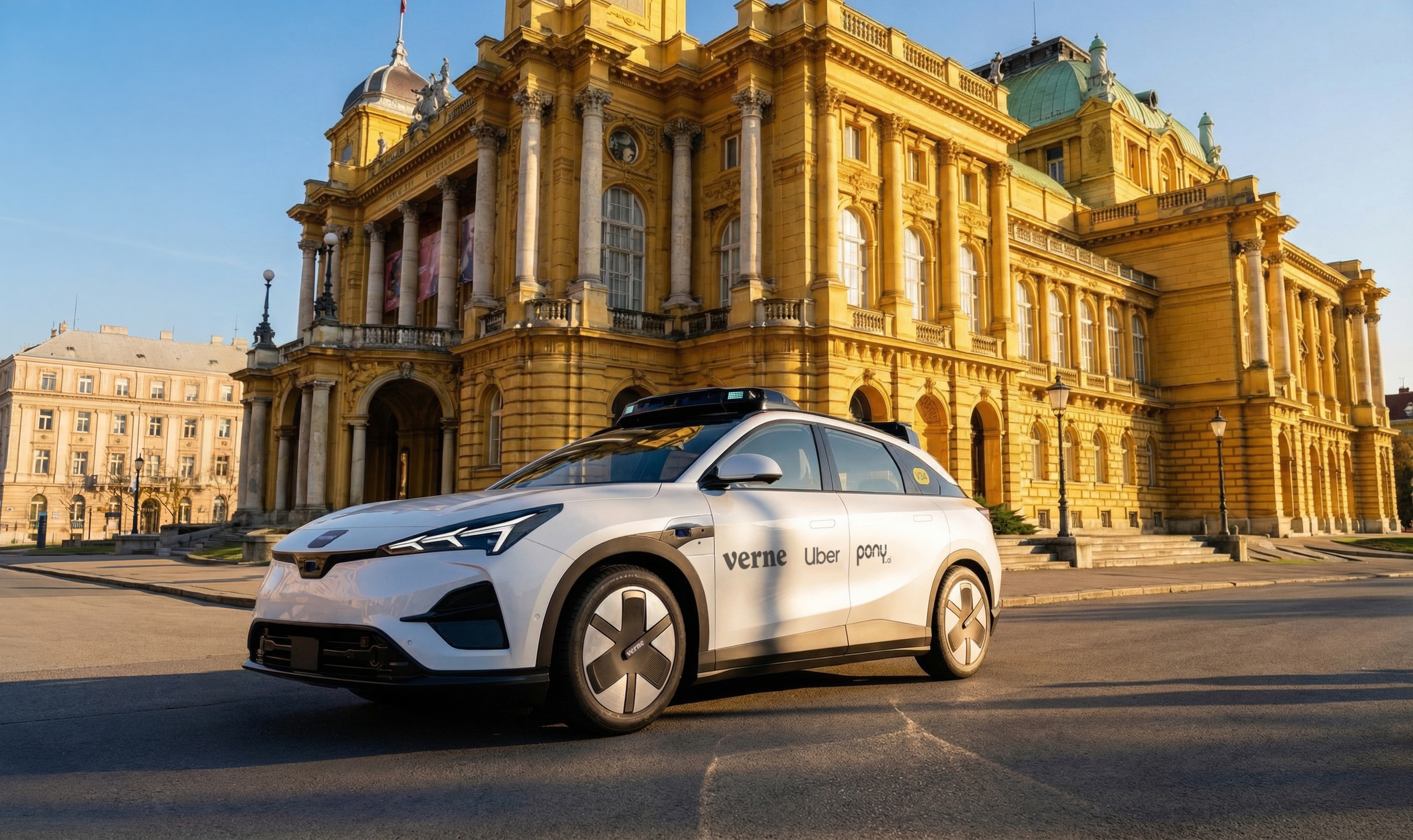
Pony.ai is not telling this story to researchers. It is telling it to regulators, municipal partners and Verne-style mobility operators. The message is that the next permit, the next city and the next pricing tier can be justified without collecting another billion miles. If you are a city transport chief, that is the first robotaxi pitch in years that sounds like a procurement answer, not a research manifesto.
Where it could still go wrong
World models are famously good at looking plausible while being subtly wrong. If PonyWorld 2.0 generates driving worlds that are too tidy, the downstream planner will be over-confident in messy reality. That is the failure mode regulators should be asking about. The company’s response so far, framing PonyWorld 2.0 as a closed-loop system that grades itself against real operational fleets, is the right answer. It is also the answer the industry has failed to deliver consistently before.
Verdict
PonyWorld 2.0 matters less for what it does today and more for what it admits about the last five years of robotaxi development. Prediction was never really a module. It was always the whole system pretending to be a module. Pony.ai being willing to say that out loud, while shipping the commercial fleet to pay for it, is a meaningful step. Whether it also turns into the clearly better rider experience the industry keeps promising is the test that will matter on the street, not in the whitepaper.
Related reading on MTW
Buyer action
Where to buy or check next
Use this as the final check before ordering a phone, changing network or trusting a headline monthly price.













Reader discussion
Leave a comment
Comments are moderated. Keep it useful, accurate, and on topic.