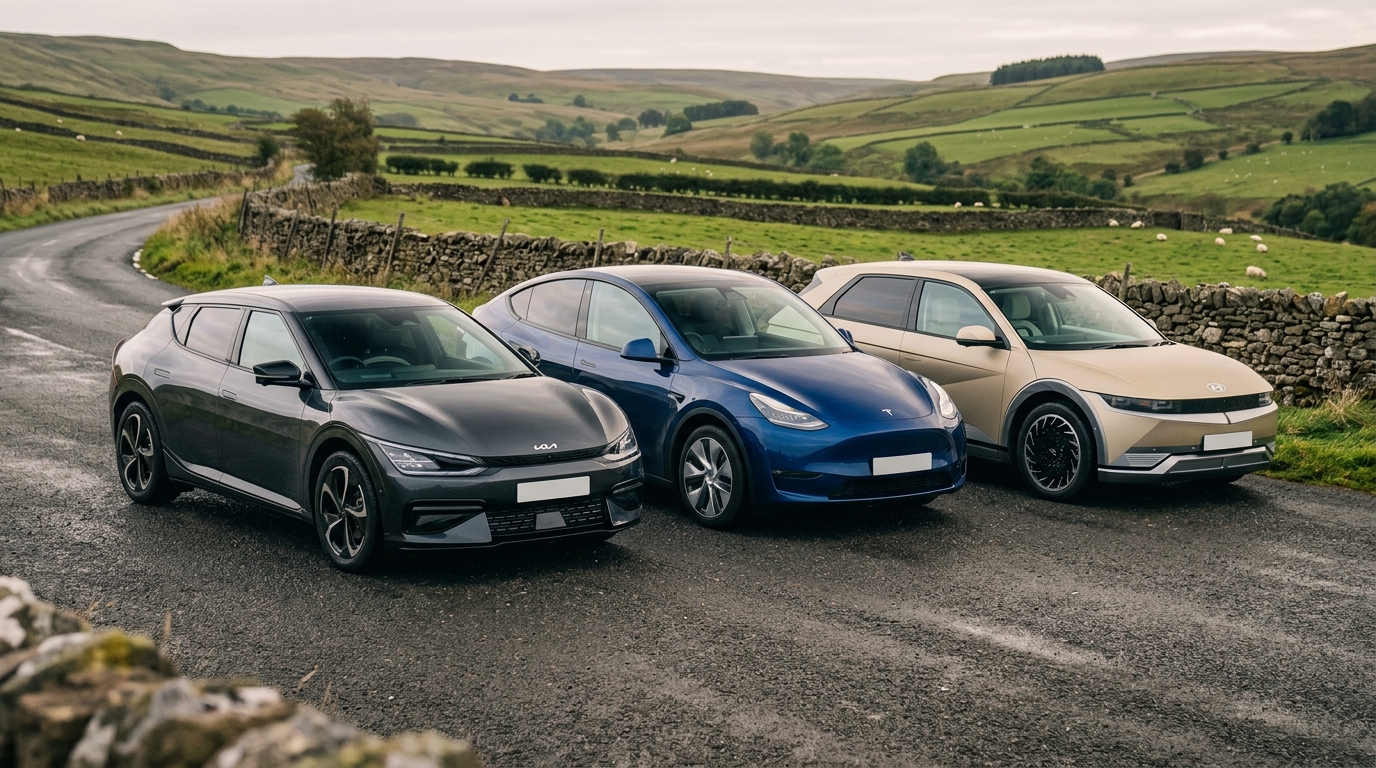
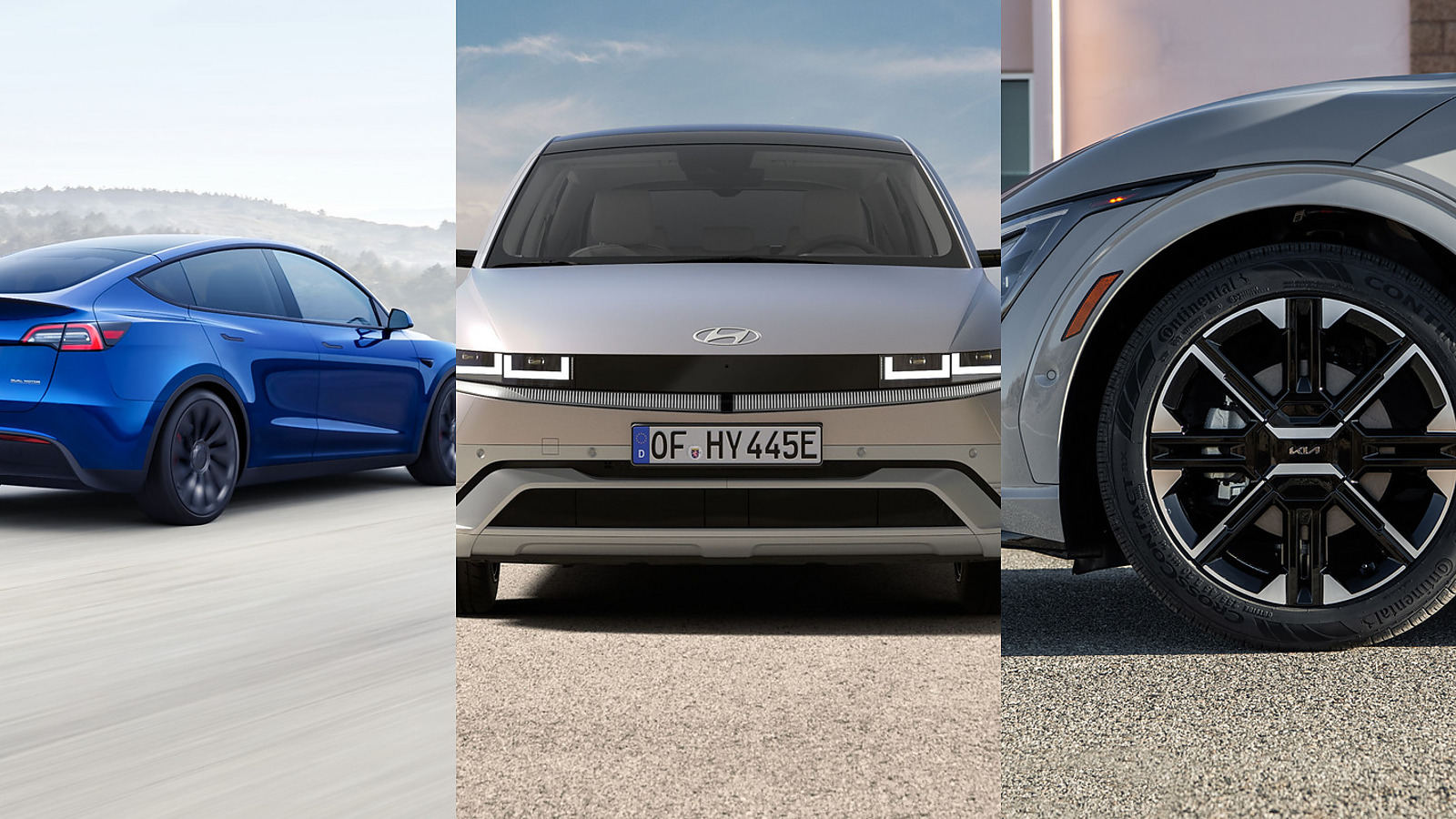
The Tesla Model Y vs Hyundai Ioniq 5 vs Kia EV6 question is the one most UK families thinking about an electric SUV are actually wrestling with in 2026. All three are around £40,000, all three sit on or near the magic 300-mile WLTP figure, and all three claim to do family duty without compromise. They are not, however, the same car. They are not even the same kind of car. The honest answer to which one is best for you depends entirely on where you live and how you drive.
We have driven all three back to back this month (a refreshed ‘Juniper’ Model Y Long Range RWD, a Hyundai Ioniq 5 N Line 84 kWh and a Kia EV6 GT-Line 84 kWh) over 1,400 miles around the UK. This is the honest verdict on the family EV showdown.
The three EVs at a glance — the tesla model y vs ioniq 5 vs ev6 angle
Headline numbers tell most of the story. The Ioniq 5 is the longest-range and the fastest-charging. The Model Y is the cheapest to run and the easiest to live with. The EV6 is the sportiest and the most distinctive to look at.
| Spec | Tesla Model Y LR (Juniper) | Hyundai Ioniq 5 84 kWh | Kia EV6 84 kWh |
|---|---|---|---|
| WLTP range | ~353 miles | ~354 miles | ~361 miles (RWD) |
| Real-world range | ~280 miles | ~290 miles | ~270 miles |
| 10-80% charge | ~27 min (250 kW) | ~18 min (350 kW) | ~18 min (350 kW) |
| Boot space | 854 L (incl. frunk) | 527 L | 490 L |
| 0-60 mph | 5.6 s | 6.6 s | 5.0 s |
| UK price (from) | £44,990 (Premium RWD); £46,630 (Long Range RWD) | £39,995 (base); ~£46,000 (84 kWh N Line) | £42,395 (base); £48,575 (GT-Line) |
| Charging network | Supercharger + 3rd party | All public networks | All public networks |
Tesla Model Y (Juniper): the easiest to live with — the tesla model y vs ioniq 5 vs ev6 angle
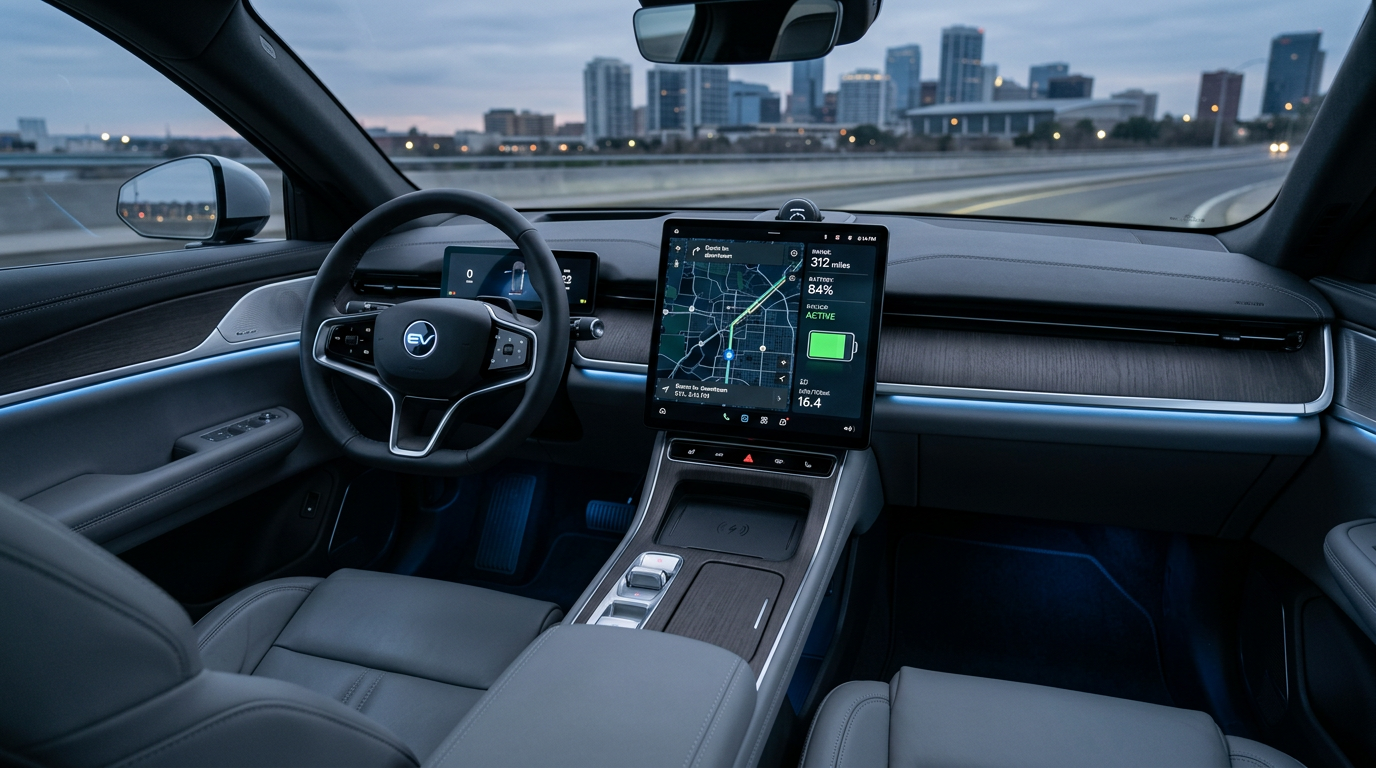
The refreshed ‘Juniper’ Model Y is a different car to the one many UK buyers grew to love-hate. The ride quality is finally acceptable on B-roads, the cabin is genuinely quiet at motorway speeds, and the dashboard is the same minimalist screen that you either love or learn to live with. The reason to buy a Model Y in 2026 is the same as it has always been: the Tesla Supercharger network. Plug-and-charge actually works, the routing is intelligent, and on a 400-mile family trip you will arrive less stressed than in either rival. It is not the most exciting car here. It is the easiest one to live with.
Hyundai Ioniq 5: the long-distance champion
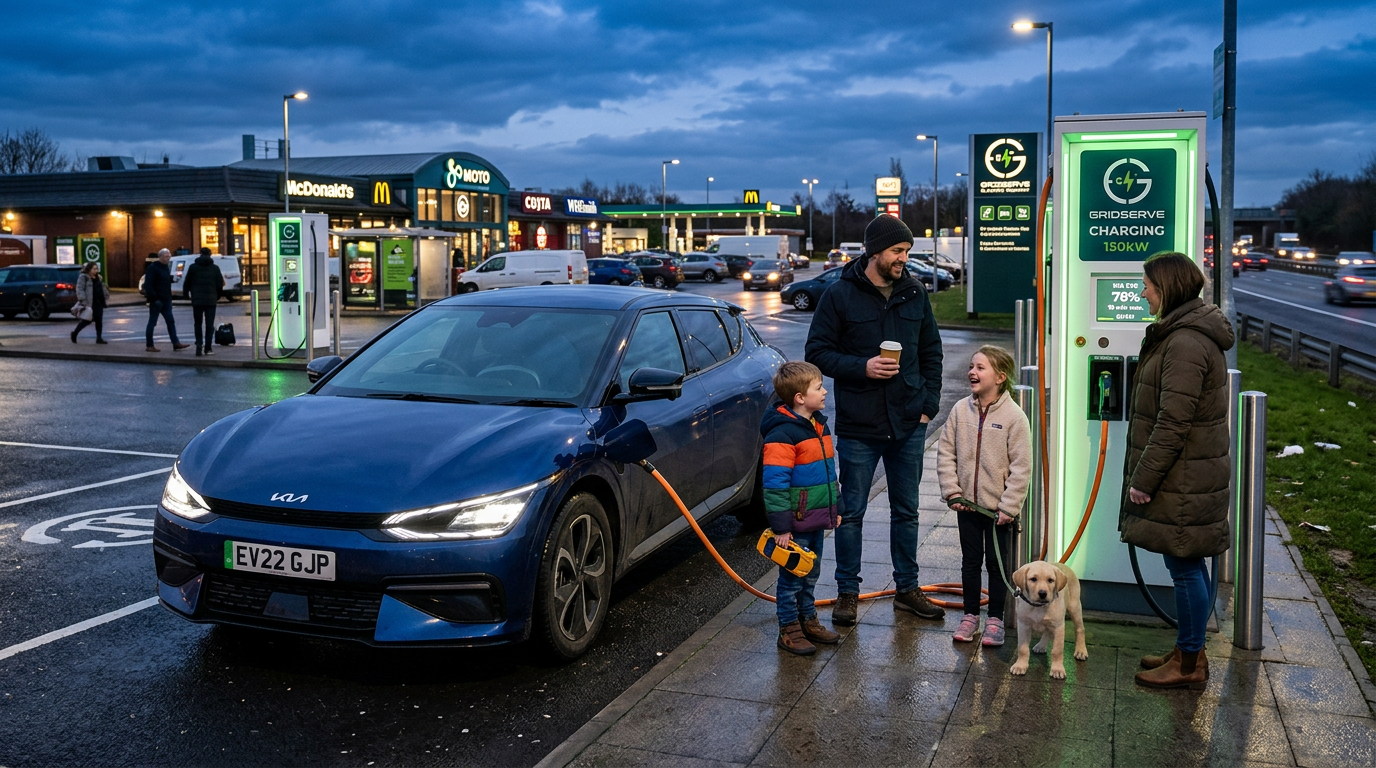
The Ioniq 5’s 800 V architecture is its decisive weapon. On a working 350 kW charger (Ionity, Gridserve High-Power, Instavolt’s new 350 kW units) it adds 100 miles of range in under 12 minutes, fast enough that a service-station coffee covers it. WLTP range tops out at 354 miles on the RWD 84 kWh, and real-world efficiency over our 1,400 miles was within 5 per cent of the brochure number. The cabin is the most spacious and the most thoughtfully designed; the sliding centre console is a small detail that will improve every long journey. The catch is that a well-specced 84 kWh Ioniq 5 quickly climbs to £46,000 and beyond.
Kia EV6: the driver’s pick
The EV6 shares a platform with the Ioniq 5 but feels nothing like it. Stiffer suspension, a lower seating position, sharper steering and (on GT-Line trim) a more involving driving experience make the EV6 the obvious choice if you actually enjoy driving. The RWD 84 kWh base model starts at £42,395, and it has the same 800 V charging trick as the Ioniq 5. The downsides are smaller boot, a more cramped rear seat for full-size adults and a slightly less practical body shape. If you are a one-or-two-child family who still cares about the drive, the EV6 is the right buy.
Charging in the UK: the network reality
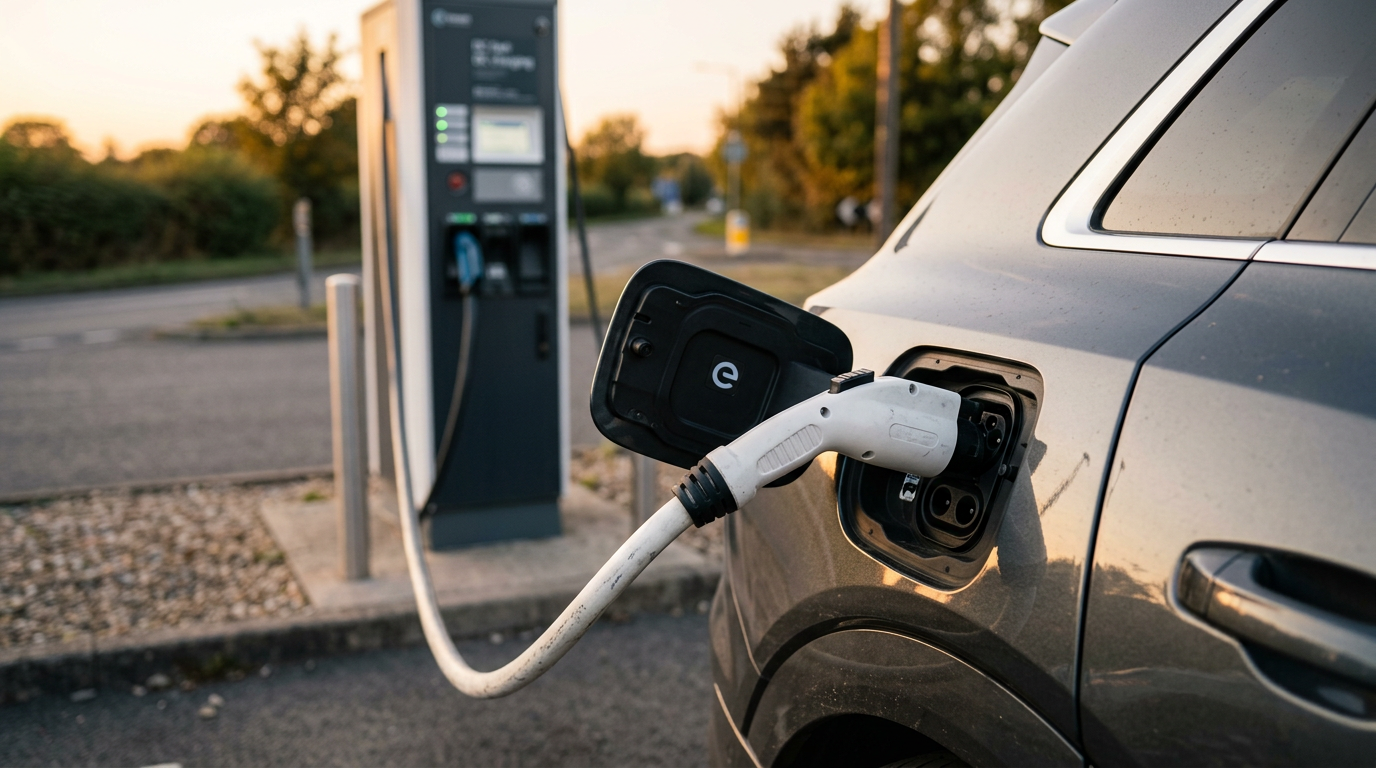
Charging in the UK is the single biggest day-to-day decider between these three cars. Tesla still has the best owned network, although its UK Supercharger map has been opening up to other EVs, narrowing the advantage. Ioniq 5 and EV6 owners get faster peak charging when they find a working 350 kW unit, but those units are still less common than Tesla’s. If you live and charge at home and only road-trip occasionally, all three are equal. If you regularly drive to the Highlands, Cornwall or the Lake District, the Tesla still has the easier life. Read our best EV charging apps round-up to plan whichever you choose.
Real-world running costs
On home charging at 7p/kWh (Octopus Intelligent Go), all three cost roughly £15 to do 300 miles. On public rapid charging at 75p/kWh, the same trip costs £55-£60. Insurance for the Model Y is the cheapest of the three for under-30s; the EV6 is mid-pack; the Ioniq 5 is the most expensive. Servicing intervals on all three are 24 months / 20,000 miles. Battery warranty is 8 years / 100,000 miles on all three.
The MTW verdict on the family EV showdown
If you road-trip frequently and charge mostly on the go, buy the Tesla Model Y. The Supercharger network alone is worth the entry price, and the refreshed Juniper finally rides like a £45,000 car should. If you have home charging and you do a serious annual mileage that takes in long motorway runs, buy the Hyundai Ioniq 5: it is the most accomplished long-distance EV in the group and the cabin is the best place to spend three hours. If you actually like driving, buy the Kia EV6: the cheapest to start with, the sharpest and the most distinctive, and you will not get bored of it.
Related reading
More from MTW:
Related reading on MTW
- Best OLED TVs Under £1,500 in 2026: LG vs Samsung vs Sony Compared
- iPhone 17 Pro vs Google Pixel 10 Pro: The Honest 2026 UK Comparison
- Best iPad to Buy in 2026: Pro vs Air vs mini vs Base, The Honest UK Buyer’s Guide
If you are comparing family EVs to actually run in the UK, Car Deal Expert weighs the ownership routes in its salary sacrifice vs PCP comparison for the Mustang Mach-E.
How we pick
Final verdict
Tesla Model Y vs Hyundai Ioniq 5 vs Kia EV6: which family electric SUV should UK buyers actually pick in 2026? Range, charging, boot, price and the honest verdict.
How we compare
Buyer action
Where to buy or check next
Use this as the final check before ordering a phone, changing network or trusting a headline monthly price.














Reader discussion
Leave a comment
Comments are moderated. Keep it useful, accurate, and on topic.