
UPDATED · News · 4 Apr 2026 · Daniel Reid
A jury has done what regulators, politicians, and parents have failed to do for a decade , held Meta and Google directly liable for the addictive design of their platforms. This social media addiction lawsuit development matters. In a verdict that sent shockwaves through Silicon Valley, the court found that Instagram and YouTube deliberately engineered features to maximise screen time among young users, causing measurable psychological harm. This is not a slap on the wrist. This is the beginning of the end for big tech impunity.
- A Los Angeles jury on 25 March 2026 found Meta and YouTube negligent in the design of Instagram and YouTube for a young plaintiff identified as KGM.
- Total damages were USD 6 million across compensatory and punitive awards, with Meta apportioned 70% liability and YouTube 30%.
- The verdict was the first bellwether trial of more than 1,500 similar US suits, with the jury concluding the platforms acted with malice, oppression or fraud toward children.
- Why it matters: this verdict will shape UK Online Safety Act enforcement debates and Ofcom expectations of platform duty-of-care to under-18s.
The Verdict That Changes Everything
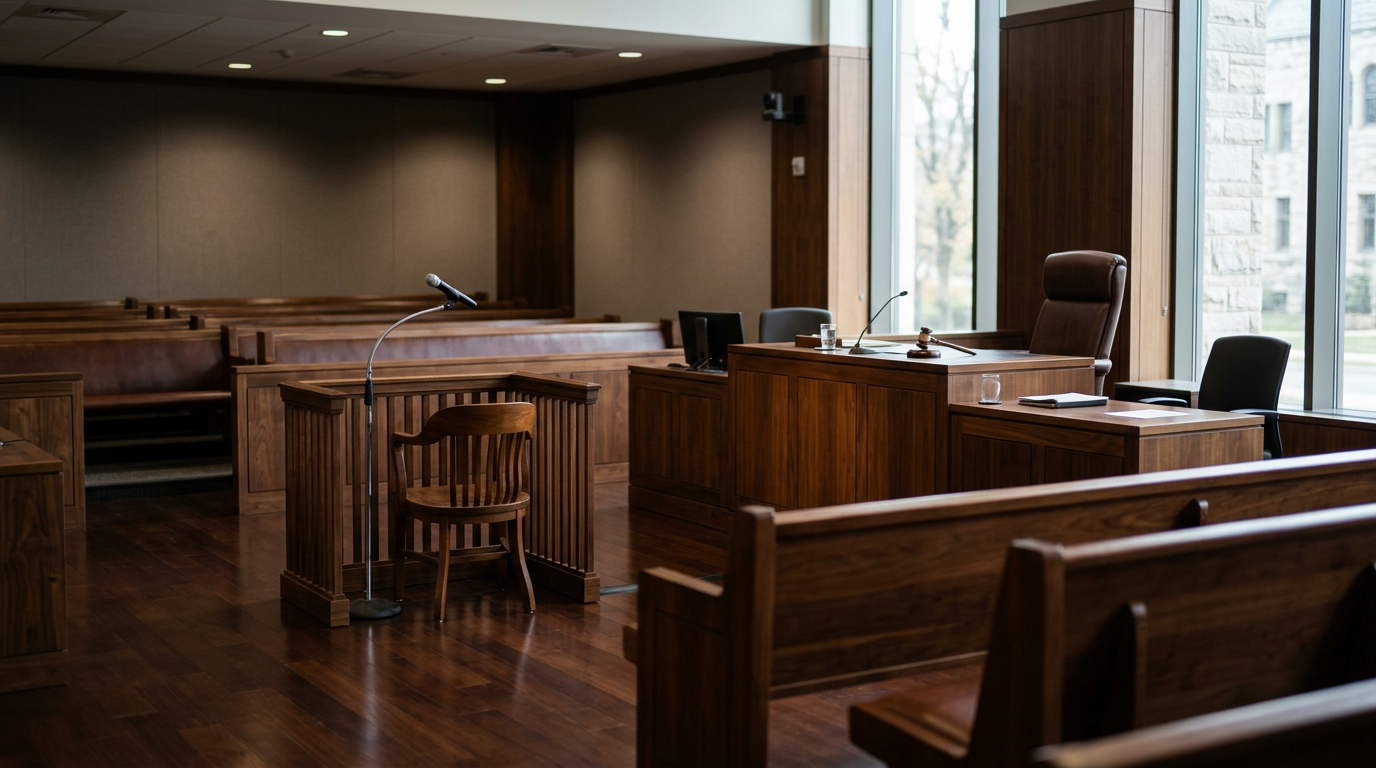
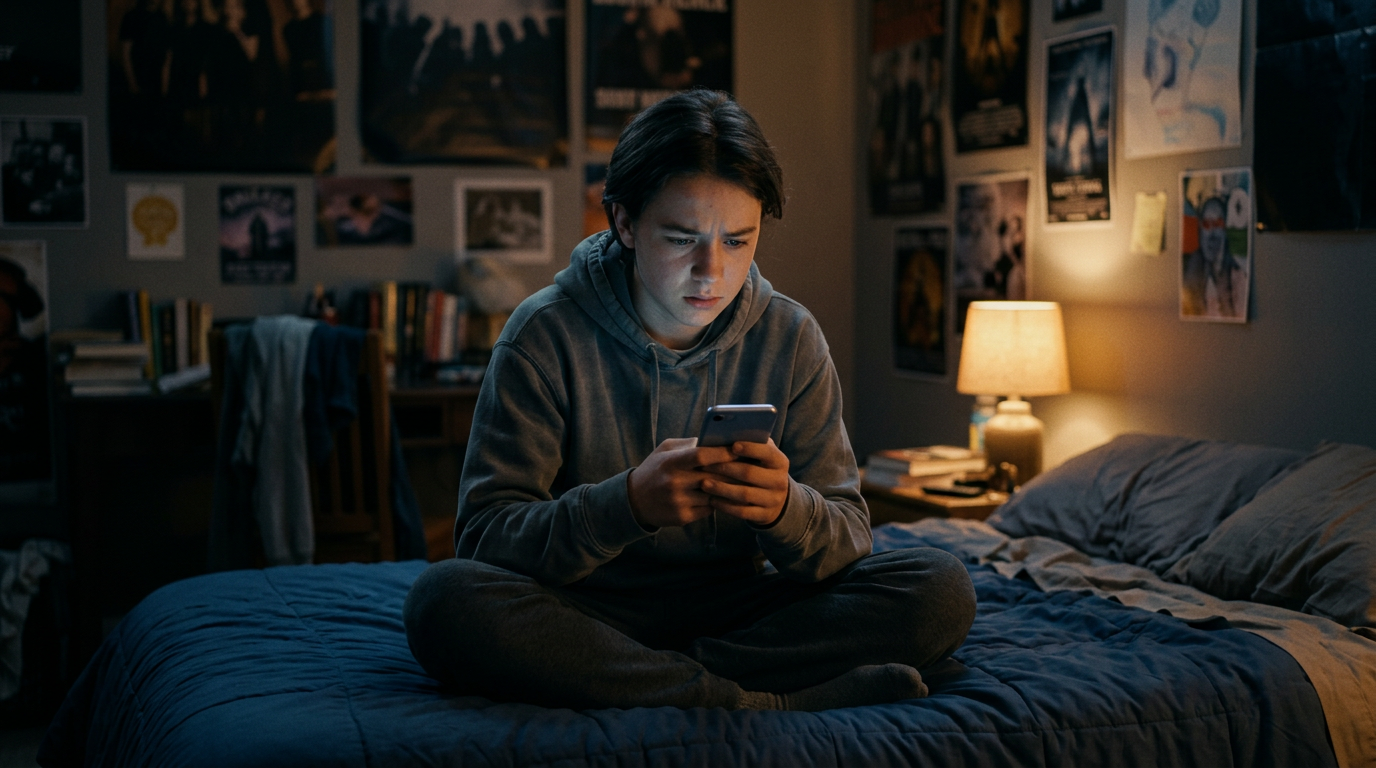
The case, decided on 25 March 2026 in Los Angeles County Superior Court, centred on a 20-year-old woman identified by initials as KGM who developed severe anxiety, depression, and suicidal thoughts directly linked to her use of Instagram and YouTube during adolescence. Her legal team argued that both platforms were engineered with addictive design patterns, infinite scroll, algorithmic recommendations that amplify harmful content, and notification systems designed to create compulsive checking behaviour. The jury agreed, awarding more than £5 (about $6) million in damages and finding Meta 70 percent liable and YouTube 30 percent.
This is not an isolated case. According to Moody’s analysis, more than 4,000 pending lawsuits targeting 166 companies now allege that addictive software design has caused harm to users. The floodgates have opened, and the legal bill for Silicon Valley could run into the tens of billions.
Meta and Google Knew Exactly What They Were Doing
Internal documents presented during the trial revealed what whistleblowers have been saying for years: both companies possessed extensive research showing their platforms were harmful to young users, and chose to prioritise engagement metrics over safety. Meta’s own researchers warned that Instagram was making body image issues worse for one in three teenage girls. Google’s internal studies showed that YouTube’s recommendation algorithm consistently directed young viewers toward increasingly extreme and distressing content.
Neither company acted on these findings. Instead, they doubled down on the very features their own researchers flagged as dangerous. The infinite scroll became smoother. The notifications became more persistent. The algorithms became more precise at identifying and exploiting psychological vulnerabilities.

What This Means for Your Smartphone
If you are a parent handing your child a smartphone, this verdict validates every concern you have ever had. Instagram, YouTube, TikTok, and Snapchat are not neutral tools. They are engagement machines designed by some of the smartest engineers on the planet to be as addictive as possible. The fact that a court has now formally recognised this changes the legal landscape dramatically.
Expect both companies to appeal. Expect an army of lawyers to argue that users bear personal responsibility. But the precedent is set: if your platform is designed to addict, and that addiction causes harm, you are liable. Full stop.

4,000 Lawsuits and Counting
The Meta and Google verdict is the tip of a colossal iceberg. With over 4,000 pending cases, the technology industry faces a reckoning that could dwarf the tobacco litigation of the 1990s. The parallels are striking: an industry that knew its products were harmful, suppressed internal research, marketed aggressively to young people, and fought regulation at every turn. For more, see our Ai coverage. You might also read Samsung AirDrop Expands to Every Galaxy Phone From the Last Three Years and Apple Cannot Stop It.
The smartphone in your pocket is the most powerful tool ever created. It is also, for millions of young people, the most dangerous. A jury has finally said so. The question now is whether the technology industry will change , or whether it will take thousands more verdicts to force it.
What this verdict actually changes
Until now, every legal challenge against the social platforms has run into the same wall: Section 230 in the United States, and a wider assumption that algorithms are neutral plumbing. A jury has just punched a hole in both of those defences in the same breath. They were not asked to rule on what teenagers post , they were asked to rule on what Meta and Google chose to push, and they decided the design itself was the harm.
That is a structural shift. Once a court treats infinite scroll, autoplay and engagement-maximising recommendations as product decisions rather than user behaviour, the legal exposure stops looking like one-off lawsuits and starts looking like the playbook the tobacco companies faced in the late 1990s. Expect class actions to multiply, expect insurers to start pricing the risk into premiums, and expect every platform with a teen audience to quietly tone down the dopamine.
The verdict also lands at the worst possible moment for Meta. The company is already on the back foot with regulators in Brussels over the Digital Services Act, the UK’s Online Safety Act has just bared its teeth, and Australia is tightening age limits. A British jury would not need much encouragement to reach the same conclusion an American one just did, and Ofcom will have read this judgement very carefully indeed.
Related reading on MTW
- Cala’s kIQ Plus Is the Wearable That Finally Makes the Consumer Medical Argument Properly
- AGIBOT’s G2 Launch Is the Humanoid Robot Pitch That Actually Sells Into a Factory
- Motorola Launches the moto g stylus 2026 and moto pad 2026 With a Surprisingly Coherent Productivity Pitch
Sources: NPR coverage of the verdict and Moody’s addictive software litigation analysis.
Buyer action
Where to buy or check next
Use this as the final check before ordering a phone, changing network or trusting a headline monthly price.













Reader discussion
Leave a comment
Comments are moderated. Keep it useful, accurate, and on topic.