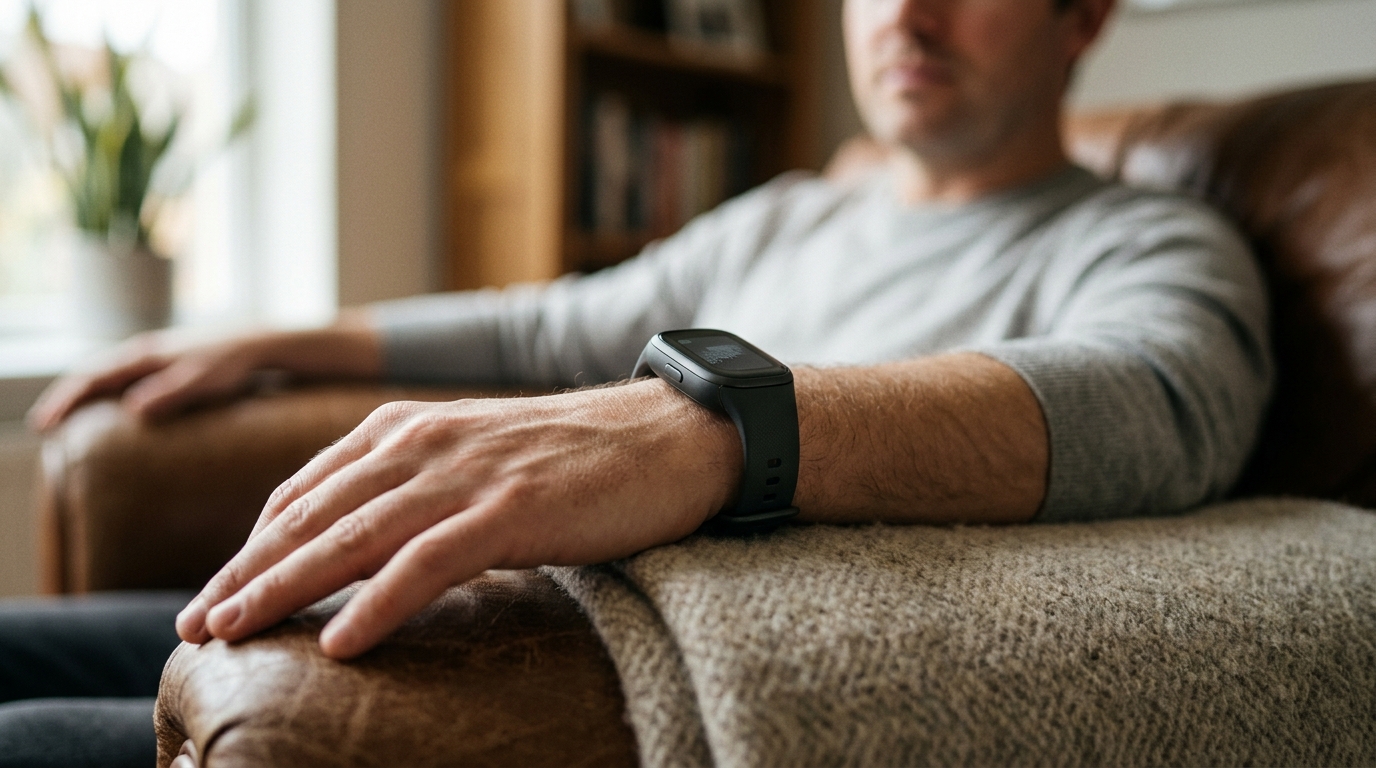
Cala kIQ Plus is the rare consumer wearable that genuinely earns the word ‘medical’. On April 15 the FDA cleared Cala kIQ Plus as the next-generation TAPS therapy wearable for hand tremor in both essential tremor and Parkinson’s disease, and it quietly raises the bar for what every wellness brand is allowed to claim from now on.
- Cala announced FDA clearance of the Cala kIQ Plus on 15 April 2026 – the next-generation transcutaneous afferent patterned stimulation (TAPS) wearable for essential tremor and Parkinsons hand tremor.
- kIQ Plus adds new therapy modes and adaptive calibration that personalise stimulation to each patients tremor signature.
- The device is indicated for temporary relief of action hand tremor in adults with essential tremor and Parkinsons disease.
- Why it matters: TAPS is one of the few wrist-worn medical neuromodulation products with US FDA clearance – a meaningful template for how UK NICE could approach consumer-grade therapeutic wearables.
The kIQ Plus is not a step counter with aspirations. It is a wrist-worn neuromodulation device, delivered through a subscription model, that takes its own clinical claims seriously. That is a category position almost no mainstream wearable brand can credibly make, and why this launch deserves more attention than the usual ‘smart ring v4’ cycle.
Why Cala kIQ Plus targets a real, neglected essential tremor market
Essential tremor affects roughly 10 million people in the US alone, with Parkinson’s adding another large patient population on top, and the market has been underserved by consumer tech forever. Medication and surgical options exist, but both have significant downsides. A non-invasive, wearable, session-based therapy with meaningful clinical support is a genuinely useful product. Cala’s kIQ Plus is the cleanest expression yet of that use case, with new therapy modes, adaptive calibration and a better companion app than the previous generation.

The companion app is doing real work
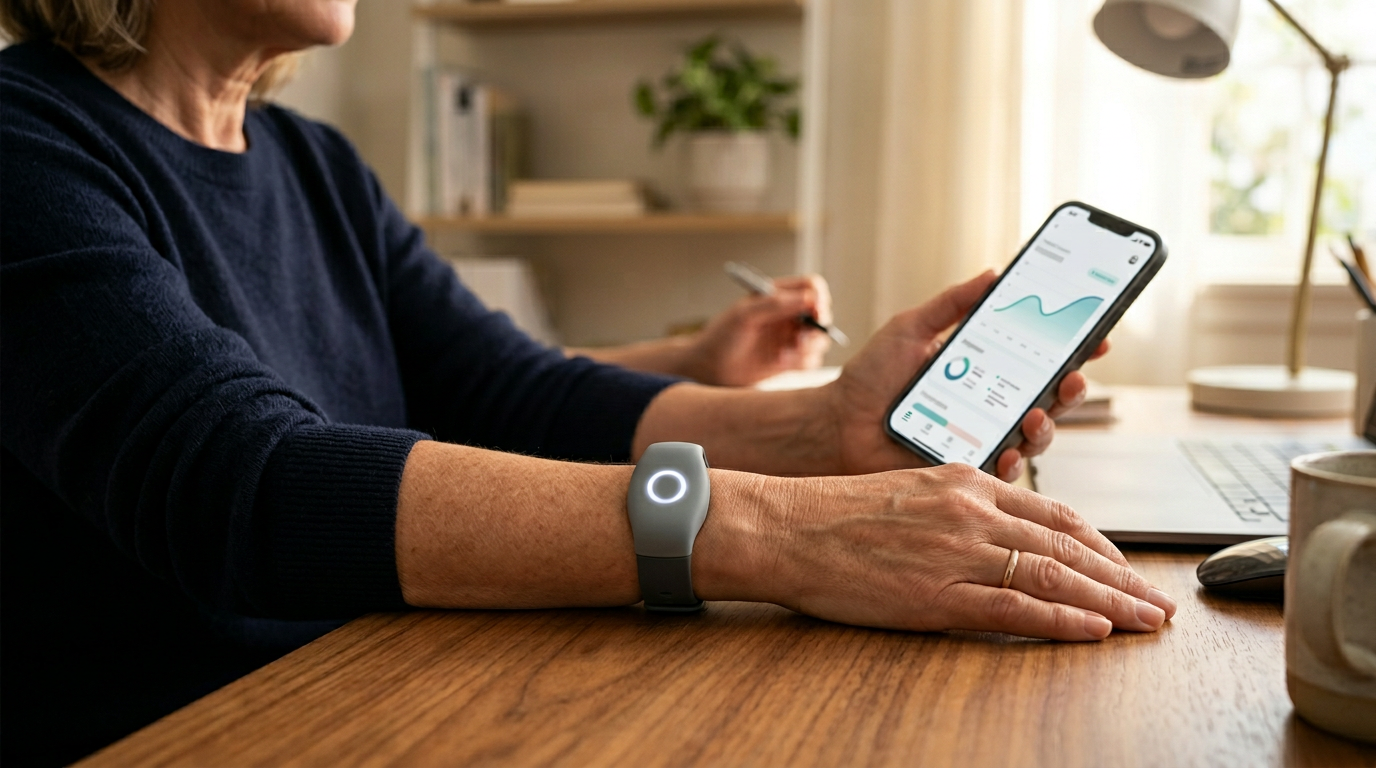
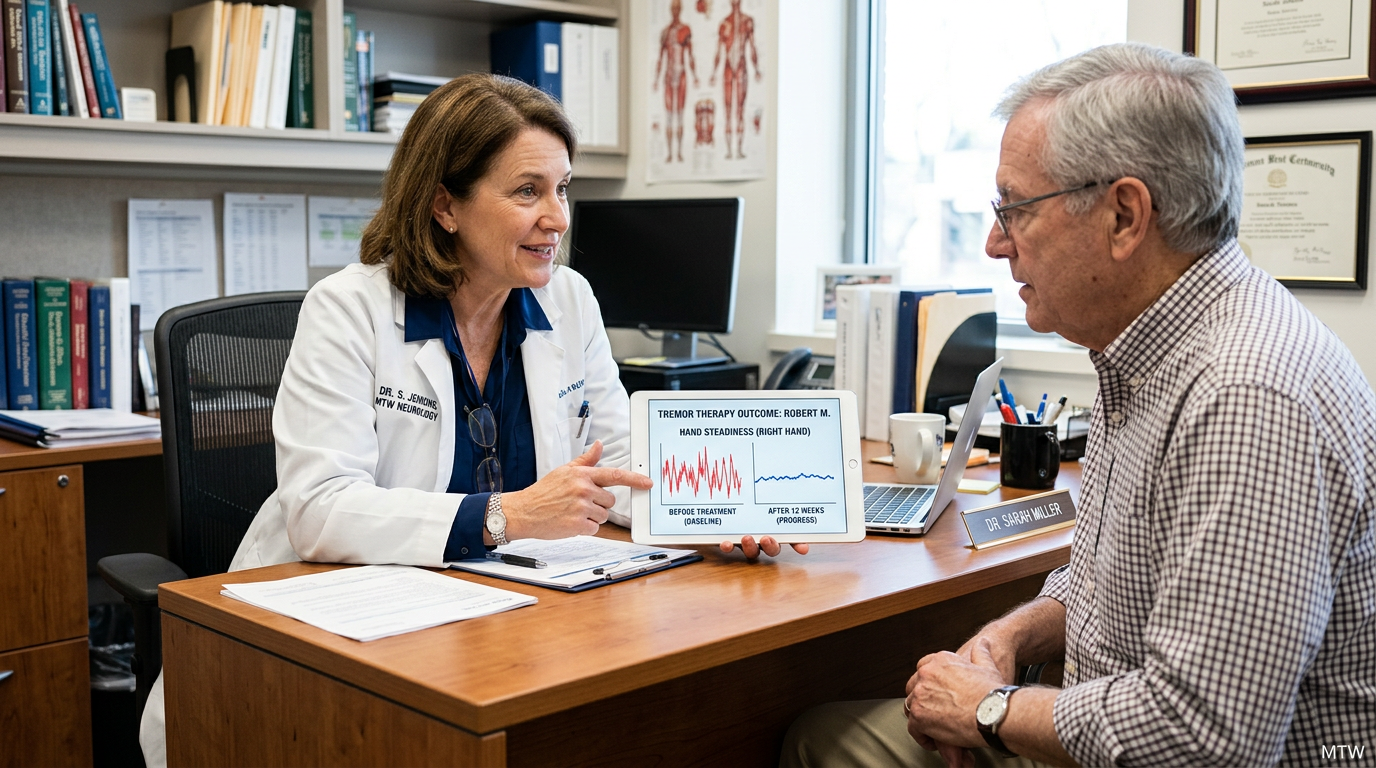
Most wearable companion apps are dashboards looking for a purpose. Cala’s app is a different beast. It logs therapy sessions, tracks tremor severity over time via the device’s own sensors, and feeds clinicians a summary a neurologist can actually use. That is the difference between a wellness gadget and a medical instrument. The data is restricted, locally-first, and explicitly not used to train general-purpose models. That is how a consumer medical device is supposed to behave.
Why neuromodulation is having its moment
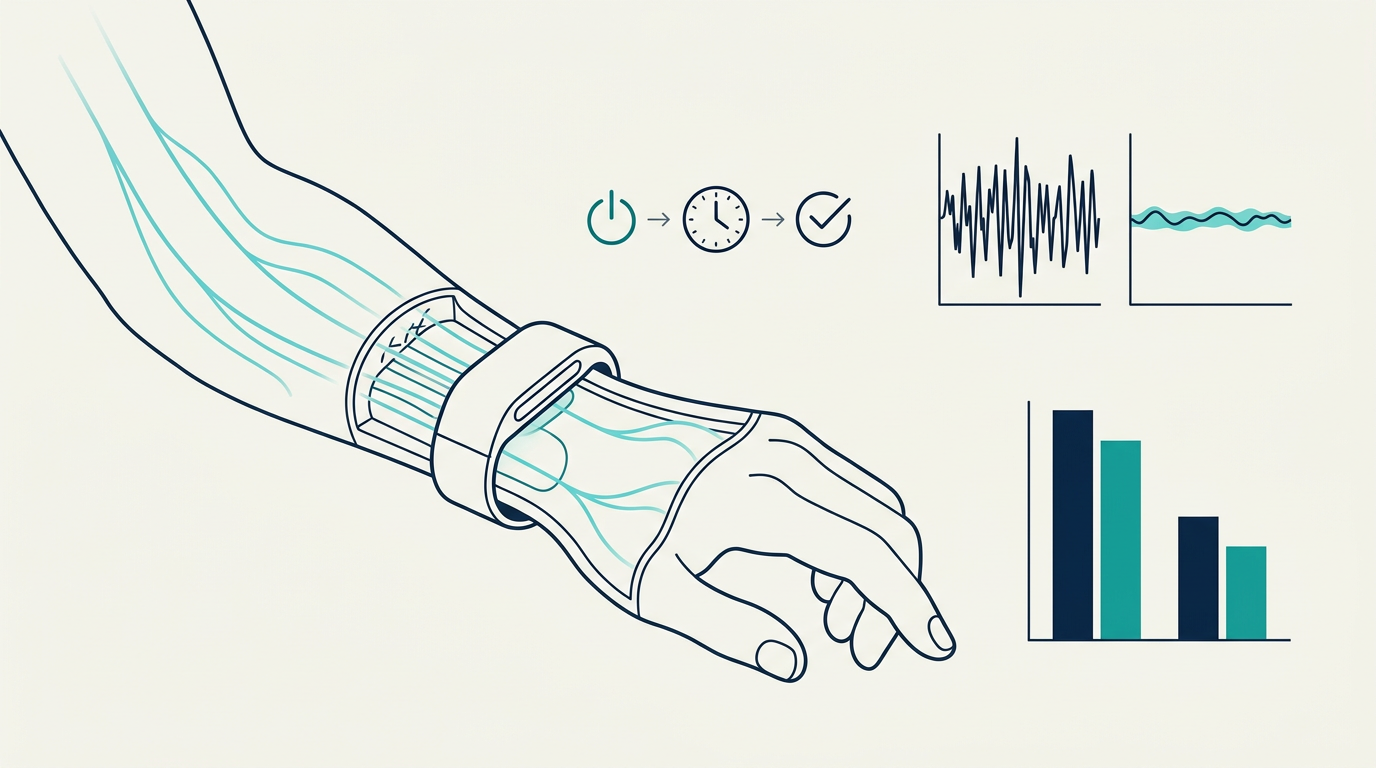
Peripheral nerve stimulation is not new, but it has taken years for the technology to shrink to a genuinely wearable form factor, for the therapy protocols to be validated in large cohorts, and for the regulatory story to become credible. Cala is not alone in that space, but it has the strongest clinical evidence base, and the April 15 kIQ Plus is the hardware refresh that turns a viable-but-awkward device into a mainstream-usable one.
The subscription model is the uncomfortable part
Cala’s approach is a recurring subscription rather than a single device sale. Patients and payors both have opinions about this. The upside is a continuously supported device with rolling software and therapy protocol improvements. The downside is the usual consumer health subscription fatigue. The launch pricing is sharper than the previous generation, and insurance coverage is widening, but the Cala kIQ Plus still has to out-execute a payer system that is chronically slow to agree on coverage.
What this means for consumer wearables generally
Once a properly medical wearable is the best device in its class, the ‘wellness’ players lose air. The Apple Watch, Galaxy Watch and Whoop can still sell fitness, sleep and heart rhythm insights, but the bar for saying ‘medical’ moves up. Cala’s kIQ Plus is part of a small but growing list of devices that are going to embarrass the wellness sector into being more careful with language. That is good for patients and long overdue.
| Dimension | Consumer wellness wearable | Cala kIQ Plus |
|---|---|---|
| Regulatory status | Consumer | Medical device |
| Clinical evidence | Marketing-grade | Trialled and cited |
| Data posture | Often ambiguous | Local and restricted |
| Claims | Soft | Specific and audited |
Verdict
Cala’s kIQ Plus is the argument in hardware that medical wearables are a real category, distinct from the wellness sector that keeps borrowing its vocabulary. The device is sober, useful and honest about what it does and does not treat. That is exactly the tone consumer health tech has needed. The April 15 launch is a small pivot point in how the industry is going to be held to account.
Related reading on MTW
Buyer action
Where to buy or check next
Use this as the final check before ordering a phone, changing network or trusting a headline monthly price.







Reader discussion
Leave a comment
Comments are moderated. Keep it useful, accurate, and on topic.