UPDATED · News · 15 Apr 2026 · Daniel Reid
The moto g stylus 2026 launch on April 15 is the strongest case Motorola has made for affordable productivity in years. Motorola launched the moto g stylus 2026 and the moto pad 2026 on April 15, and the most interesting thing about the announcement is not the spec sheet on either device in isolation. It is that Motorola actually has a coherent idea here. The company is pitching a cheaper, more practical productivity stack built around a stylus phone, a pen-capable tablet, cross-device continuity and just enough Google AI assistance to make the whole thing feel current without turning it into an AI circus.
- Motorola announced the moto g stylus (2026) and moto pad (2026) on 7 April 2026; the stylus phone went on sale 16 April at USD 499.99.
- The 2026 stylus is now active rather than passive – it responds to tilt and pressure in supported apps for shading and finer lines.
- Specs: 6.7-inch 1.5K AMOLED at 120Hz, 5,000-nit peak; Sony Lytia 700C 50MP main with OIS, 13MP ultrawide, 32MP selfie, 5,200mAh with 68W wired and 15W wireless charging.
- Why it matters: UK buyers looking for a stylus phone under GBP 500 finally have a credible alternative to the Galaxy S26 Ultra at one-quarter the price.
That alone makes this launch more interesting than a lot of mid-range product news. Too many brands now throw around “AI-powered” as a decorative phrase and hope nobody asks what the product is fundamentally for. Motorola at least seems to know. The moto g stylus is about capturing ideas quickly and doing normal phone tasks well. The moto pad is about giving those ideas more room to grow. That is a tangible pitch.
Why the moto g stylus 2026 still has a point
The phone is the anchor of the launch. Motorola positions the moto g stylus 2026 as a creative sidekick with a built-in active stylus, AI-powered photography, IP68 and IP69 protection, a 5200mAh battery, 68W wired charging, 15W wireless charging, Android 16, Circle to Search, NFC and a Snapdragon 6 Gen 3 chip paired with LPDDR5X memory and UFS 3.1 storage. In plain English, it is trying to be more than a gimmick pen stuck in a mediocre phone.
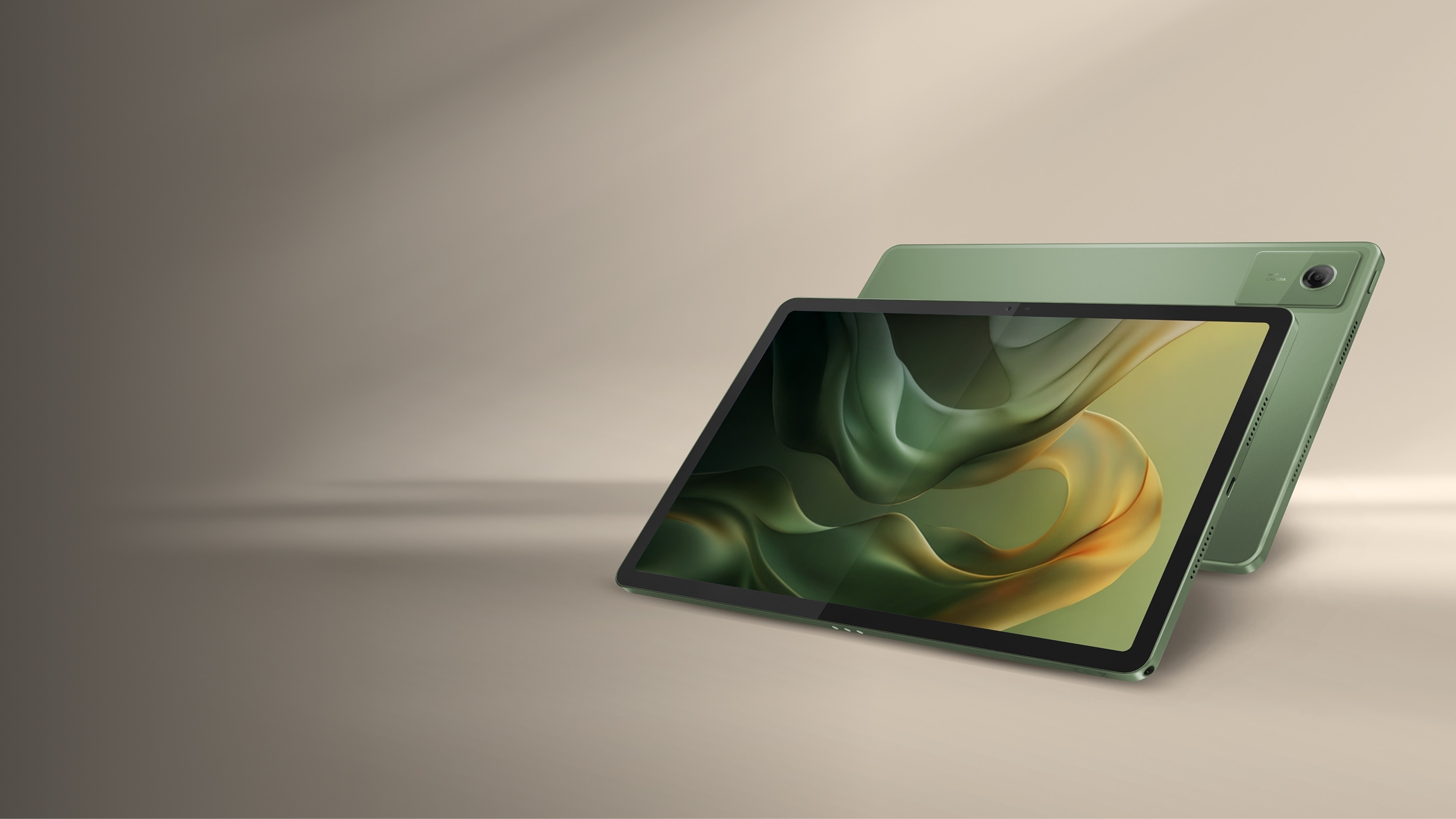
That matters because the stylus niche only survives if the device around it is good enough on its own terms. Motorola seems to understand that. The stylus is the hook, but the battery, charging, durability and cleaner software story are what make the pitch credible.
The moto pad makes the whole launch make sense
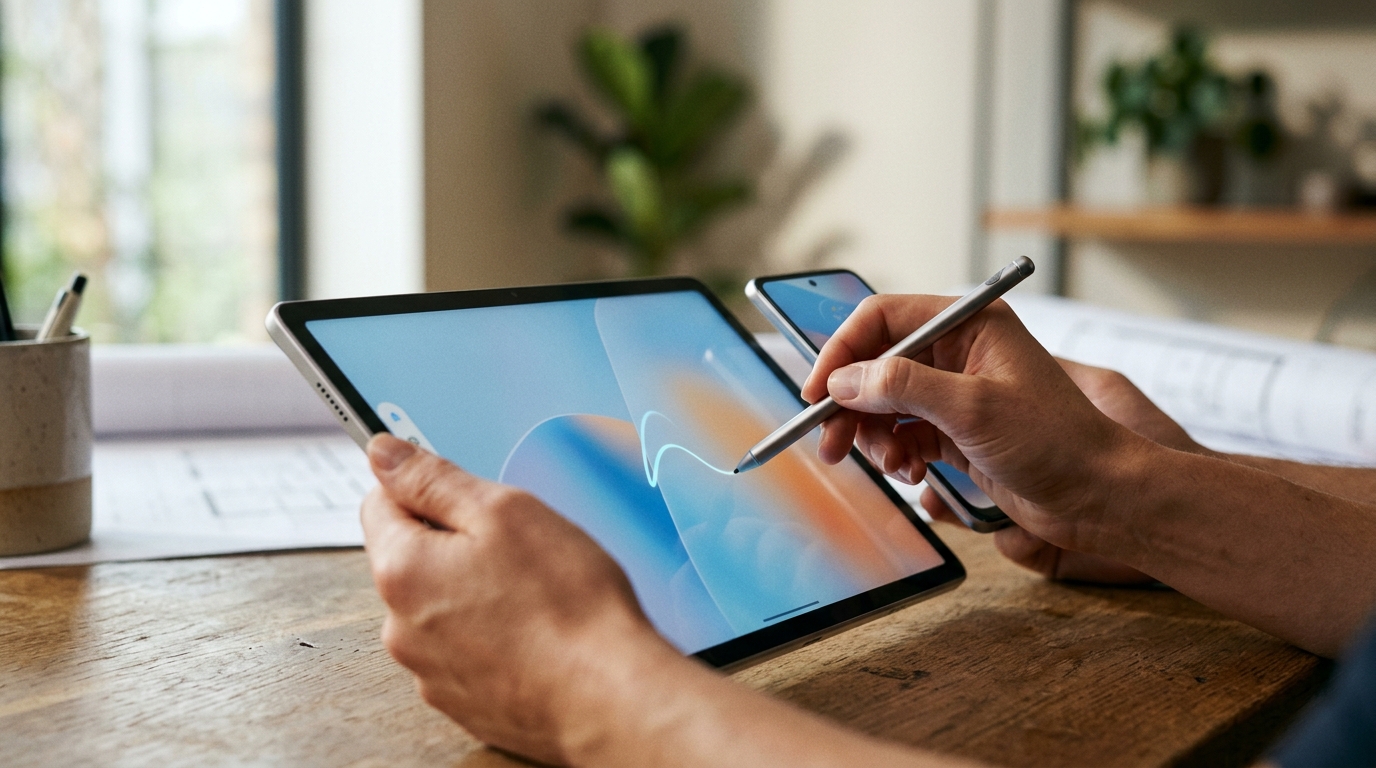
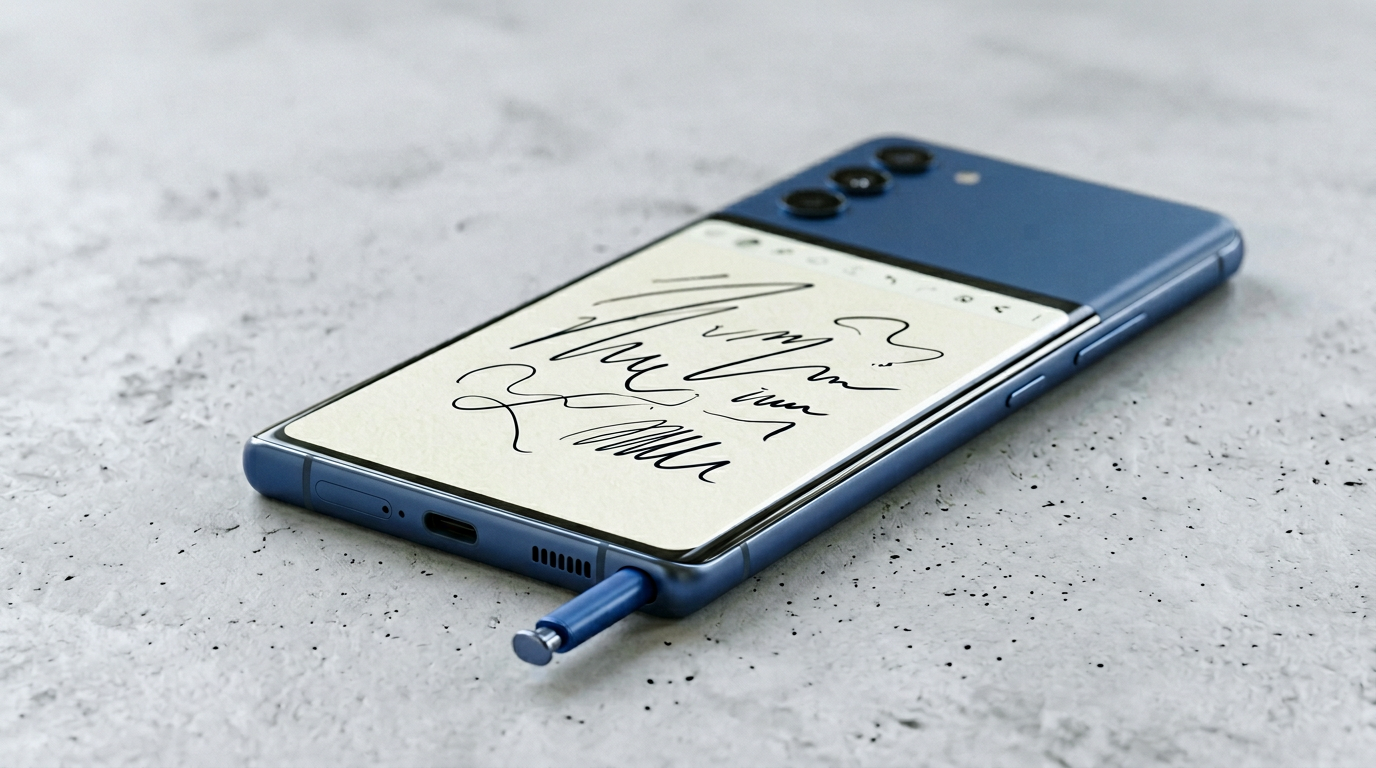
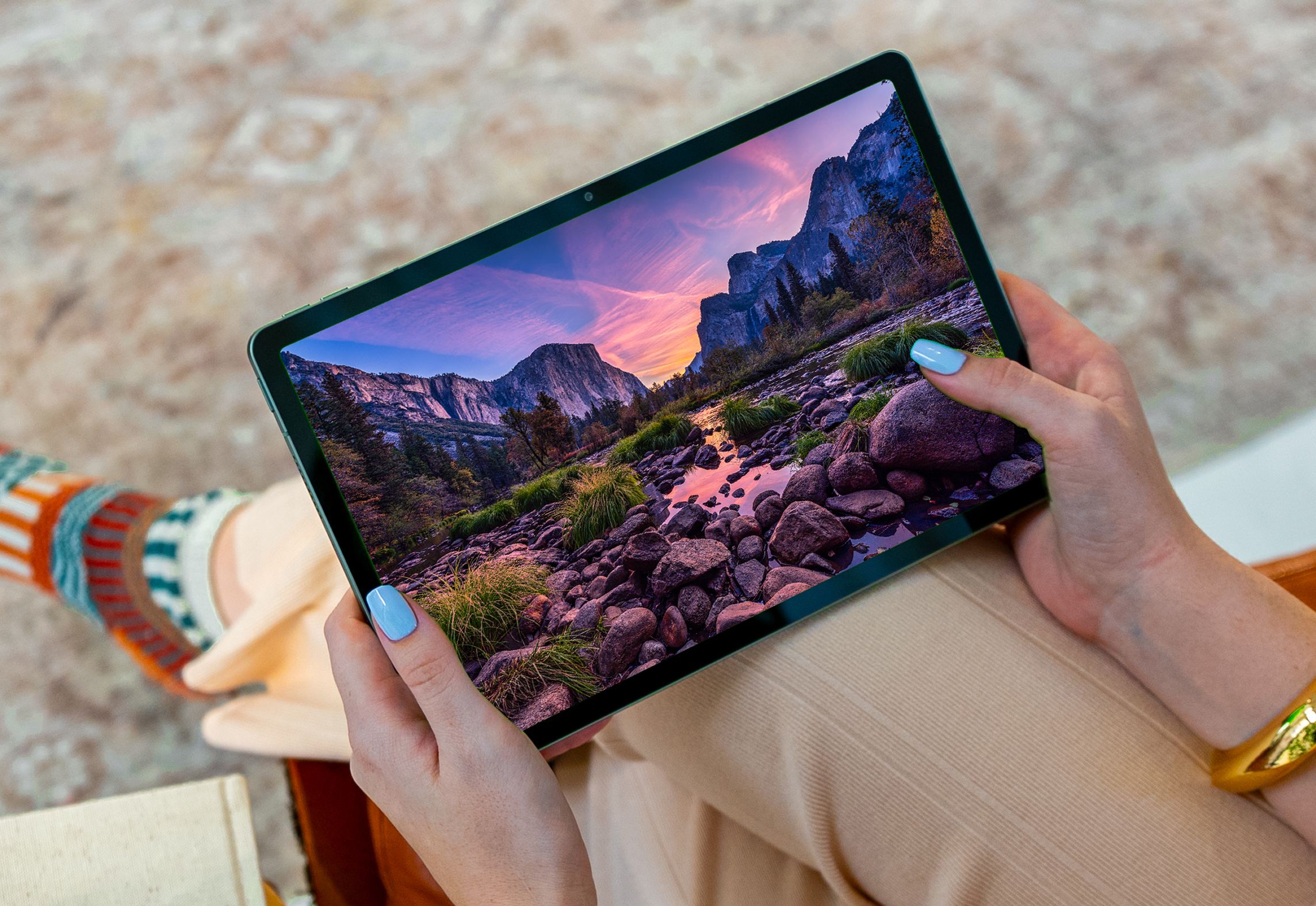
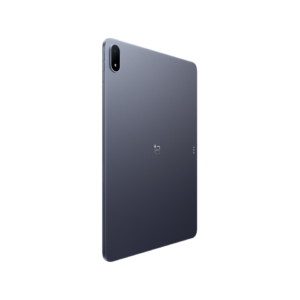
The tablet is what stops this from feeling like a lone mid-range phone announcement. Motorola gives the moto pad 2026 an 11-inch 2.5K 90Hz display, quad Dolby Atmos speakers, built-in 5G, a 7040mAh battery, pen support and Smart Connect-style cross-device features that let users move between phone, tablet and PC more smoothly. That broader workflow angle is the real story.
Motorola is effectively saying that productive mobile computing does not need to start with a £1,200 flagship and a premium tablet. It can start with cheaper devices that talk to each other properly and are built around normal tasks like note-taking, sketching, streaming, multitasking and handoff. UK pricing has not been confirmed at launch, but US prices of £395 (about $499) and £195 (about $249.99) respectively set the floor for how aggressive that pitch is.
| Device | Key strengths | US availability |
|---|---|---|
| moto g stylus 2026 | Built-in active stylus, Snapdragon 6 Gen 3, AI camera tools, 5200mAh battery, IP68/IP69 | April 16 unlocked, from £395 (about $499) (UK pricing TBC) |
| moto pad 2026 | 11-inch 2.5K 90Hz display, moto pen support, quad speakers, 7040mAh battery, built-in 5G | April 30 via T-Mobile, from £195 (about $249.99) (UK availability TBC) |
Motorola is choosing usefulness over spectacle
That makes this launch unusually sensible. Where Samsung and Google are currently pushing harder on AI as the future interface, Motorola is taking a more grounded route. It sprinkles in AI photography and Circle to Search, but the actual emphasis stays on writing, drawing, battery life, ruggedness, charging speed, displays and device continuity. There is something refreshing about that restraint.
It also means Motorola is pitching against a real fatigue in the market. Plenty of buyers no longer need another AI demo. They need products that make ordinary work and leisure smoother. This duo is aimed squarely at that mood.
Why April 15 matters for the mid-range market
Motorola’s April 15 launch matters because it is a reminder that the mid-range does not have to be boring or derivative. The company has found a lane that is easier to understand than most: capture on the phone, expand on the tablet, move between both without hassle. That is far more persuasive than pretending every affordable device now has to be sold as a mini flagship AI machine.
The products will still need to prove themselves in real use, obviously. But the pitch is good. And in the current mobile market, where too many launches sound like a committee searching for a purpose, a clear product idea is already a competitive advantage.
Related reading on MTW
Buyer action
Where to buy or check next
Use this as the final check before ordering a phone, changing network or trusting a headline monthly price.










Reader discussion
Leave a comment
Comments are moderated. Keep it useful, accurate, and on topic.