
UPDATED · News · 2 Apr 2026 · Daniel Reid
As you reach for your wallet to upgrade your ageing handset, brace yourself for the next brutal smartphone price hike. A shocking new industry report has laid bare the grim reality: a severe RAM and storage component crisis is about to send smartphone prices soaring, with budget and entry-level devices facing devastating increases of 15 to 20 percent. The insatiable hunger of AI data centres has diverted vital memory production, leaving smartphone makers with little choice but to pass crippling costs onto consumers. Industry analysts at IDC warn this could mark the end of affordable handsets as we know them.
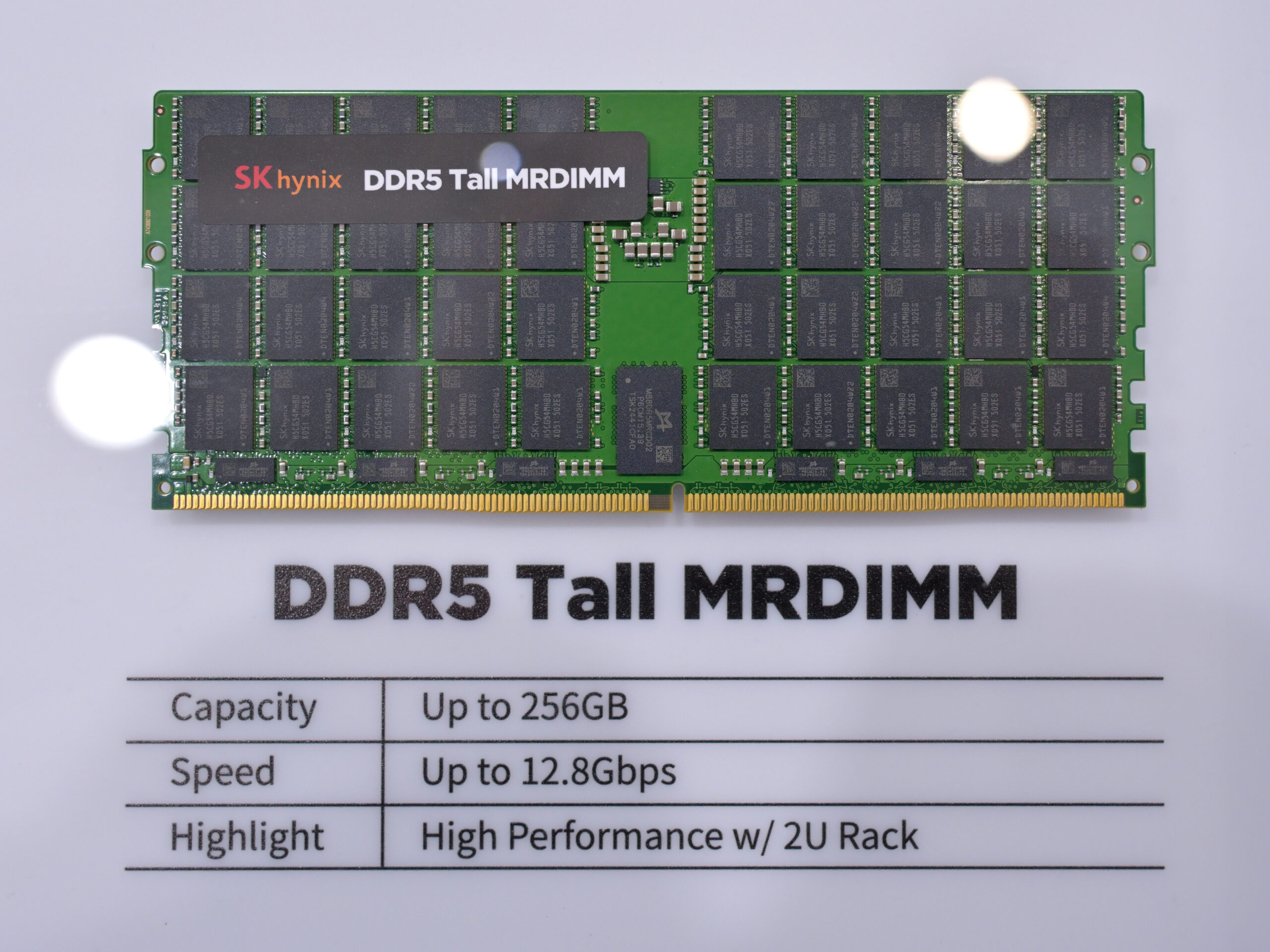
This isn’t just another minor supply blip. The global memory shortage has reached catastrophic levels, with reports of DRAM contract prices rising by up to 70 percent for server memory and NAND flash costs climbing sharply in recent months. Manufacturers are being squeezed like never before, and ordinary consumers will pay the price, literally.
AI’s Insatiable Appetite: Why Smartphone Prices Are Rising
While tech giants pour billions into artificial intelligence, the rest of us are left holding the bill. The explosive growth of AI infrastructure has created unprecedented demand for high-bandwidth memory chips. Samsung, SK Hynix, and Micron have redirected production capacity toward these far more profitable data centre contracts, starving the consumer electronics market of essential DRAM and NAND components.
Memory now accounts for 15 to 20 percent of the bill of materials in mid-range smartphones. When those costs explode, manufacturers face an impossible choice: absorb the losses and destroy their margins, slash specifications, or hammer consumers with higher prices. Most are choosing the latter. The result is a perfect storm that threatens to reshape the entire industry.

Analysts warn this crisis runs deeper than previous shortages. Unlike past cycles that eventually corrected themselves, the structural shift toward AI appears permanent. Data centres aren’t just competing for memory, they’re winning, leaving smartphone makers fighting over scraps.
Smartphone Prices Rising: Budget Phones Hit Hardest
The pain will not be shared equally. Premium flagships with their fat margins will weather the storm with relatively modest price adjustments. Budget and entry-level phones, already operating on razor-thin profits, face annihilation. Many sub-$100 (around £80) devices may simply disappear from the market as they become permanently uneconomical to produce.
Industry forecasts paint a bleak picture. According to IDC, global smartphone shipments could plummet by 12.9 percent to 1.12 billion units in 2026, the steepest decline in over a decade. Average selling prices are predicted to surge 14 percent to a record $523 (around £420) as manufacturers abandon the low end entirely. For millions in emerging markets who rely on cheap devices to access banking, education, and essential services, this represents a digital exclusion crisis.
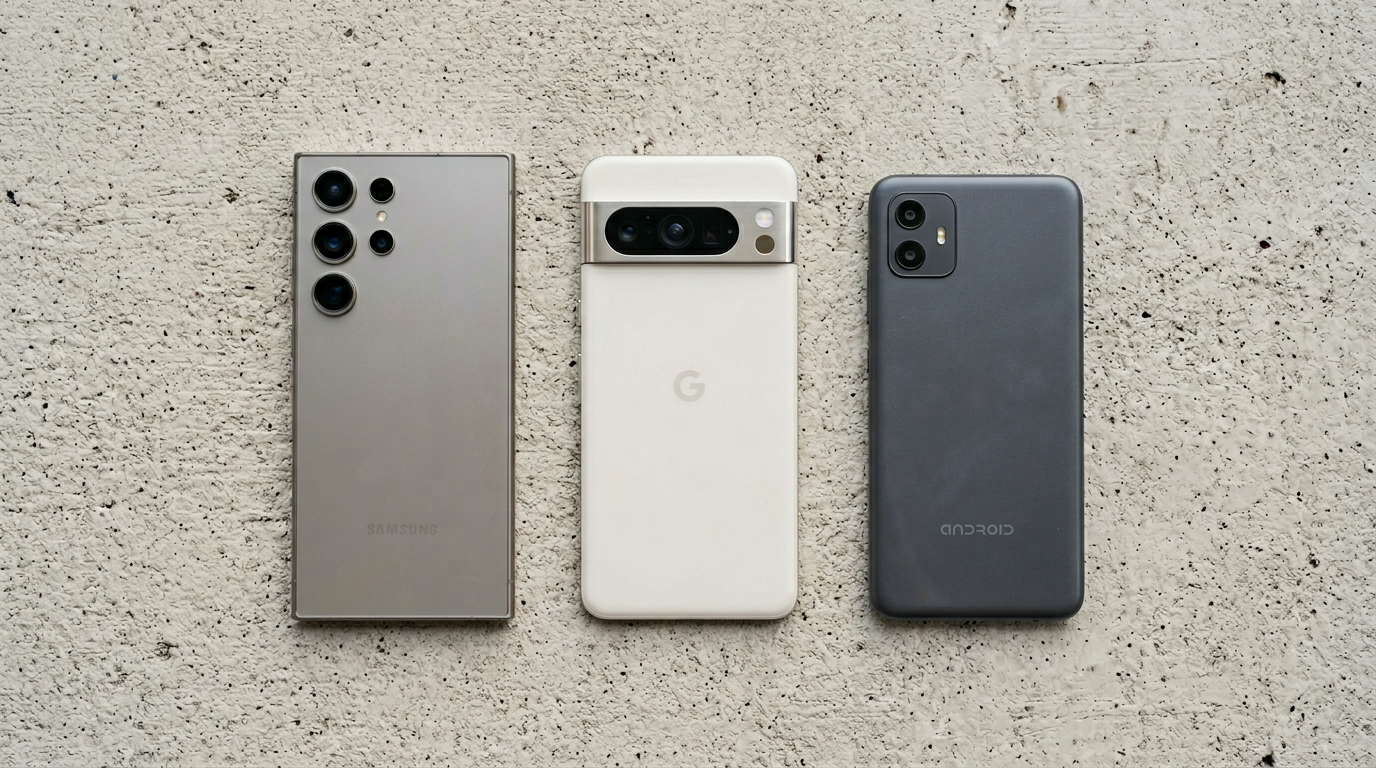
Some brands are already making grim adjustments. Reports suggest manufacturers may reintroduce lower RAM configurations in entry-level devices or simply stop producing them altogether. The days of getting decent performance for under £150 appear to be over.
The Smartphone Price Hike: What It Means for You
This looming smartphone price hike isn’t just bad news for your bank balance, it signals a fundamental shift in the industry. As we’ve detailed in our news coverage, consumers are likely to respond by keeping their current phones longer, flooding the second-hand market, or opting for refurbished models. But with even those prices set to rise, the options are shrinking fast.
Flagship buyers won’t escape unscathed either. While percentage increases may be lower, the absolute cost of premium devices could still jump significantly. Expect fewer generous RAM and storage configurations across the board as brands desperately try to control costs.
The crisis exposes the dangerous fragility of our hyper-specialised global supply chains. One major technological shift, in this case the AI boom, can send shockwaves through entirely unrelated sectors. Smartphone buyers are now collateral damage in Big Tech’s AI arms race.
Is There Any Hope on the Horizon?
The outlook remains decidedly gloomy. Most analysts expect the memory crunch to persist through 2026 and possibly into 2027. New manufacturing capacity takes years to build, and memory makers have every incentive to keep prioritising the far more lucrative AI sector.
Smartphone brands may eventually adapt by designing more efficient chips or exploring alternative materials, but these solutions won’t arrive in time to prevent this year’s pain. For now, the advice is simple: if you’re thinking about upgrading, do it sooner rather than later. Prices are only heading in one direction.
What does this mean for innovation? Will we see fewer exciting budget devices packed with impressive specifications? The answer appears to be a resounding yes. The smartphone market that delivered incredible value to consumers for over a decade is undergoing a painful transformation. As explored in our editorials, this could permanently alter how we buy and use mobile technology.

The tech industry loves to preach disruption, but rarely do we consider when that disruption turns against the very consumers who fuel its growth. This RAM and storage crisis represents one such moment. The smartphone price hike isn’t coming, it’s already here, and it’s going to hurt.
All images credited to their respective sources.
Related reading on MTW
Buyer action
Where to buy or check next
Use this as the final check before ordering a phone, changing network or trusting a headline monthly price.














Reader discussion
Leave a comment
Comments are moderated. Keep it useful, accurate, and on topic.