UPDATED · News · 4 Jun 2026 · Daniel Reid
The Samsung Galaxy Watch 8 starts at £319 in the UK for the 40mm Bluetooth model, and that confirmed sticker is the right place to begin any buying decision, because the rest of the range climbs quickly from there. Samsung UK lists the watch across two case sizes, two connectivity options and a separate Classic body, so the price you actually pay depends on choices that have nothing to do with the headline figure. This guide walks through every UK price, what the health sensors really do, which features are cleared for use here, and whether the Watch 8 is worth buying now or worth waiting on.
- UK RRP from £319 (Galaxy Watch 8 40mm Bluetooth); 44mm Bluetooth £349; LTE adds £50; Classic 46mm from £449.
- 3nm five-core processor, 2GB RAM, 32GB storage, up to 3,000 nits, 5ATM plus IP68 and MIL-STD-810H.
- New Antioxidant Index, Vascular Load and an improved Running Coach run on the upgraded BioActive sensor.
- ECG, blood pressure and irregular heart rhythm alerts work in the UK through the Samsung Health Monitor app, paired to a Galaxy phone.
- Android only: it needs a Galaxy or Android 11 phone and will not pair with an iPhone.
Galaxy Watch 8 UK price across every model
The line splits into the standard Galaxy Watch 8 and the dressier Galaxy Watch 8 Classic, and both come in Bluetooth or LTE. At launch in July 2025 Samsung set the 40mm Bluetooth at £319 and the 44mm Bluetooth at £349, with the LTE versions at £369 and £399 respectively. The Classic starts at £449 for the 46mm Bluetooth and £499 with LTE. Those are the recommended prices to anchor against, because retailers discount around them rather than below the official floor for long.
Almost a year on, the watch is routinely cheaper than RRP. We have seen the standard model discounted to around £269 direct from Samsung during promotions, and third-party sellers such as Currys and Argos frequently sit between £310 and £349 depending on size and colour. If you are cross-shopping the Apple side of the fence, our Apple Watch Series 11 versus Galaxy Watch 8 comparison lays out where each one pulls ahead. The headline takeaway on price: the Watch 8 undercuts a comparable Apple Watch in the UK, and the gap widens once a discount lands.
| Model | UK RRP (Bluetooth) | UK RRP (LTE) | MTW read |
|---|---|---|---|
| Galaxy Watch 8 40mm | £319 | £369 | Best value; right for most wrists |
| Galaxy Watch 8 44mm | £349 | £399 | Bigger screen, longer battery |
| Galaxy Watch 8 Classic 46mm | £449 | £499 | Rotating bezel, premium feel, pay the tax only if you want it |
Classic or standard, and which case size
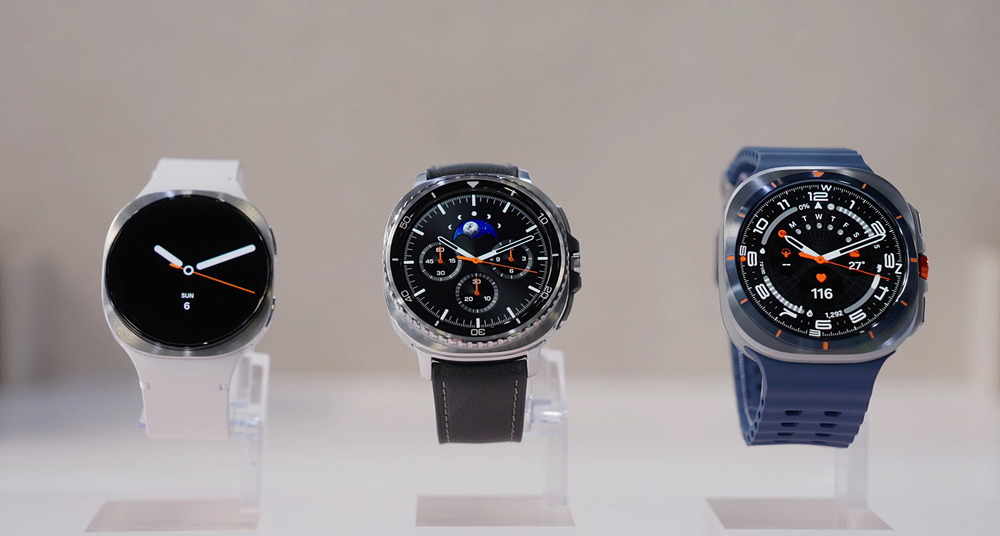
The decision that moves the price most is Classic versus standard. The standard Galaxy Watch 8 carries Samsung’s cushion design with a squarer frame and the Dynamic Lug System for swapping bands, and it comes in 40mm or 44mm. The Classic adds a 46mm body, a physical rotating bezel for scrolling menus, and a more substantial steel construction. The rotating bezel is genuinely the nicest way to navigate a round watch, but you are paying at least £100 more for it over the 44mm standard.
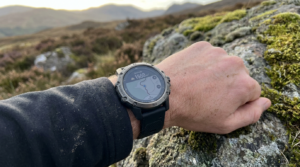
On sizing, the 40mm suits slimmer wrists and the 44mm gives you a larger 1.47-inch class display and a bigger 325mAh battery. Both standard sizes share the same internals: a 3nm five-core processor, 2GB of RAM and 32GB of storage, with a display that hits up to 3,000 nits so it stays readable in summer glare. Durability is rated to 5ATM water resistance plus IP68 and the MIL-STD-810H standard, which covers swimming and the usual knocks. If you are weighing this against a screen-free tracker, our look at the Oura Ring 5 in the UK sets out the trade-off between a full smartwatch and a ring.
LTE or Bluetooth: do you need the cellular model
The LTE versions cost £50 more and add a cellular radio so the watch can take calls, stream and receive notifications without your phone nearby. That only matters if you genuinely leave the phone behind, on a run or at the gym, and want to stay reachable. The cellular plan is a separate monthly add-on through your network, so factor that ongoing cost in rather than treating the £50 as the whole bill. Most buyers who keep their phone in a pocket all day will get nothing from LTE and should save the money.
There is one wrinkle worth knowing: even the Bluetooth model handles contactless payments through the watch, so leaving your wallet at home is not a reason on its own to pay for LTE. We cover the mechanics of that in our guide to using contactless payments on a smartwatch. Our view is that the Bluetooth 40mm at £319 is the model most UK buyers should default to, with LTE reserved for runners and anyone who treats the watch as a phone replacement on the move.
The BioActive sensor and the new health features
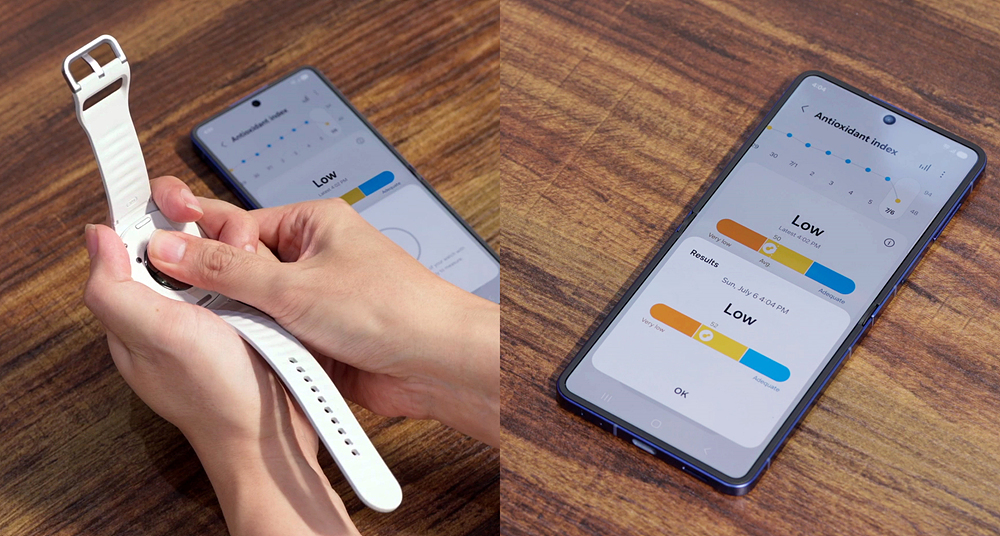
Health tracking is where the Watch 8 earns most of its keep, and Samsung leaned hard into nutrition and cardiovascular metrics this generation. The headline addition is the Antioxidant Index, which Samsung describes as the industry’s first measurable nutrition index. You press a fingertip to the sensor on the back of the watch and, in roughly five seconds, it returns a carotenoid reading, the pigments your body stores from fruit and vegetables. It is graded very low, low or optimal against the WHO’s 400g daily vegetable guideline.
Be realistic about what that number means day to day. Samsung itself notes that skin carotenoid levels only shift meaningfully after about one to two weeks of changed diet, so the reading is a slow trend, not an instant scorecard you can game with a single salad. Alongside it sits the AGEs Index, which estimates advanced glycation end-products as a longer-term metabolic marker. Both are wellness signals rather than clinical diagnostics, and Samsung is clear the watch is not a medical device.
Vascular Load, sleep and the Running Coach
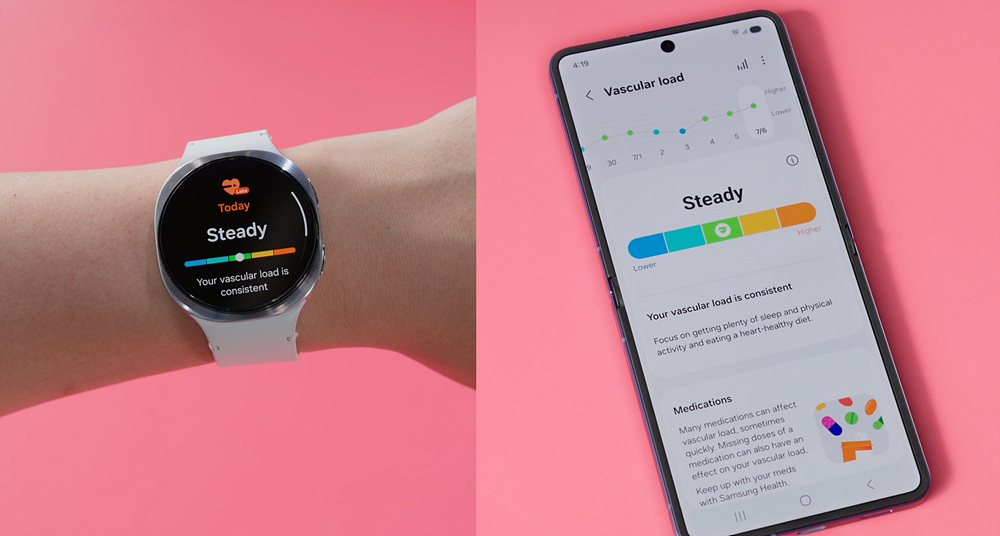
Vascular Load is the metric most worth understanding. It tracks the strain on your cardiovascular system overnight, scoring it as lower, steady or higher, and pairs it with guidance on sleep, stress and activity. It is a genuinely useful nudge if you want a single overnight read on how hard your heart is working, though again it is a trend tool, not a diagnosis. The sleep package adds bedtime guidance that suggests a wind-down window, sleep apnea detection, and a coaching programme that sorts your patterns into one of eight animal-style sleep types.
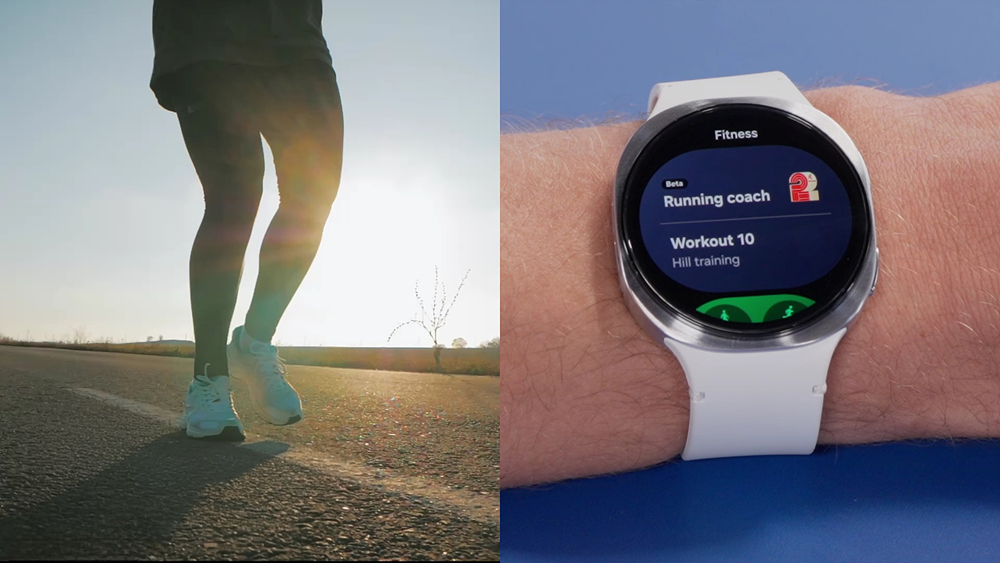
For fitness, the upgraded Running Coach is the standout. It assesses your level on a 1 to 10 scale from a short test run, then builds a multi-week training plan with real-time pacing guidance during workouts. The dual-frequency L1 and L5 GPS tightens distance accuracy in cities where tall buildings usually confuse a watch. If your budget is tighter and you mainly want activity and heart-rate tracking, our roundup of the best fitness trackers and smartwatches under £200 is the better starting point than stretching to the Classic.
ECG and blood pressure: what works in the UK
This is the part buyers most often get wrong, so here is the UK position plainly. The clinical-style features, ECG, blood pressure and irregular heart rhythm notifications, do not run inside the standard Samsung Health app. They live in the separate Samsung Health Monitor app, and Samsung UK confirms all three are available here. ECG records a single-lead trace, the irregular heart rhythm notification watches for signs of atrial fibrillation, and blood pressure gives a systolic and diastolic reading from the wrist.
There are two conditions UK buyers must plan for. First, blood pressure on the wrist needs calibrating against a traditional cuff-based monitor before it will give a reading, and that calibration has to be repeated every 28 days, so you need to own or borrow a cuff. Second, Samsung Health Monitor only runs when the watch is paired to a Samsung Galaxy phone, not just any Android handset, which narrows who can use these specific features. The watch is explicitly not a medical device and these tools are preventive aids, not replacements for a GP.
Wear OS, Gemini and battery life
The Watch 8 runs Wear OS under Samsung’s One UI 8 Watch layer, which keeps access to the Google Play app library while preserving Samsung’s interface and health stack. The notable software addition is Google Gemini on the wrist, so you can ask conversational questions and trigger actions like starting a specific workout by voice. It is a smarter assistant than the old Bixby experience and a real reason the software feels current. For context on how Samsung’s wider interface is evolving, our coverage of the One UI 8.5 UK rollout traces the same design language across phones.
Battery is the honest weak spot. Samsung quotes up to 30 hours on the 44mm with the always-on display active, which in practice means a daily or near-daily charge, especially if you track sleep and leave the screen on. That is competitive with the Apple Watch but well behind a fitness-first device. If multi-day battery is your priority, a Pixel Watch will not save you either, as our Pixel Watch 4 long-term review found the same daily-charge reality across Wear OS watches. Plan to charge it while you shower or at your desk.
Compatibility: Galaxy and Android only, not iPhone
The single hardest line in this guide: the Galaxy Watch 8 does not work with an iPhone. It needs an Android phone running Android 11 or above with at least 1.5GB of memory, and it relies on the Galaxy Wearable and Samsung Health apps from the Google Play Store to set up and sync. If you are an iPhone user, this watch is simply not for you, and an Apple Watch is the only sensible route. For the deepest health features described above, you need a Samsung Galaxy phone specifically, not just any Android device, because Samsung Health Monitor is restricted to Galaxy handsets.
App region matters too. Set your Samsung account and the Galaxy Store to the UK so the health features provision correctly and you get UK warranty support. On warranty, Samsung covers the watch for two years in the UK, and your statutory rights under the Consumer Rights Act sit on top of that. The battery is not user-replaceable, so a worn cell after a few years means a Samsung service-centre job rather than a quick swap, which is worth factoring into long-term cost. If you are coming from the Samsung phone ecosystem already, pairing it with a flagship like the one in our Galaxy S26 Ultra review unlocks the full feature set.
Where to buy the Galaxy Watch 8 in the UK
Prices move with promotions, so compare before you commit. Samsung UK direct is the safest route for the newest stock, the full colour and band selection, and trade-in offers that can knock up to around £70 off when you send in an old smartwatch; it also occasionally drops the standard model to roughly £269 during sales. Currys stocks the range with click-and-collect and its CarePlan add-on, and typically lists the watch around £349 with periodic markdowns. Argos is worth checking for fast same-day collection and voucher-code discounts that have brought the price near £314. Amazon UK and John Lewis round out the field, with John Lewis adding its standard two-year guarantee at no extra cost, which is the strongest warranty among the mainstream UK sellers.
For LTE buyers, EE, Vodafone and O2 sell the cellular models on pay-monthly plans, but read the airtime cost carefully because the watch plan is billed separately from your phone. Our advice is to buy the watch outright from a retailer and add a smartwatch plan only if you actually need it, rather than financing the hardware through a network at a higher total cost.
The Galaxy Watch 8 is the smartwatch to buy for most Samsung and Android phone owners in the UK, and the 40mm Bluetooth at £319, or under £300 on a deal, is the model we would pick. You get the best Wear OS health stack going, genuinely useful additions in Vascular Load and the Running Coach, UK-cleared ECG and blood pressure through Samsung Health Monitor, and Gemini on the wrist, all for less than a comparable Apple Watch. We would skip the Classic unless the rotating bezel and steel build matter to you, and skip LTE unless you regularly leave your phone behind. The two reasons to wait are simple: if you own an iPhone the watch will not pair at all, and if you want true multi-day battery you should look at a fitness-first tracker instead. With the next generation likely around mid-2026, anyone not in a hurry could hold for a refreshed model, but at current discounted prices the Watch 8 is hard to fault today.
| What we like | What we would watch |
|---|---|
| Strong UK price from £319, undercuts Apple Watch | Daily charging; up to 30 hours on the 44mm |
| ECG and blood pressure cleared for UK use | Blood pressure needs a cuff to calibrate every 28 days |
| Useful new Vascular Load and Running Coach | No iPhone support; deepest health features need a Galaxy phone |




Reader discussion
Leave a comment
Comments are moderated. Keep it useful, accurate, and on topic.