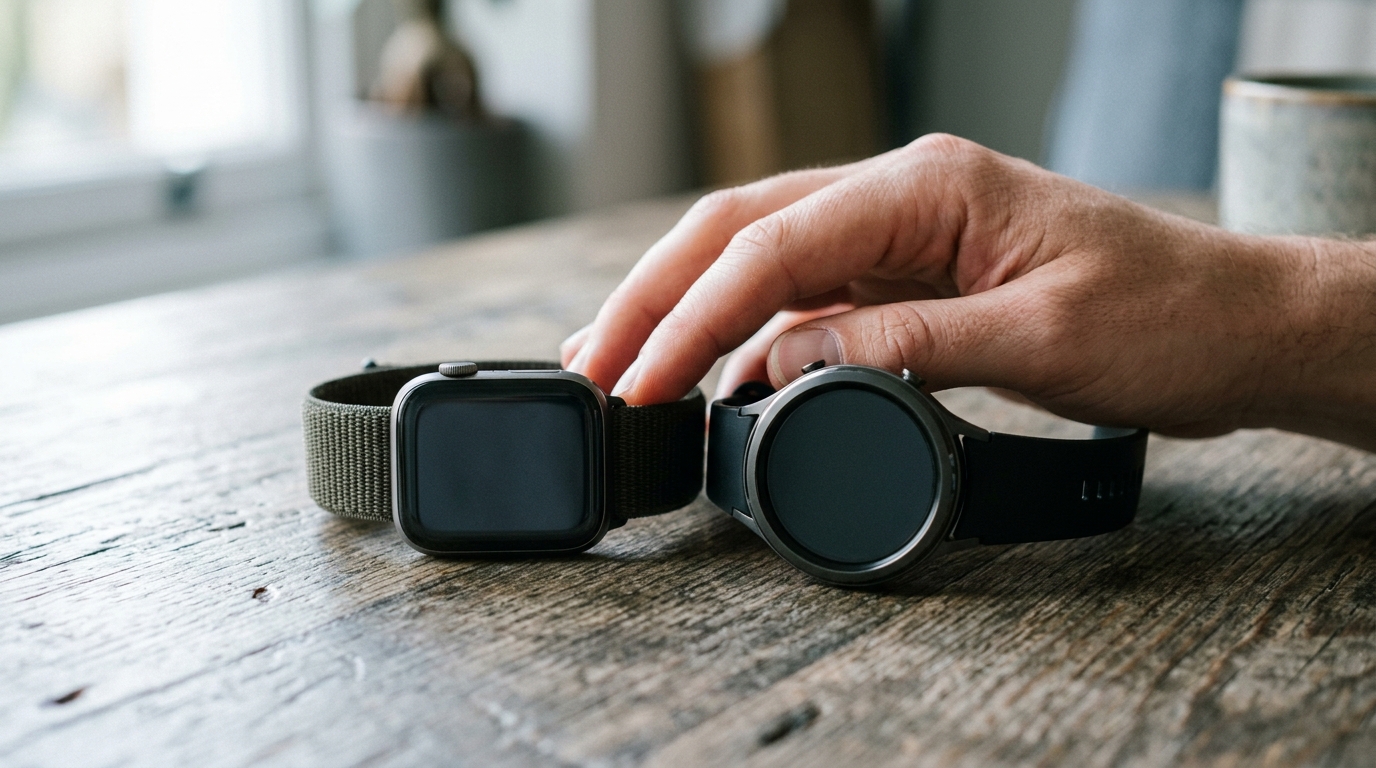
Apple Watch vs Galaxy Watch is the cleanest 2026 smartwatch decision for UK buyers, and the two flagships make it sharper than usual. Apple debuted the Apple Watch Series 11 on 9 September 2025 at £369, and Samsung launched the Galaxy Watch 8 at Galaxy Unpacked on 9 July 2025 from £319. Both run their newest software, both lean on AI, and one is meaningfully better depending on which phone is in your pocket.
- Apple Watch Series 11 starts at £369 (42mm GPS) and tops out at £469 (46mm GPS + Cellular) in the UK.
- Galaxy Watch 8 starts at £319 (40mm Bluetooth) and tops out at £399 (44mm 4G LTE); Galaxy Watch 8 Classic 46mm sits above at £449 Bluetooth, £499 LTE.
- Series 11 ships with watchOS 26 and adds hypertension notifications plus the new Sleep Score on iPhone.
- Galaxy Watch 8 is the first smartwatch to ship with Wear OS 6 and Gemini in the box, paired with One UI Watch.
- Apple promises up to 24 hours of normal battery, Samsung claims up to 40 hours standby on the standard Watch 8 with Always-On Display off.
Apple Watch vs Galaxy Watch: UK 2026 prices side by side
The Apple Watch vs Galaxy Watch price war is closer than it has been in years. The Apple Watch Series 11 cost Apple a £30 cut versus the Series 10, landing at £369 for the 42mm GPS and £469 for the 46mm GPS + Cellular. The Galaxy Watch 8 enters £50 cheaper at £319 for the 40mm Bluetooth and £399 for the 44mm LTE. Add the Galaxy Watch 8 Classic at £449 (Bluetooth) or £499 (LTE) and Samsung effectively triple-stacks the line: undercut Apple at the bottom, match Apple at the top, and add a steel-and-bezel option Apple simply does not sell.
The hidden cost is the phone. The Series 11 is a paperweight without an iPhone. The Galaxy Watch 8 is a paperweight without an Android phone, and ECG plus blood-pressure measurement specifically require a Samsung phone, not just any Android. That is a real lock-in tax that does not appear on either product page. For buyers comparing the two in isolation, the Samsung is cheaper. For buyers honestly accounting for “and what phone do I already have”, both ecosystems are well past the point of switching for the watch alone.
Apple Watch vs Galaxy Watch on the wrist: design and display
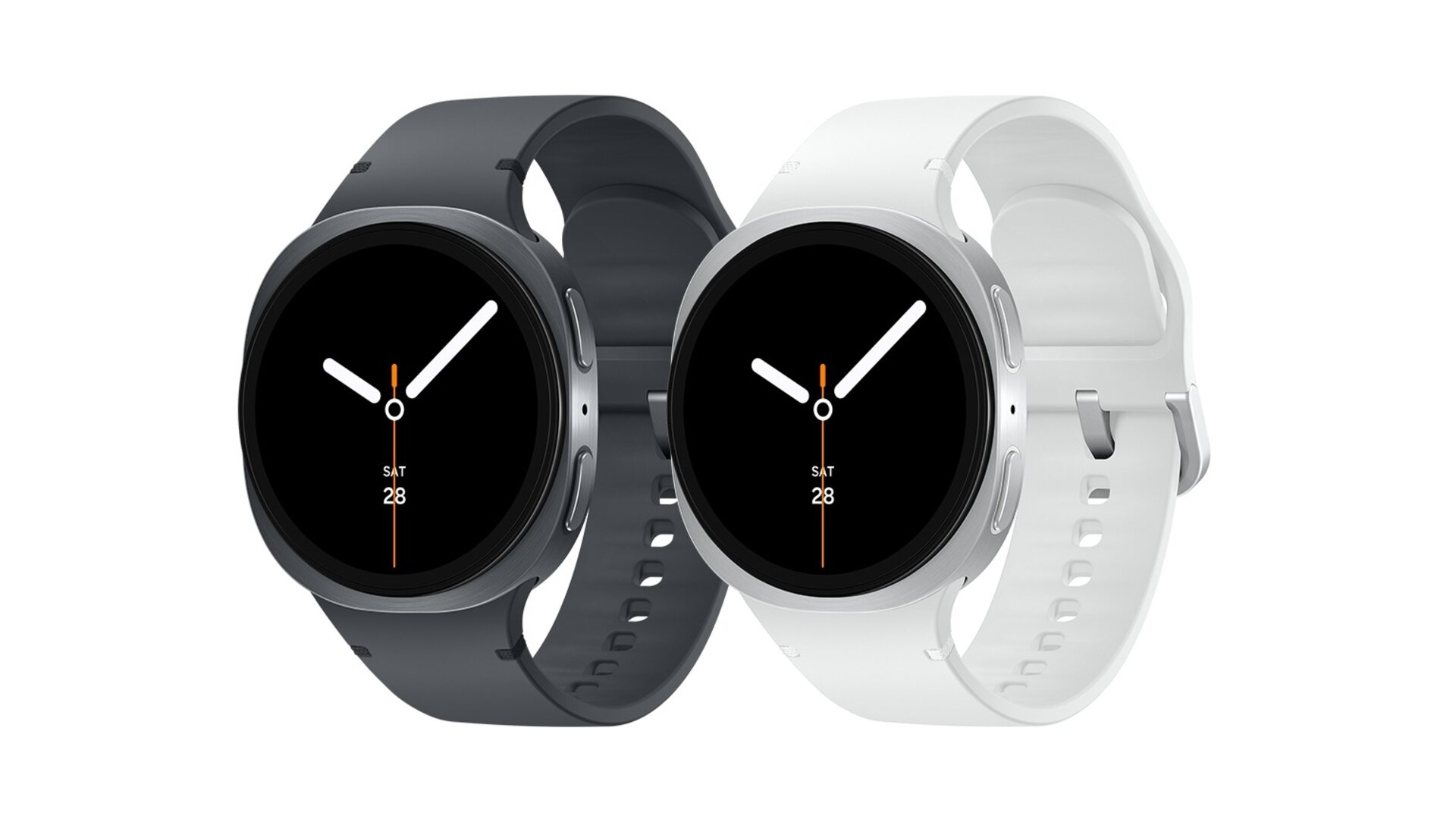
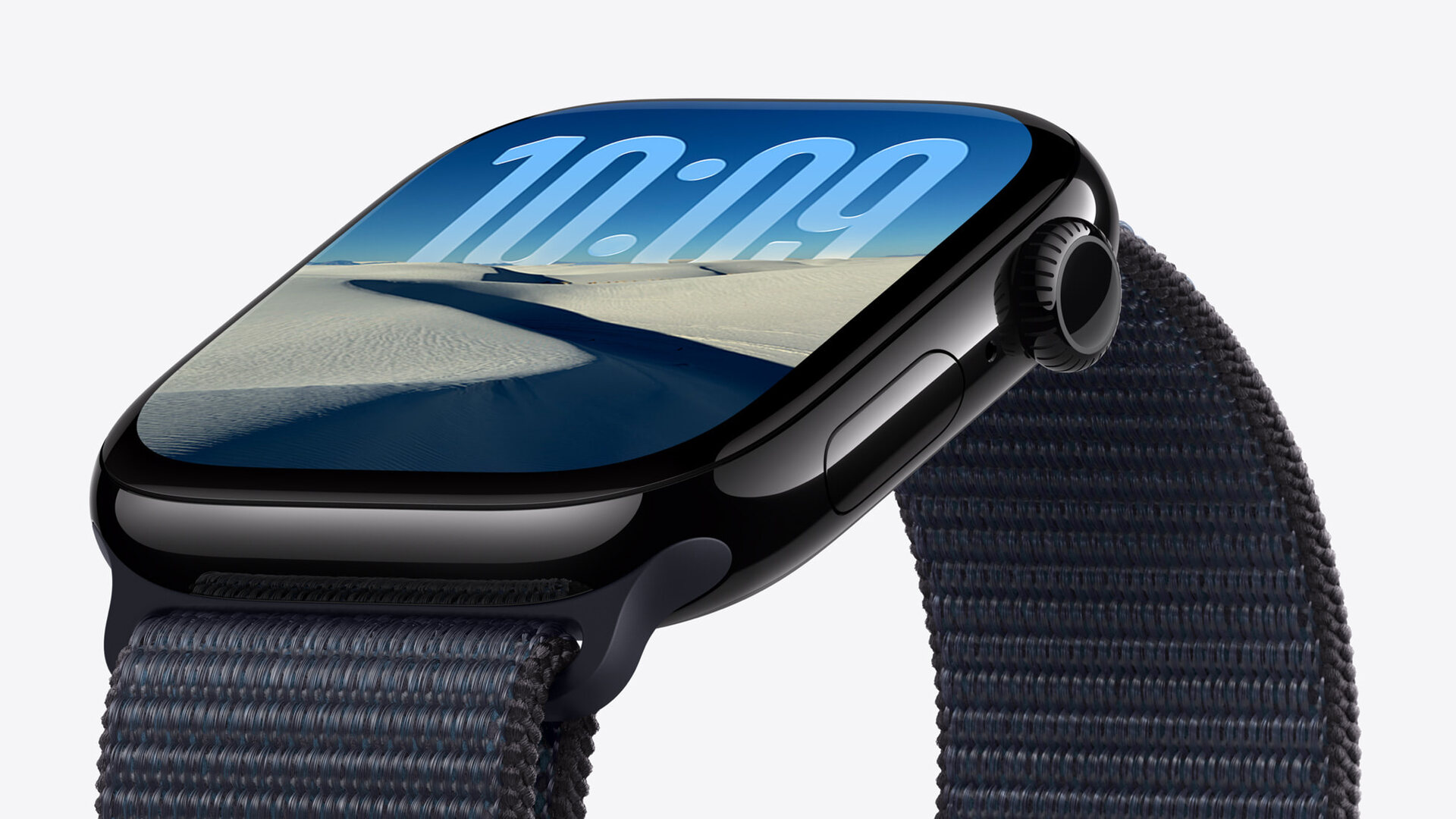
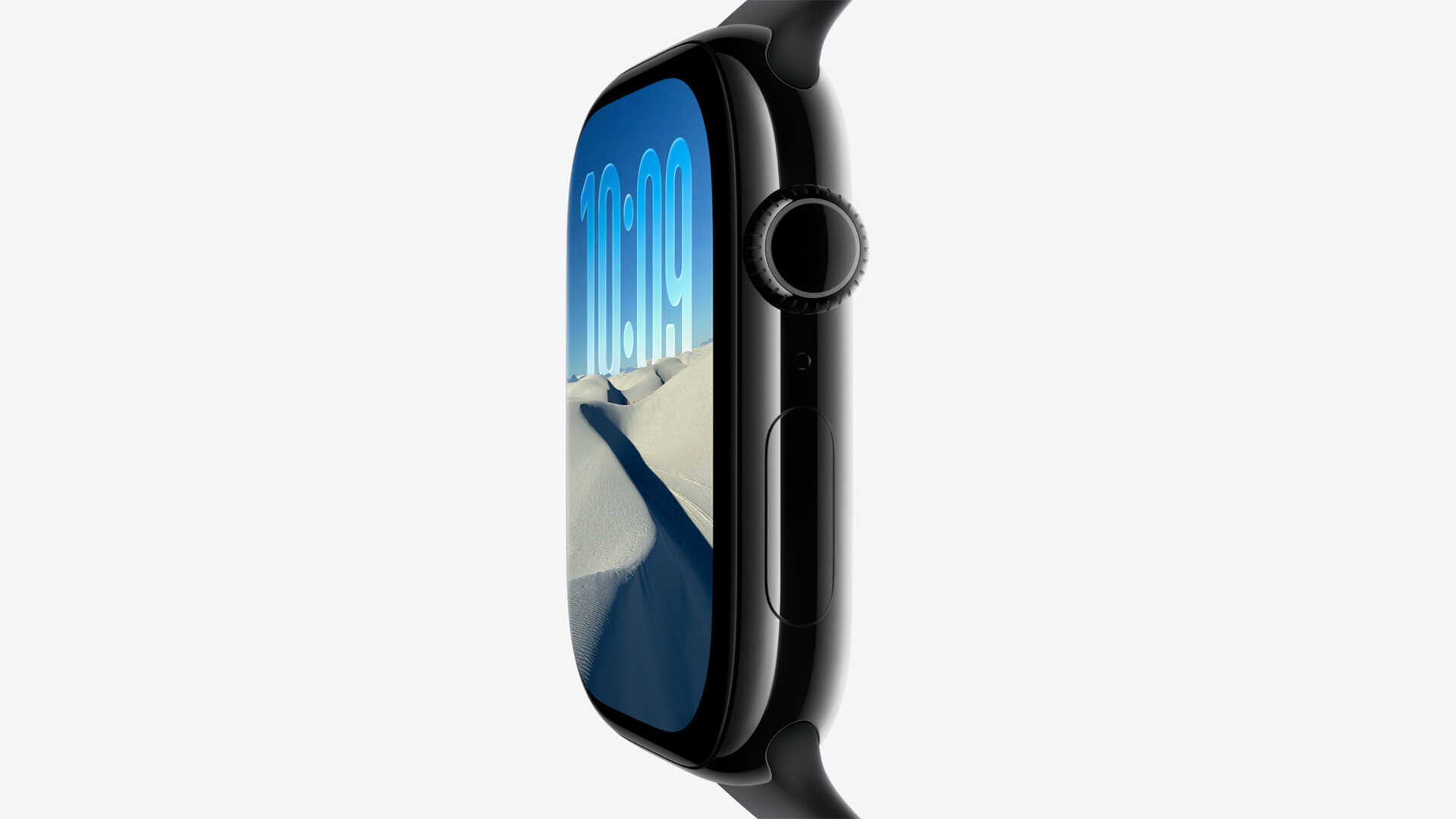
Samsung claims the Galaxy Watch 8 is its thinnest mainline watch yet, at 8.6mm, with a “cushion” case borrowed from the Galaxy Watch Ultra. Apple counters with what it calls its thinnest Apple Watch ever and a glass that is 2x more scratch resistant than the Series 10. On brightness the Watch 8 wins outright: Samsung tops out at 3,000 nits peak, Apple’s spec page lists the Series 11 at 2,000 nits peak. Both can dim hard for Always-On, but Samsung simply has more headroom in direct sunlight.
Materials are where the £150 gap shows. Series 11 aluminium covers the £369-£469 band; bumping to titanium pushes the price above the Galaxy Watch 8 Classic. Samsung gives you stainless steel and sapphire crystal at £449 on the Classic , a build Apple charges hundreds more for. If you specifically want a steel watch with a real, clicky rotating bezel, the Classic is unmatched on either side. That is also the only Watch 8 with a sapphire face; the standard Galaxy Watch 8 uses regular front glass.
Apple Watch vs Galaxy Watch 8: head-to-head specs
| Spec | Apple Watch Series 11 | Galaxy Watch 8 / Classic | MTW read |
|---|---|---|---|
| UK starting price | £369 (42mm GPS) | £319 (40mm BT) | Samsung wins on entry price. |
| Top variant | £469 (46mm GPS + Cellular) | £499 (Classic 46mm LTE) | Apple slightly cheaper at the top, but Classic adds a steel case and bezel. |
| Sizes | 42mm, 46mm | 40mm, 44mm; Classic 46mm only | Samsung covers smaller wrists better. |
| Display peak brightness | 2,000 nits | 3,000 nits | Samsung claims more peak; Apple’s matters more on the Always-On state. |
| Chip | S10 SiP, 64-bit dual-core | Exynos W1000, 3nm 5-core | Both are fast enough; Exynos has the headroom for Gemini. |
| Health flagship feature | Hypertension notifications, Sleep Score, ECG | Vascular Load, Antioxidant Index, ECG and blood pressure (Samsung phone only) | Apple’s hypertension is FDA-cleared (11 September 2025) and rolling out in 150+ countries; Samsung’s BP is years-old and locked to Galaxy phones. |
| AI assistant | Siri on-device, Apple Intelligence via iPhone | Gemini in the box, free on watch | Gemini on the wrist is genuinely better than Siri today. |
| Battery (normal use) | Up to 24 hours, 8 hours from 15 min charge | Up to 30 hours with Always-On, 40 hours standby | Galaxy Watch 8 wins outright. |
| OS | watchOS 26 | Wear OS 6 + One UI Watch | Both refreshed in 2025; watchOS still has the deeper third-party app library. |
| Phone lock-in | iPhone only | Android only; some features Samsung phone only | The biggest spec on the page. |
The standout line is battery. Apple promises 24 hours; Samsung claims up to 40. In practice both fall short of their marketing on heavy days, but the Galaxy Watch 8 still finishes a working day with a comfortable cushion that the Apple Watch Series 11 simply does not have unless you reach for Low Power Mode. For overnight sleep tracking that does not panic about 20 percent battery at 9pm, Samsung is the safer bet today. Wear OS 7’s Live Updates and tiered Gemini push that gap further once they land on the Watch 8 later this year.
Apple Watch vs Galaxy Watch: which UK buyer wins
Buy the Apple Watch Series 11 if you carry an iPhone, want the deepest watchOS app catalogue, and care that hypertension notifications now reach 150+ countries with FDA clearance already granted. The £369 entry price is the lowest Apple has set a new flagship in years, and the second-day battery anxiety is real but manageable with Apple’s 15-minute quick charge. Avoid the Series 11 if you are still on Android: every meaningful feature requires an iPhone, no exceptions.
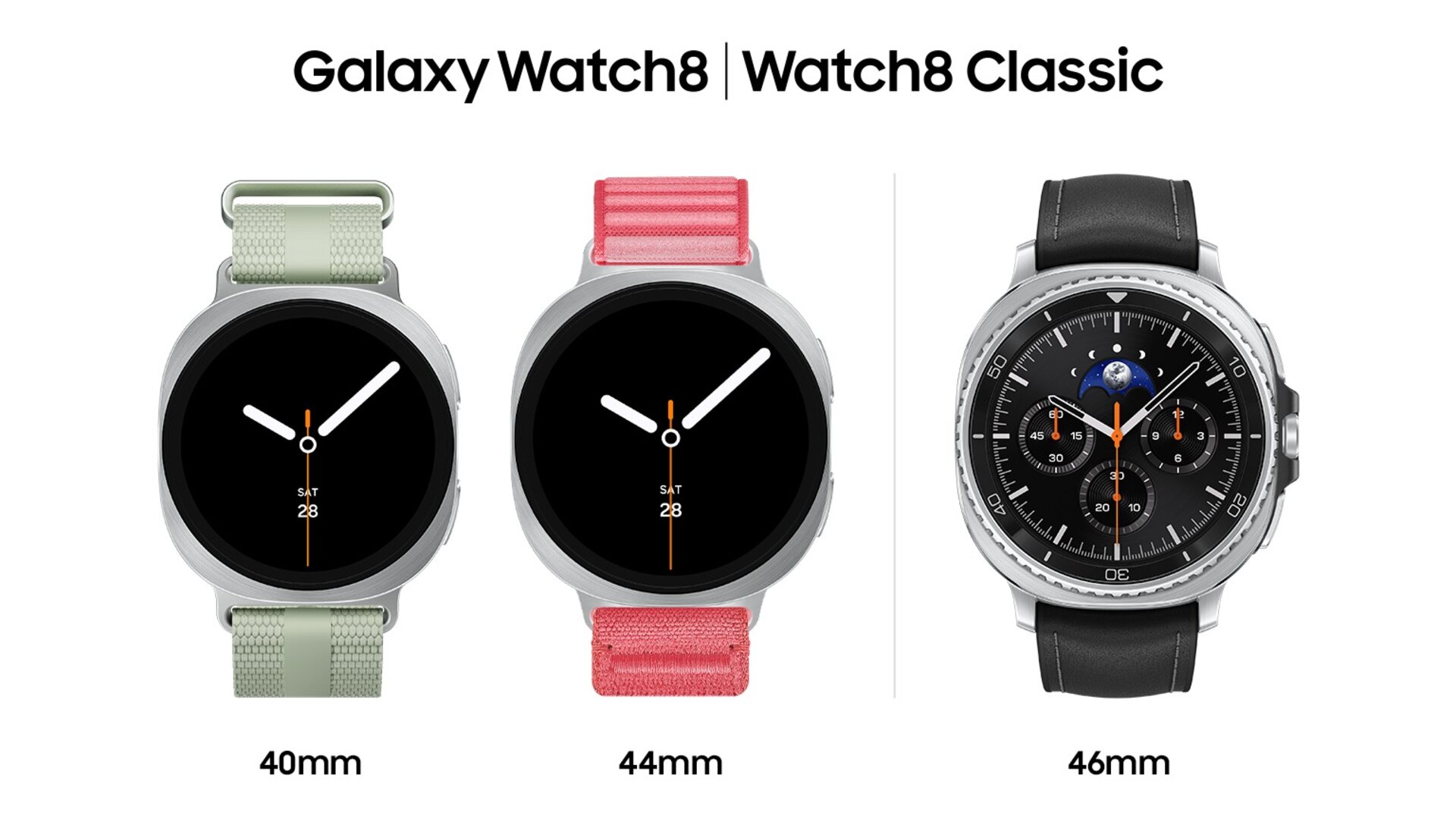
Buy the Galaxy Watch 8 if you carry any Android phone, want Gemini on the wrist out of the box, or care about battery first. Buy the Galaxy Watch 8 Classic if you specifically want stainless steel and a real rotating bezel; nothing on Apple’s side at any price does that. The £319 entry price for the 40mm Bluetooth is the cheapest serious Wear OS flagship you can buy. The catch is the Samsung-only health features: if your Android phone is a Pixel or a OnePlus, ECG and blood pressure are off. Compare that with the earlier Apple Watch Ultra 3 vs Garmin Fenix 8 Pro fight for a multi-day-battery alternative, and the Fitbit Air vs Apple Watch SE 3 entry guide if you simply want the cheapest credible smartwatch.
MTW verdict
Galaxy Watch 8 wins the 2026 Apple Watch vs Galaxy Watch fight on every axis the user controls: entry price, battery life, sapphire-and-steel option, Gemini in the box. Apple Watch Series 11 wins the one axis Apple controls: it is the only watch that works properly with the only phone most UK buyers will not give up. If you own an iPhone, buy the Series 11. If you own anything else Android, the Galaxy Watch 8 at £319 is the cheapest serious flagship smartwatch you can buy this year; spend the extra £130 on the Classic only if you want the steel case.
Final verdict
Apple Watch vs Galaxy Watch 8 UK 2026: we compare Apple Watch Series 11 and Samsung Galaxy Watch 8 on price, battery, AI and health, and pick a winner.
How we compare
Buyer action
Where to buy or check next
Use this as the final check before ordering a phone, changing network or trusting a headline monthly price.





Reader discussion
Leave a comment
Comments are moderated. Keep it useful, accurate, and on topic.