Quick picks
- What to Look For in a Fitness Tracker — the best fitness trackers under 200 angle
- Best Overall: Samsung Galaxy Fit3, around £40 to £59 — the best fitness trackers under 200 angle
- Best for Runners: Garmin Forerunner 165, £189
- Best Value: Amazfit GTR 4, £149
- Best Ecosystem: Apple Watch SE 3, £219 | Budget Pick: Huawei Band 9, £39
The best fitness trackers 2026 has to offer prove that you no longer need to remortgage your house to get serious about health monitoring. Whether you are a dedicated runner chasing PBs, a casual gym-goer who wants to close some rings, or someone who just wants to know why they feel knackered by 3pm every day, there is a wearable under £200 that will do the job brilliantly. We have ranked the lot against published test data and UK pricing, and here is what is actually worth your money.
What to Look For in a Fitness Tracker — the best fitness trackers under 200 angle
Before you spend a penny, understand what separates a good fitness tracker from a waste of wrist space. Built-in GPS is essential if you run, cycle, or walk outdoors and want accurate distance and pace data without carrying your phone. Heart rate accuracy matters enormously, cheap optical sensors can be wildly inaccurate during high-intensity exercise, and that makes their calorie estimates meaningless.
Battery life is where the real divide sits. Some devices last a week or more on a single charge; others need daily topping up. If charging your watch becomes another daily chore alongside your phone, tablet, and earbuds, you will stop wearing it within a month. Finally, display quality matters more than most people realise. An always-on AMOLED screen that you can read in direct sunlight is a genuine quality-of-life upgrade over a dim LCD you have to flick your wrist to wake.
Best Overall: Samsung Galaxy Fit3, around £40 to £59 — the best fitness trackers under 200 angle
The Samsung Galaxy Fit3 is the tracker that makes everything else look overpriced. Typically discounted to £40 or so from an RRP of £59, it delivers a 1.6-inch AMOLED display, heart rate monitoring with Samsung’s BioActive sensor, sleep tracking, and up to 13 days of battery life. Thirteen days. Let that sink in while Apple Watch owners scramble for their chargers every night. (Note: GPS is “connected” via your phone rather than built in, so for hardcore outdoor tracking without a phone you will want to step up to a Galaxy Watch.)
It tracks over 100 workout types, offers automatic exercise detection, and integrates seamlessly with Samsung Health on Android. The only real limitation is that iPhone users lose some functionality, particularly around notification management. But for Android users on a budget, this is an absurdly good deal. Samsung has essentially made the case that you do not need to spend more than sixty quid on a basic fitness tracker, and they are largely right.
Best for Runners: Garmin Forerunner 165, £189
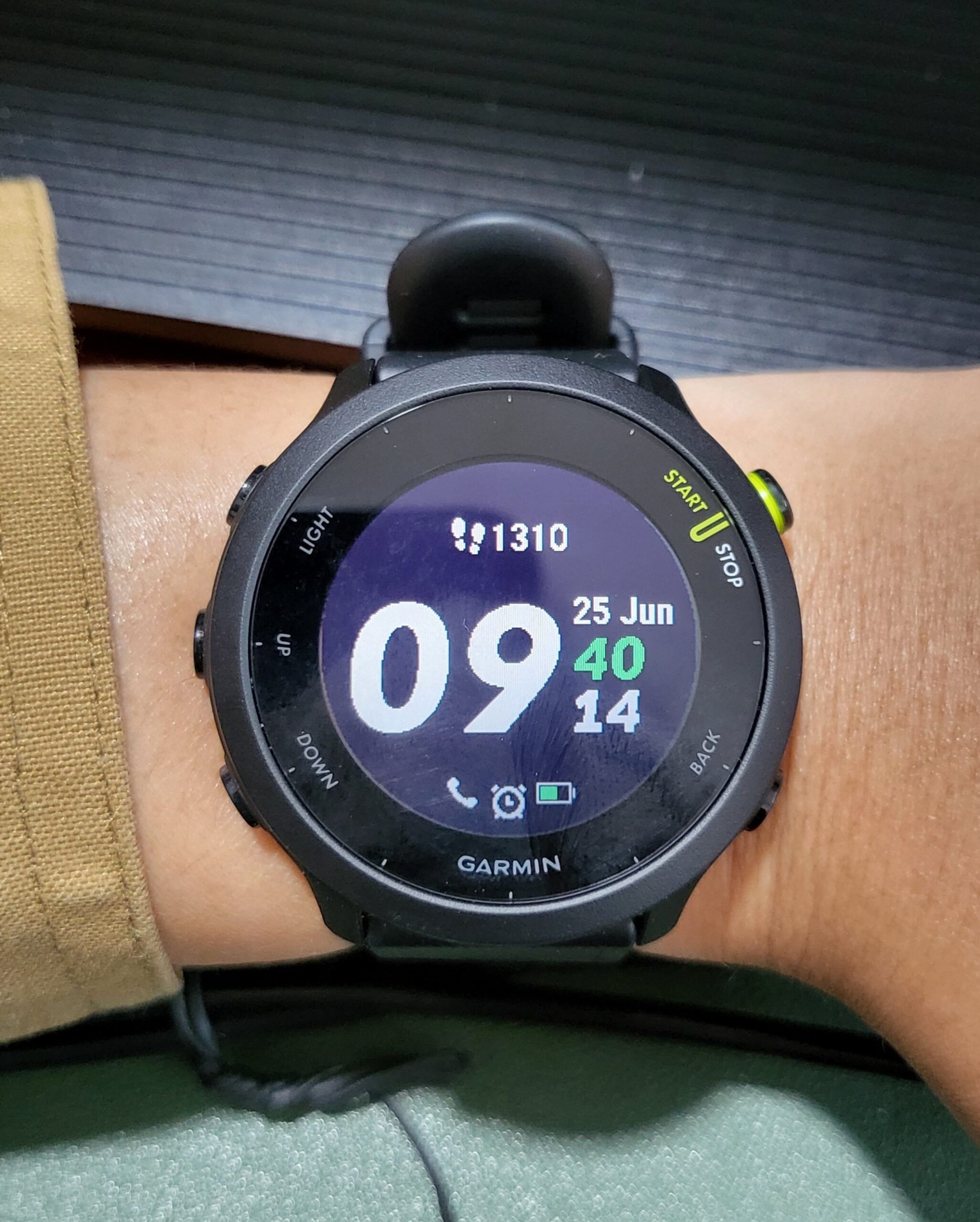
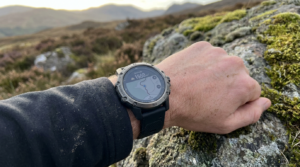
If running is your primary focus, the Garmin Forerunner 165 is the one to buy. Garmin’s multi-band GPS is the most accurate in the business, it will track your route with precision that makes phone GPS look like a rough suggestion. Training metrics include VO2 max estimates, training load analysis, race predictor, and suggested daily workouts that adapt to your fitness level.
The 1.2-inch AMOLED touchscreen is a significant upgrade over Garmin’s older LCD displays, and battery life stretches to 11 days in smartwatch mode or 19 hours with GPS active. That is enough for a marathon and then some. Garmin Connect remains the best fitness platform for data nerds, with granular analysis that makes Apple Health look like a toy. At £189, it sits right at the top of our budget, but for serious runners, it is worth every penny.
Best Value: Amazfit GTR 4, £149
The Amazfit GTR 4 hits a sweet spot that few competitors can match. For around £149, you get a premium-feeling circular design with a 1.43-inch AMOLED display, dual-band GPS, blood oxygen monitoring, stress tracking, and a battery that lasts up to 14 days. The build quality genuinely impresses at this price, the aluminium alloy middle frame and curved glass give it a look that punches well above its weight class.
Amazfit’s Zepp OS has improved significantly over the past year, with better third-party app support and more responsive notifications. It works equally well with iOS and Android, which gives it an edge over the Samsung for iPhone users. The heart rate sensor is accurate enough for most training purposes, and the sleep tracking is comprehensive with REM, light, and deep sleep stages. If you want smartwatch looks with fitness tracker battery life, this is the one.
Best Ecosystem: Apple Watch SE 3, £219 | Budget Pick: Huawei Band 9, £39
If you own an iPhone, the Apple Watch SE 3 at £219 remains the best smartwatch experience available at this price. It now packs Apple’s S10 chip, adds an always-on display, supports 5G, and keeps features like Crash Detection, fall detection, and full access to the App Store. The fitness tracking is accurate, the integration with Apple Health is seamless, and watchOS remains the most polished smartwatch operating system available.
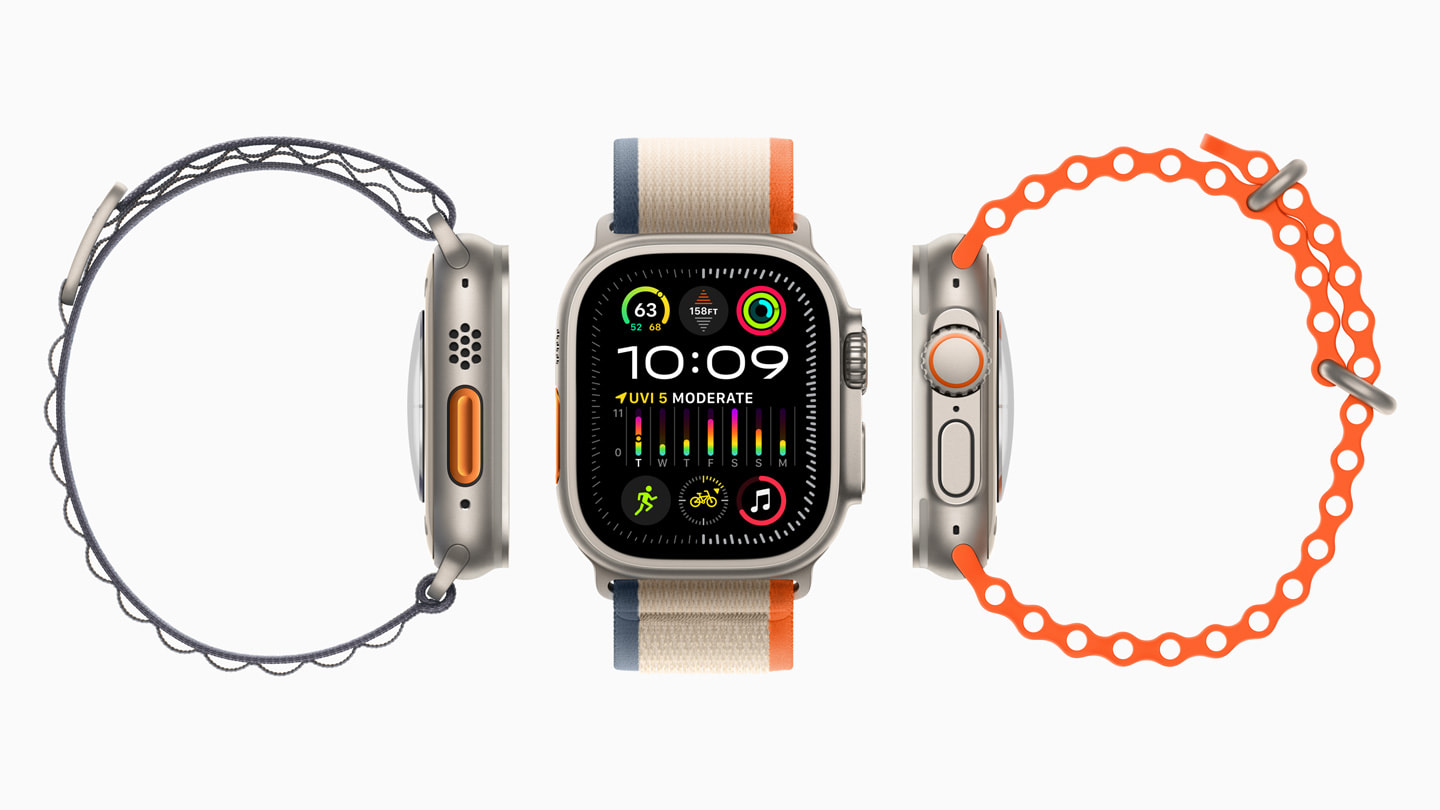
The trade-off is battery life: you will get about 18 hours, which means daily charging is non-negotiable. If that bothers you, look elsewhere. But if you value the ability to reply to messages, take calls, use Apple Pay, and access thousands of apps from your wrist, the SE 3 delivers the full Apple Watch experience without the premium price.
At the opposite end of the spectrum, the Huawei Band 9 at around £39 is remarkable value. It offers a 1.47-inch AMOLED display, heart rate monitoring, SpO2 tracking, sleep analysis with TruSleep, and up to 14 days of battery life. It lacks GPS, so you will need your phone for outdoor tracking accuracy, but for basic daily activity monitoring and sleep tracking at this price, nothing else comes close. It is the perfect starter device for someone who is not sure whether they will actually use a fitness tracker.
The Bottom Line
The fitness tracker market in 2026 is absurdly competitive, and the consumer is the winner. For most people, the Samsung Galaxy Fit3 around £40 to £59 offers everything you actually need. Serious runners should invest in the Garmin Forerunner 165. iPhone users who want the full smartwatch experience should grab the Apple Watch SE 3. And if you just want a cheap, cheerful band that tracks your steps and sleep without fuss, the Huawei Band 9 around £39 is a no-brainer. For more, see our Watch coverage. You might also read Best Home EV Chargers in the UK for 2026: What to Buy Before You Plug In.
The one thing we would strongly recommend is trying any wearable on your wrist before buying if possible. Comfort over extended wear matters more than any spec sheet, and what feels fine in a shop for thirty seconds can become irritating after eight hours. Whatever you choose from this list, you are getting genuine value, the days of needing to spend £300+ for a decent fitness wearable are firmly behind us.
Related reading on MTW
How we pick
Buyer action
Where to buy or check next
Use this as the final check before ordering a phone, changing network or trusting a headline monthly price.


Reader discussion
Leave a comment
Comments are moderated. Keep it useful, accurate, and on topic.