
UPDATED · News · 31 Mar 2026 · Daniel Reid
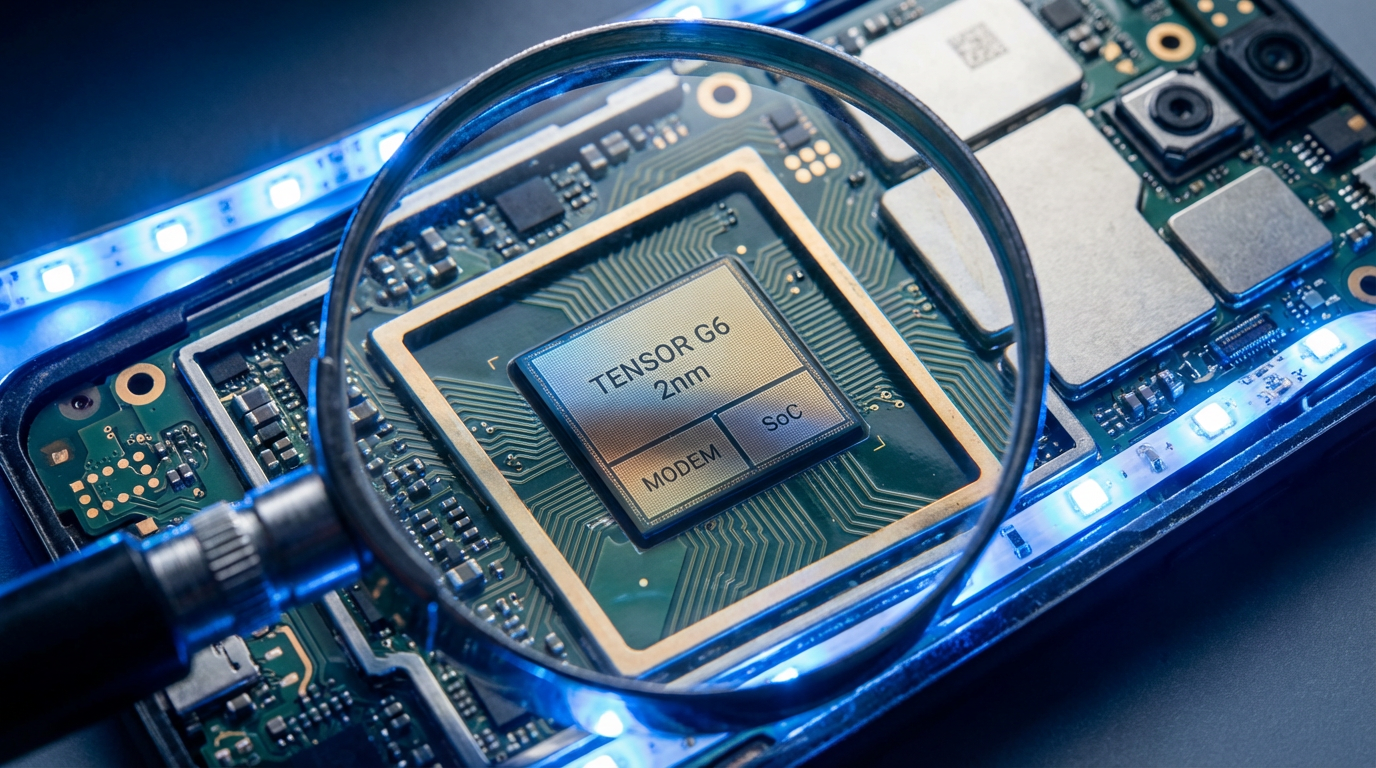
The Pixel 11 has leaked, and if you were hoping Google would finally shake things up, prepare to feel conflicted. Fresh CAD renders courtesy of the ever-reliable @OnLeaks reveal a device that looks almost identical to the Pixel 10, yet what lurks beneath the surface tells a far more interesting story. A 2nm Tensor G6 chip, a long-overdue modem swap, and bezels that have been shaved down just enough to notice: this is Google playing it safe on the outside whilst gambling big on the inside.
Pixel 11 Design: Familiar Face, Subtle Tweaks
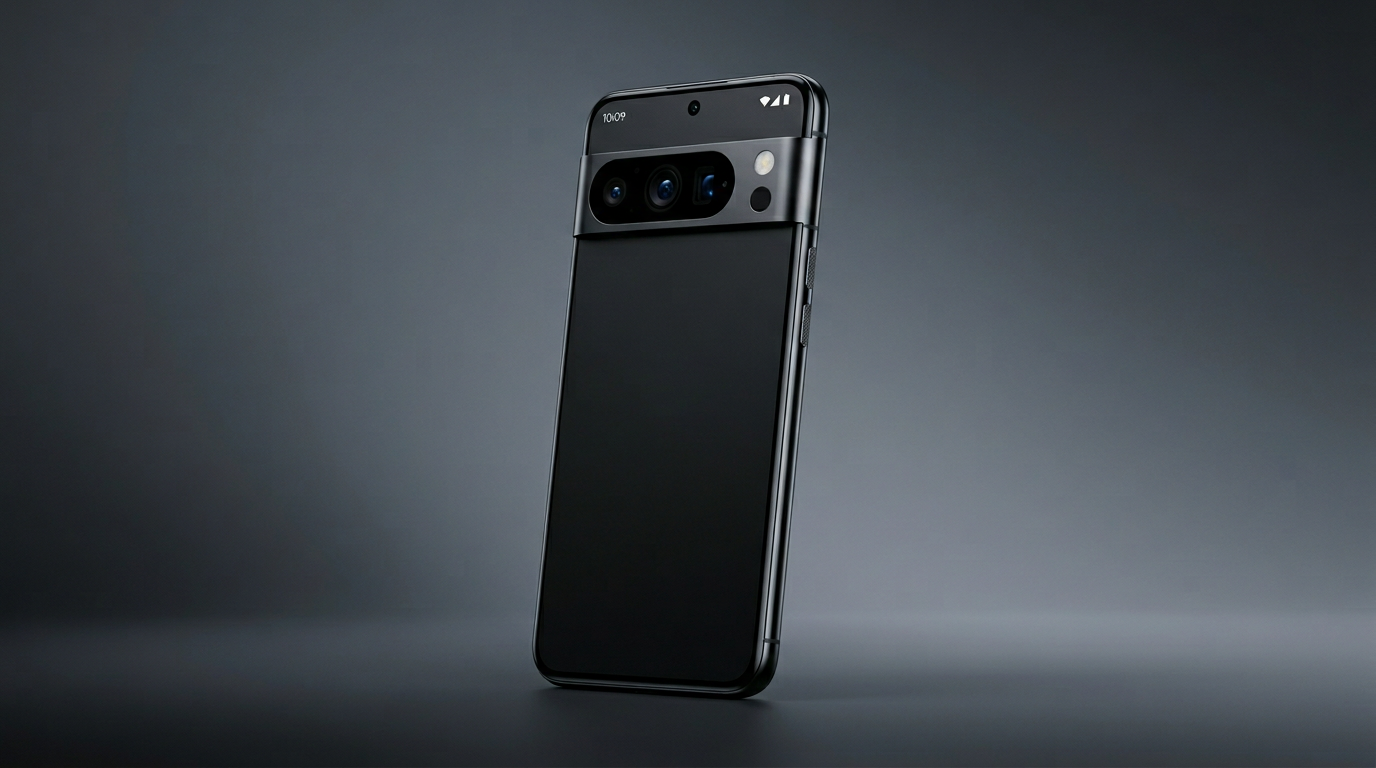
Let’s address the elephant in the room: the Pixel 11 looks like the Pixel 10. At 152.8 x 72 x 8.5mm, it is virtually dimension-for-dimension identical to its predecessor, shaving a mere 0.1mm off the thickness. The 6.3-inch display remains unchanged in size, but those bezels have been trimmed noticeably, enough to give the front face a slightly more modern, refined appearance.
The biggest visual change sits at the rear. Google has blacked out the entire camera bar, ditching the colour-matched frame that wrapped around each lens on the Pixel 10. The flash housing has lost its decorative framing too. It is a cleaner, more unified look, and honestly, it is the kind of understated design decision that ages well. As Droid-Life notes, early CAD renders almost never lie, so what you see here is almost certainly what ships in August.
Tensor G6: Google’s 2nm Gamble
Here is where it gets genuinely exciting. This year’s flagship will reportedly run on Google’s Tensor G6 processor, and for the first time, Google appears to be moving chip fabrication to TSMC’s 2nm process. If true, this is monumental. The Tensor G-series has been plagued by thermal throttling and efficiency complaints since its inception, largely because Google has been chained to Samsung Foundry’s inferior nodes. A switch to TSMC 2nm would put the Tensor G6 on the same manufacturing level as Apple’s upcoming A20 chip, according to Geeky Gadgets’ spec-leak round-up.
Alongside the new silicon comes a Titan M3 security coprocessor, which should bring improved hardware-level security for sensitive operations like passkey authentication and on-device AI processing. Google’s obsession with on-device machine learning means the Tensor G6 will almost certainly prioritise AI workloads over raw benchmark scores, and frankly, that is the correct play. Nobody buys a Pixel for Geekbench bragging rights.
The Modem Switch the Pixel 11 Desperately Needed
If there is one component that has consistently let Pixel phones down, it is the modem. Samsung’s Exynos modems have been a source of relentless criticism: poor signal reception, overheating, and battery drain that makes you wonder if your phone is secretly mining cryptocurrency. Google is finally expected to ditch Samsung’s modem in favour of MediaTek’s M90.
This is a bigger deal than most people realise. MediaTek’s modem technology has improved dramatically, and the M90 should deliver better signal stability, improved 5G efficiency, and, crucially, less heat generation. For years, Pixel owners have tolerated connectivity that was noticeably worse than competitors using Qualcomm’s Snapdragon modems. If Google gets this right, the device could finally close that gap. As 9to5Google reports, this modem switch has been one of the most anticipated changes in Pixel hardware history.
Camera and Storage: Playing It Conservative
Details on the camera system remain thin, but the blacked-out camera bar suggests Google is not making dramatic hardware changes to the imaging pipeline this generation. Given that the Pixel 10’s camera was already class-leading for computational photography, this is not necessarily a problem. Google’s strength has always been in software processing rather than megapixel wars, and the Tensor G6’s improved AI capabilities should yield noticeable improvements to photo and video quality without a sensor overhaul.
What is more concerning is the storage situation. The device reportedly launches with 12GB of RAM and 128GB of base storage. In 2026, when Samsung offers 256GB as standard on the Galaxy S26 and even mid-range phones are shipping with 256GB, sticking with 128GB feels stubbornly behind the times. Google clearly wants to push users towards cloud storage, but not everyone has unlimited data plans or reliable connectivity, particularly ironic for a phone whose modem has been the butt of jokes for years.

Pixel 11 Price, Variants and Launch Window
Google is expected to maintain the $799 (around £640) / £749 starting price for the standard model, which positions it squarely against the iPhone 18 and Galaxy S26. Alongside the standard model, expect a Pixel 11 Pro, Pixel 11 Pro XL, and a refreshed Pixel 11 Pro Fold. The launch window remains August 2026, following Google’s established I/O announcement cadence.
At that price, Google needs to deliver on its silicon promises. The Tensor G6 and MediaTek modem are not just incremental upgrades, they are corrections of long-standing weaknesses. If Google nails both, it could be the most compelling Pixel since the Pixel 6 first introduced Tensor. If they fumble it, another year of “great camera, shame about everything else” awaits.
Should You Wait for the Pixel 11?
If you are currently using a Pixel 9 or earlier, this looks like the upgrade worth waiting for. The combination of a TSMC-fabricated 2nm chip and a non-Samsung modem addresses the two most persistent complaints about Pixel hardware. If you own a Pixel 10, the case is harder to make, the design is nearly identical and the camera improvements will likely be incremental.

For those shopping in the smartphone space right now, patience might be the wisest strategy. August is only a few months away, and Google’s next flagship could reshape the conversation around what a $799 (around £640) flagship should offer. Keep an eye on our Google coverage for the latest developments as we approach the launch.
One thing is certain: Google knows it cannot afford another year of mediocre modems and thermal throttling. The hardware foundations are changing, and for Pixel loyalists, that is the most encouraging leak we have seen in years.
Related reading on MTW
Buyer action
Where to buy or check next
Use this as the final check before ordering a phone, changing network or trusting a headline monthly price.










Reader discussion
Leave a comment
Comments are moderated. Keep it useful, accurate, and on topic.