UPDATED · News · 29 Mar 2026 · Daniel Reid
In a staggering display of hubris and financial recklessness, the OpenAI Sora shutdown has exposed the ugly underbelly of the artificial intelligence gold rush. Promising to revolutionise video creation with little more than a text prompt, Sora instead became a multi-million-dollar black hole, burning through a million dollars in compute costs every single day whilst scraping together a pathetic $2.1 million (around £2 million) in total lifetime revenue. This is not innovation; it is the tech elite playing with investor cash as if it were monopoly money, leaving partners high and dry and the public wondering if the entire AI bubble is about to burst.
The numbers paint a damning picture. After an initial splashy launch that drew a peak of around one million users, interest collapsed faster than a poorly generated video clip. Daily running costs remained obscenely high because video generation demands eye-watering amounts of computational power. Meanwhile, the product failed to capture sustained attention in a crowded market where competitors were offering more practical tools. OpenAI, once the darling of Silicon Valley, has been forced to confront the reality that hype alone cannot sustain a business.
Nowhere was the fallout more brutal than in the collapsing $1 billion (around £0.8 billion) partnership with Disney. The entertainment giant learned of the decision less than an hour before the public announcement, a move that can only be described as breathtakingly arrogant. A three-year licensing arrangement covering more than 200 Disney, Marvel, Pixar and Star Wars characters was unceremoniously torched, leaving Disney executives furious and executives at OpenAI looking like amateurs. This wasn’t just a product cancellation, it was a betrayal of trust at the highest level.

The Astronomical Cost of Empty Promises
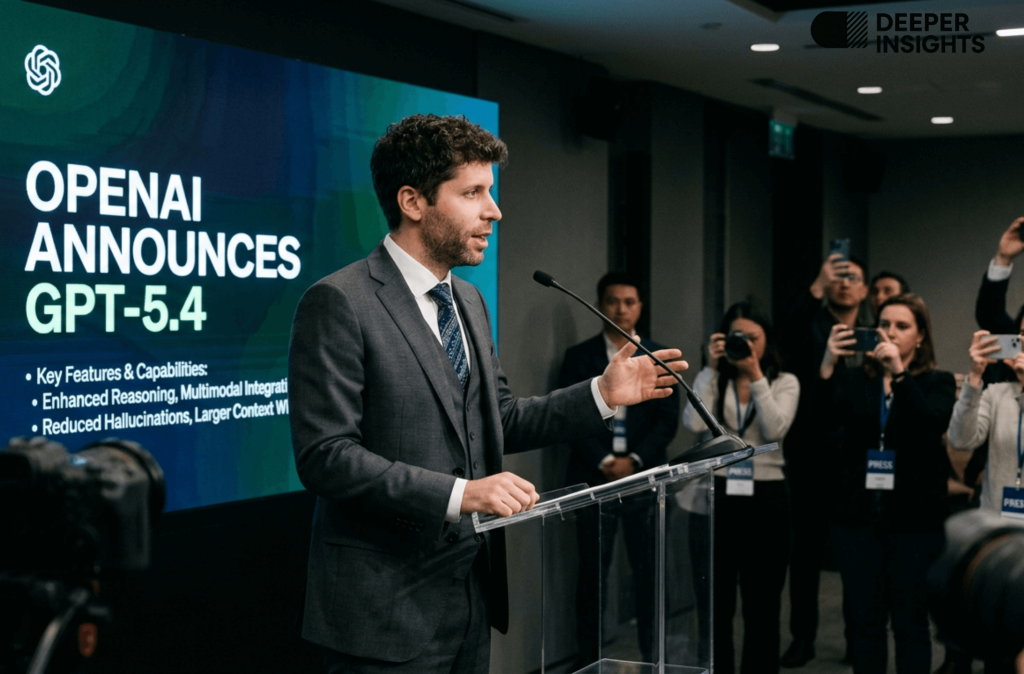
What makes the OpenAI Sora shutdown particularly galling is how avoidable it all seems in hindsight. The company poured vast resources into a tool that relatively few people actually wanted to use day after day. Video generation is computationally expensive, and without a clear path to profitability, it was only a matter of time before the spreadsheets caught up with the hype. Sam Altman and his team appear to have prioritised flashy demonstrations over building something sustainable. This is the same pattern we have seen repeatedly in AI: breathtaking demos followed by quiet retreats when the bills arrive.
Sam Altman has said OpenAI wants to “concentrate our compute and our product capacity into these next generation of automated researchers and companies” after the shutdown. Dressing a retreat up as a pivot may sound noble, but it smacks of desperation. Rather than admit defeat in the consumer video space, OpenAI is simply shuffling its brightest minds into the next trendy area. Will they fare better there? Only time will tell, but the track record is not encouraging. As we have discussed in our AI coverage, the industry is littered with projects that promised the moon but delivered little more than burning cash and broken promises.
Disney Left Holding the Bag

The manner in which Disney was treated deserves special condemnation. A $1 billion (around £0.8 billion) partnership is not something you unwind with a curt phone call and a press release. Variety reports that Disney learned of the decision less than an hour before the public announcement, leaving the Mouse House blindsided and scrambling. This incident reveals a worrying lack of basic business courtesy from a company that likes to portray itself as a force for good in technology. When even Disney, no stranger to cut-throat negotiations, is caught off guard, you know the decision-making process at OpenAI has gone badly awry.
Entertainment executives are now rightly questioning whether any AI partnership can be trusted. The collapse leaves a sour taste and will make future deals harder to secure. OpenAI has damaged its own reputation in Hollywood, a market it desperately needs if it wants to move beyond gimmicky consumer apps into serious content creation. This is what happens when technical ambition outpaces commercial reality and basic relationship management.
The OpenAI Sora Shutdown: Lessons the Industry Must Learn
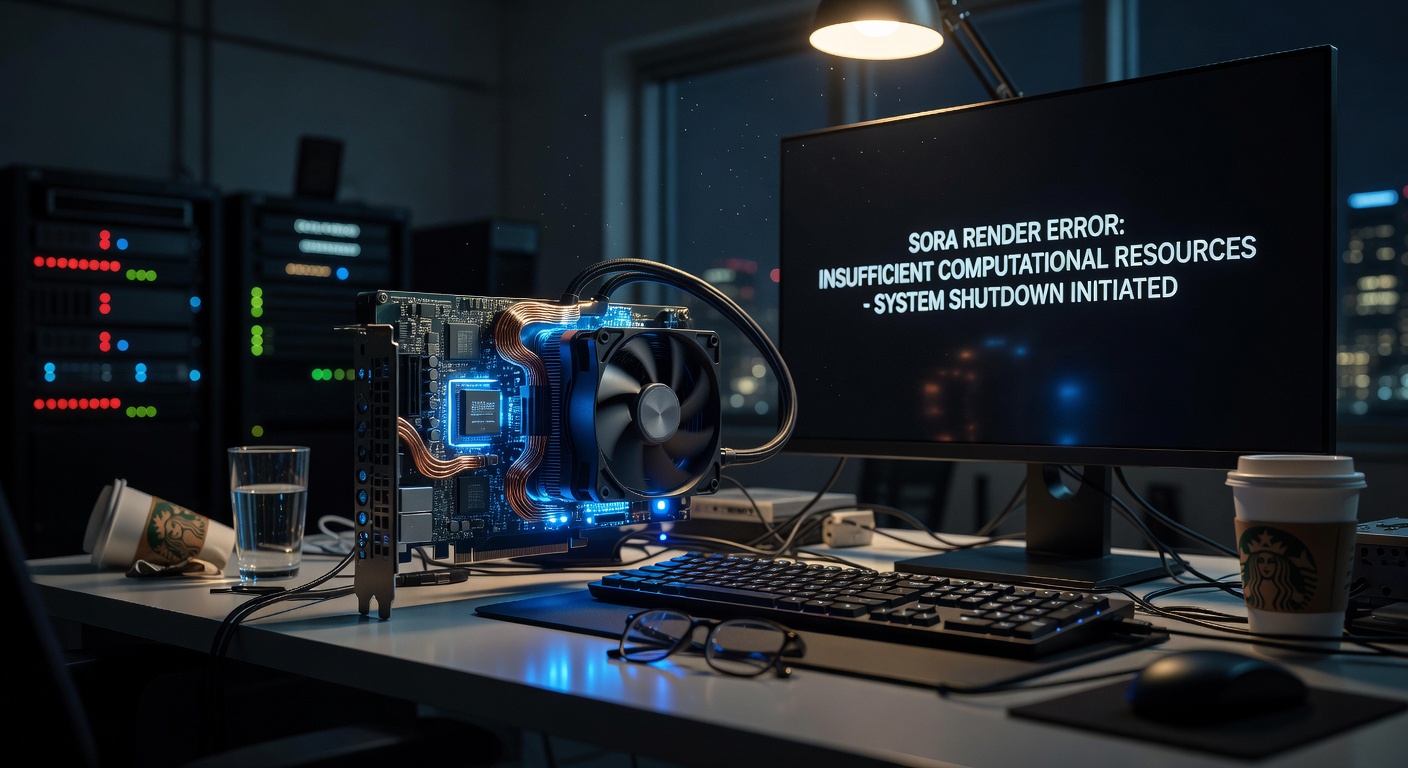
The OpenAI Sora shutdown should serve as a wake-up call for the entire sector. Building advanced AI tools is extraordinarily expensive, and the public appetite for paying premium prices for them remains unproven. Whilst video generation produces impressive short clips, turning that into a viable business requires far more than clever algorithms. It demands genuine user value, sustainable costs, and honest communication with partners. On all three counts, OpenAI appears to have fallen short.
Our our news coverage has tracked similar stories of overhyped AI products that failed to deliver on their grand promises. The pattern is clear: early excitement, massive investment, then quiet retreats when metrics turn ugly. Investors should demand more rigour before throwing billions at the next shiny demo. The public, meanwhile, should remain sceptical of claims that AI will transform every aspect of creative work overnight.
A Desperate Pivot or Genuine Strategy?
Shifting focus to agents and automated researchers might buy OpenAI some breathing room, but it also raises fresh questions. Can the same team that failed to make video generation commercially viable suddenly excel in building dependable agentic systems? The challenges there are even greater, requiring real-world reliability, safety considerations, and customers willing to pay enterprise prices. This redirection feels less like a masterstroke and more like damage limitation ahead of a potential IPO.
Ultimately, the OpenAI Sora shutdown is a story of arrogance meeting economic reality. It highlights how the AI industry’s breakneck pace is creating casualties: not just failed products, but damaged partnerships and wasted talent. If OpenAI truly wants to lead, it must move beyond flashy demonstrations and build products people actually want to pay for over the long term. Until then, expect more sudden shutdowns and more disappointed partners. The era of unlimited hype is coming to an end, and the reckoning will not be pretty.
The tech world should watch closely. What OpenAI does next with its redirected resources will reveal whether this was a temporary stumble or the beginning of a deeper decline. For now, the OpenAI Sora shutdown stands as a powerful reminder that in AI, as in life, you eventually have to pay the bill.
All images credited to their respective sources.
Related reading on MTW
Buyer action
Where to buy or check next
Use this as the final check before ordering a phone, changing network or trusting a headline monthly price.













Reader discussion
Leave a comment
Comments are moderated. Keep it useful, accurate, and on topic.