UPDATED · News · 5 Apr 2026 · Claire Bennett
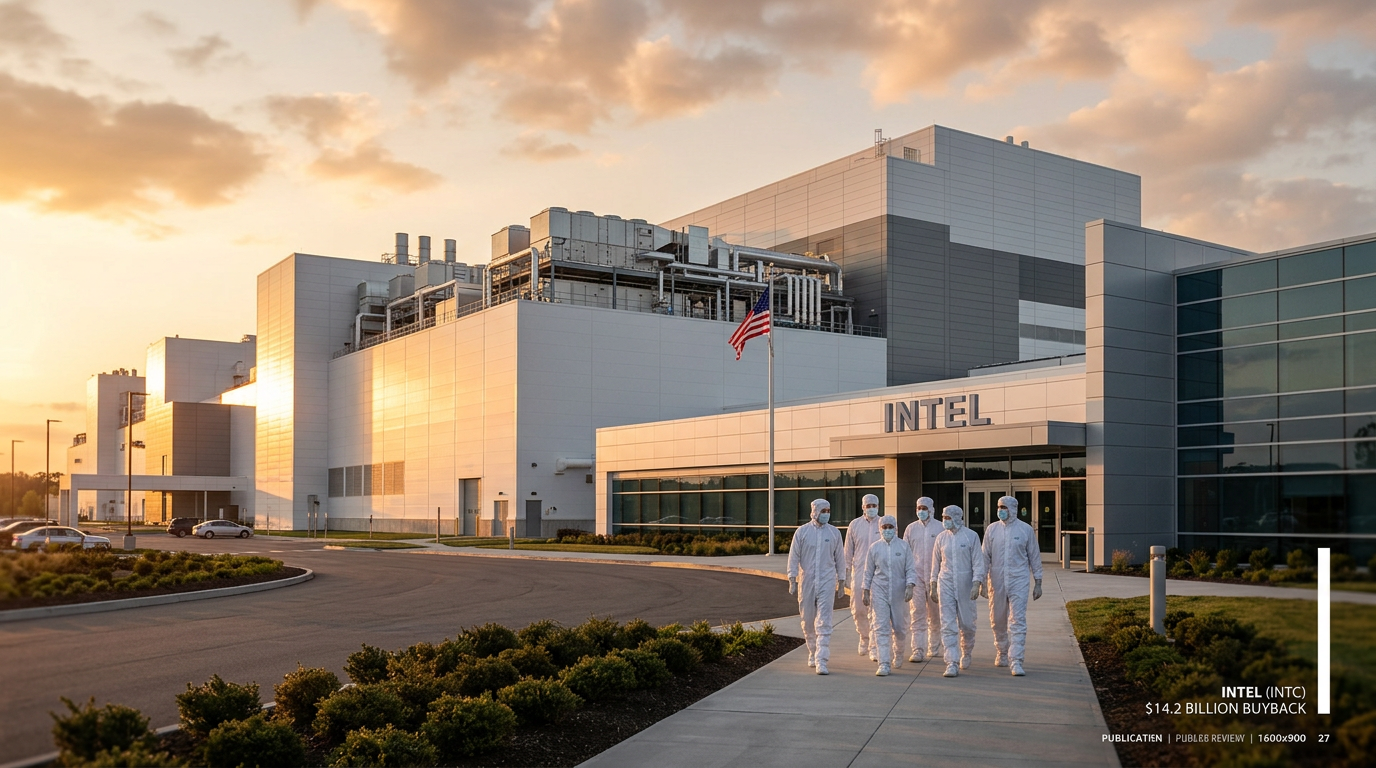
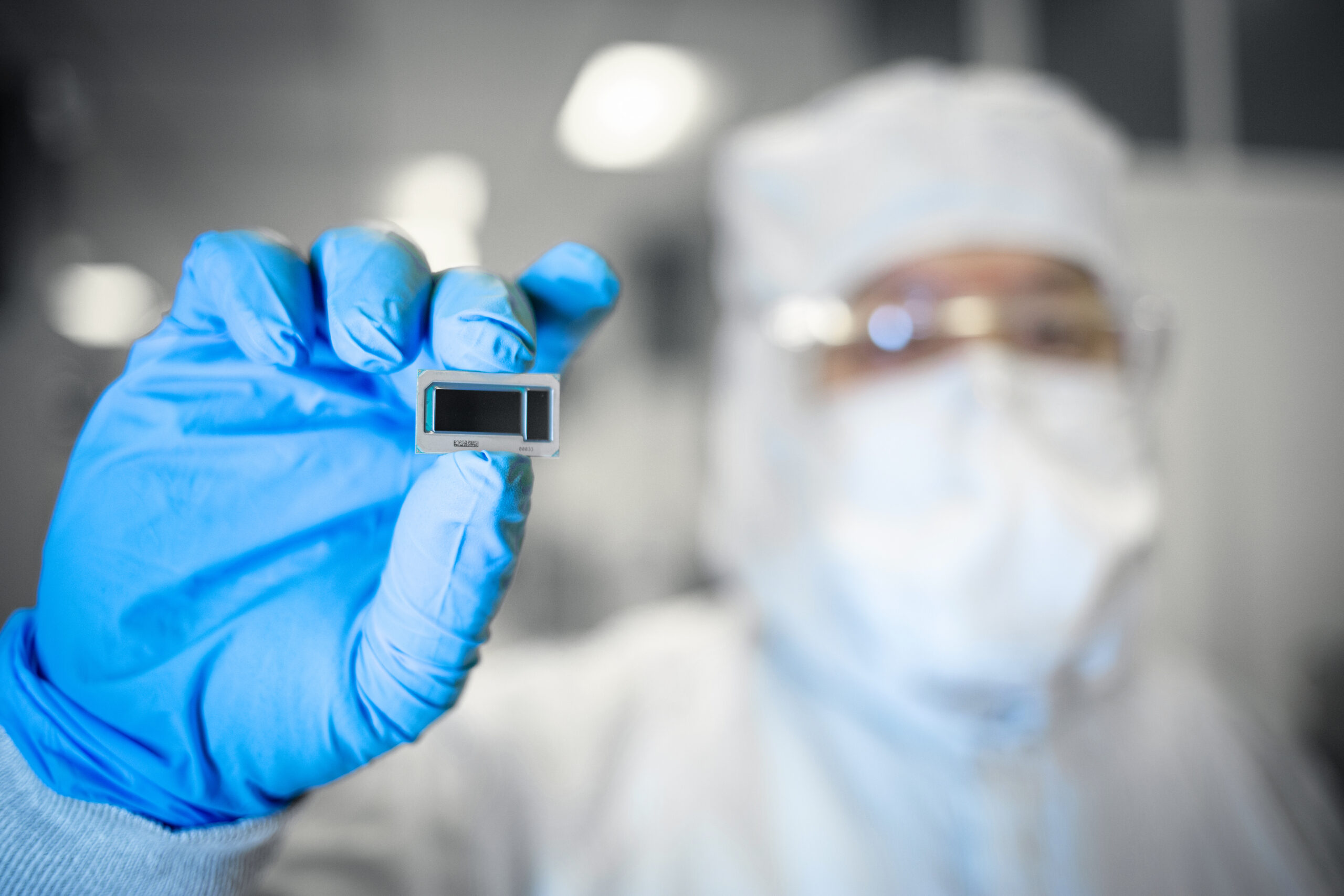
Intel has just agreed to pay $14.2 billion (around £11.4 billion) to buy back Apollo Global Management’s 49 per cent stake in Fab 34, its advanced semiconductor fabrication plant in Leixlip, Ireland. This intel fab 34 development matters. On the surface, it looks like a company paying a fortune to reclaim something it already built. Dig a little deeper, and this might be the most strategically important move Intel has made since it announced its foundry ambitions.
Why Intel Sold a Stake in Fab 34 in the First Place — the intel fab buyback angle
Rewind to 2024. Intel was haemorrhaging cash, burning through billions on its IDM 2.0 strategy whilst trying to convince the world it could compete with TSMC. The company needed capital, badly, and selling a minority stake in Fab 34 to Apollo through a strategic co-investment program was a pragmatic lifeline. It brought in $11.2 billion (around £9 billion), giving Intel breathing room to keep building out its foundry network without gutting its balance sheet.
The deal was always framed as temporary: Intel retained operational control and the option to buy back the stake. But temporary measures have a habit of becoming permanent when the money runs dry. The fact that Intel is now exercising that buyback, at roughly a 27 per cent premium, tells you something important about where the company thinks it stands.
Intel Fab 34 and the 18A Gambit — the intel fab buyback angle
Fab 34 is not just any semiconductor plant. It is Intel’s most advanced high-volume manufacturing site in Europe, originally built to produce chips on Intel 4 and Intel 3 process nodes (including Core Ultra for PCs and Xeon for servers). More critically, it is being positioned as a key production site for Intel 18A, the process node that Intel is betting its entire foundry future on.
Intel 18A uses RibbonFET (gate-all-around transistors) and PowerVia (backside power delivery), two technologies that could genuinely put Intel ahead of TSMC’s N2 node in performance per watt. If 18A delivers on its promises, Intel suddenly has a credible story to tell external foundry customers, the likes of Broadcom, Qualcomm, and potentially even the US government for defence contracts.
But here is the problem: no serious foundry customer is going to commit billions in orders to a fab that is partially owned by a private equity firm. Full ownership signals permanence. It signals that Intel is not going to carve up its manufacturing assets the moment cash gets tight again. Buying back that 49 per cent is not just a financial transaction, it is a credibility play.
The TSMC Shadow Looms Large
TSMC controls north of 60 per cent of the global foundry market. Samsung Foundry has struggled with yields on its 3nm GAA process. GlobalFoundries abandoned leading-edge nodes entirely. Intel is essentially the only Western company with a realistic shot at breaking TSMC’s stranglehold, and even that is a generous assessment.
The geopolitical dimension cannot be overstated. The US CHIPS Act, the European Chips Act, and various national semiconductor strategies all exist because governments have realised that the vast majority of the world’s advanced chips are manufactured on one island in the Taiwan Strait. Intel’s foundry push is not just a corporate strategy, it is a matter of economic security for the West. Regaining full control of Fab 34 in Ireland strengthens Intel’s hand in this broader game and gives European policymakers confidence that Intel’s continental presence is a long-term industrial commitment, not a leveraged financial arrangement.
Can Intel Actually Afford This?
Fourteen billion dollars is a staggering sum, even for a company of Intel’s size. The buyback comes at a time when Intel has already committed tens of billions to new fabs in Ohio, Arizona, and Germany. Its free cash flow has been negative for several quarters, and the foundry division (Intel Foundry) has yet to turn a profit from external customers.
Sceptics will argue (not unreasonably) that Intel is throwing good money after previously spent money. The $14.2 billion (around £11.4 billion) premium over the original deal price represents Apollo’s return on investment, and Intel shareholders are effectively paying for the privilege of un-doing a transaction born out of desperation. But the counter-argument is compelling: owning 100 per cent of Fab 34 means Intel captures 100 per cent of the upside if 18A succeeds. It eliminates profit-sharing arrangements that would have diluted returns during exactly the period when the fab should be generating its highest margins. Over a five to ten year horizon, the maths could work out handsomely. The market agrees for now, with Intel shares jumping roughly 8.8 per cent on the news.
What This Signals to the Semiconductor Industry
The broader semiconductor industry should pay close attention. Intel’s willingness to spend $14.2 billion (around £11.4 billion) on a buyback, rather than on a new acquisition or capacity expansion, reveals its priorities with unusual clarity. Vertical integration and full ownership of its manufacturing destiny matters more to Intel than diversification.
It also sends a message to semiconductor companies flirting with asset-light models. The trend of the past decade (design the chip, outsource the manufacturing) works brilliantly until your foundry partner has a two-year waiting list or decides your competitor’s order is more important. Intel is making a loud, expensive bet that owning your own fabs will be the competitive advantage of the next decade, not the liability it appeared to be in the last one. For TSMC and Samsung, the signal is equally clear: Intel is not retreating, and the foundry ambitions are not being quietly shelved.
The Verdict: Expensive, but Potentially Transformative
Spending $14.2 billion (around £11.4 billion) to buy back something you built yourself is, on its face, a painful use of capital. But semiconductor manufacturing is not a business where half-measures work. You either own the fab, control the process, and capture the margin, or you do not. Intel tried the middle ground with Apollo, and it served its purpose. Now, with 18A on the horizon and foundry customers to court, full ownership of Fab 34 is the right call. For more, see our latest news coverage. You might also read Samsung AirDrop Expands to Every Galaxy Phone From the Last Three Years and Apple Cannot Stop It.
Whether this goes down as a masterstroke or an expensive mistake depends entirely on execution. If Intel 18A hits its targets and Fab 34 ramps to volume production on schedule, this buyback will look like a bargain. If 18A stumbles, as Intel process nodes have a troubling habit of doing, $14.2 billion (around £11.4 billion) will join a long list of costly missteps. The semiconductor industry does not reward intentions. It rewards working silicon, shipped on time, at scale.
Related reading on MTW
Buyer action
Where to buy or check next
Use this as the final check before ordering a phone, changing network or trusting a headline monthly price.










Reader discussion
Leave a comment
Comments are moderated. Keep it useful, accurate, and on topic.