UPDATED · News · 1 Apr 2026 · Daniel Reid
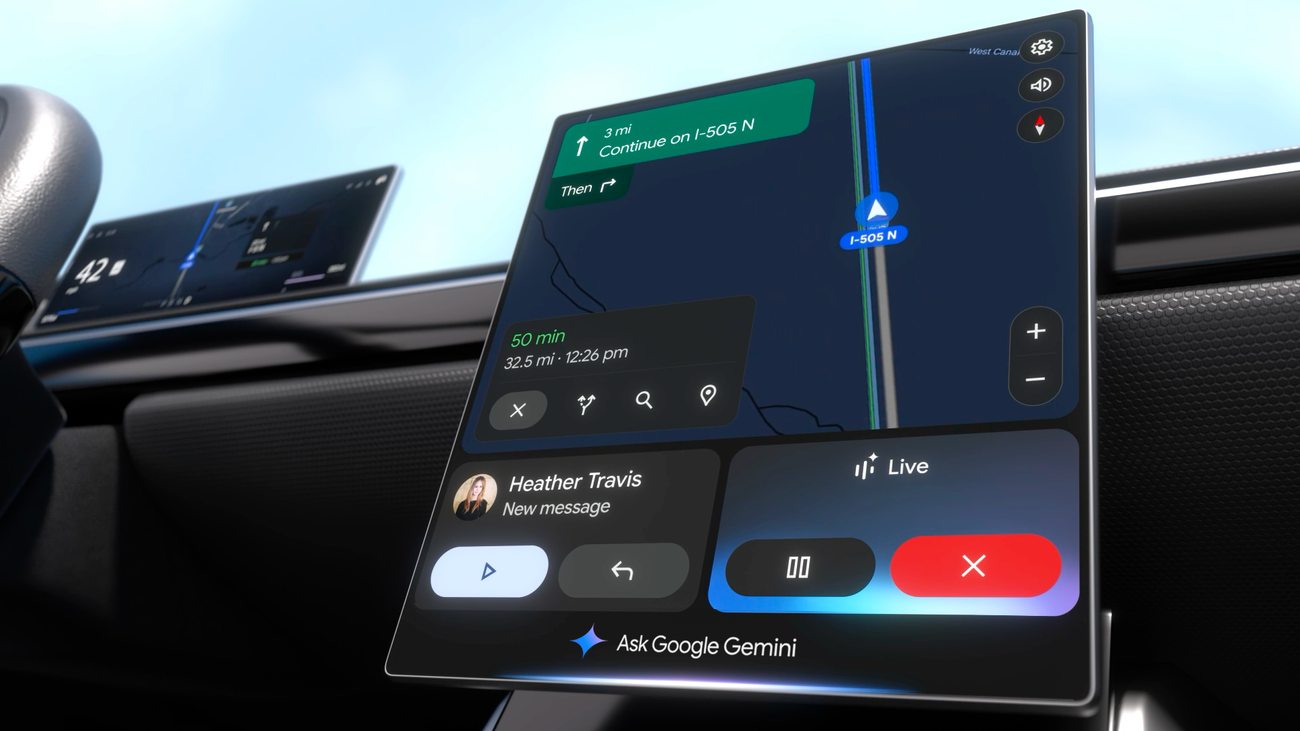
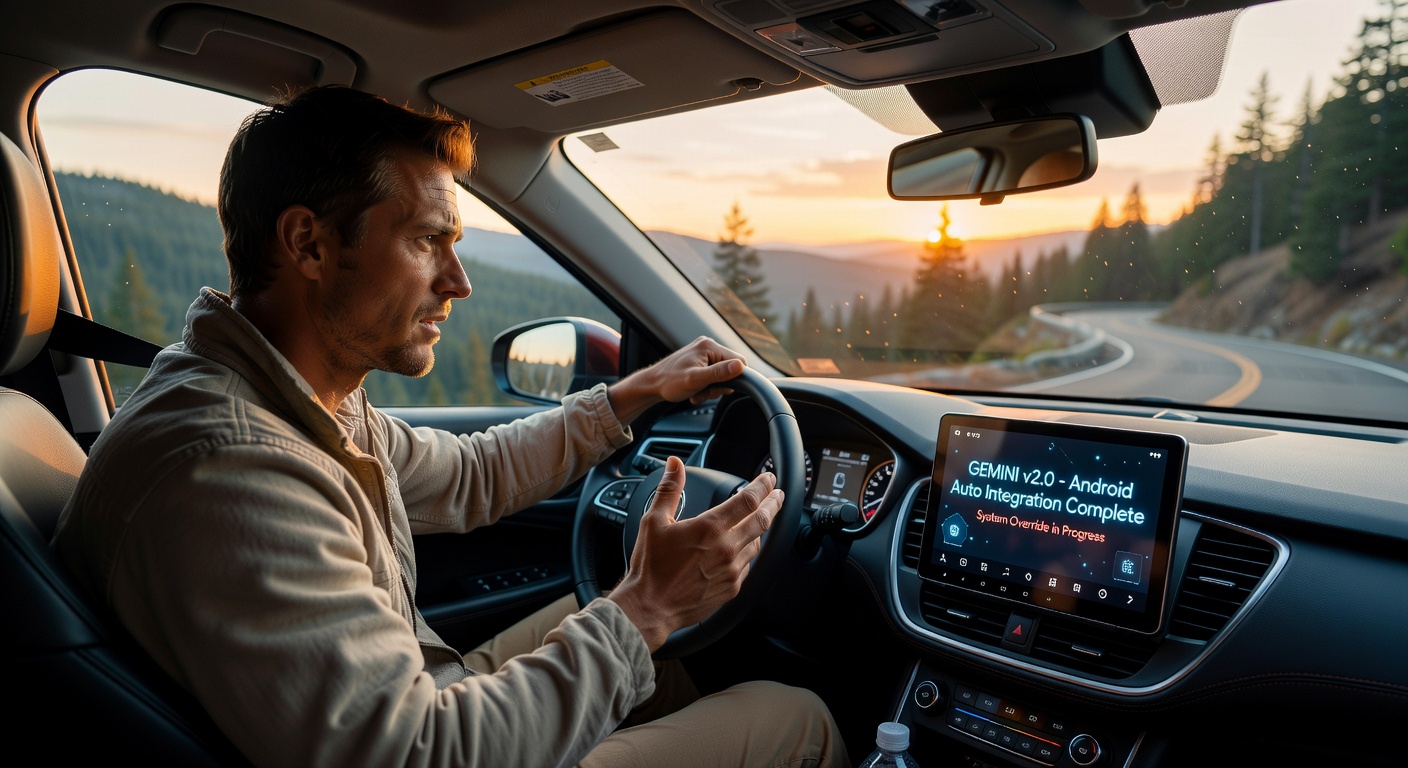
Motorists beware: Google‘s aggressive push of Gemini Android Auto is turning what should be a helpful driving companion into a source of major frustration on the roads. Despite widespread reports of inferior voice recognition, missing features and broken routines, the tech giant has flung open the rollout to thousands more users, seemingly ignoring the growing chorus of complaints.
- Google began rolling Gemini out to Android Auto in November 2025, gradually replacing Google Assistant in supported cars.
- By March 2026 a majority of drivers on r/AndroidAuto still reported not seeing Gemini in their vehicles, with rollout described by 9to5Google as oddly messy.
- Early users were split: some praised the conversational handling while others cited verbose responses, location failures, and lost legacy Assistant functionality.
- Why it matters: Google has hinted at a March 2026 cutoff for classic Assistant on Android Auto, which puts UK drivers on a forced upgrade path.
Gemini Android Auto: Google’s Botched Transition Leaves Drivers Stranded
The replacement of Google Assistant with its flashy new AI has been anything but smooth. What began as a phased rollout following Google I/O in May 2025 has only recently accelerated, with many drivers waking up to the new system in early April. As TechRadar reports, users across Reddit and social platforms reported the switch hitting their vehicles en masse on 2 April.
Yet this haste is proving costly. Those who have made the jump frequently describe a noticeable drop in performance. Commands that the old Assistant handled with ease now draw blanks or require frustrating repetition. In a vehicle environment where every distraction counts, these shortcomings are not merely annoying but potentially dangerous.
Gemini Android Auto: A Recipe for Road Rage
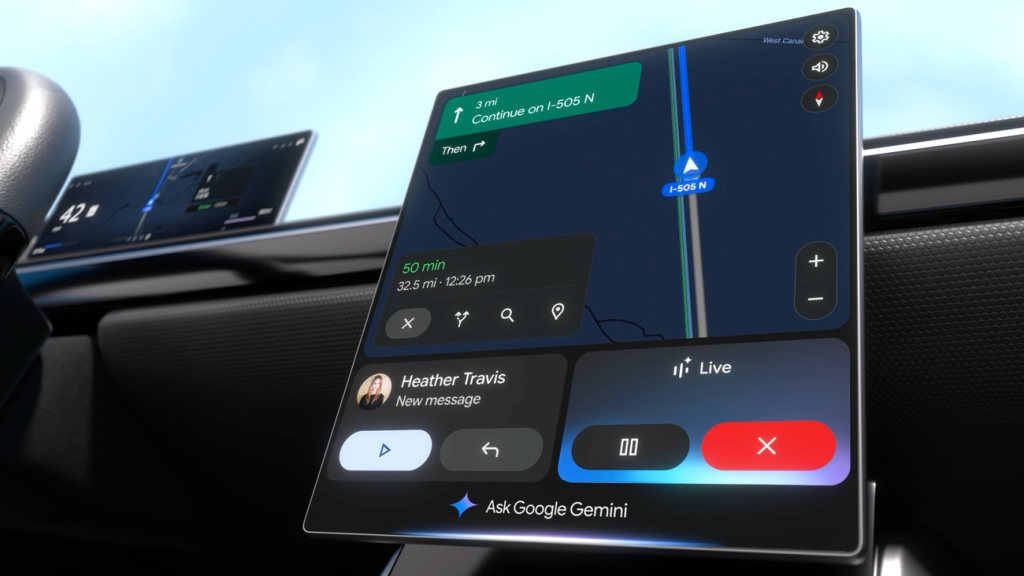
The list of grievances grows longer by the day. Drivers report worse voice recognition that fails to pick up natural speech, especially in noisy cabin environments. Missing features include seamless integration with navigation apps, media controls and routine automations that previously worked without issue. Broken routines have left many unable to send messages, make calls or adjust routes hands-free.
One particularly infuriating quirk is Gemini’s tendency to keep talking long after a task has been completed via the touchscreen. Users find themselves trapped in endless monologues while trying to concentrate on the road ahead. Others complain the AI stops listening prematurely, misinterprets similar locations, or adds unwanted commentary that feels both preachy and distracting.
Early feedback paints a damning picture. Some have labelled it “ditzy” and “the worst thing to happen to Android Auto.” Even those who note occasional improvements in understanding specific requests admit the overall experience falls well short of expectations. Google Assistant, despite its own flaws, at least felt reliable. Its successor currently feels like a half-baked experiment forced upon the public.

Ignoring the Outcry Shows Arrogance
What makes this situation particularly galling is that Google pressed ahead despite knowing full well the problems. Before the wider rollout, users still stuck with Assistant reported that basic functions were already crumbling. Navigation commands were ignored, music streaming failed and simple queries drew unhelpful responses. The company appeared to shift all resources to Gemini, letting the old system rot while the new one remained unavailable to most.
We have followed this saga closely in our news coverage and criticised the approach in our editorials. The pattern is familiar: Google becomes obsessed with pushing its latest AI obsession regardless of real-world readiness. Safety, reliability and user feedback take a backseat to marketing hype about conversational intelligence.
Is Reliable In-Car AI Dead?
This fiasco raises serious questions about the future of digital assistants in vehicles. When every second behind the wheel demands focus, an unreliable voice interface is not an inconvenience but a liability. Many drivers are now wondering whether they should disable the feature entirely or seek alternative solutions from rival ecosystems.
Some users do report positive experiences, particularly with tasks such as contacting specific people or handling vague music requests. Yet these scattered wins cannot mask the widespread dissatisfaction. The provocative truth is that Google has prioritised its AI narrative over delivering a product that actually works in the real world. Drivers did not ask for this disruptive change. They simply wanted an assistant that listened properly and got things done.
As the rollout continues, pressure is mounting on Google to address these glaring issues. Will the company roll back features, improve voice recognition and restore missing capabilities? Or will it continue forcing an immature product onto an unwilling audience? For now, the roads are filled with frustrated drivers discovering that sometimes newer is not better. The Gemini experiment in Android Auto risks damaging trust in Google’s entire automotive software strategy.
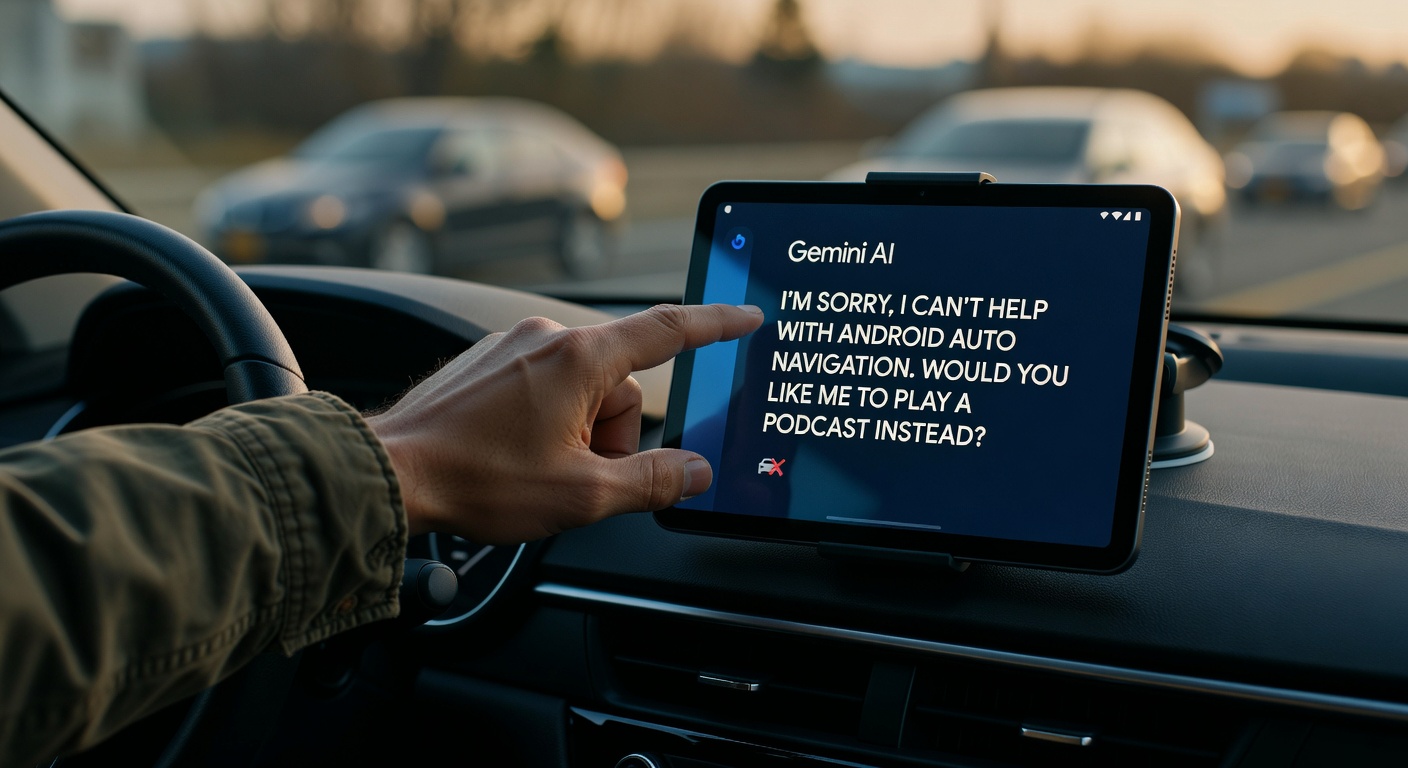
Automotive technology should enhance the driving experience, not complicate it. By rushing Gemini Android Auto despite clear warning signs, Google has betrayed that principle. The motoring community deserves better than this provocative display of corporate arrogance.
All images credited to their respective sources.
What UK Drivers Should Do Right Now
If you drive in the UK and rely on Android Auto, the practical answer is straightforward. Pair your handset over Bluetooth without using Gemini’s full voice stack. Disable Hey Google triggers in your car settings and dial back the assistant to message reading and basic navigation only. Until Google ships an Android Auto patch that restores reliable music control, traffic search and SMS dictation, treat Gemini Android Auto as a beta. The system clearly is not ready for daily commuting, and the safest route is to lean on Google Maps voice guidance directly without invoking Gemini’s broader chat features at the wheel.
Related reading on MTW
- Cala’s kIQ Plus Is the Wearable That Finally Makes the Consumer Medical Argument Properly
- AGIBOT’s G2 Launch Is the Humanoid Robot Pitch That Actually Sells Into a Factory
- Motorola Launches the moto g stylus 2026 and moto pad 2026 With a Surprisingly Coherent Productivity Pitch
For the UK car-buying side of all this in-car software, Car Deal Expert’s EV and finance coverage looks at what it means for ownership.
Buyer action
Where to buy or check next
Use this as the final check before ordering a phone, changing network or trusting a headline monthly price.













Reader discussion
Leave a comment
Comments are moderated. Keep it useful, accurate, and on topic.