UPDATED · News · 1 Mar 2026 · Claire Bennett
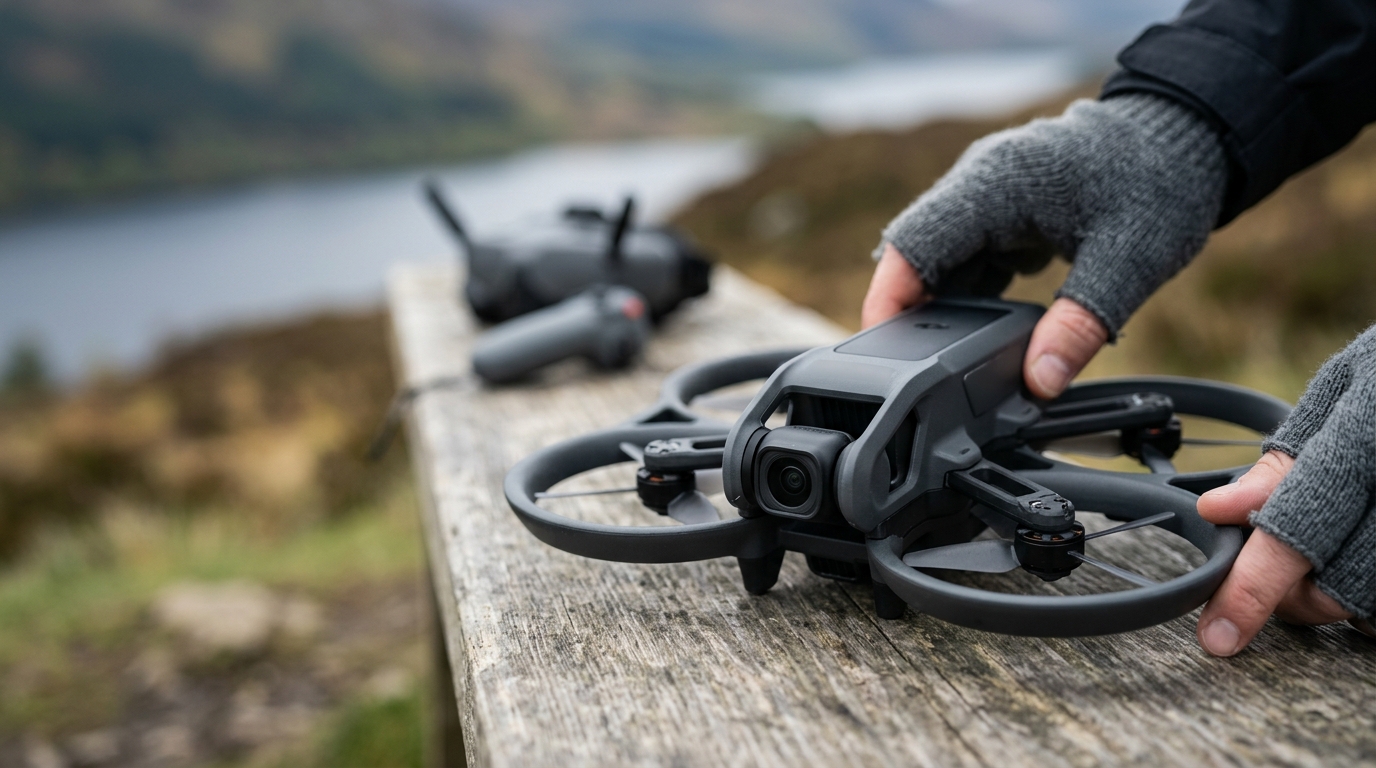
DJI has quietly dropped the price of the Avata 2, its most popular FPV drone, by 15% across all retailers. The timing is not subtle. DJI is clearing the runway for the Avata 360, the company’s first true 360-degree FPV drone, which launched globally on 26 March 2026 with 8K 60fps 360-degree video capture and a tiltable dual-lens module that can switch to conventional 4K forward-facing FPV mode.
The price cut makes the Avata 2 the best value in FPV drones right now. But is it worth buying when its successor is weeks away?
DJI’s patent lawsuit against Insta360 , filed in China over six disputed patents , suggests the two companies are now competing directly in the 360-degree space, and DJI is willing to fight aggressively for market position.
The 8K 60fps spherical capture produces the resolution needed to crop into 360-degree footage without losing quality, a genuine technical advancement over Insta360’s current consumer offerings. The Avata 360 uses twin 1-inch equivalent sensors at 2.4um pixel size and carries 120-megapixel spherical stills alongside the video mode.
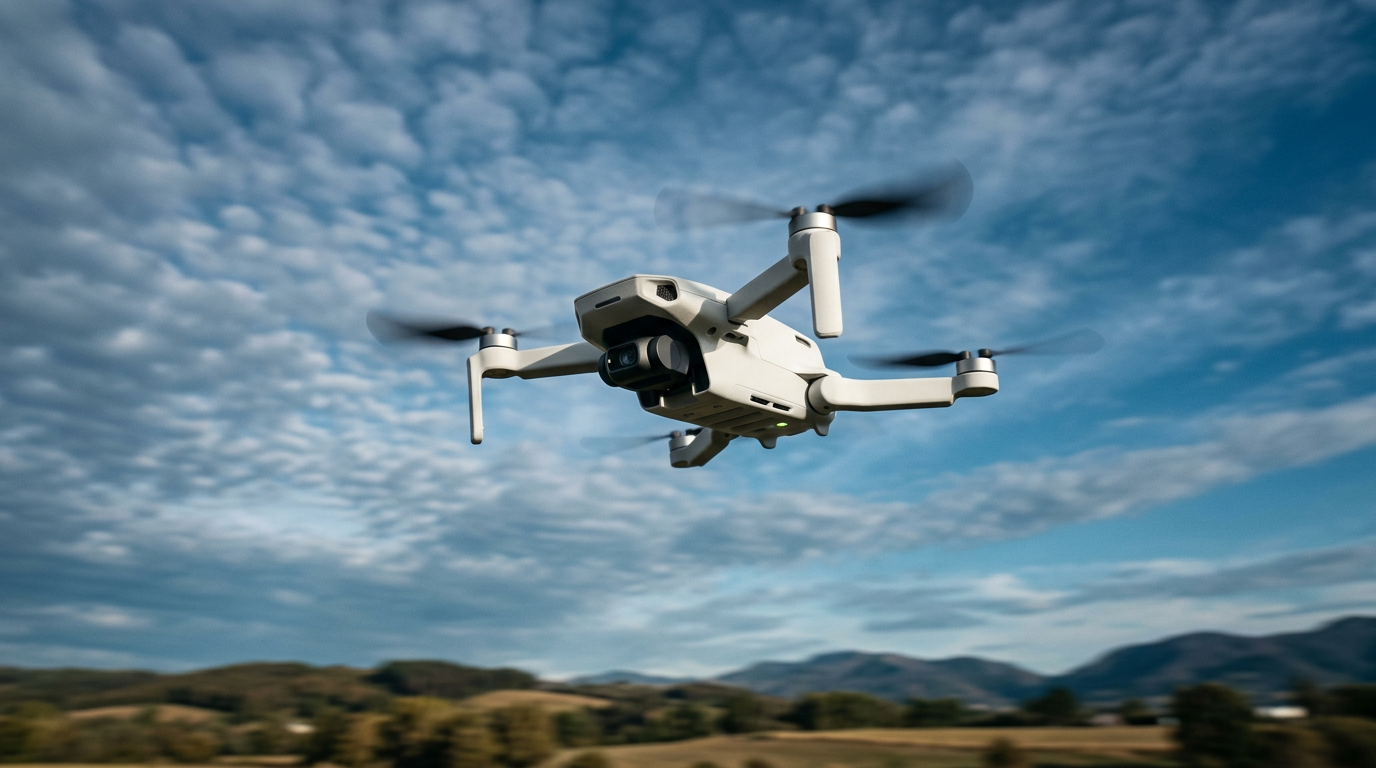
DJI Avata 2: Should you buy now or wait?
If you are new to FPV and want to learn to fly, the Avata 2 at its reduced price is the right call. The propeller guards, motion controller, and forgiving flight characteristics make it the best learning platform available. The Avata 360 starts at £570 (about $719) with the RC 2 or £775 (about $979) for the Fly More Combo, and it is squarely aimed at experienced pilots who want cinematic 360-degree footage, not beginners learning to navigate a living room without crashing.
If you are an experienced pilot looking for your next creative tool, the Avata 360 is now available and worth the spend. Its 360-degree capture fundamentally changes what is possible with FPV footage, and the editing workflow on your phone, which DJI has been steadily improving through the DJI Fly app, makes post-production accessible without a desktop.
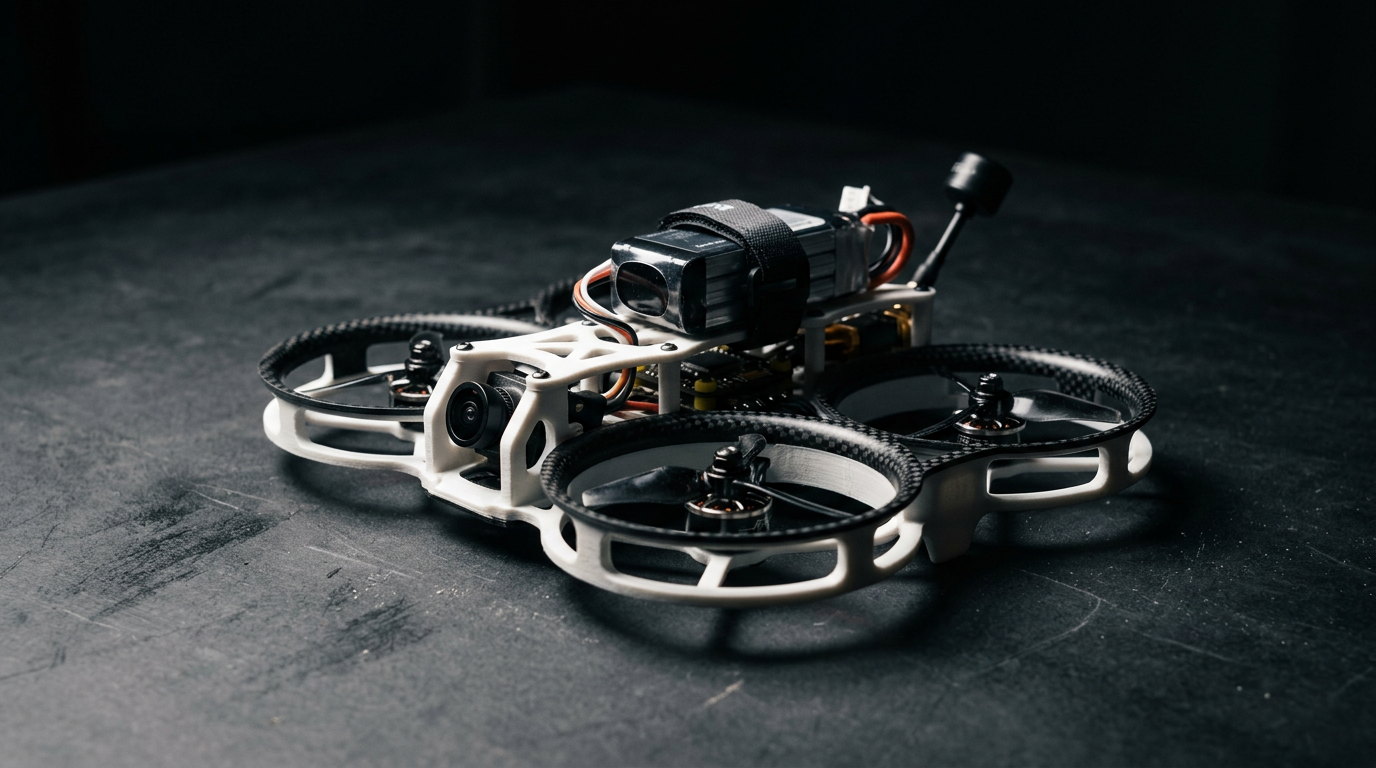
Either way, it is an excellent time to be in the FPV market. Competition between DJI and Insta360 is driving both companies to innovate faster than the DJI Avata 2 industry has seen in years.
Dji Drops Avata: What Comes Next
Expect more developments in the coming weeks. DJI has delayed the US launch of the Avata 360 to 30 March while most international markets have already seen first deliveries. Watch for firmware updates to the Avata 2 that add features from the 360 line, a common DJI pattern after a successor launches.
Where the new Avata sits in the FPV food chain
FPV used to mean home-built quads, soldered ESCs and a controller you had to learn the hard way. The DJI Avata 2 line has done more than any other product to drag that scene into mainstream cinematography. The price drop matters because it pushes the cinewhoop format below the threshold where a freelance shooter can justify a second body for B-roll.

The Avata 360 sitting on the launch pad behind it is the more interesting story, though. Native 360-degree capture from a sub-250 gram body would let editors reframe a dive after the fact, the way GoPro Max owners have been doing on the ground for years. If DJI nails the stitching and keeps the bitrate up, this becomes the obvious B-camera for any serious YouTube travel channel.
British drone law tightened again in late 2025 , anything above 250 grams now needs an Operator ID and a Flyer ID, and there are stricter limits around urban events. The Avata 2 still lives just above that line, so check the latest CAA guidance before you buy. The Avata 360 may slip below it depending on final hardware.
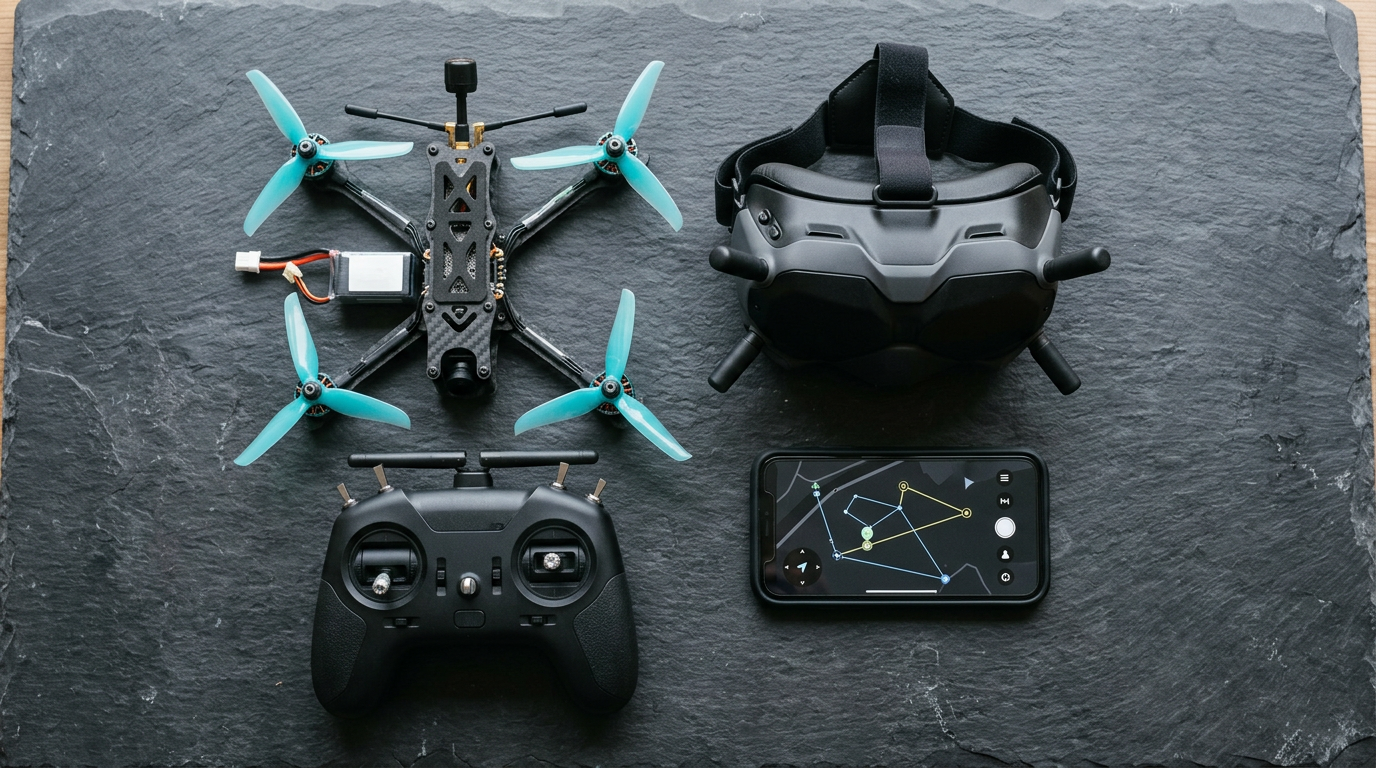
Our verdict on the new DJI Avata line
The Avata 2 price drop turns it into the obvious entry point for anyone who has been watching FPV from the sidelines. It is friendly enough that a confident beginner can fly indoors on day one, and capable enough that a working camera operator can use it as a second body without apology. Pair it with the Goggles 3 and the Motion 3 controller and you are flying cinematic shots within an afternoon.
Hold off on the Avata 360 until DJI publishes the final spec sheet. Reframable footage is the most under-rated weapon in modern travel videography, but only if the bitrate is high enough to survive a re-export. Watch this space.
Related reading on MTW
Buyer action
Where to buy or check next
Use this as the final check before ordering a phone, changing network or trusting a headline monthly price.







Reader discussion
Leave a comment
Comments are moderated. Keep it useful, accurate, and on topic.