
UPDATED · News · 29 Mar 2026 · Claire Bennett
The DeepSeek outage on March 30 was an unmitigated disaster that exposed the brittle underbelly of Chinese AI. For over seven hours, this much-vaunted ChatGPT rival lay completely lifeless, leaving an estimated 355 million users staring at error messages instead of generating the clever responses they had come to expect.
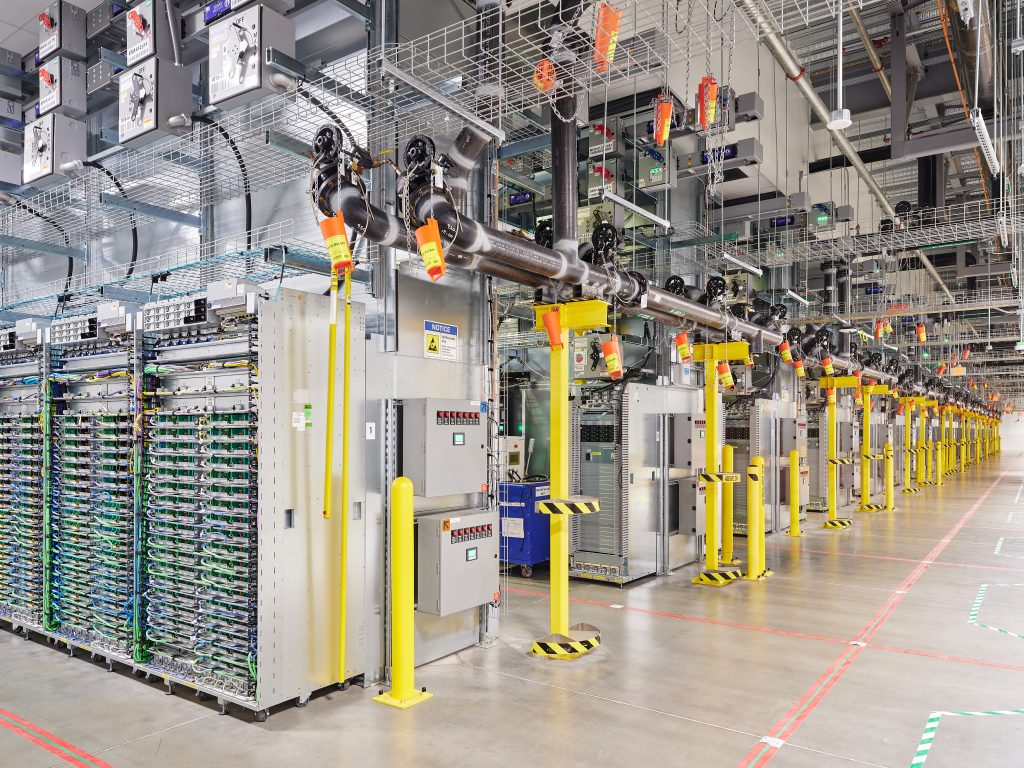
This wasn’t some minor hiccup or API blip affecting a few developers. The core chatbot service, the very heart of DeepSeek’s offering, went dark from Sunday evening until well into Monday morning. By the time it was marked resolved at 10:33 a.m. local time, the damage to trust was already done. Users flooded social media with complaints, many switching to rival services in sheer desperation.
What makes this DeepSeek outage particularly galling is its status as the company’s longest-ever disruption since its explosive rise in early 2025. A firm that positioned itself as a nimble, cost-efficient disruptor has now revealed it cannot even maintain basic uptime when demand surges. This is not how you build confidence in AI infrastructure that millions rely upon daily.
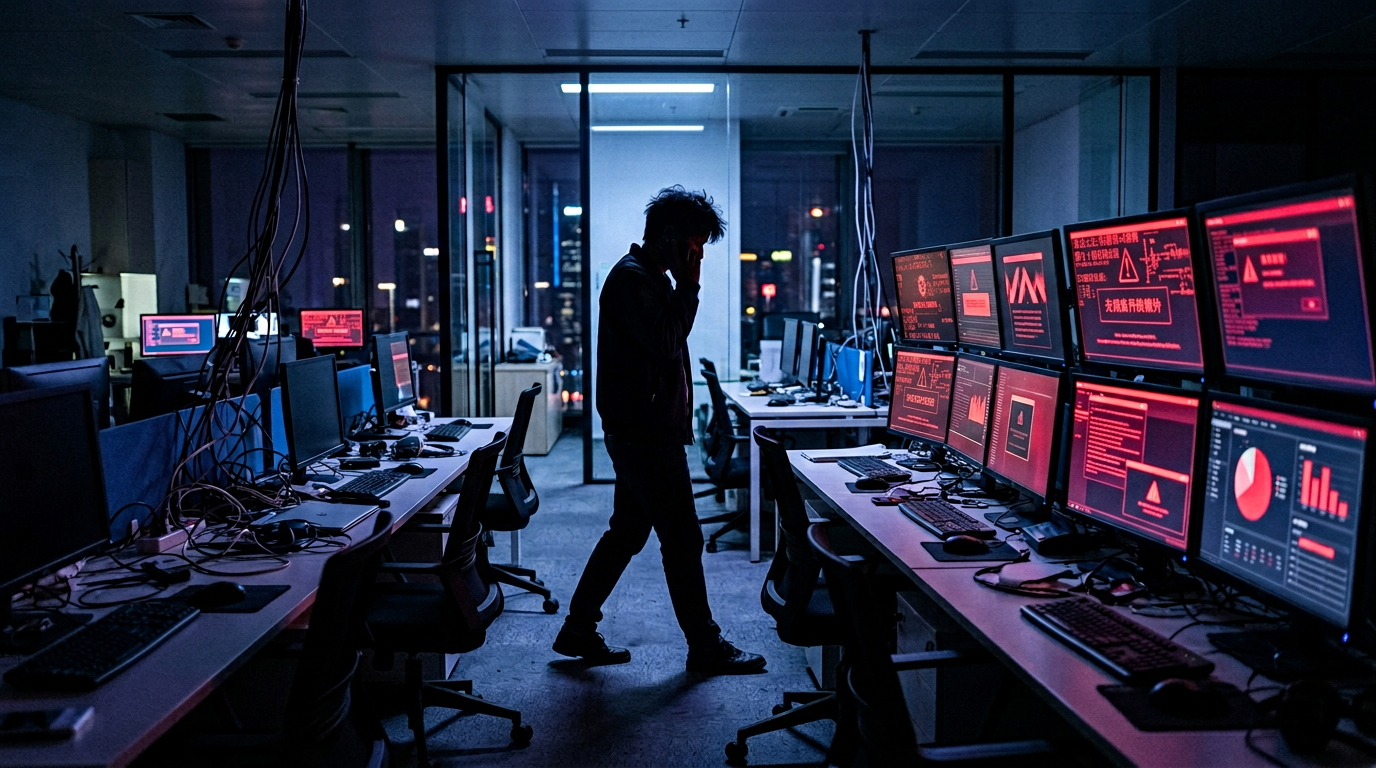
DeepSeek Outage: China’s AI House of Cards Crumbles
The South China Morning Post reports that fixes were being deployed through the night, yet the platform remained unstable for a staggering seven hours and thirteen minutes. This prolonged failure raises serious questions about whether DeepSeek has the robust backend systems necessary to support its global ambitions. When your service collapses like a poorly constructed app, all the clever model training in the world counts for nothing.
Even more concerning is the complete lack of transparency. True to form, no official root cause has been disclosed. Was it a server overload? A botched update? Overzealous censorship filters interfering with performance? We simply do not know. And in the high-stakes world of AI, that opacity is simply unacceptable. Users entrust these platforms with sensitive queries and valuable time, they deserve better than vague status page updates.
Compare this fiasco to the near-flawless reliability boasted by leading Western AI services. While those platforms handle billions of queries with minimal interruption, DeepSeek, despite its impressive model capabilities, crumbled under what appears to be entirely predictable pressure. This isn’t just embarrassing; it’s a strategic failure that hands ammunition to competitors on a silver platter.
Rivals Ready to Capitalise on User Frustration
As the Bloomberg reports, the outage has already sparked a noticeable migration toward alternative chatbots. Users who once praised DeepSeek’s speed and low cost are now vocal about its unreliability. In the cutthroat AI market, perception is everything, and this DeepSeek outage has badly tarnished the brand’s image.
For more context on how such failures impact the mobile AI landscape, see our our AI coverage. The timing could not be worse for DeepSeek. Having disrupted the industry with its powerful open-source models, the company now looks vulnerable precisely when it should be consolidating its gains.
This incident perfectly illustrates the gap between hyped model performance and real-world service delivery. It is one thing to release impressive benchmarks; quite another to keep the service running when millions log in simultaneously. Chinese AI platforms have long been criticised for their black-box approach to operations, and this latest episode only reinforces those concerns.
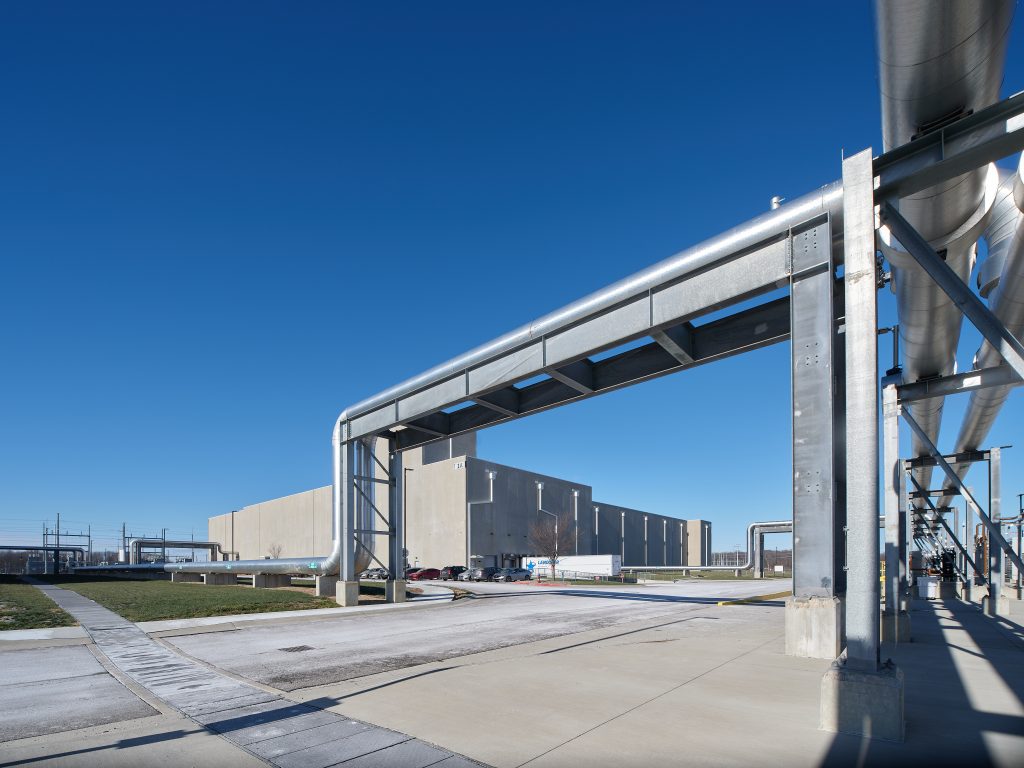
The Infrastructure Reality Check
Let us be blunt: the DeepSeek outage reveals deeper problems within China’s AI ecosystem. Rapid scaling has clearly outpaced the necessary investment in resilient infrastructure. When even a flagship service can disappear for the better part of a working day, it suggests systemic issues that cannot be fixed with a few hasty patches overnight.
Developers integrating DeepSeek’s API into applications faced particular disruption, with some reporting complete loss of functionality during critical periods. This is not a trivial matter. Businesses building on these platforms expect carrier-grade reliability, not excuses about “ongoing monitoring.” The fact that this is the longest outage since the model’s viral breakout last year only compounds the embarrassment.
Time for Accountability in AI
Looking ahead, DeepSeek must do far more than simply restore service. A full public post-mortem is essential, even if it proves uncomfortable. The industry needs to move beyond the current culture of silence when things go wrong. For further opinions on these challenges, readers may wish to explore our editorials.
This episode should serve as a cautionary tale for anyone rushing to adopt AI tools without considering service resilience. The DeepSeek outage is not merely a technical footnote, it is a stark demonstration that impressive model architecture means little without bulletproof infrastructure to support it. Chinese AI has talent in abundance, but reliability remains its Achilles’ heel.
Until providers like DeepSeek can guarantee consistent performance, their grand promises of AI democratisation will ring hollow. Users have tasted the frustration of being cut off from their chosen assistant, and many will not forget it quickly. The next outage, and there will be one if lessons are not learned, could prove even more damaging.
In the final analysis, this event strips away the hype surrounding certain AI platforms and reveals the mundane but critical truth: infrastructure matters. Spectacular model releases cannot paper over fundamental operational weaknesses. The AI race is not just about intelligence, it is about dependability, scalability, and trust. On March 30, DeepSeek failed on all three counts.
All images credited to their respective sources.
Related reading on MTW
Buyer action
Where to buy or check next
Use this as the final check before ordering a phone, changing network or trusting a headline monthly price.













Reader discussion
Leave a comment
Comments are moderated. Keep it useful, accurate, and on topic.