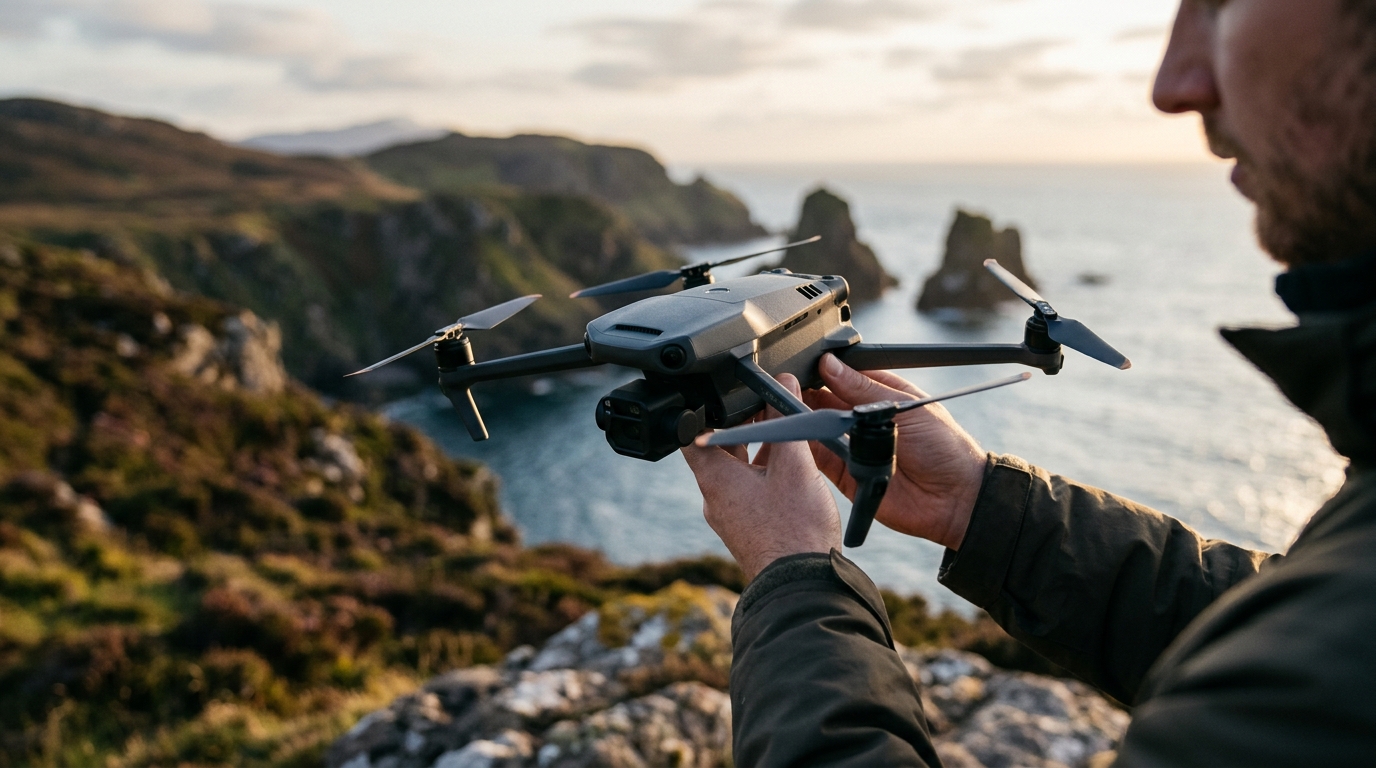
The best vlogging drone UK 2026 shortlist is dominated by DJI, and the single most important decision is not the camera but the weight: a sub-250g model changes where you are allowed to fly long before any spec sheet does. The UK Civil Aviation Authority confirms that drones from 250g upward sit in a stricter flying category than the lightest machines, so we have built this guide around use case and weight rather than headline megapixels.
Updated on 4 June 2026. Every price below was checked against DJI UK and named UK retailers (Currys, Argos, Amazon UK) on the day of writing. Drone pricing moves with stock and combo bundles, so treat each figure as a current-RRP guide and check the live retailer page before you buy.
- Best overall: DJI Mini 5 Pro, £689, the 249.9g all-rounder with a 1-inch sensor
- Best value: DJI Neo, £169, a 135g palm-launch vlogging drone
- Best for beginners: DJI Flip, £369, propeller guards and 4K HDR under 249g
- Best older sub-250g: DJI Mini 4 Pro, £595, omnidirectional sensing in a tiny body
- Best for cinematic travel: DJI Air 3S, £859, dual camera and 45-minute flights
- Best premium: DJI Mavic 4 Pro, £1,879, a 100MP Hasselblad tri-camera flagship
The sub-250g rule that should shape your shortlist first
Before any camera comparison, settle the weight question, because it changes the law you fly under. From the start of 2026 the CAA requires anyone flying a drone over 100g to hold a Flyer ID, earned through a free online theory test of 40 questions, and any camera drone between 100g and 250g must also be registered with an Operator ID at £12.34 a year. A drone of 250g or more needs both the Flyer ID and the Operator ID as well. So the popular shorthand that a sub-250g drone needs “no registration” is wrong for 2026: a camera-equipped Neo, Flip or Mini still needs registering. What the lightest category genuinely buys you is flexibility in where you fly, since sub-250g aircraft sit in the least restrictive Open A1 subcategory and can be flown closer to uninvolved people than a heavier Air or Mavic.
This matters for vloggers specifically because the most useful drone footage, the travelling shot over a market, a beach or a city street, is exactly the situation where proximity to people becomes the limiting factor. If you mostly film yourself in open countryside, weight matters less. If you film in busier places, the 249g machines give you room the 724g Air 3S does not. For the full picture on the licences and the no-fly zones, read our companion explainer on how to fly a drone legally in the UK under the 2026 rules before your first flight.
Best overall: DJI Mini 5 Pro
The Mini 5 Pro is the drone most UK vloggers should buy in 2026. It is the first sub-250g DJI to carry a 1-inch, 50MP sensor, a sensor size that until now meant stepping up to the heavier Air class. DJI lists the takeoff weight at 249.9g, video up to 4K at 120fps with Full HD to 240fps, a 225-degree gimbal that rotates to true vertical for social formats, and up to 36 minutes of flight on the standard battery. Transmission is the latest O4+ system, rated to 20km under FCC test conditions, well beyond any sensible line-of-sight flight. DJI publishes the full specification.
Price: £689 at Currys for the drone with the RC controller; the Fly More Combo with the RC 2 screen controller and three batteries is £979.
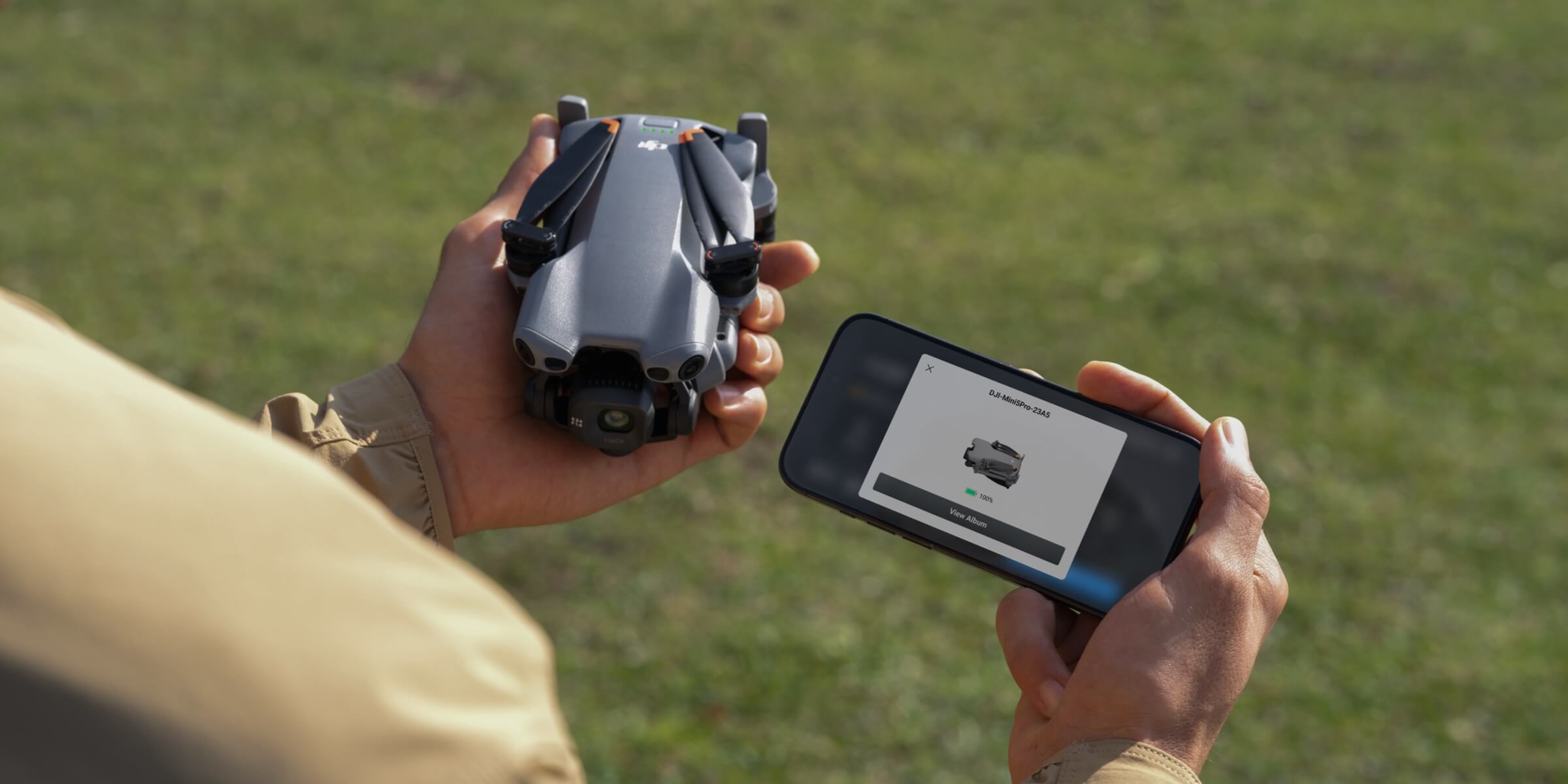
Great for: creators who want one drone that does everything legally in the lightest category, with low-light footage that older Minis could not match. Not so great for: anyone on a tight budget, since the Neo and Flip do the basics for a third of the price. Key specs: 249.9g, 1-inch 50MP sensor, 4K/120, 36-minute flight, O4+ to 20km. The caveat we always flag is the weight itself: DJI’s 249.9g figure leaves no margin, so adding aftermarket accessories can push a Mini over the 250g line and into the stricter category.
Best value: DJI Neo
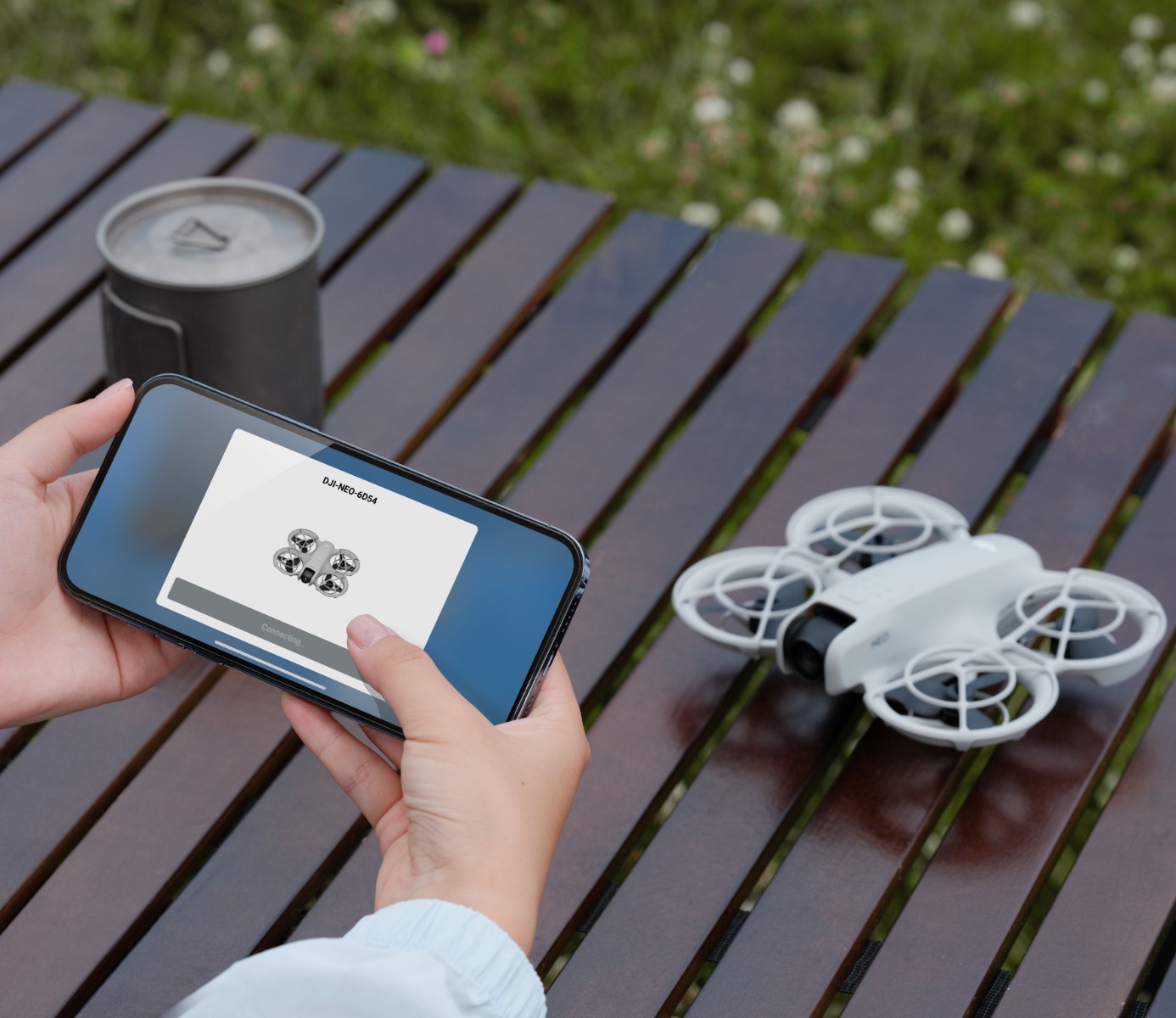
The DJI Neo is the cheapest way into genuinely usable aerial vlogging. At 135g it is comfortably the lightest drone here, it launches from your palm, and it can follow and film you using subject tracking without a controller at all, which is exactly what a casual vlogger wants. It shoots 4K at 30fps with electronic stabilisation and built-in propeller guards, and gives around 18 minutes of flight per battery. It is not a long-range cinematic tool, but for everyday clips it punches far above its price.
Price: £169 at DJI UK and major retailers for the standard package, rising to £299 for the Fly More Combo and £449 for the Motion combo with goggles and motion controller. We have seen the standalone Neo discounted below £130 in sales, so check the current price before committing. If your budget is firmly under £200, the Neo also appears in our wider roundup of the best beginner drone picks for the UK in 2026.
Great for: first-time flyers, social clips and self-filming on a budget. Not so great for: windy days, long flights or anyone who wants manual creative control. Key specs: 135g, 4K/30 with stabilisation, around 18-minute flight, palm launch, propeller guards. Remember that even at 135g, the Neo’s camera means a £12.34 Operator ID is still required to fly it legally.
Best for beginners: DJI Flip
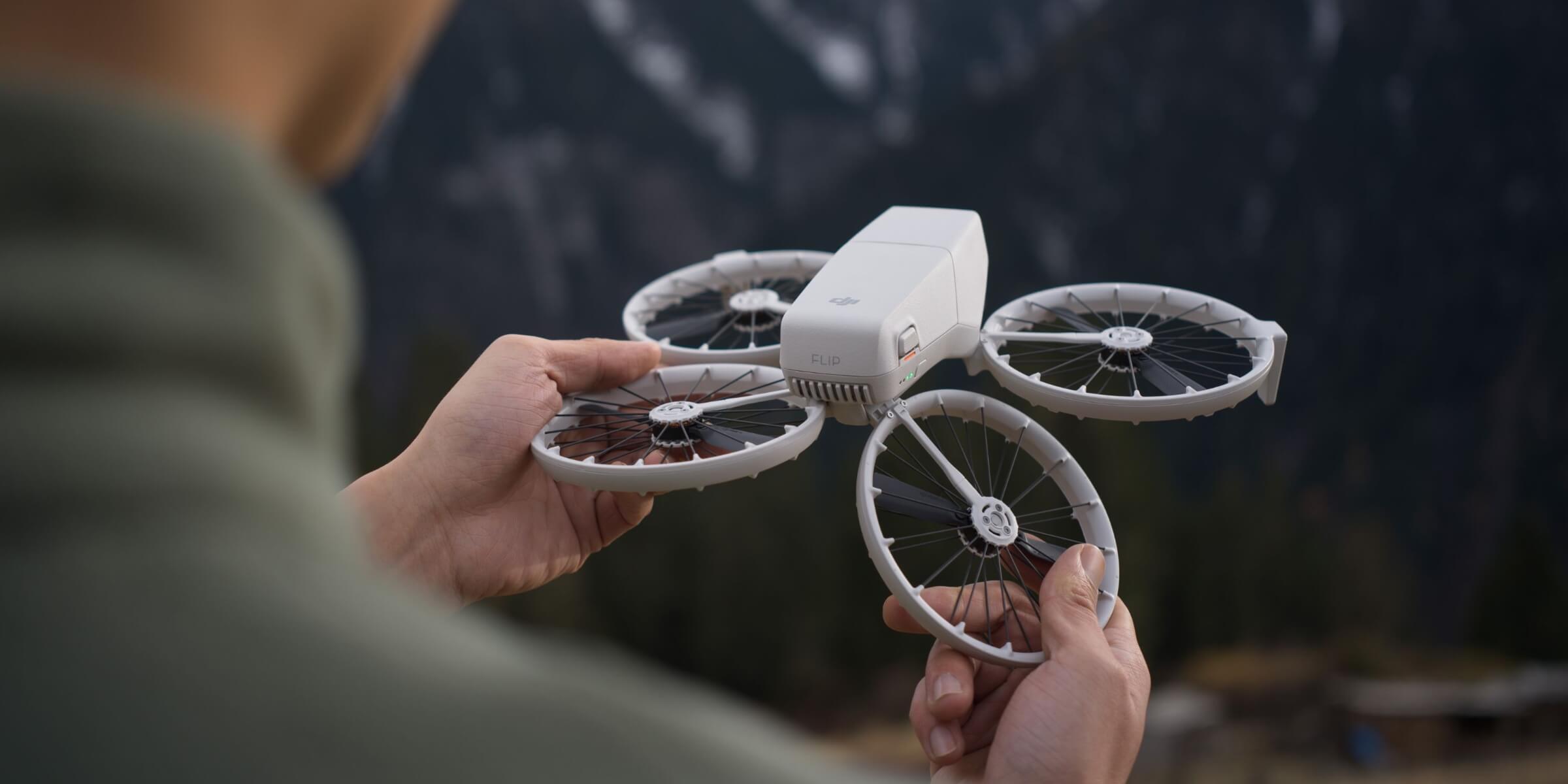
The Flip is the drone we point nervous first-buyers toward. It keeps full propeller guards like the Neo but adds a far better camera and proper flight time, while staying under 249g. It uses a 1/1.3-inch sensor for 4K HDR video at 60fps and 48MP stills, manages up to 31 minutes of flight, and carries the O4 transmission system rated to 13km. The fold-flat design and guarded props make it forgiving to learn on without giving up the image quality you actually want from a vlogging drone.
Price: £369 at Currys with the RC-N3 controller; the Fly More Combo runs higher at Argos, where we found it around £447. Stock has been intermittent through 2026, so the price you see can swing with availability.
Great for: beginners who want safe propeller guards and a real camera, plus anyone filming around hedges, doorways or family. Not so great for: high-wind coastal flying, where the light body struggles. Key specs: under 249g, 1/1.3-inch sensor, 4K/60 HDR, 48MP photos, 31-minute flight, O4 to 13km. If you are weighing the Flip against the Neo purely on camera, the Flip’s larger sensor and HDR are the deciding factors for most people.
Best older sub-250g option: DJI Mini 4 Pro
The Mini 4 Pro is still on sale and still excellent, and it remains the most capable obstacle-avoiding drone in the under-249g class thanks to true omnidirectional vision sensing. It shoots 4K HDR at 60fps, lasts up to 34 minutes on the standard battery or 45 with the Plus pack, and uses O4 transmission to 20km. The arrival of the Mini 5 Pro has made it a harder sell at full price, but it is the model to watch for discounts as retailers clear stock.
Price: around £595 for the RC 2 kit, with the Fly More Combo around £979. It has fallen well below its launch price since the Mini 5 Pro arrived, so at around £595 it is now a genuine value pick rather than a full-RRP buy. Its omnidirectional sensing is the genuine reason to consider it over a Flip: it is the safest tiny drone to fly near obstacles, which matters for travel vloggers threading through trees or buildings.
Great for: safety-conscious travel filming in the lightest category. Not so great for: buyers paying full RRP, since the newer Mini undercuts it on sensor size. Key specs: under 249g, 1/1.3-inch sensor, 4K/60 HDR, omnidirectional sensing, 34-minute flight, O4 to 20km.
Best for cinematic travel: DJI Air 3S
Step over the 250g line and the Air 3S is the sweet spot for serious cinematic work. Its dual-camera system pairs a 1-inch wide-angle main sensor with a 1/1.3-inch medium telephoto, both rated up to 14 stops of dynamic range, so you get two genuinely useful focal lengths without swapping kit. Flight time is the standout at up to 45 minutes, with forward LiDAR and omnidirectional sensing for safer low-light flying, and O4 transmission to 20km. At 724g it sits firmly in the heavier category, so plan your locations accordingly.
Price: from £859 for the Fly More Combo, which is the configuration most retailers stock. We compare it directly with the flagship in our Mavic 4 Pro versus Air 3S head-to-head, and for most travel vloggers the Air 3S is the smarter spend of the two.
Great for: travel and landscape creators who want two focal lengths and long flights. Not so great for: flying near people, given the 724g weight. Key specs: 724g, dual 1-inch plus 1/1.3-inch cameras, 4K/120, 45-minute flight, LiDAR, O4 to 20km.
Best premium: DJI Mavic 4 Pro
If budget is no object, the Mavic 4 Pro is the most capable consumer drone DJI sells. Its tri-camera system is built around a 100MP four-thirds Hasselblad main sensor with a variable f/2 to f/11 aperture, joined by a 70mm medium telephoto and a 168mm long telephoto, all mounted on a 360-degree Infinity Gimbal. It records 6K HDR video, manages up to 51 minutes of flight, and uses O4+ transmission to 30km. This is a professional tool that happens to fold up small, not a casual vlogging drone.
Strong audio and stable footage matter more than headline pixel counts for vlog work, which is why the Mavic 4 Pro slots into a wider DJI creator setup rather than being judged on its drone specs in isolation. Pairing the airframe with a steady ground rig keeps the look consistent whether you are airborne or walking and talking, and it is the reason the premium tier is worth the spend only if you already shoot enough to make the most of it.
Price: £1,879 for the drone with the RC 2 controller, £2,459 for the Fly More Combo and £3,209 for the Creator Combo with the RC Pro 2 and 512GB storage. We break down whether that flagship spend is justified in our dedicated DJI Mavic 4 Pro UK price and verdict, and for the vast majority of vloggers it is more drone than the work requires.
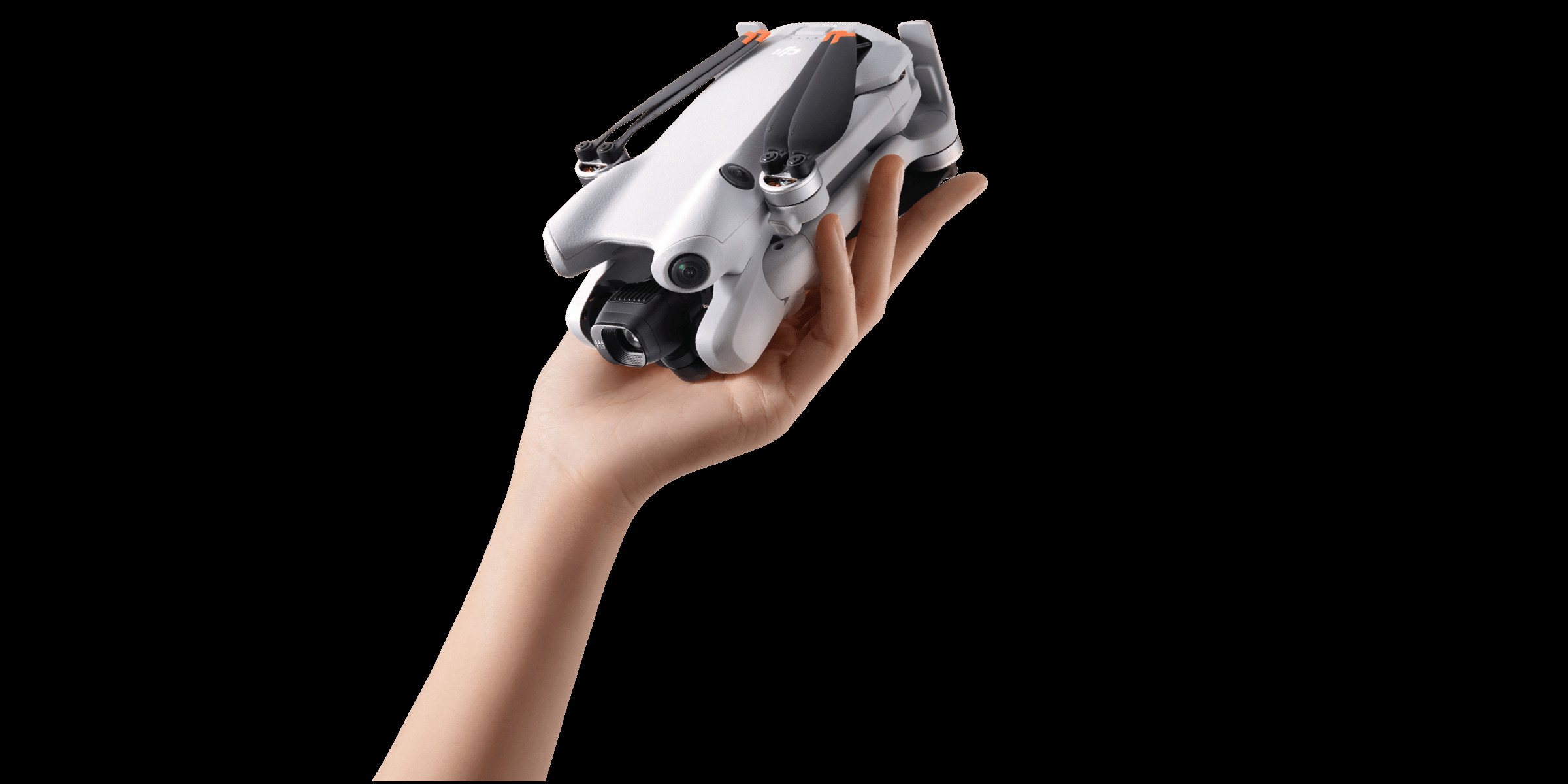
Great for: professional and commercial creators who need three focal lengths and the best image quality. Not so great for: casual vloggers, who pay for capability they will rarely use. Key specs: 100MP Hasselblad main camera, dual telephoto, 6K/60 HDR, 51-minute flight, O4+ to 30km.
How the picks compare on the specs that matter
For vlogging, the specs that decide everyday usefulness are weight, sensor size, flight time, stabilisation and transmission. The table below puts our six picks side by side so you can match a drone to your actual filming rather than the marketing.
| Drone | Weight | Camera | Max flight | UK price (base) | MTW read |
|---|---|---|---|---|---|
| Mini 5 Pro | 249.9g | 1-inch 50MP, 4K/120 | 36 min | £689 | The all-rounder to beat |
| Neo | 135g | 4K/30, stabilised | 18 min | £169 | Best cheap self-filmer |
| Flip | under 249g | 1/1.3-inch, 4K/60 HDR | 31 min | £369 | Safest learner camera |
| Mini 4 Pro | under 249g | 1/1.3-inch, 4K/60 HDR | 34 min | £595 | Buy only on discount |
| Air 3S | 724g | Dual 1-inch + tele, 4K/120 | 45 min | £859 | Best cinematic value |
| Mavic 4 Pro | ~1063g | 100MP Hasselblad tri-cam, 6K | 51 min | £1,879 | Pro overkill for vlogs |
One pattern is clear: the jump from the 249g class to the Air 3S buys you a second focal length and longer flights, but costs you the freedom to fly near people. The jump from Air to Mavic buys resolution and a third lens most vloggers will never need. If your footage is mostly you, your travel and your day-to-day, a sub-250g Mini, Neo or Flip is the honest recommendation. If you are weighing a drone against a pocket gimbal for ground footage instead, our look at the DJI Osmo Mobile 8P phone gimbal is worth a read alongside this guide.
How we choose
Where to buy in the UK and what to check
All six picks are sold through DJI UK directly and through the big electricals retailers, and the price difference between them is usually small, so buy on warranty, returns and stock rather than chasing a few pounds. Currys lists the Mini 5 Pro at £689 and the Flip at £369, both with click-and-collect and Currys CarePlan as an optional add-on. Argos stocks the Flip and Mini 5 Pro combos with fast collection from local stores, useful if you want it the same day. Amazon UK carries the Neo and the full Mini range with Prime delivery and its standard 30-day returns. Buying direct from DJI UK gets you DJI Care Refresh, the accidental-damage plan that is genuinely worth adding to a drone you will fly over hard ground or water.
Whichever route you pick, confirm three things before you pay: that the box includes the controller you expect, since DJI sells drone-only, RC-N3 and RC 2 screen-controller variants at different prices; that the Fly More combo maths actually saves money for you, as the extra batteries and bag are the main reason to pay up; and that the retailer’s return window covers a first test flight in case of a fault. Under the Consumer Rights Act you have 30 days to reject a faulty drone for a full refund, separate from any voluntary returns policy. For sub-£500 buyers comparing across brands, our roundup of the best camera drones under £500 covers the wider field.
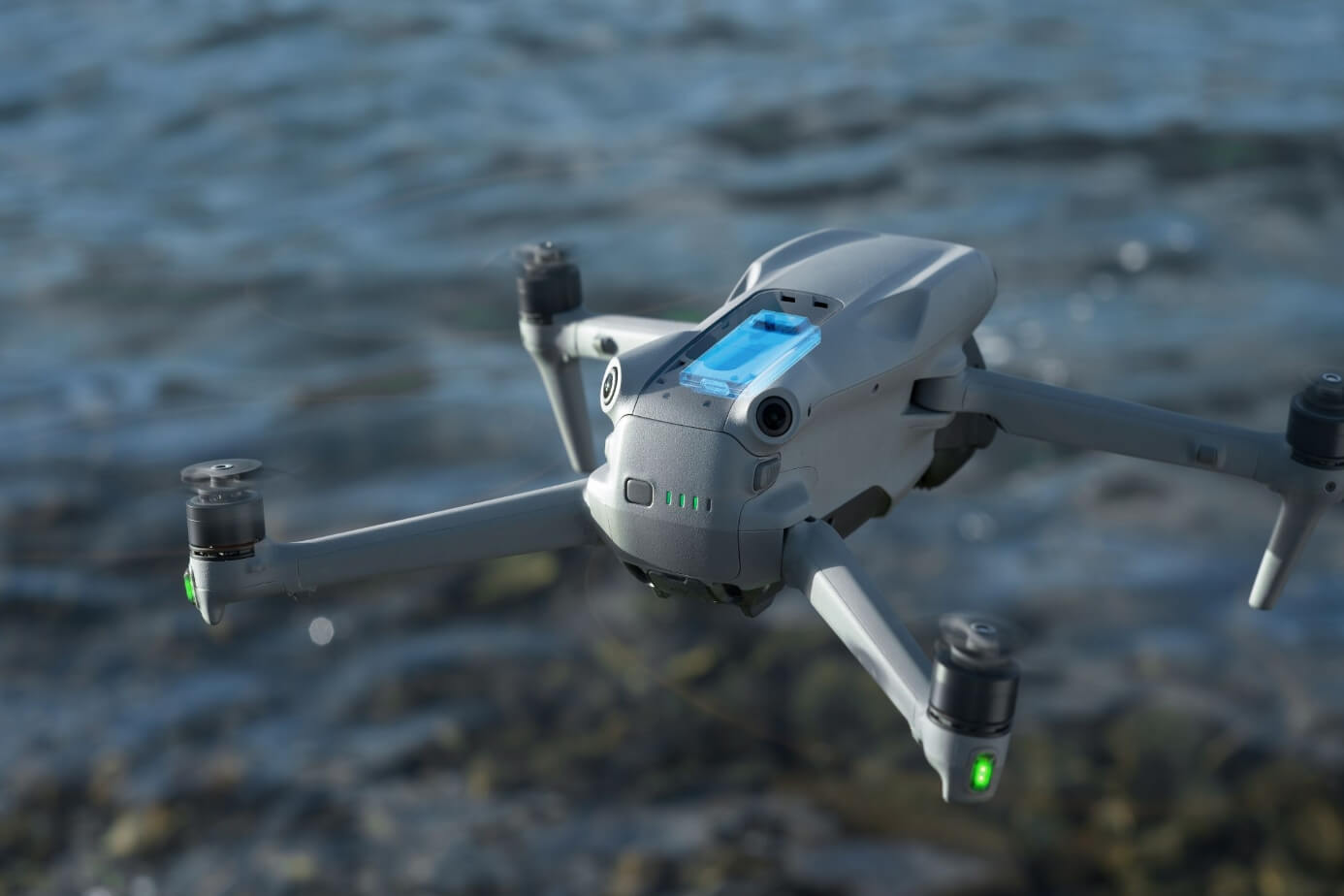
For most UK vloggers in 2026 the DJI Mini 5 Pro at £689 is the drone to buy: it brings a 1-inch sensor into the 249.9g class, which means better footage with the legal flexibility of the lightest category. If your budget is tight, the £169 Neo is the genuine value pick and will cover everyday self-filming, while nervous first-timers should spend £369 on the propeller-guarded Flip for a real camera with a safety net. Step up to the Air 3S at £859 only if you specifically want two focal lengths and 45-minute flights and accept that its 724g weight limits where you can fly. The Mavic 4 Pro is a superb tool but it is professional kit, and we would not recommend it for vlogging unless you are billing clients. The one thing that would flip any of these calls is a deeper retailer discount: drone pricing swings hard in sales, so a heavily reduced Mini 4 Pro or Flip can beat its newer sibling on value. Register for your Flyer ID and Operator ID before your first flight, whichever you choose.

Reader discussion
Leave a comment
Comments are moderated. Keep it useful, accurate, and on topic.