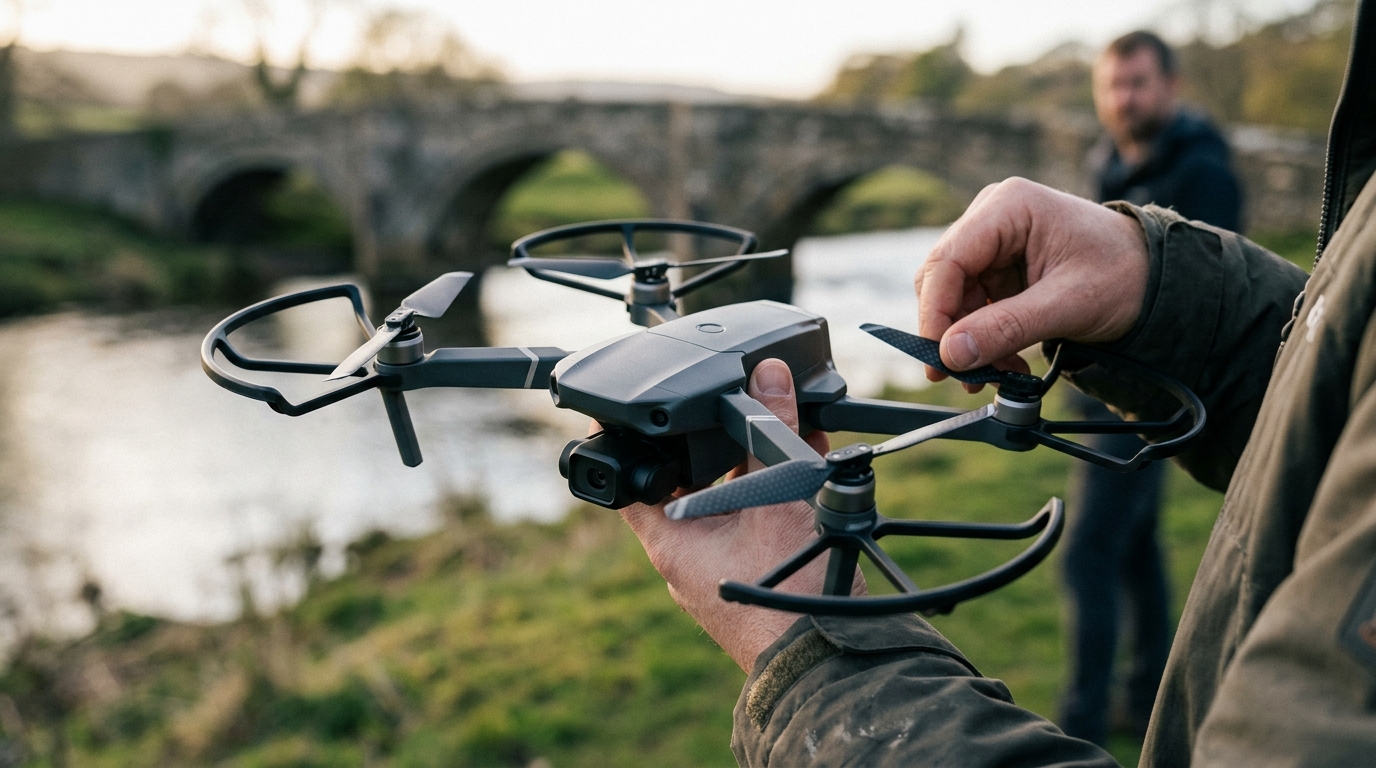
You do not need to spend £1,000 or more to get genuinely impressive aerial footage. The camera drone market under £500 has matured significantly, with several models offering 4K video, intelligent flight modes and obstacle avoidance that would have been flagship features just two years ago. Whether you want a drone for travel, real estate photography, or content for social media, here are the best options in 2026.
Best Camera Drones: Contents
- DJI Mini 4 Pro (~£449-499), Best Overall Under £500
- DJI Neo (~£169-199), Best Budget Option
- Holy Stone HS720E (~£250-280), Best Non-DJI Option
- Potensic Atom SE (~£279-329), Best for Portability
- Choosing by Use Case
- Registration and Legal Requirements
- The Verdict
DJI Mini 4 Pro (~£449-499), Best Overall Under £500
The DJI Mini 4 Pro remains the benchmark in this category, and for good reason. At under 249g, it does not require registration with the CAA in the UK (though you still need a Flyer ID), which simplifies the legal side of flying considerably.
The camera shoots 4K at 60fps with a 1/1.3-inch sensor, the same sensor size found in much more expensive drones, delivering excellent detail, dynamic range, and low-light performance. HDR video mode captures rich colours, and the 48MP photo capability produces prints and social media content that genuinely impresses.
Intelligent flight modes include ActiveTrack 5.0 (subject tracking), Hyperlapse, MasterShots, and QuickShots, making complex cinematic shots accessible to beginners. The DJI Fly app is polished and intuitive. For a detailed comparison with its bigger sibling, see our DJI Mini 4 Pro vs DJI Air 4 breakdown.
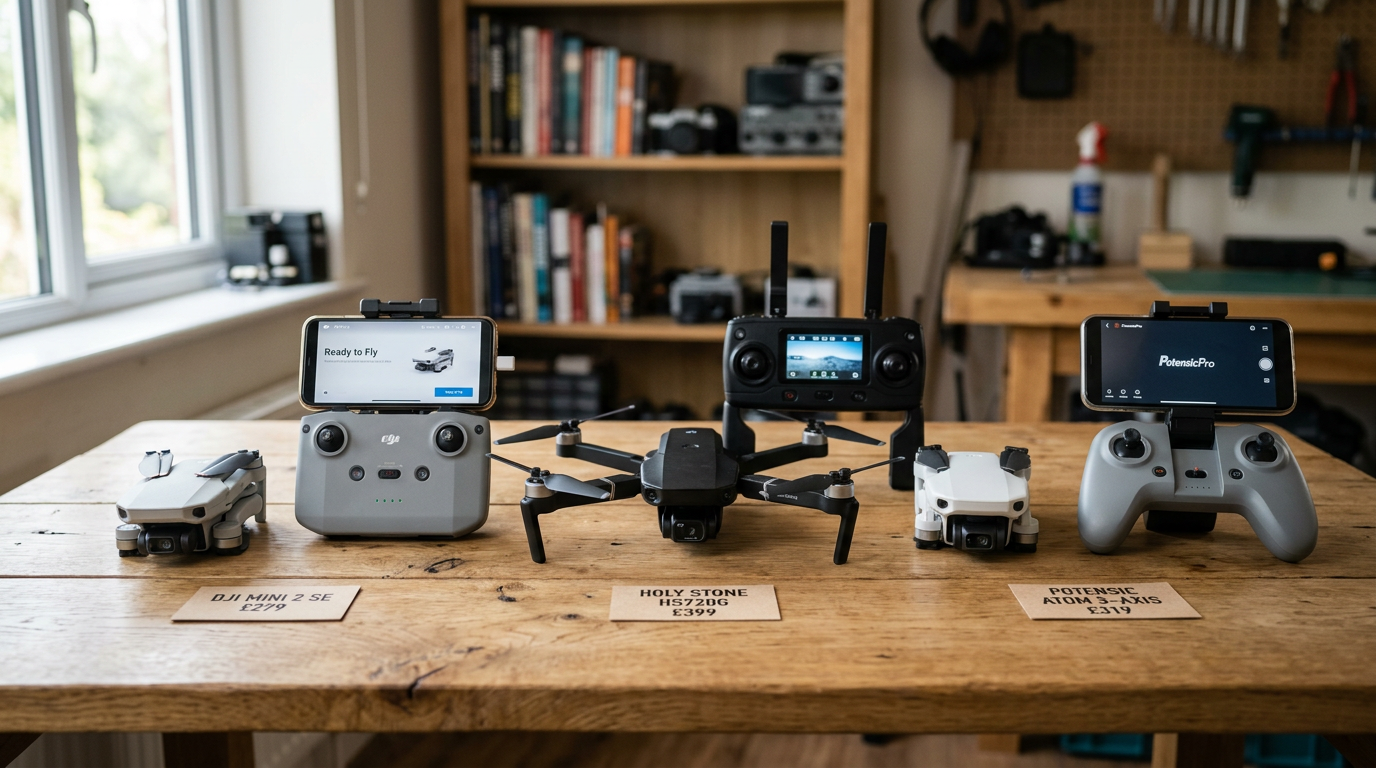
DJI Neo (~£169 base, £299 Fly More Combo), Best Budget Option
The DJI Neo is DJI’s smallest camera drone at just 135g and is aimed squarely at beginner creators. It shoots 4K/30fps video, has hand take-off and landing without a controller, and pairs with a phone or DJI’s goggles for FPV flight. UK pricing starts at around £169 for the base unit and £299 for the Fly More Combo with controller and batteries, per DJI’s UK store.
Flight time is around 18 minutes, shorter than the Mini 4 Pro but adequate for quick shots. There is no obstacle avoidance, so you need to be more careful about your flying environment. The Neo is ideal for spontaneous aerial selfies, quick establishing shots for vlogs, and introducing yourself to drone flying before investing in a more capable model. For beginners exploring drones for the first time, our best drones for beginners guide covers the learning curve.
Holy Stone HS720E (~£250-280), Best Non-DJI Option
The Holy Stone HS720E is a solid mid-range pick for anyone who wants to avoid DJI’s ecosystem. The 4K Sony sensor produces sharp images and respectable dynamic range, GPS positioning keeps the drone stable for hands-off shots, and the foldable design makes it reasonably portable.
You do need an Operator ID as the HS720E is over 250g, and the included controller is bulkier than DJI’s. Flight time is around 23 minutes per battery. Value for money is strong if you only need occasional aerial shots.
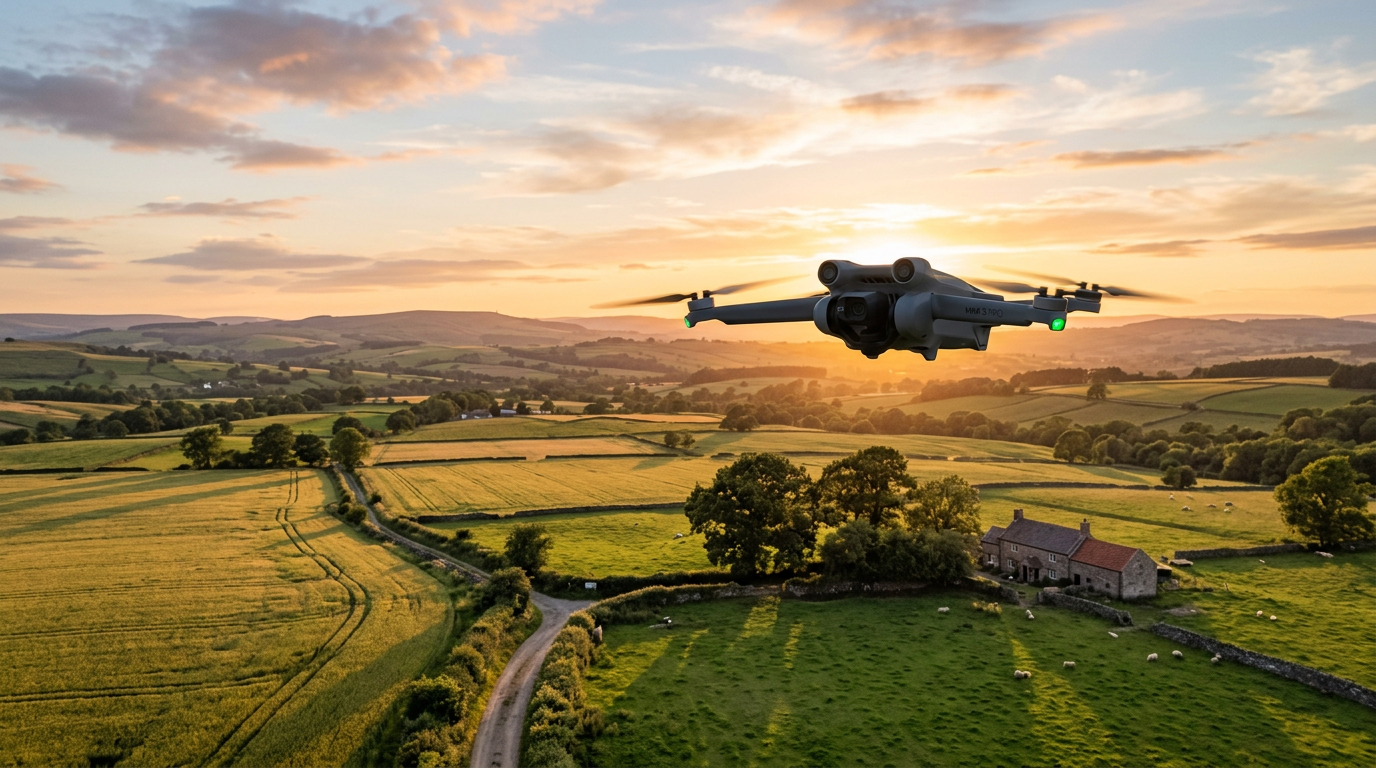
Potensic Atom SE (~£279-329), Best for Portability
The Potensic Atom SE is another sub-249g option that competes with the DJI Mini range at a lower price. Weighing just 249g, it stays under the Operator ID threshold while offering 4K video, GPS flight features and decent electronic image stabilisation.
The Atom SE uses electronic image stabilisation (EIS), not a mechanical gimbal, per Potensic’s official product page. If you want the 3-axis gimbal, the standard Potensic Atom is a small step up in price. Video quality from the Atom SE is good in daylight, the 1/2.5-inch sensor is adequate for social media and casual use but does not match the DJI Mini 4 Pro’s image quality.
Flight time is around 31 minutes, which is excellent for this weight class. The Potensic app is functional but less feature-rich than DJI Fly. For the price, it offers a strong combination of portability, GPS-assisted flight and battery life.
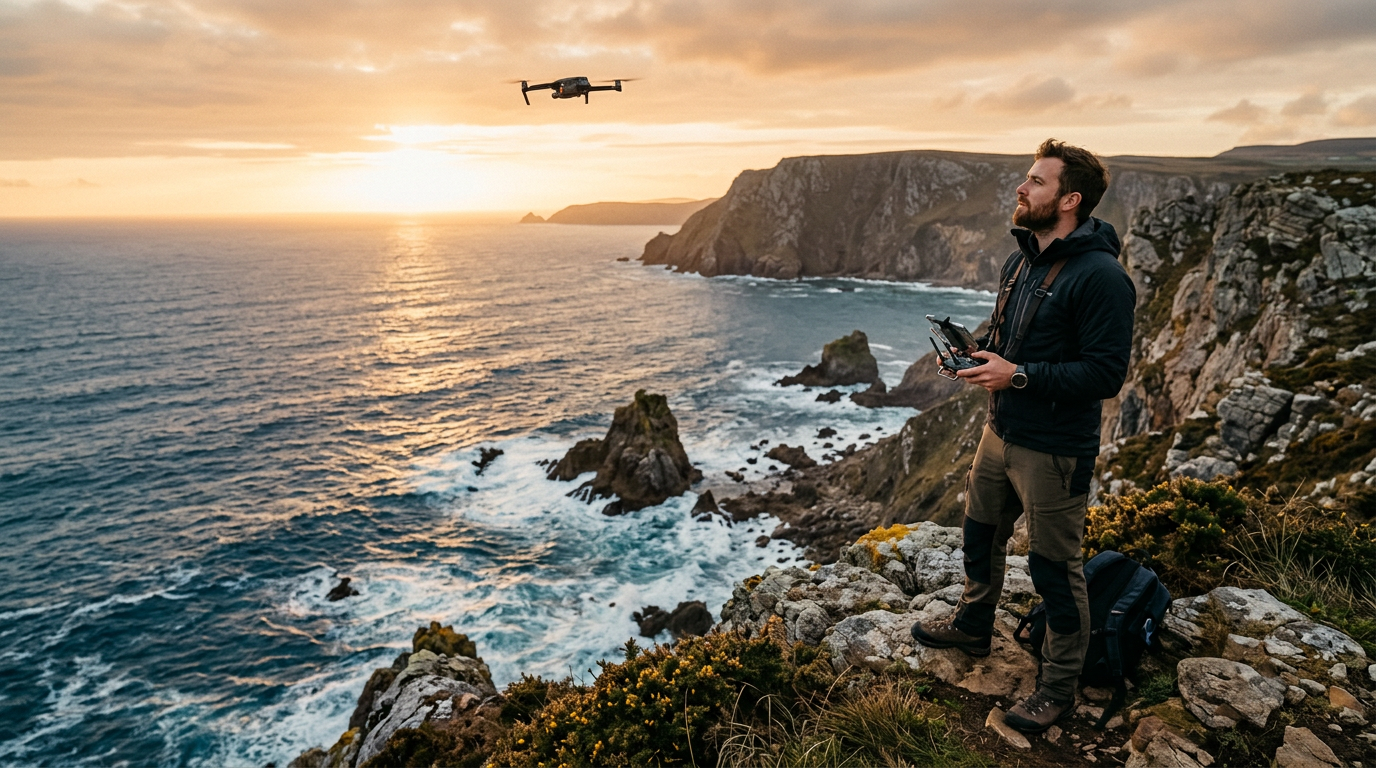
Choosing by Use Case
Travel and holidays: The DJI Mini 4 Pro is the clear winner. Its sub-249g weight means fewer regulatory complications when travelling internationally, the compact size fits in any bag, and the camera quality captures landscapes, cityscapes, and memories beautifully. The DJI Neo is a good secondary option if you want something truly pocket-sized.
Real estate and property photography: The DJI Mini 4 Pro again leads here, with its ability to shoot high-resolution photos and smooth 4K video orbits of properties. The obstacle avoidance provides extra safety when flying near buildings. Intelligent flight modes like QuickShots can create professional-looking reveal shots with minimal piloting skill.
Social media content: The DJI Neo at under £200 is the most practical option for creators who want quick aerial clips for Instagram, TikTok, or YouTube Shorts. The hand launch/land feature means you can get a shot in under two minutes, which lowers the barrier to actually using the drone rather than leaving it in your bag. For tips on improving your footage regardless of drone, check out our guide to the best drone accessories under £50.
Registration and Legal Requirements
Since January 2026, the UK CAA has expanded the Flyer ID requirement to cover any drone weighing more than 100g, not just the old 250g threshold, as the CAA website outlines. That means the DJI Mini 4 Pro, DJI Neo, Potensic Atom SE and Holy Stone HS720E all need a Flyer ID. Drones weighing 250g or more (such as the Holy Stone HS720E) additionally require a paid Operator ID, currently £12.34 per year.

All drones must be flown within visual line of sight, below 120 metres altitude, and away from airports and restricted airspace. The NATS Drone Assist app is essential for checking airspace restrictions before every flight. For comprehensive certification guidance, see our coverage of the drone market in 2026.
The Verdict
The DJI Mini 4 Pro is the best camera drone under £500 for the vast majority of buyers. Its combination of image quality, flight time, obstacle avoidance, and sub-249g weight is unmatched. If you want to spend less, the DJI Neo at under £200 is a remarkable entry point. The Holy Stone HS720E and Potensic Atom SE offer alternatives for those who want to avoid DJI, but the gap in software and camera quality is noticeable. Whichever you choose, under £500 now buys you a drone capable of footage that would have cost thousands just five years ago.
How we pick
Buyer action
Where to buy or check next
Use this as the final check before ordering a phone, changing network or trusting a headline monthly price.







Reader discussion
Leave a comment
Comments are moderated. Keep it useful, accurate, and on topic.