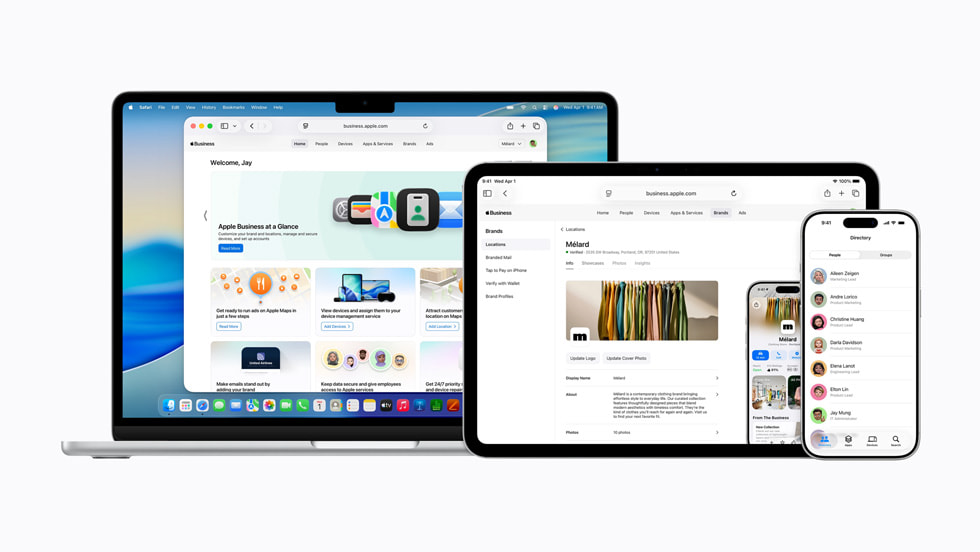
While the tech press spends its time obsessing over what colour the iPhone 18 might come in, Apple has quietly announced something that could reshape its entire revenue model. The Apple Business platform launches on 14 April 2026, and if you are not paying attention to it, you are missing one of the most strategically significant moves Apple has made since the App Store. This is not a flashy consumer product. It is a B2B ecosystem play whose knock-on effect on services revenue could dwarf any single device Apple sells.
What Is Apple Business, Exactly?
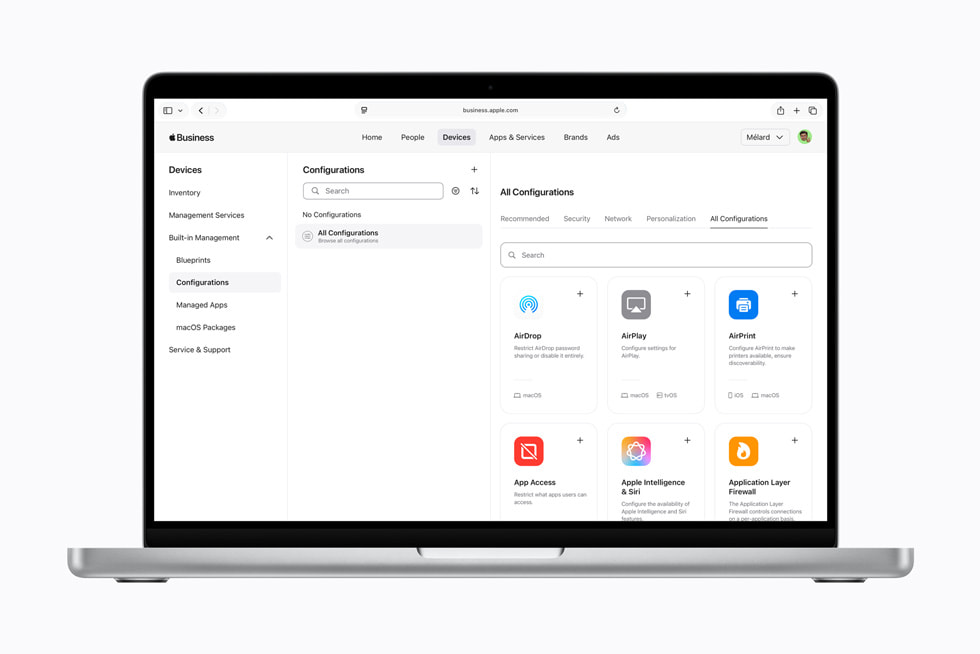
Apple Business is an all-in-one platform aimed squarely at small and medium enterprises, and importantly, it is free to use. It consolidates device management, app deployment, security configuration, branded business email, calendar, and Maps presence into a single dashboard that any business owner can understand without an IT degree. Think of it as Apple’s answer to a question that SMEs have been asking for years: how do we manage our Apple devices without hiring a dedicated IT team or paying through the nose for third-party MDM solutions?
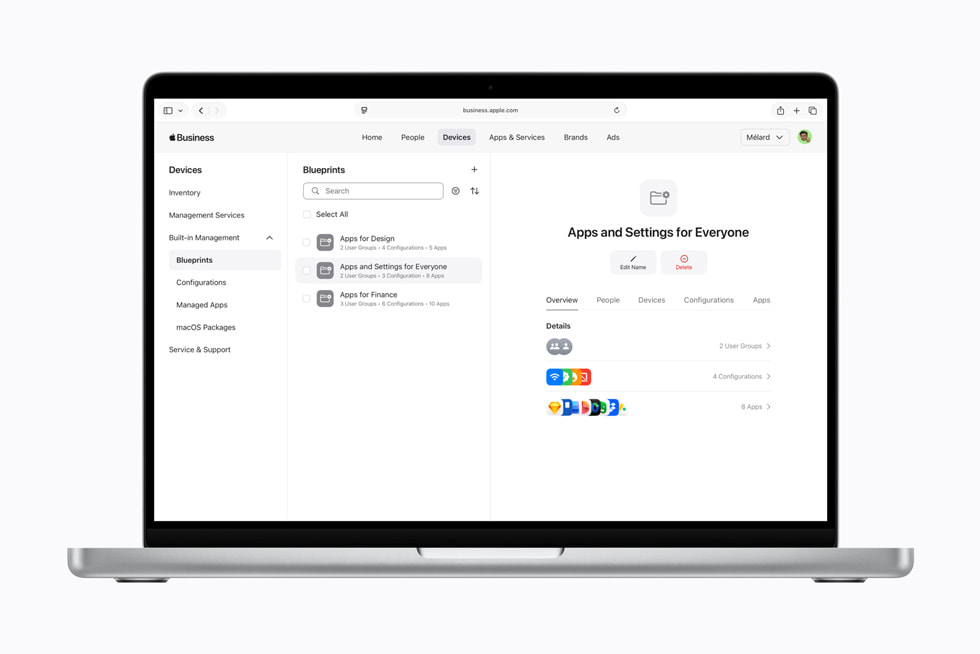
The platform includes Blueprints, which are pre-configured device setup templates that allow businesses to deploy iPhones, iPads, and Macs with company policies, apps, and restrictions already baked in. A new employee can unbox a device, sign in, and have everything they need within minutes. No manual configuration, no IT support tickets, no wasted afternoons trying to install the company VPN.
Apple Business absorbs what used to be Apple Business Connect, so the Apple Maps listing management tools are now part of the same dashboard. Given that Apple Maps usage has grown substantially since its accuracy improvements, this is a meaningful alternative to Google Business Profile for local businesses.

Why This Matters More Than You Think — the apple business angle
Apple’s services revenue exceeded $100 billion (around £80 billion) in 2025. That is not a typo. Services (the App Store, iCloud, Apple Music, Apple TV+, AppleCare, and advertising) now generate more profit than any single hardware category. The company’s entire strategic direction for the next decade is about expanding recurring revenue streams, and Apple Business is the next major pillar in that strategy, even though the platform itself is offered free to qualifying businesses.
The enterprise device management market is enormous. Microsoft Intune, VMware Workspace ONE, and Jamf have been carving it up for years, and Apple has been content to let third parties handle the heavy lifting while it collected the hardware revenue. That changes now. By bringing device management in-house and offering it as part of Apple Business, Apple is essentially cutting out the middlemen and building direct relationships with business customers.

The implications are significant. Every business that signs up for Apple Business becomes more deeply locked into the Apple ecosystem. Switching costs increase. Device refresh cycles become Apple’s to influence. And the downstream revenue from AppleCare, iCloud+ business storage, Apple Maps ads and future paid tiers adds up to numbers that would make most hardware product launches look trivial by comparison.
The Competition Should Be Worried
Google Workspace and Microsoft 365 have dominated the business productivity and device management space for years, but they have never had Apple’s hardware integration advantage. When your device management platform is built by the same company that makes the devices, the experience is inherently smoother. Apple Business knows your hardware capabilities intimately, can push updates with precision, and can offer security features that third-party MDM providers can only approximate.
Jamf, which has built its entire business around Apple device management, should be particularly concerned. While Apple has stated that Apple Business is aimed at smaller organisations and that enterprise customers with complex needs should continue using specialised MDM solutions, that is exactly what every platform company says before it expands upmarket. Ask Salesforce how that “we’re just for small businesses” positioning worked out for its competitors.
Apple Maps Advertising: The Quiet Revenue Machine
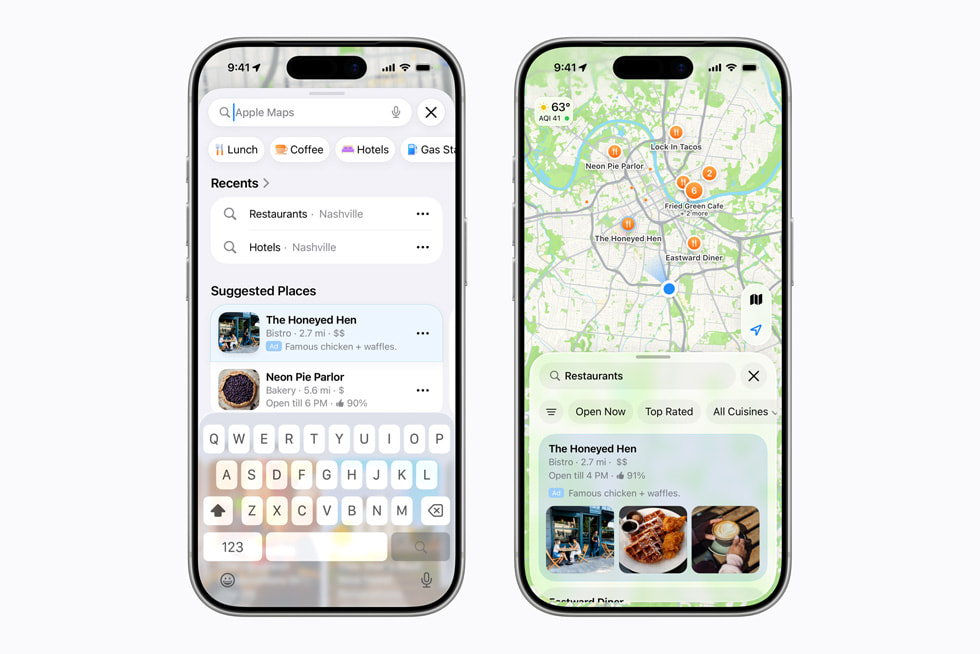
Buried within the Apple Business announcement is a feature that deserves its own headline: Apple Maps advertising, launching in summer 2026 in the US and Canada to start. Businesses will be able to promote their listings on Apple Maps, appearing at the top of search results and in the new Suggested Places feature in iOS 26.5. This is Apple entering the local advertising market in direct competition with Google Maps ads, and it has the potential to be enormously lucrative.
Consider the numbers. There are well over a billion active Apple devices worldwide. A significant percentage of those users rely on Apple Maps for navigation and local search, particularly since the app became the default on CarPlay. If even a fraction of local businesses start paying for promoted listings on Apple Maps, the advertising revenue could be substantial. Apple has been quietly building an advertising business for years through App Store search ads, and Maps advertising is the natural next step. Unlike Google, Apple insists it will not tie ad interactions to a user’s Apple Account.
For small businesses, this creates an interesting dilemma: do you now need to manage your presence on both Google Maps and Apple Maps? The answer, increasingly, is yes. And Apple Business makes it easy to do so from a single dashboard, which is precisely the kind of convenience that drives platform adoption.
The Bigger Picture: Hardware Is the Hook, Services Are the Revenue
Apple Business represents the clearest articulation yet of Apple’s long-term strategy: use hardware as the entry point, then build layers of services revenue on top. The iPhone gets you in the door. iCloud stores your data. Apple Music plays your songs. AppleCare protects your devices. And now Apple Business manages your entire company’s technology stack. Each layer makes it harder to leave and more expensive to switch.
This is not a criticism, it is simply an observation about where the technology industry is heading. Every major platform company is pursuing the same playbook. But Apple executes it better than anyone because its hardware-software integration creates an experience that genuinely is smoother than the alternatives. When Apple Business can deploy, configure, secure, and manage a fleet of devices with less friction than any competitor, even a “free” tier becomes a powerful funnel into the paid Apple stack.
The Verdict: Pay Attention to the Boring Launches
The Apple Business platform will not generate breathless YouTube unboxing videos or trending Twitter hashtags. It is not sexy. It is not exciting. And it will almost certainly generate more long-term revenue than the iPhone 18, the next MacBook Pro, or whatever AR headset Apple announces next. The most important product launches are often the ones that nobody is talking about, and this is one of them. For more, see our Apple coverage. You might also read AI Scribes Are Making Your Doctor Visits More Expensive and Nobody Wants to Fix It.
If you run a small or medium business that uses Apple devices, mark 14 April in your calendar. And if you are an investor, pay less attention to iPhone unit sales and more attention to how quickly Apple Business gains traction. The future of Apple is not in your pocket, it is in the IT cupboard of every small business in the country. And Apple just kicked the door open.
Related reading on MTW
Buyer action
Where to buy or check next
Use this as the final check before ordering a phone, changing network or trusting a headline monthly price.













Reader discussion
Leave a comment
Comments are moderated. Keep it useful, accurate, and on topic.