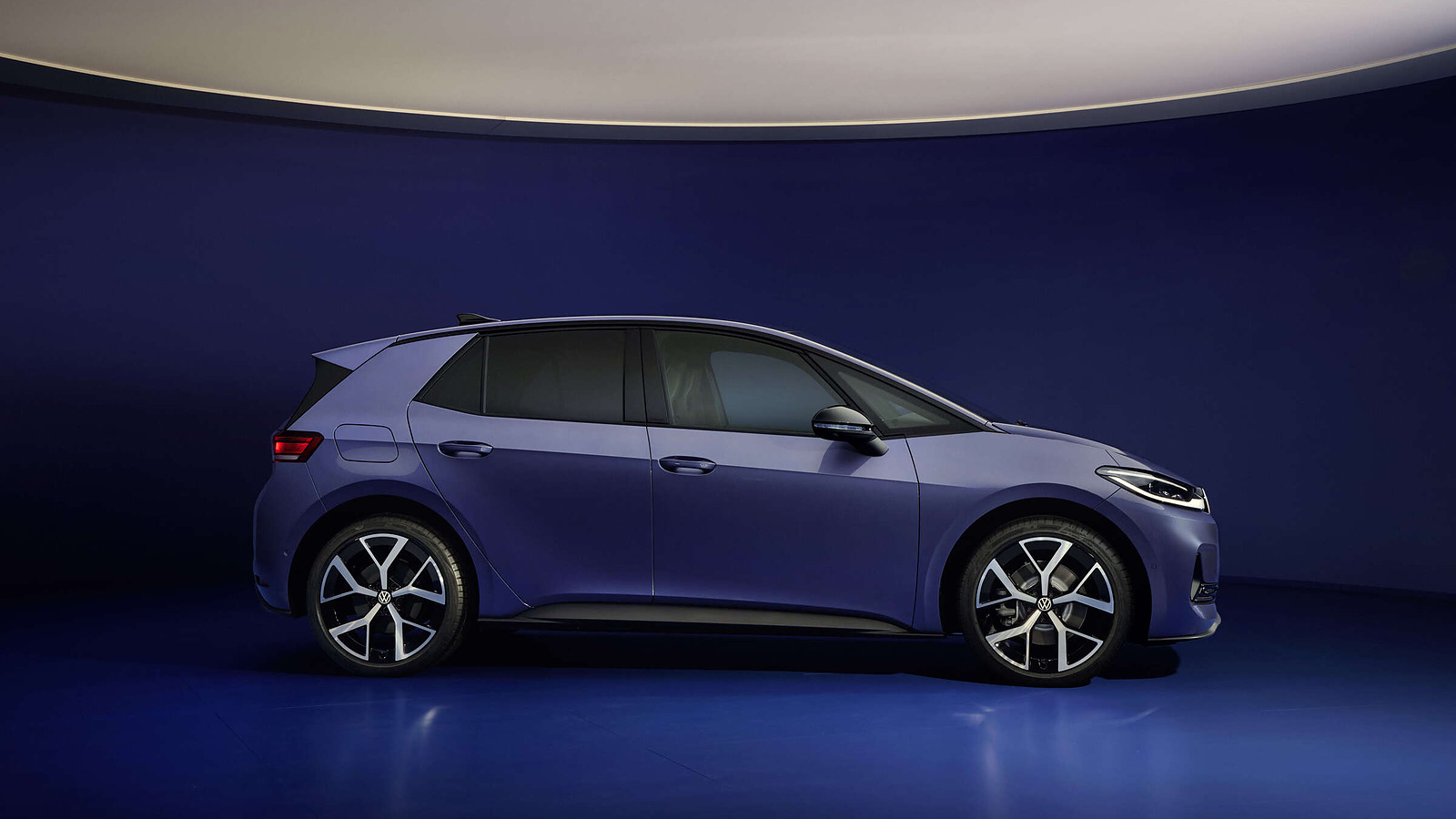
The Volkswagen ID.3 Neo refresh launched on April 15 is the most honest EV apology a legacy brand has issued this year. By restoring physical controls, sharpening real-world range and pricing the Volkswagen ID.3 Neo against Chinese newcomers rather than premium German rivals, VW has finally shipped the car the original ID.3 should have been in 2021.
- Volkswagen world-premiered the ID.3 Neo on 15 April 2026; pre-sales began 16 April across Germany and many European markets.
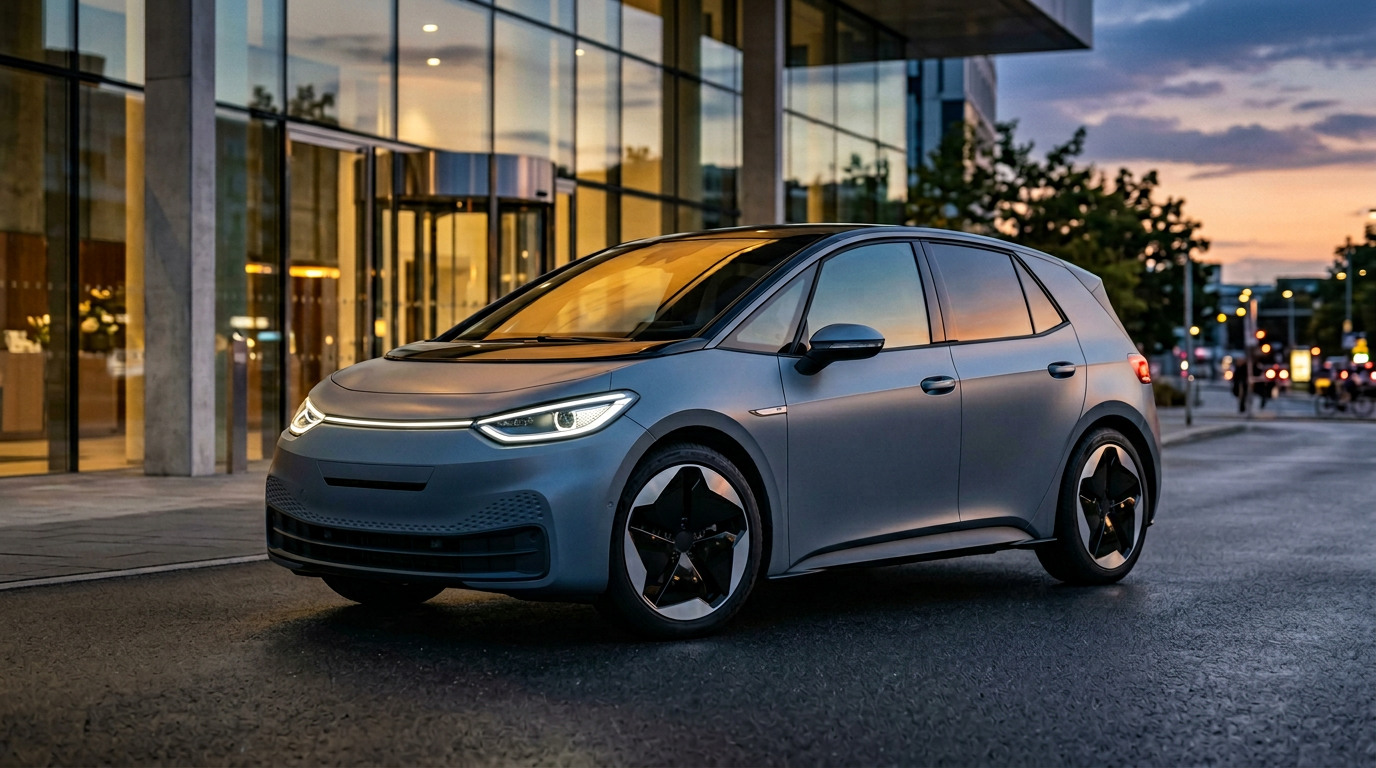
- Range is up to 630 km WLTP on the large battery; powertrains are 125kW, 140kW or 170kW with three battery sizes and three trims (Trend, Life, Style).
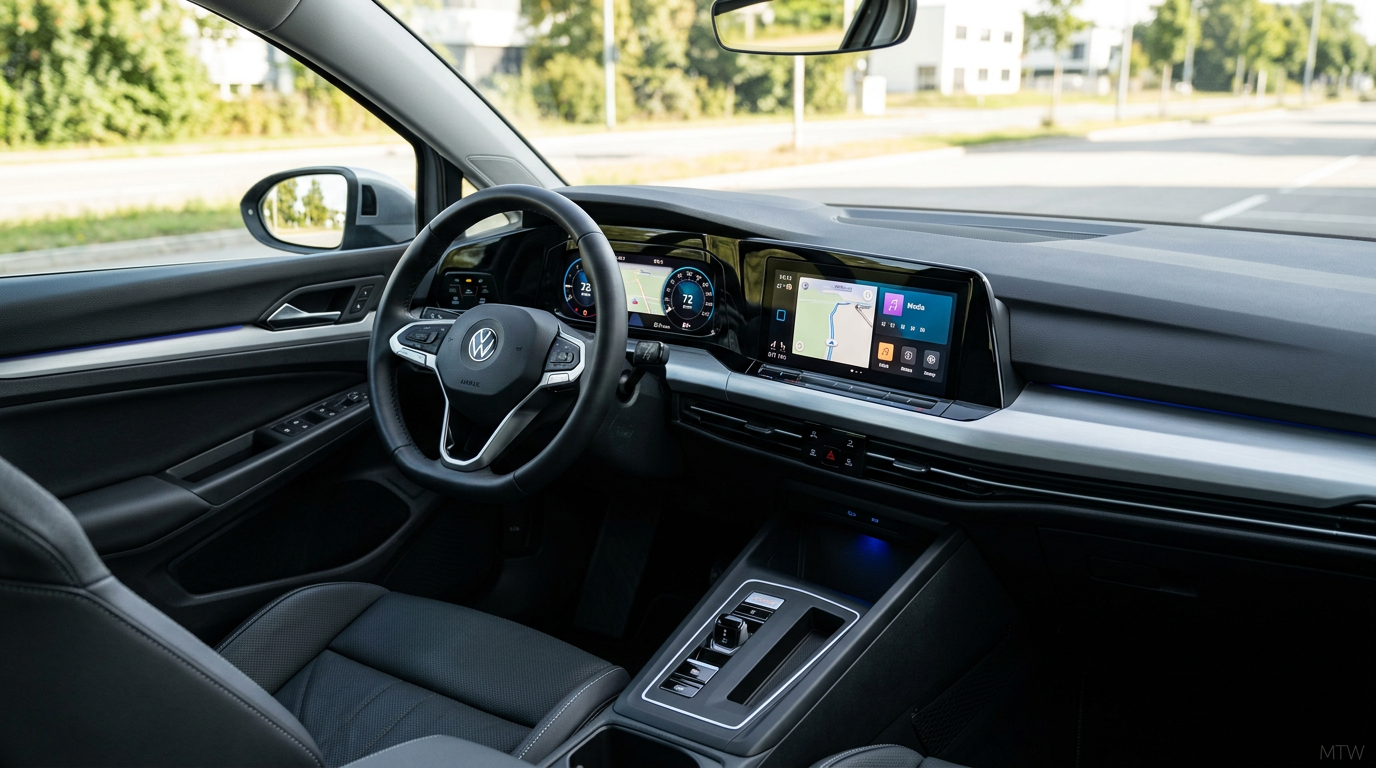
- Interior gets a redesigned cockpit and the new Innovision infotainment with app store; the controversial touch-sensitive steering wheel controls are gone, replaced by physical buttons.
- Why it matters: this is VWs most thorough mid-life upgrade for the ID.3 and the first European-market EV in this class to credibly cross the 600 km WLTP line at a non-flagship price.
The Neo retuned the drivetrain for mixed European driving, trimmed the dashboard clutter, and put physical controls back where the original ID.3 famously removed them. That last detail alone will close more deals than any battery spec. Volkswagen has stopped trying to beat Tesla on minimalism and started trying to beat itself on basic usability.
Why the Volkswagen ID.3 Neo software redesign is the real news
VW.OS has been the butt of a thousand EV reviews since 2021. The Neo ships with the substantially rebuilt release that the brand promised, and it finally has the responsiveness and layout that a normal driver can live with. The more telling change is Volkswagen’s open acknowledgment that OTA cadence and software quality are now core competencies, not marketing sugar. That would have been unthinkable in a 2022 press release.
Real-world range, not WLTP theatre
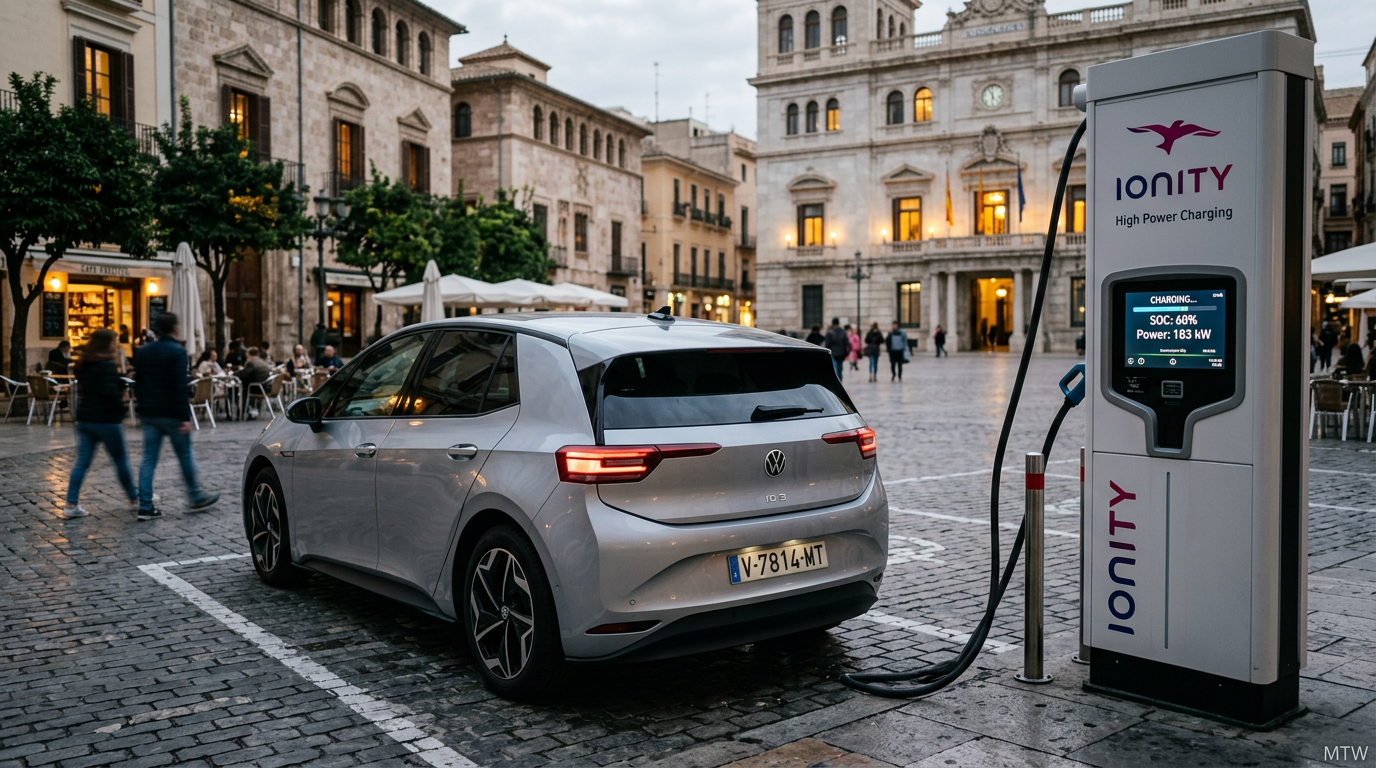
The ID.3 Neo’s top-spec 79 kWh (net) pack and improved drivetrain are quoted at up to 630 km WLTP, but Volkswagen is framing the number around real motorway driving rather than the best-case lab figures. That is unusually grown-up for VW. A comfortable 400 km-plus at motorway speeds is not a revolution. It is the number the average commuter actually needs to hear before signing a lease. Volkswagen has finally stopped overshooting on marketing range and undershooting on delivery.
Design restraint instead of reinvention
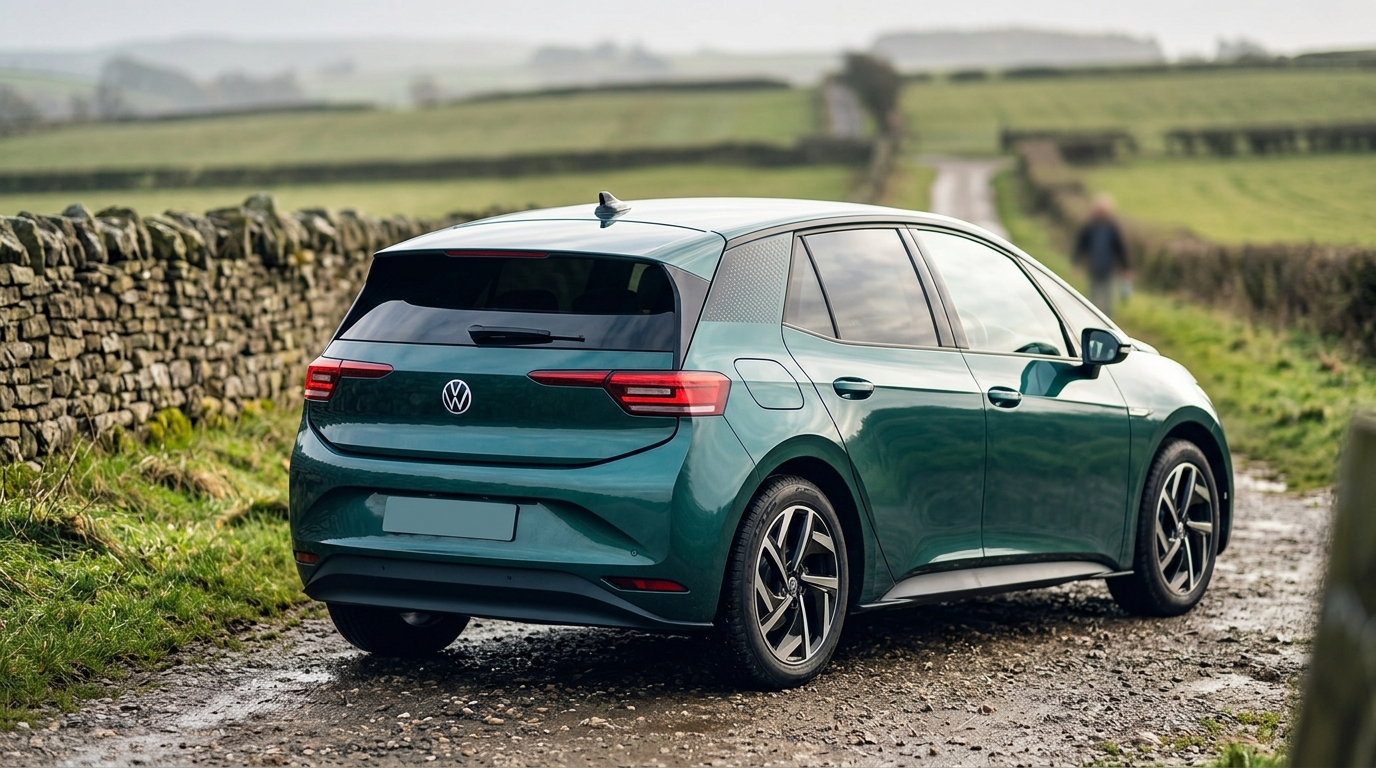
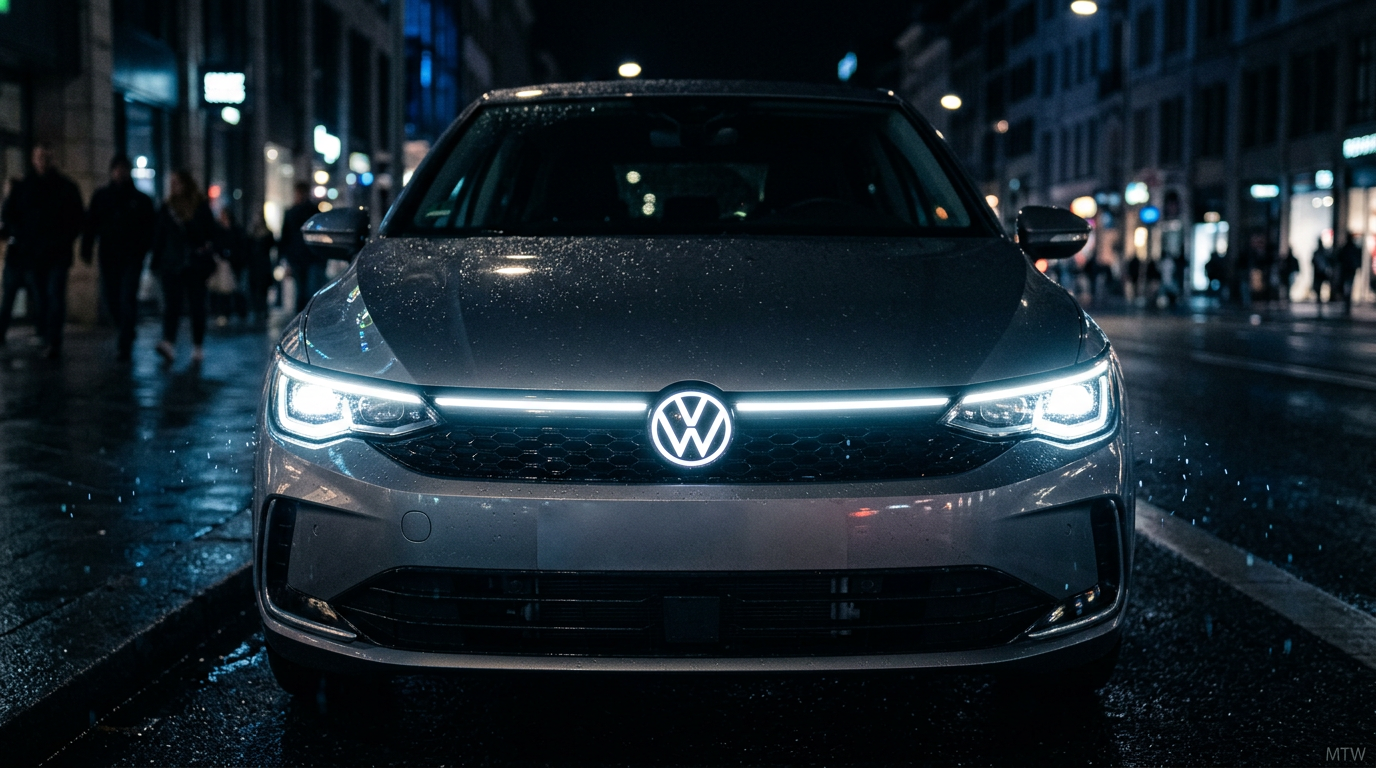
The Neo does not radically redraw the ID.3. It tightens the proportions, updates the light signature, and polishes the quality of the cabin plastics that reviewers slated on the original. That is a confident move for a refresh. Volkswagen has not panicked and gone weird. It has accepted that the underlying car had good bones and that what it actually needed was the version that does not feel like a prototype.
Pricing is the quiet weapon
The sharpest move is pricing. Volkswagen is pitching the ID.3 Neo against Chinese newcomers, not against German premium rivals. That is an honest read of the European market in 2026. Consumers are not pining for a premium German EV badge if the product ends up expensive and flaky. They are pining for a good, mid-priced hatchback with proper build quality and a charging story that does not require a PhD.
| Dimension | Original ID.3 (2021) | ID.3 Neo (2026) |
|---|---|---|
| Software | Half-shipped | Substantially rebuilt |
| Controls | All-screen | Real buttons restored |
| Range claim | WLTP theatre | Real-world motorway |
| Positioning | Tesla chaser | Chinese-rival priced |
What VW still has to prove
Dealer and service readiness remain the weak spot for legacy European manufacturers selling EVs. The ID.3 Neo’s software improvements do not help if a routine warranty job still leaves a customer waiting three weeks for a module. Volkswagen has to close that gap, and the April 15 messaging is conspicuously quiet on service operations. That is the chapter to watch.
Verdict
The ID.3 Neo is the car Volkswagen should have launched in 2021. That it has finally arrived is welcome. That VW is now pricing and positioning it like a company that knows it is on its final shot at winning middle-market European EV buyers is even more welcome. This is an apology delivered as hardware, and the hardware is good enough that the apology is accepted.
Related reading on MTW
Buyer action
Where to buy or check next
Use this as the final check before ordering a phone, changing network or trusting a headline monthly price.








Reader discussion
Leave a comment
Comments are moderated. Keep it useful, accurate, and on topic.