An ECG trace on your wrist is only ever as good as the regulator that signed it off — and in 2026 that single fact quietly reorders the entire UK smartwatch shortlist. The sensor bragging rights that fill a launch keynote mean very little until a health authority has cleared the algorithm behind them, which is exactly the distinction a peer-reviewed review of consumer wearables keeps drawing: cleared heart-rhythm and blood-oxygen sensing is a different class of feature from the raw optical readouts that anyone can print on a box. So before you weigh straps and screen sizes, it is worth being ruthless about which watches actually earn the “health tracker” label in Britain — and which just wear the costume.
I want to be plain about my angle. For health tracking specifically, I would not shop on aesthetics or battery bragging or even ecosystem loyalty first. I would shop on the sensor suite and its regulatory standing, then let everything else break the tie. Spend the money on sensors that are actually switched on where you live, in other words, not on a spec-sheet line that turns out to be dormant the moment it crosses the Channel. On that test, three watches separate themselves this year — the Apple Watch Series 11 at around £399, Samsung’s Galaxy Watch 8 at roughly £319 and Google’s Pixel Watch 3 at about £349 — and the gaps between them are more interesting, and more decided by the phone already in your pocket, than the marketing lets on.
Why the sensor list matters more than the spec sheet
Every modern smartwatch counts steps and estimates heart rate. That is table stakes, and it is also where the health story ends for the cheaper tier. The features that change how you actually manage your health — a single-lead ECG that can flag atrial fibrillation, blood-oxygen (SpO2) tracking that hints at overnight breathing trouble, and increasingly on-wrist blood-pressure work — sit behind medical clearances, and clearances are geographic. A sensor that is live in the United States can be dormant in Britain, and the reverse happens too. Clearance is granted market by market and feature by feature, so the same physical watch can behave like a medical device on one side of a border and a fitness toy on the other. That is why a UK buyer cannot simply read an American review and assume the watch behaves identically on their wrist.
It is also why I treat the phrase “has an ECG” with suspicion until I know the feature has been cleared for the market I live in. The hardware being present is not the same as the feature being switched on — a distinction that has caught out plenty of grey-import buyers who found the headline sensor greyed out in the UK app. If you have ever compared two nearly identical watches and wondered why one felt so much more useful, this is usually the reason, a point I made when weighing up the Galaxy Watch 8 and Apple’s Series 11 head to head.
Here is how the three that matter line up on the sensors themselves — and the money — before ecosystem loyalty muddies the picture:
| Sensor / factor | Apple Watch Series 11 | Samsung Galaxy Watch 8 | Google Pixel Watch 3 |
|---|---|---|---|
| Typical UK RRP | From ~£399 (Apple UK) | From ~£319 (Samsung UK) | ~£349 (41mm) |
| Single-lead ECG | Yes, cleared | Yes, cleared | Yes, cleared |
| Blood-oxygen (SpO2) | Yes | Yes | Yes |
| On-wrist blood pressure | No | Yes (cuff-calibrated) | No |
| Works with | iPhone only | Android (best on Samsung) | Android |
| Advanced insights | Apple Health, no subscription | Samsung Health, no subscription | Fitbit; deepest analysis needs Google Health Premium |
| Where I’d land | iPhone owners wanting the widest cleared suite | Android owners who want blood pressure | Android owners wanting cleared ECG/SpO2 for ~£50 less |
Apple Watch Series 11: the regulatory heavyweight
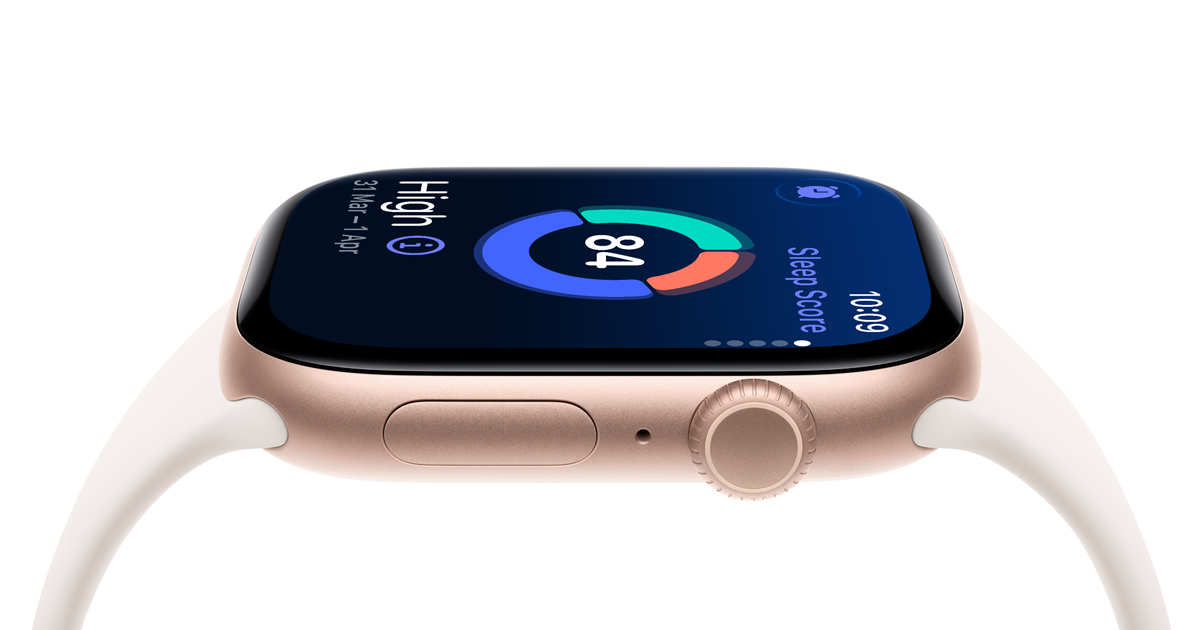
If your priority is the widest set of cleared health sensors available to a British buyer, the Apple Watch Series 11 — starting at around £399 from Apple’s UK Series 11 page — is the one to beat. It carries both ECG and blood-oxygen sensing, and, the part that matters for us, it holds European Economic Area approval alongside its US FDA clearance. That means the marquee features are not stranded behind a border; they are meant to work here, on a UK watch, out of the box, rather than waiting on a software update that may never arrive. There is a UK-specific silver lining too: the SpO2 wrinkle that dogged US Apple Watches during the Masimo patent dispute never applied in Britain, so blood-oxygen has stayed switched on here throughout.
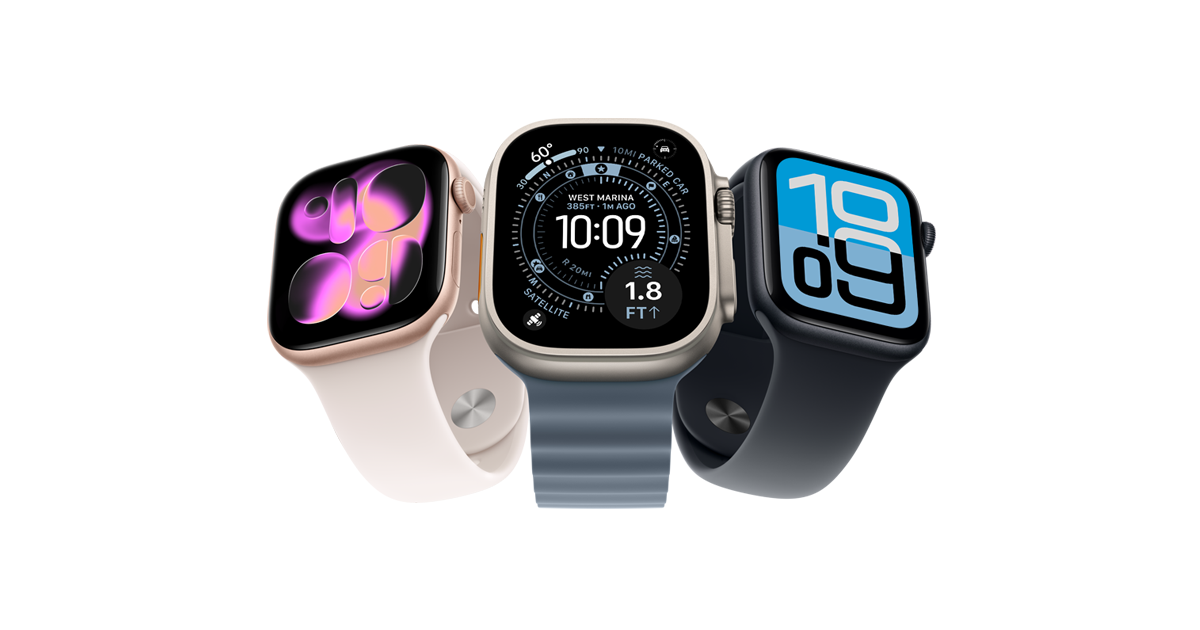
What that £399 buys you in practice is confidence rather than novelty. The ECG is not a party trick; it is a genuinely reviewed tool for spotting an irregular rhythm, and the blood-oxygen data slots into a broader picture of sleep and recovery rather than sitting in isolation. It is the closest a mainstream watch comes to a pocket clinic, and Apple’s advantage is less about any single sensor than the fact that the whole suite is cleared, coherent and carries no ongoing fee — you pay once and the analysis is yours. For a lot of iPhone owners the story could reasonably end there.
The catch is the one it always is with Apple: it is an iPhone accessory, full stop. Pair it with an Android phone and it simply will not work — there is no companion app, no partial functionality, nothing. So the Series 11’s dominance on sensors comes with an ecosystem tax that has nothing to do with your heart and everything to do with the handset already in your pocket. If you are an iPhone owner that £399 is money well spent; if you are not, it is the end of the conversation, whatever the price.
The hardware being present is not the same as the feature being switched on — and in health tracking, that gap is the whole ballgame.
Samsung’s sensor stack, and the blood-pressure question
Samsung’s health credentials run deeper than most people give them credit for, built up across successive Galaxy Watch generations. At roughly £319 from Samsung’s UK watch store, the Galaxy Watch 8 undercuts the Series 11 while offering something Apple still does not: Samsung was the mainstream brand that brought ECG, blood-oxygen and, crucially, on-wrist blood-pressure monitoring to UK wrists, and that last sensor is what separates its ambitions from Apple’s. Blood pressure is the vital sign most of us should track and almost none of us do, and Samsung has been the mainstream maker most willing to chase it on a watch and keep it in the current line-up.
There are real strings attached, and I would not gloss over them. Samsung’s blood-pressure feature has historically leaned on periodic calibration against a traditional cuff — you re-calibrate every few weeks against a proper upper-arm monitor — which turns it into a trend tool rather than a set-and-forget clinical reading. It is also happiest inside Samsung’s own software and phone ecosystem, so an iPhone owner gets nothing from it and even non-Samsung Android phones lose some of the polish. But if you are an Android user who genuinely wants blood-pressure awareness on your wrist — not just heart rate and rhythm — the roughly £80 you save against the Series 11 buys you a sensor Apple does not offer at any price. Samsung remains the obvious first stop, and the direction of travel is clear: the sensor race is quietly becoming a blood-pressure race, and Samsung got there first.
Google Pixel Watch 3: the Android pick that punches above its badge
Here is where the 2026 shortlist gets genuinely interesting. The Google Pixel Watch 3 carries both cleared ECG and blood-oxygen sensing, and at about £349 for the 41mm model it typically sits below the Apple and Samsung flagships at UK retailers rather than alongside them — call it £50 under the Series 11. That is not nothing for a value-minded buyer: you are getting the two sensors that do the heavy lifting for most people without paying the top-tier price the marketing conditions you to expect.
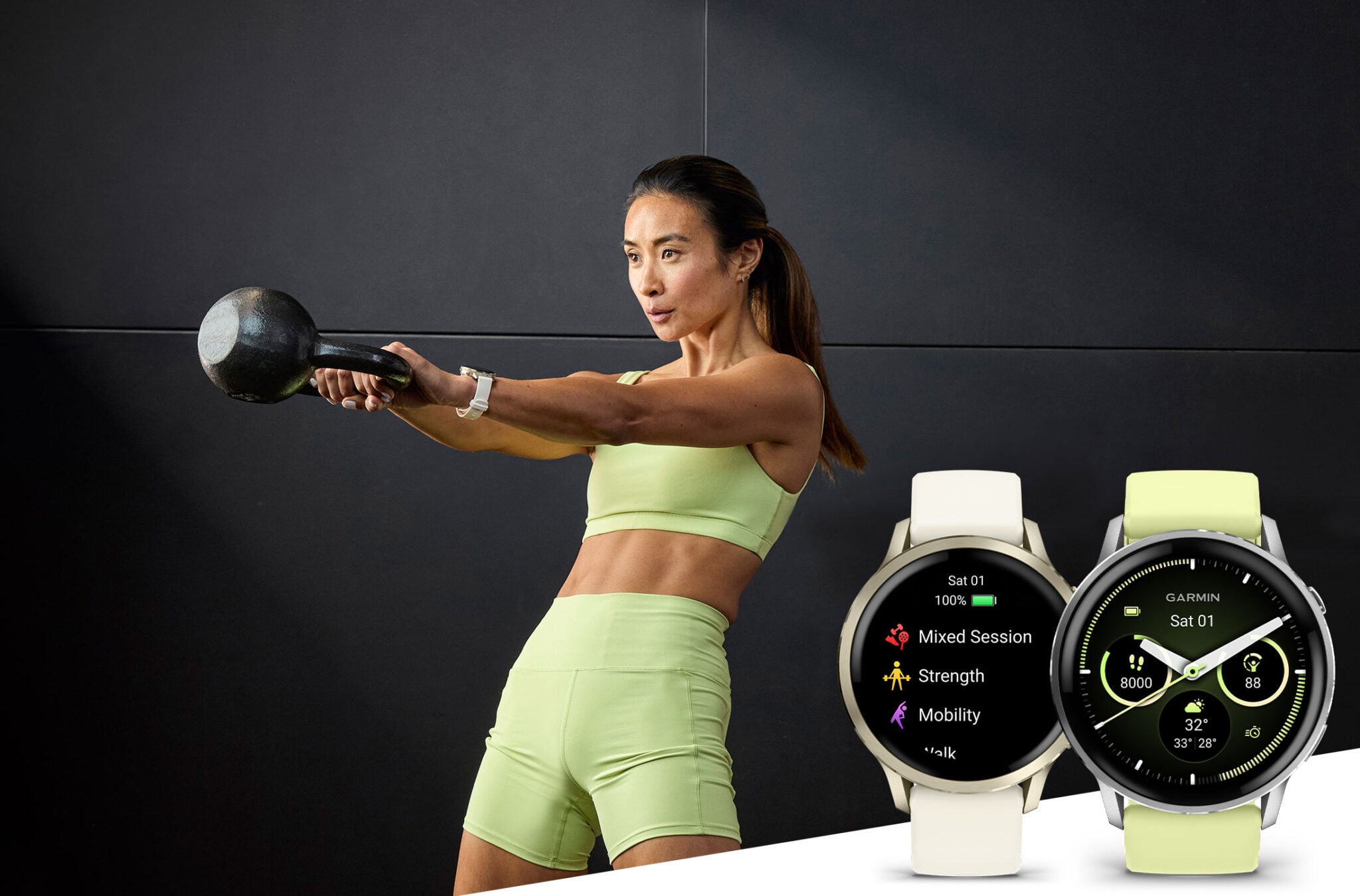
I am wary of leading with price, because “cheap” is the wrong lens for a health device — you want the sensors to be trustworthy, not merely present and not merely affordable. The Pixel Watch 3’s case is that it does not ask you to compromise on the sensors that matter to hit a friendlier number. ECG and SpO2 are both there, wrapped in Google’s Fitbit-derived health platform, and the whole thing leans harder into sleep and recovery than either rival. The real trade-off is the running cost: Google’s deepest insights increasingly sit behind a subscription — the tie-up between Pixel Watch and Fitbit through Google Health Premium is where the more advanced analysis lives — so a monthly fee can quietly erode that £50 saving over a couple of years if the clever analysis is the reason you are buying at all. Buy the watch for less, then, but do the sum on the software before you assume it is the cheaper watch to own.
For an Android owner who wants cleared ECG and blood-oxygen without stretching to flagship money, the Pixel Watch 3 is the most quietly compelling option on the board this year. Here is where the £50 lands for me: if you will use the raw ECG and SpO2 readings and skip the subscription, I would pocket that difference rather than pay Apple or Samsung’s premium. If you want the deep, coached analysis, price it as watch-plus-subscription and the maths gets closer. It is the watch I keep coming back to when someone asks me to cut through the noise — with the honest asterisk that its best thinking is rented, not owned.
The bit that should actually decide it
Strip away the badges and the answer falls out of your phone, not your wishlist. If you carry an iPhone and want the broadest set of cleared sensors, the £399 Apple Watch Series 11 is the most complete health tool a British buyer can strap on, and its EEA clearance means you get the features you paid for rather than a dormant version of them. If you are on Android and blood pressure is the vital sign you care about, Samsung’s ~£319 sensor stack still owns that corner of the market, calibration caveats and all. And if you are on Android but want cleared ECG and SpO2 without the flagship outlay, the ~£349 Pixel Watch 3 is the one I would put in front of most people — provided they go in knowing the richest insights carry a subscription that can rub out its price advantage.
What I would not do is buy a health watch on its looks or its step counter and assume the medical-grade sensing follows. In 2026 the meaningful gap between smartwatches is not the screen or the strap — it is whether the sensor you are relying on has been cleared to work where you live. That, more than the £50 or £80 between these three, is what actually reads you. And it is the same instinct pushing wearables well beyond the wrist, as Apple’s hearing research nudging AirPods into public-health territory shows: the sensors are winning, but only the cleared ones count.
Buyer action
Where to buy or check next
Use this as the final check before ordering a phone, changing network or trusting a headline monthly price.



Reader discussion
Leave a comment
Comments are moderated. Keep it useful, accurate, and on topic.