UPDATED · News · 3 Jun 2026 · Claire Bennett
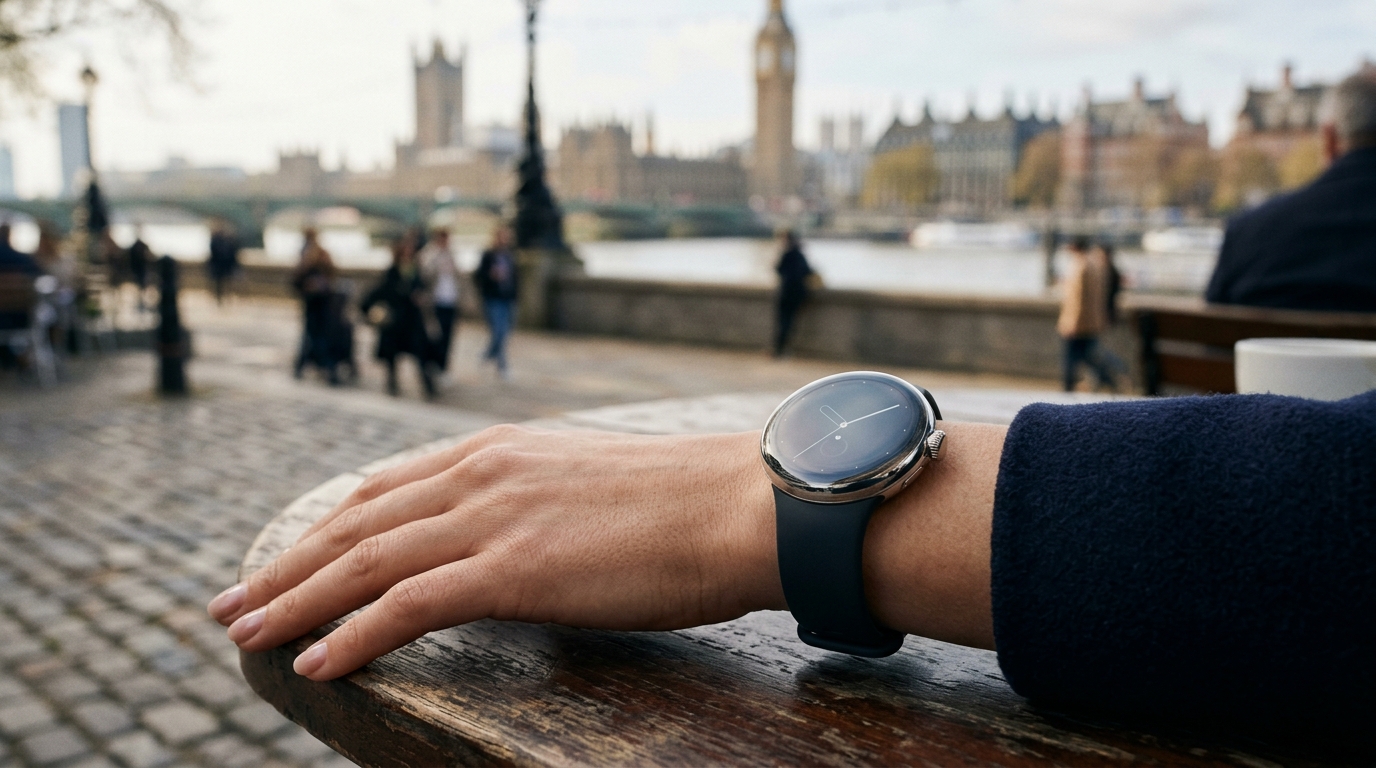
The Pixel Watch 4 UK line-up is Google’s most repairable smartwatch yet, and the first where you can buy a 41mm or 45mm case knowing the battery and display can be swapped rather than written off. It launched in Britain on 9 October 2025 with prices that held steady against the Pixel Watch 3, which makes this a rare year where a wearable upgrade did not also mean a price rise. This guide sets out what you actually pay, what the hardware delivers, and whether it is the right watch for your wrist or your Android phone.
Key facts: what the Pixel Watch 4 is and why it matters now
This is Google’s fourth-generation round smartwatch, built around a domed Actua 360 display, a Snapdragon W5 Gen 2 platform and the deepest Gemini and Fitbit integration the company has shipped on the wrist. The headline change for British buyers is not a single feature but a combination: longer battery life on the larger case, a brighter 3000-nit screen, faster charging, and a design that can finally be opened up and repaired. After three generations of sealed watches, that last point reshapes the long-term value calculation. If you have been weighing up whether the wider Gemini Intelligence Android rollout is worth buying new hardware for, the watch is one of the few places where the AI genuinely changes day-to-day use rather than sitting in a menu.
The watch runs Wear OS and pairs only with Android, so iPhone owners are out from the start. For everyone else, the question is which of the four configurations to buy and where, and that is where the UK pricing and retailer picture matters more than any single spec sheet line.
Pixel Watch 4 UK price: LTE versus Wi-Fi, and both sizes
Google set four recommended prices at launch and, unusually, none of them rose against the previous generation. The 41mm Wi-Fi model is £349, the 41mm LTE model is £449, the 45mm Wi-Fi model is £399 and the 45mm LTE model is £499. The LTE premium is a flat £100 on either size, and the jump from 41mm to 45mm is £50. That makes the cheapest way in £349 and the most expensive single watch £499 before you add bands or a care plan.
The LTE versions add a mobile data eSIM so the watch can take calls, stream and receive notifications without your phone nearby. That matters most to runners, cyclists and anyone who wants to leave the phone at home, and it is the only reason to pay the extra £100. If your watch never leaves your phone’s side, the Wi-Fi model does everything else identically. Pricing parity with the Pixel Watch 3 also means last year’s model is now heavily discounted, so the decision is partly about how much the brighter screen, faster charging and repairability are worth to you over a cheaper older watch.
On contract, the LTE watch is widely sold as a small monthly add-on rather than an upfront purchase. Vodafone, for example, lists the 45mm Pixel Watch 4 from around £20.50 a month with nothing to pay upfront, splitting the device cost across the plan and a separate connectivity charge for the smartwatch data. That spreads the cost but, as always with airtime bundles, the total over 24 to 36 months can exceed buying outright and adding a SIM-only watch plan, so it is worth doing the sum before signing.
| Spec | Detail |
|---|---|
| UK prices | 41mm Wi-Fi £349, 41mm LTE £449, 45mm Wi-Fi £399, 45mm LTE £499 |
| Case sizes | 41mm and 45mm aluminium |
| Battery life | Up to 30 hours (41mm), up to 40 hours (45mm) with always-on display |
| Battery Saver | Extends to about two days (41mm) or three days (45mm) |
| Charging | 0 to 50 per cent in 15 minutes, around 25 per cent faster than before |
| Display | Actua 360 domed OLED, up to 3000 nits brightness |
| Chip | Snapdragon W5 Gen 2 with ML co-processor |
| Durability | IP68 dust and water resistance, water resistant to 50m |
| Repairability | First Pixel Watch with replaceable battery and display |
| Software | Wear OS with Gemini, pairs with Android only |
Battery life and charging: the real-world numbers
Battery life is the single biggest practical difference between the two sizes. The 41mm watch is rated for up to 30 hours with the always-on display active, while the 45mm reaches up to 40 hours under the same conditions. Switch on Battery Saver and Google quotes roughly two days for the smaller case and around three days for the larger one. In plain terms, the 45mm is the one to choose if you want to track sleep without charging every single day, because 30 hours leaves very little headroom once you add overnight wear to a full day of use.
Charging has improved as well. Google says the watch goes from flat to 50 per cent in 15 minutes, around 25 per cent faster than the previous generation. That speed turns charging into something you do while showering or making breakfast rather than a planned event, which is exactly what makes daily sleep tracking viable. The new charging design is a pin-based dock rather than the older wireless puck, so do not assume your Pixel Watch 3 charger will carry over.
If battery anxiety is what has kept you off smartwatches, it is worth comparing the watch against a ring instead. A device like the Oura Ring 5 runs for days on a charge and disappears on the finger, though it trades away the screen, notifications and on-wrist workout control that a watch gives you. The two answer different questions, and battery life is the clearest dividing line.

Gemini and Fitbit: what the software actually does
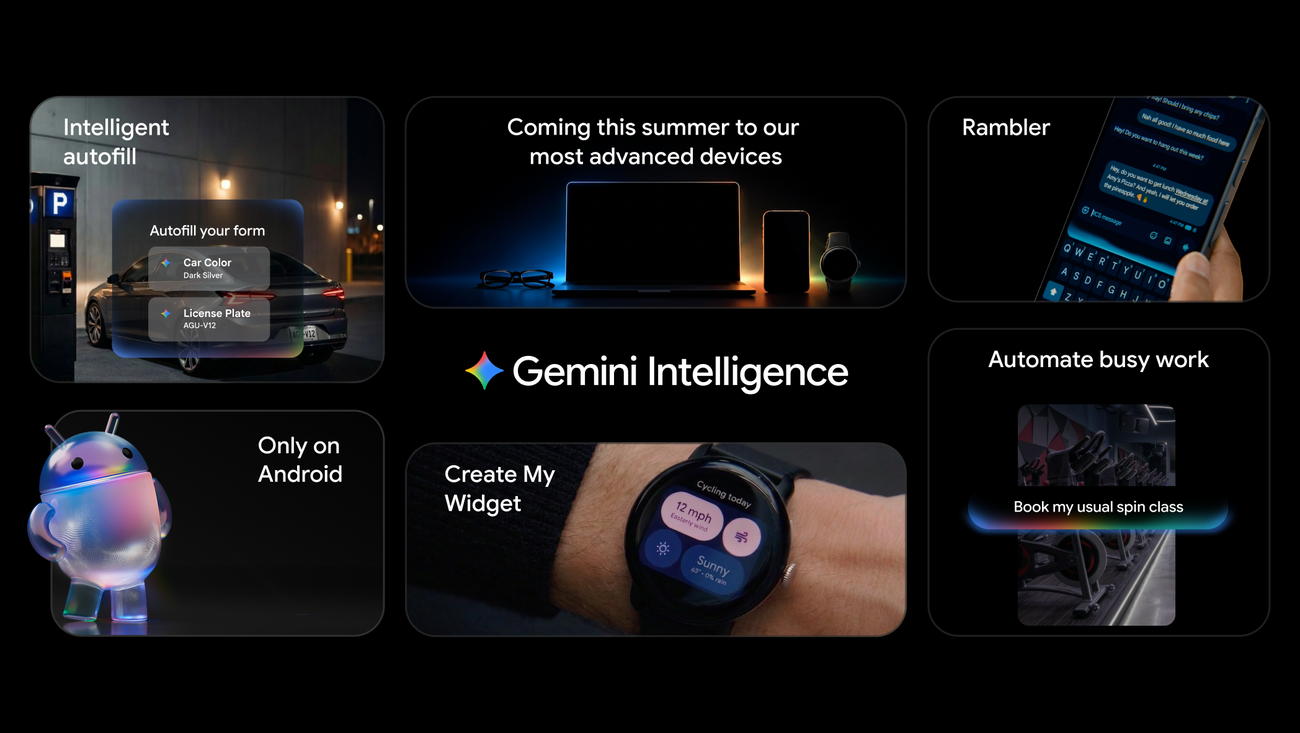
The Pixel Watch 4 is the clearest example yet of Google putting Gemini on the wrist in a way that is genuinely useful rather than a novelty. Raise to Talk lets you lift your wrist and speak a request without a wake word, and Smart Replies suggest context-aware responses to messages so you can answer from the watch without typing. These lean on the on-device ML co-processor, which is part of why Google could add them without wrecking battery life.
On the health side, the watch leans on Fitbit. Google says sleep classification is about 18 per cent more accurate at identifying your full sleep cycle, and the watch adds skin temperature sensing, dual-frequency GPS for tighter route tracking, and more than 50 exercise modes including pickleball and basketball. There is also a personal AI health coach built on Fitbit data, which Google began rolling out from late 2025. As ever with Fitbit, the most advanced insights sit behind a Premium subscription, so factor that recurring cost in much as you would when you price an Oura subscription before buying the ring.
Before you switch on the most personal Gemini features, it is worth a quick privacy audit. The same account-level controls that govern Gemini app privacy settings UK users should check apply to the assistant on your wrist, since the watch is tied to the same Google account as your phone.
Software support is the other half of the value story. Google commits to multiple years of Wear OS and security updates on Pixel Watch hardware, which keeps the watch current well beyond the typical two-year phone cycle and is part of what justifies buying into the platform rather than a cheaper one-off fitness band.
Repairability: why the news here actually matters
For the first time on a Pixel Watch, the battery and display are replaceable rather than sealed for life. That sounds like a footnote until you consider how smartwatch batteries degrade. Two or three years in, capacity drops and the watch that comfortably lasted a day no longer does. On earlier sealed models that meant replacing the whole device. On the Pixel Watch 4, a battery swap can restore it, which changes the maths on keeping the watch for four or five years rather than two.
This lands at a moment when right-to-repair expectations are rising across consumer tech, and it is a genuine point of difference against rivals that still glue everything shut. It does not mean you should attempt a kitchen-table repair, and out-of-warranty service still costs money, but the option existing at all improves long-term value and resale. If you tend to keep devices until they genuinely wear out, this is the spec that quietly matters most.
Pixel Watch 4 versus Apple Watch and Galaxy Watch for UK buyers
The single hard rule is platform. The Pixel Watch 4 pairs with Android only and the Apple Watch pairs with iPhone only, so for most people the phone in your pocket decides the watch on your wrist before any feature comparison begins. If you are on iPhone, the Pixel Watch is simply not an option, and the relevant fight is between Apple’s own models. If you are weighing a full ecosystem switch, our look at the best iPhone alternative for UK buyers covers the phone side of that decision.
Within Android, the real rival is Samsung’s Galaxy Watch. Both run Wear OS, both lean on AI assistants, and both offer LTE and standard variants. The Pixel Watch 4 pulls ahead on the cleaner Gemini integration and the deeper Fitbit health stack, plus the new repairability. Samsung counters with its rotating bezel on some models, tighter integration with Galaxy phones, and body composition measurement. If your phone is a Galaxy, a Galaxy Watch will feel slightly more native, much as a Pixel phone is the natural partner for the Pixel Watch. The same buy-with-the-ecosystem logic runs through our Pixel 10 Pro versus iPhone 17 Pro comparison, where the phone choice cascades down into accessories.
Against the Apple Watch specifically, the Pixel Watch 4 holds its own on screen brightness and now on repairability, while Apple retains an edge in raw app ecosystem depth and resale value. None of that helps an iPhone owner, but it is reassuring for Android buyers worried they are settling for second best. They are not.
Who should buy the Pixel Watch 4 and who should wait
Buy it if you own an Android phone, want a polished round smartwatch, and value the Gemini and Fitbit combination plus the new repairability. The 45mm is the better all-rounder thanks to its 40-hour battery, while the 41mm suits smaller wrists and shaves £50 off. Choose LTE only if you genuinely train or travel without your phone, otherwise save the £100.
Wait, or look elsewhere, if you are on iPhone, since the watch will not pair at all. Consider waiting too if you already own a Pixel Watch 3, because the year-on-year jump is meaningful but not transformative, and the older model now sells at a discount. If your main goal is sleep and recovery tracking with minimal fuss, a ring may suit you better than any watch. And if you are still deciding which Android phone to pair it with, our picks for the best mid-range Android phone under £500 are a sensible starting point before you spend on the watch as well.
Where to buy or check next in the UK
The Pixel Watch 4 is sold through the Google Store UK and the major high-street and online retailers, so it pays to compare before you commit. On the Google Store you get the full colour and band range, trade-in offers and Google’s own warranty, which is the safest route if you want every configuration in one place. Currys stocks both sizes and both connectivity options, often with delivery or order-and-collect, and is worth checking for bundle pricing and any care-plan add-ons. John Lewis lists the GPS models with its longer guarantee, which is a genuine reason to pay list price there if peace of mind matters to you. Argos is the one to check for fast same-day collection if you want the watch today rather than waiting on delivery.

For the LTE versions, the mobile networks are the place to look. EE and Vodafone both offer the cellular Pixel Watch 4 as a monthly add-on, with Vodafone listing the 45mm from around £20.50 a month at £0 upfront, while Three is worth a quick price-check for its own smartwatch plans. Whichever retailer you choose, confirm four things before paying: the exact size and connectivity variant, the delivery or collection date, the returns window, and the warranty or guarantee length, since these differ between the Google Store, the high-street chains and the networks.
Our verdict
The Pixel Watch 4 is the easiest Pixel Watch to recommend so far, and our view is that most Android owners shopping at this price should buy the 45mm Wi-Fi model at £399. It gives you the 40-hour battery, the brighter screen and the faster charging without the £100 LTE premium that only a minority will use. Hold prices steady against the Pixel Watch 3 and add genuine repairability, and Google has improved the long-term value rather than just the spec sheet.
We would steer iPhone owners away entirely, because the watch will not pair, and we would tell happy Pixel Watch 3 owners to wait unless the brighter screen or replaceable battery specifically solves a problem they have. What would change our recommendation is a sustained discount on the LTE models or a clearer Fitbit Premium bundle, either of which would shift the value equation. As it stands, the 45mm Wi-Fi is the sweet spot and the watch we would put on our own wrist.
| What we like | What we’d watch |
|---|---|
| Prices held flat against the Pixel Watch 3, from £349 | Top Fitbit health insights still need a Premium subscription |
| Replaceable battery and display improve long-term value | 30-hour 41mm battery is tight for daily sleep tracking |
| Bright 3000-nit screen and fast 0 to 50 per cent in 15 minutes | Android-only, so no option at all for iPhone owners |









Reader discussion
Leave a comment
Comments are moderated. Keep it useful, accurate, and on topic.