Nikon Zf review in 2026: the retro full-frame UK enthusiasts still love
Nikon Zf review: at its new £1,949 UK price the retro full-frame with Z8-class EXPEED 7 brains is one of the easiest enthusiast buys Nikon sells.
This Nikon Zf review starts with a number that changes the whole argument: as observed on the Nikon UK product page on 21 June 2026, the silver body (VOA123AE) now lists at £1,949, down from its £2,299 launch RRP, with independent UK retailers hovering around £1,899. That is a £350-plus haircut on a camera that already punched well above its price, and it is the reason I keep recommending the Zf to enthusiasts who were waiting for the right moment.
The short version before you read on
UK price now £1,949 body-only on Nikon UK (was £2,299 RRP), roughly £1,899 at independents as of 21 June 2026.
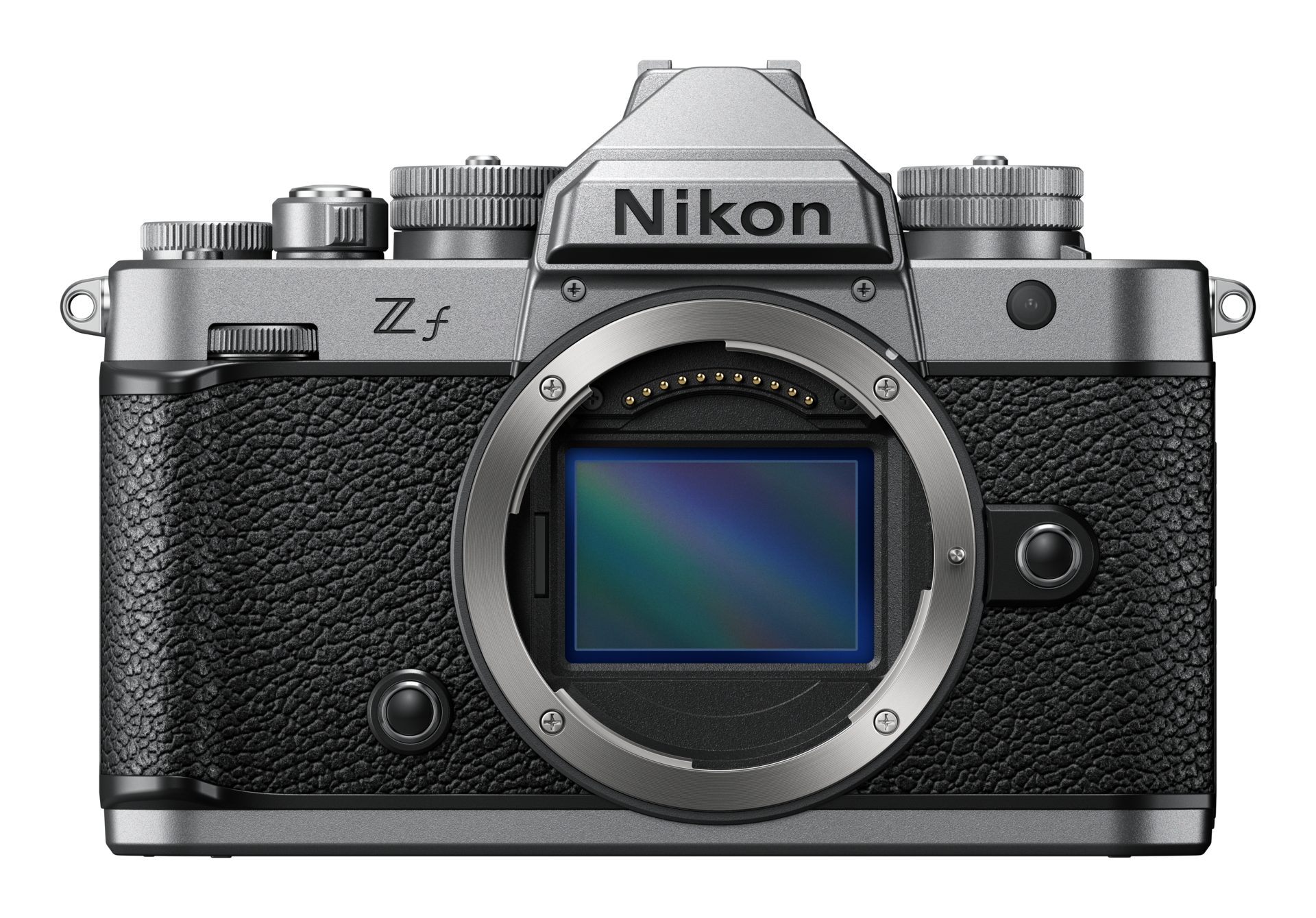
24.5MP full-frame BSI CMOS paired with the EXPEED 7 processor, the same engine as the Z8 and Z9.
Up to 8 stops of in-body stabilisation, 4K UHD oversampled from 6K, plus 4K/60p and FHD/120p slow-mo with N-Log 10-bit internal.
FM2-inspired styling, seven colours including black and Sunset Orange, ISO 100 to 64,000.
The catch: a modest CIPA rating of around 380 shots per charge.
Why the price cut matters more than the spec sheet
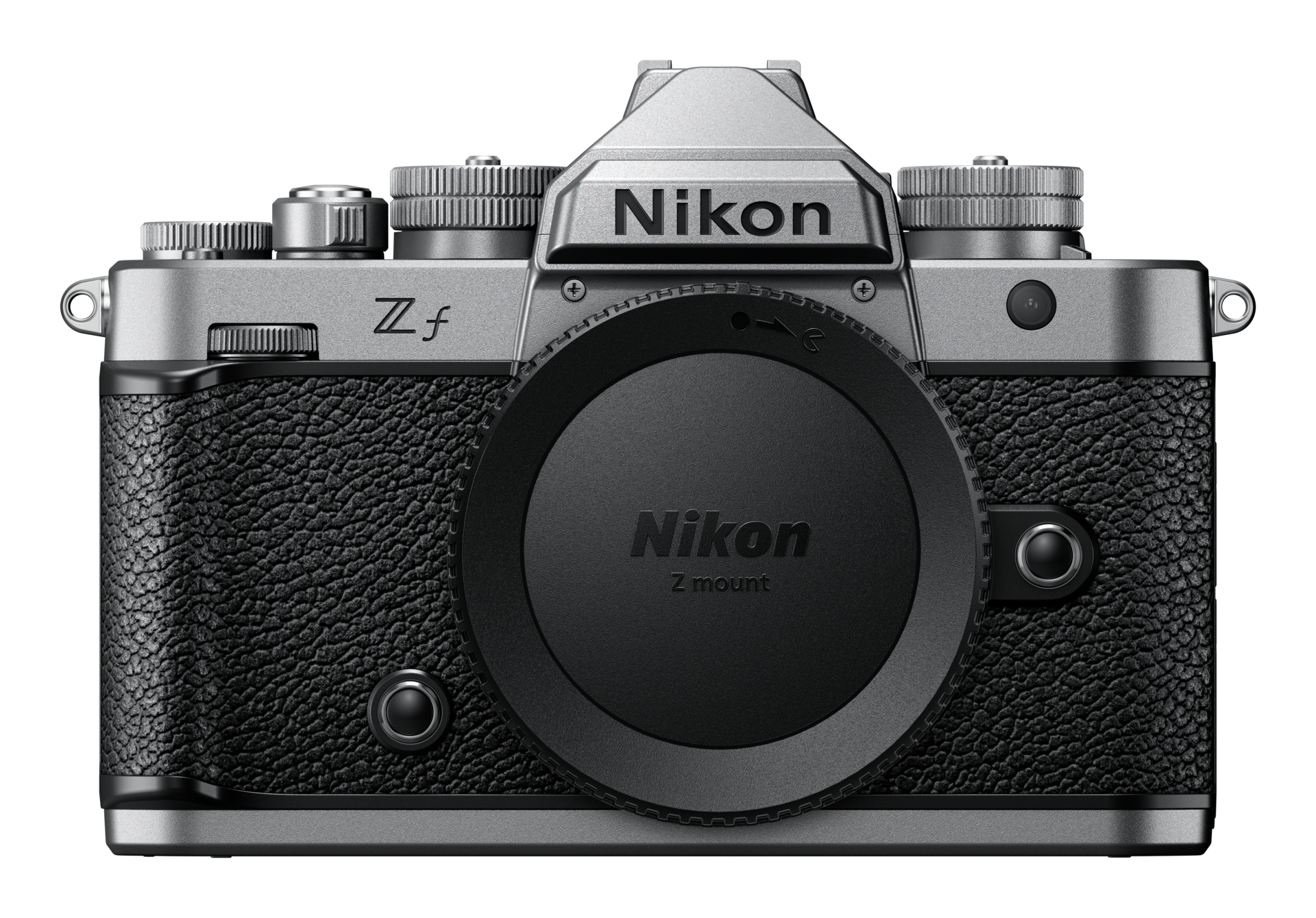
When the Zf launched in September 2023, the pitch was simple: take the flagship guts of the Z8 and Z9, wrap them in a body styled on the 1982 Nikon FM2, and sell it for less than the cameras it borrowed from. That was already good value. At £1,949, with some shops a shade under £1,900, it has quietly become one of the strongest full-frame buys Nikon sells in the UK right now. The styling gets all the attention, but I would be buying it for the EXPEED 7 processor, because that is what separates a charming retro toy from a camera you can actually work with.
That same engine drives the Z8, so the autofocus subject detection, the deep-learning tracking and the buffer behaviour all feel a generation ahead of where a camera at this price usually sits. If you have read my Nikon Z6 III review, you will know I rate that body highly too, but the Zf gives you a large slice of the same brains for noticeably less money, which is exactly why the price drop reframes the whole conversation.
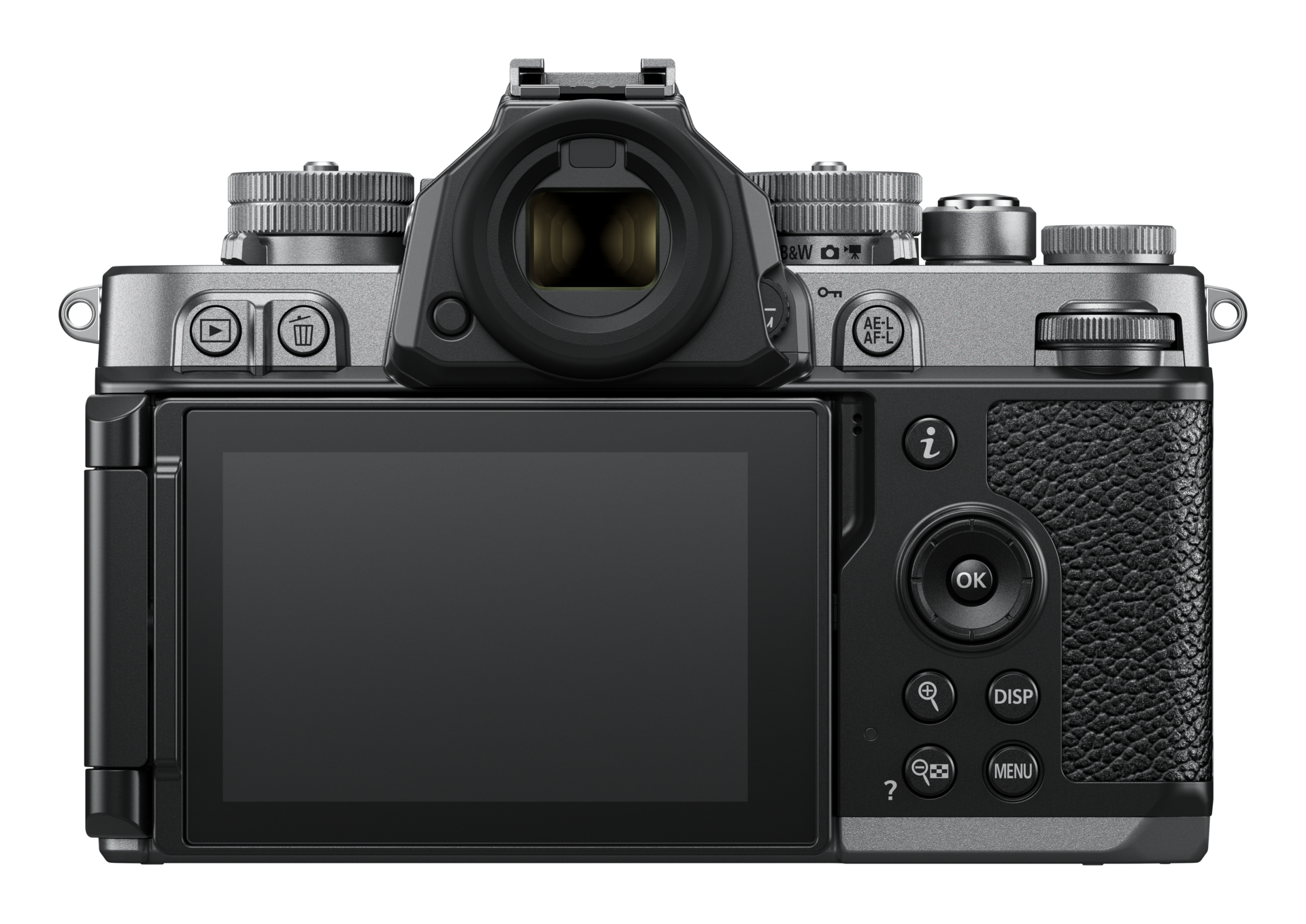
Image: Nikon
The dials, the feel and the stuff you touch
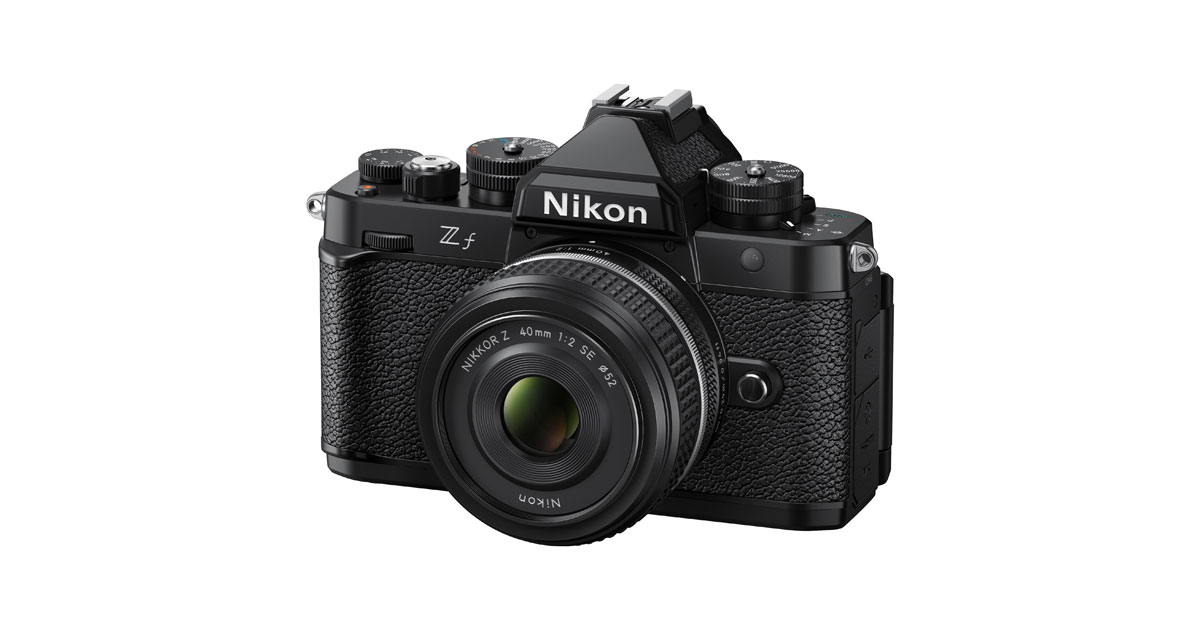
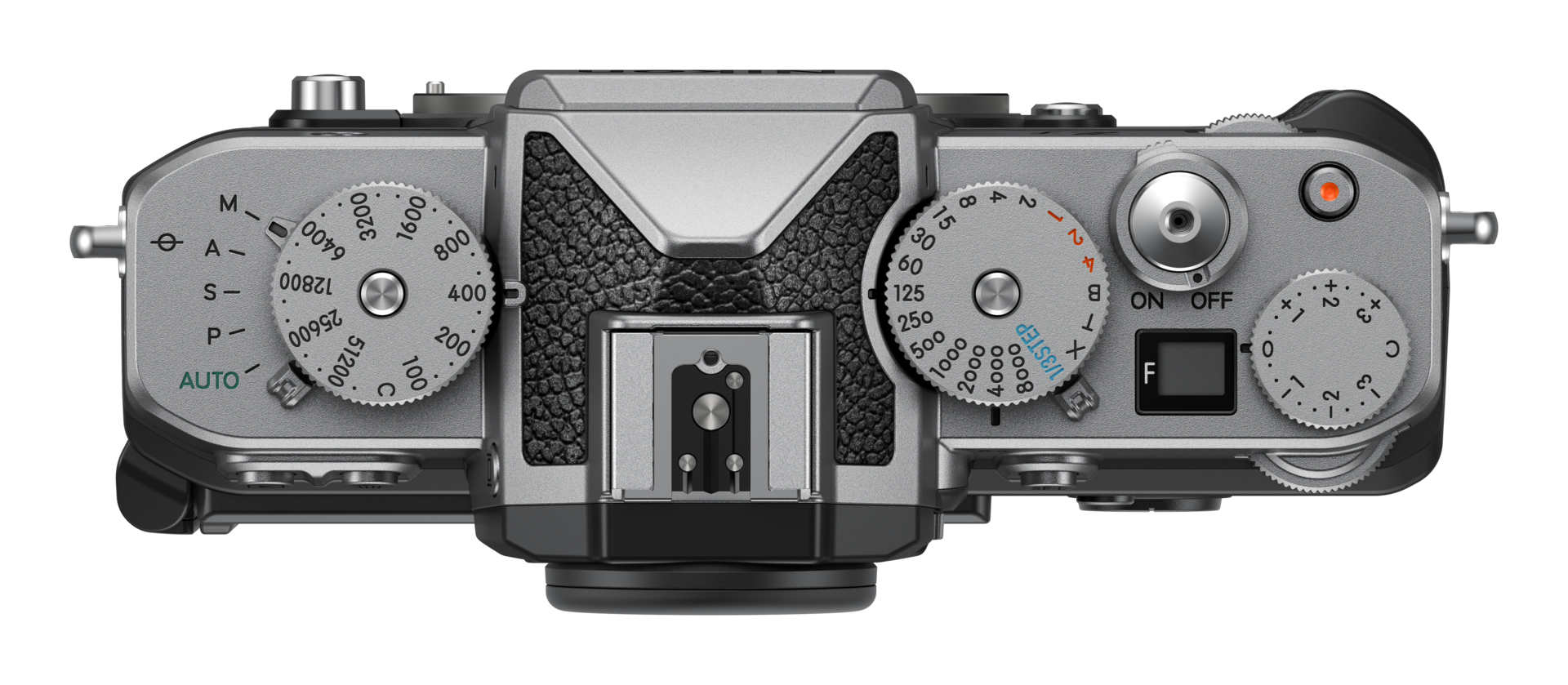
The Zf leans hard into physical controls: dedicated top-plate dials for shutter speed, ISO and exposure compensation, plus a small front switch for stills, video and black-and-white. It is the kind of camera that asks you to slow down and think, in a way that a mode-dial mirrorless body rarely does. For photographers coming from a Leica or a film SLR, that tactility is the whole point, and if that is your itch I would also point you at the Leica Q3 43, though it costs roughly three times as much.
It is not all charm. The grip is shallow, so heavier lenses tip the balance forward, and the single full-size SD slot sits alongside a slower microSD slot rather than dual SD. None of that is a deal-breaker at this price, but it is the trade you make for a body shaped like a 1980s SLR. The up-to-8-stops of IBIS does a lot of heavy lifting here, letting me imagine hand-held work in low light that would have meant a tripod a few years ago.
The Zf is the rare retro camera where the nostalgia is skin-deep and the engineering underneath is genuinely current.
Image: Nikon
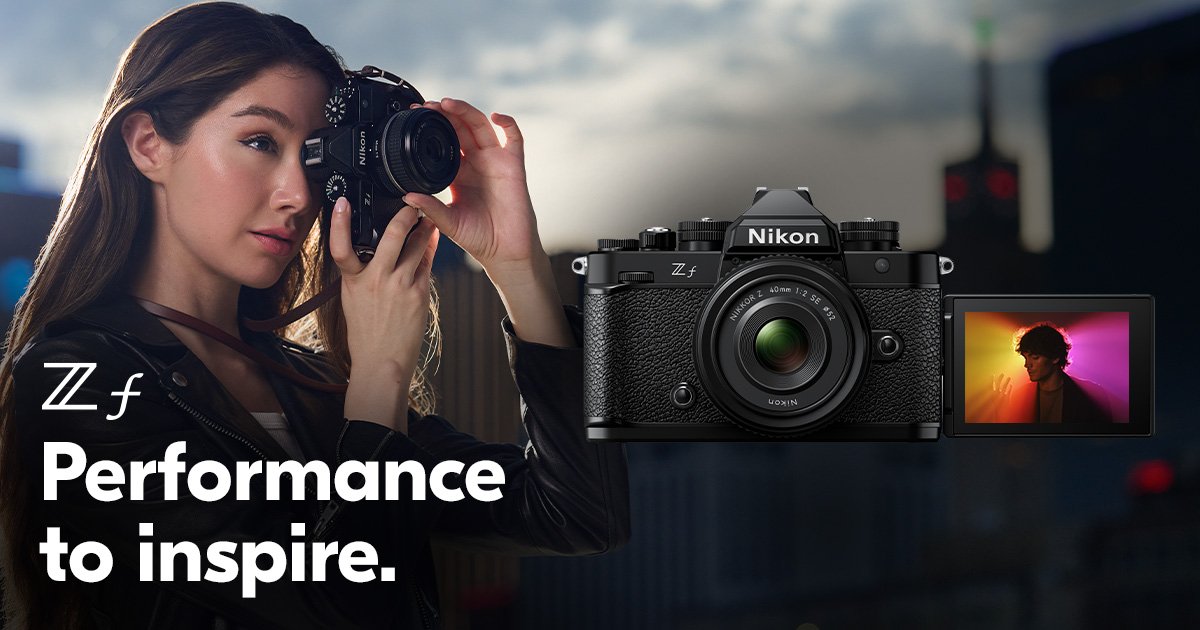
The vari-angle touchscreen is the sensible modern concession, and it is the right call for a body people will use for vlogging and waist-level street shooting alike. Pair the colour science with a proper editing workflow and the files hold up beautifully; if you are weighing up where to take those RAWs, my Capture One versus Lightroom comparison is a good next read, and budget-minded shooters should glance at one-off photo software for UK photographers before committing to another subscription.
Video chops that punch above the styling
It would be easy to write the Zf off as a stills-first nostalgia piece, but the video specs are serious. You get 4K UHD oversampled from 6K at 24 and 30p, full-width 4K/60p, FHD slow-mo up to 120p, and N-Log 10-bit recording internally with clips running up to roughly 125 minutes. That is a properly capable hybrid set-up for a body at this price, and it is why I would put the Zf in front of someone shooting short films or social video, not just family photos.
Image: Nikonusa
If video is the priority over retro looks, the Panasonic Lumix S1 II is the obvious alternative to cross-shop, and Canon shooters should keep an eye on the Canon EOS R6 Mark III. But for the money, the Zf gives you a genuinely flexible video toolkit wrapped in a body you will actually want to carry.
Out of the box the Zf produces clean, low-noise files through to ISO 64,000, and Nikon’s monochrome mode is more than a gimmick if you commit to it. Heavy edits and noisy high-ISO frames clean up nicely with modern tools, and if you shoot a lot in the dark it is worth pairing the camera with software like Topaz Photo AI.
Image: Nikon
The battery problem, and the Zf II question
I am not going to soft-pedal the one real weakness: the CIPA battery rating is a modest 380 shots per charge. In practice you will get more than that mixing electronic-viewfinder and screen use, but it is well short of what a chunkier mirrorless body delivers, and for a day of heavy shooting you will want a spare battery or two in the bag. For a camera you carry all day, that is the compromise you sign up for in exchange for the slim FM2 silhouette.
The obvious counter-question is whether you should hold out for a successor. There is chatter online about a “Zf II”, but as of now that is unconfirmed rumour, theorised for September 2026 at the earliest, with nothing official from Nikon. I never tell people to buy on the promise of a camera that does not exist. If the FM2-inspired body, the EXPEED 7 brains and the new lower price suit what you shoot today, waiting an unknown number of months for an unannounced model that may launch at a higher RRP is a poor trade. If you would rather chase a larger grip and longer battery life, the Z6 III is the in-family step up, and that is the genuine fork in the road here.
Where I land on the Nikon Zf in 2026
At £2,299 the Zf was a likeable camera with a clever heart. At £1,949, with retailers nudging it under £1,900, it becomes one of the easiest full-frame recommendations I can make to an enthusiast who values how a camera feels as much as what it spits out. You are getting flagship-class processing, seriously good video and that tactile FM2 character for the kind of money that buys a far more anonymous body elsewhere. The shallow grip and 380-shot battery keep it from a perfect score, but neither would stop me handing over my own money. If you have been circling the Zf since 2023, the price you waited for has arrived, and I would not bank on a successor undercutting it.
We use cookies to make this site work, measure how it is used, and (with your consent) personalise advertising. Strictly necessary cookies always run. Analytics and advertising cookies run only if you accept. See our Cookie Policy and Privacy Policy.
MobileTechWorld Ltd — Companies House registration 16224011. Independent UK technology publisher since 2009.







Reader discussion
Leave a comment
Comments are moderated. Keep it useful, accurate, and on topic.