Nikon Z6 III review in 2026: is the partially-stacked hybrid still worth it in the UK?
The number that still makes me pause is £2,699. That was the body-only UK launch price Nikon put on the Z6 III back in June 2024, and as photographyblog.com noted in its review, it shoved what used to be Nikon’s sensible all-rounder line straight into premium territory — north of the cameras it was meant to fight. Two years on, with the same body still on shelves at Wex and Park Cameras, the question for anyone with that kind of money to spend in 2026 is simpler and harsher: does the headline trick still earn the premium, or are you paying for a 2024 talking point?
Let me deal with that trick first, because everything else hangs off it.
A world-first sensor — and why it actually matters
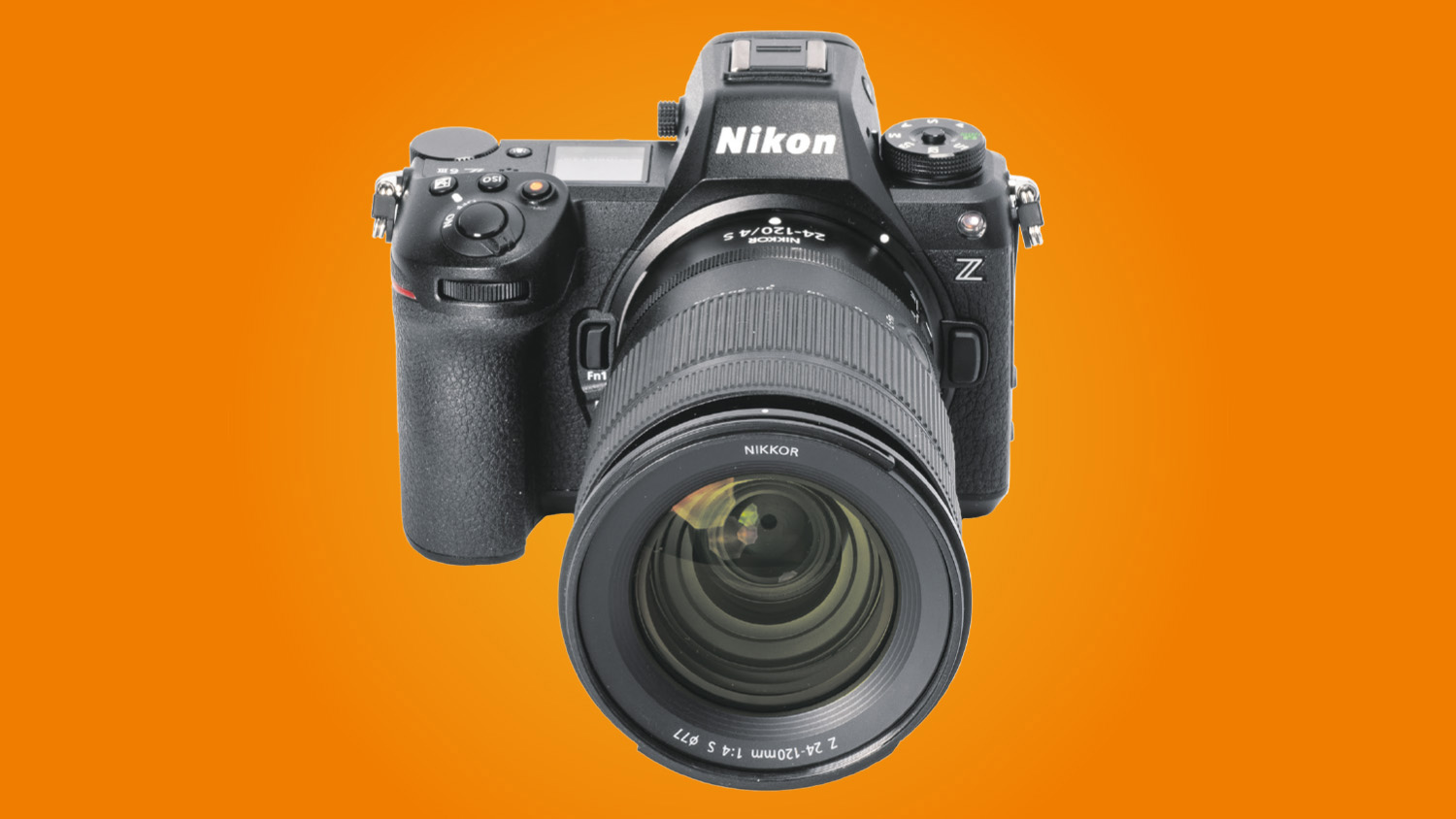
The Z6 III launched with a 24.5MP partially-stacked CMOS sensor, a genuine world-first that Nikon’s own UK listing still leads with. The jargon hides a real engineering decision. A fully stacked sensor — the kind in the Z8 and Z9 — is fast but expensive. A conventional sensor is cheap but sluggish to read out, which is where rolling-shutter skew and viewfinder lag come from. Partially stacked is Nikon splitting the difference: bolt the fast readout circuitry onto the top and bottom edges only, get most of the speed benefit, keep the cost down.
The pay-off is readout speed you simply did not get at this price before. Pair it with the EXPEED 7 processor — the very same brain that drives the flagship Z8 and Z9, as trustedreviews.com confirms — and you have a 24-megapixel body punching well above its class on the things that are hard to fake.
Image: Techradar
The speed you’re paying for
On paper this is where the Z6 III earns its keep. You get 20fps shooting in RAW, 60fps in JPEG, and 14fps with the mechanical shutter when you want zero rolling-shutter risk. For video it shoots 6K/60p RAW internally, plus 4K/120p with a crop. Those are numbers photographynews.co.uk worked through in its in-depth review, and they read like a spec sheet borrowed from a body costing considerably more.
This is the heart of why I rate it as a hybrid. A wedding or events shooter gets burst rates that keep up with fleeting expressions; a filmmaker gets internal RAW capture that, not long ago, meant strapping an external recorder to a rig. The Z6 III asks you to make far fewer compromises between the two jobs than a camera at this price has any right to. That “all-rounder” framing the launch reviews kept reaching for is, for once, earned rather than marketing.
The partially-stacked sensor wasn’t a gimmick to sell a 2024 launch — it was Nikon handing the hybrid shooter near-flagship pace for hundreds less than a Z8.
Image: Techradar
The bits you actually touch
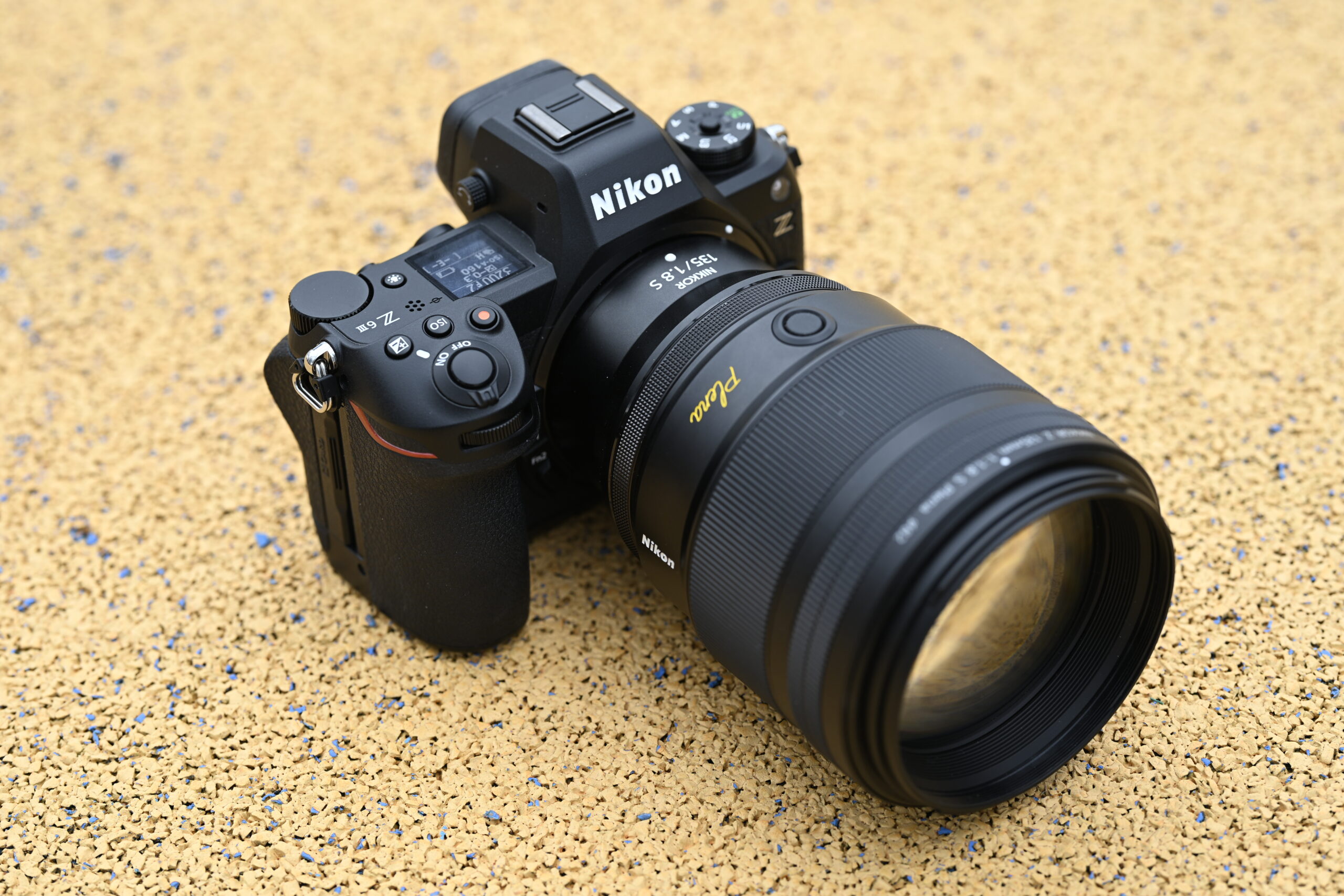
Specs win arguments; handling wins loyalty. Here the Z6 III makes two upgrades I’d notice every single day. The electronic viewfinder jumps to a 5.76M-dot OLED panel — a clear step up from the Z6 II’s 3.69M-dot finder, and one photographyblog.com singles out as one of the brightest going. The rear screen switches to a 3.2-inch, 2.1M-dot fully articulating LCD, ditching the old tilt-only design. If you shoot video, vlog, or work at awkward angles, a vari-angle screen is the difference between getting the shot and contorting yourself around the camera.
Stabilisation gets the other meaningful bump: 8 stops of in-body IBIS, up from 5 on the Z6 II. That is not a rounding error — it is the gap between handholding a half-second exposure with a prayer and doing it with confidence. Add autofocus rated down to -10 EV — focusing in light barely brighter than a candle in another room — and the Z6 III becomes a properly capable low-light tool. All of this sits in a 748g body that is noticeably lighter than the 910g Z8, which is the whole point: most of the flagship’s nervous system in something you’ll happily carry all day.
How it stacks up against Canon and Sony
At launch the natural rivals were Canon’s EOS R6 Mark II and Sony’s A7 IV, and the Z6 III sat above both on price — a point theshortcut.com made plainly. That premium was the sticking point in 2024, and it’s the crux of the 2026 decision too.
Here’s how I’d weigh it. The Canon and Sony are excellent, mature, well-supported bodies, and if your priority is sheer stills versatility at the lowest sensible spend, they remain easy to recommend. But neither offers the partially-stacked readout, and neither hands you internal 6K RAW. If video is genuinely half your work — not a feature you’ll admire and never use — the Z6 III’s hybrid spread is the most coherent of the three. You’re paying more for capability you’ll actually exercise, not for a badge.
Image: Digitalcameraworld
The 2026 reality check
What’s changed since launch isn’t the camera — it’s the maths around it. The body is now two years into its life, which is exactly when sensible buyers should be watching UK retailers like Wex Photo Video and Park Cameras for the discounts and bundle deals that inevitably arrive on a body of this age. I won’t quote a current figure, because it moves week to week and the only number I’ll stand behind is the £2,699 launch price on record. But the direction of travel on a 2024 body is downward, and that quietly reshapes the value argument the launch reviews were having.
There’s a quieter UK consideration too: the Z mount has filled out a great deal since 2024. Where early Z buyers grumbled about glass, a Z6 III owner in 2026 walks into the same Wex or Park Cameras with a far deeper native lens range to pair it with — and, just as usefully, a healthier second-hand market for the bodies these reviewers were comparing it against. That maturity matters as much as the discount, because a camera is only ever as good as the lens you can afford to hang on the front of it.
The other thing that’s aged well is the EXPEED 7 processor. Sharing silicon with the Z8 and Z9 means the Z6 III keeps benefiting from the autofocus and subject-detection refinements Nikon pushes across that family — a body that doesn’t feel two years old in use, which is exactly what you want when you’re spending at this level.
Image: Nikon
So, would I sign for one?
For the stills-only photographer who wants maximum flexibility for the least outlay, I’d point you at the Canon R6 II or Sony A7 IV without hesitation and tell you to keep the change. The Z6 III is not the camera to buy on price alone, and it never was.
But if you shoot both — if internal 6K RAW and 20fps and 8-stop IBIS describe the work you actually do rather than the work you fantasise about — then the Z6 III is the one I’d put my name to in 2026, and increasingly so as its price softens against that £2,699 launch sticker. The partially-stacked sensor wasn’t a gimmick to sell a 2024 launch; it was Nikon handing the hybrid shooter near-flagship pace in a body that’s hundreds of pounds cheaper and a couple of hundred grams lighter than the Z8. The thing that would change my mind is simple: if you only ever press the shutter and never hit record, you’re paying for an engine you’ll never rev. Everyone else, this still holds up — wait for the deal, then buy with confidence.
We use cookies to make this site work, measure how it is used, and (with your consent) personalise advertising. Strictly necessary cookies always run. Analytics and advertising cookies run only if you accept. See our Cookie Policy and Privacy Policy.
MobileTechWorld Ltd — Companies House registration 16224011. Independent UK technology publisher since 2009.









Reader discussion
Leave a comment
Comments are moderated. Keep it useful, accurate, and on topic.