UPDATED · News · 17 Jun 2026 · Daniel Reid
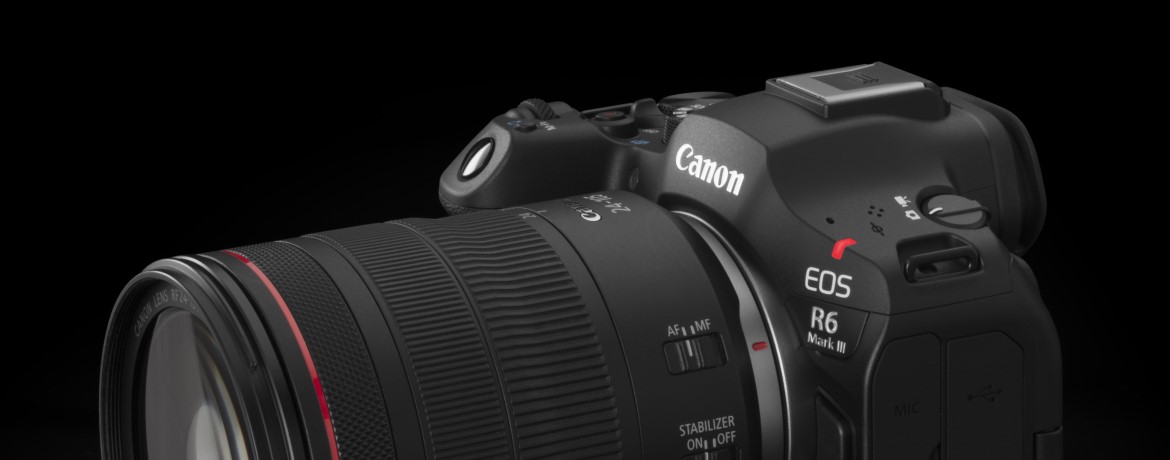
The Canon EOS R6 Mark III costs £2,799 body-only from Wex Photo Video (last checked: 2026-06-17), matching the US launch price of $2,799 that Canon set when it announced the camera in its 6 November 2025 press release. That figure puts Canon’s new hybrid all-rounder on exactly the same shelf as the Sony A7 V, which Wex also lists at £2,799. So the question for a UK buyer is no longer “is it good?”. Every review says it is. The question is which system you want to be holding for the next five years.
Canon EOS R6 Mark III price and what UK buyers actually get
Canon’s UK press centre lists the headline numbers, and they read well: a 32.5MP full-frame dual-pixel CMOS sensor, up to 40fps with the electronic shutter and 12fps mechanical, 7K RAW recording up to 59.94p, 7K open-gate, 4K up to 120p, and up to 8.5 stops of in-body stabilisation. Storage moves to a sensible dual setup, one CFexpress Type-B slot plus one SDXC UHS-II. It is an RF-mount body, so it inherits Canon’s full native lens line.
At £2,799 the R6 Mark III sits above the run of action cameras and phones that most people film with, so it helps to be clear about who it is for. This is a tool for paid work and serious hobby shooting, not a step up from a pocket action camera built for handlebars and helmets or the computational tricks in a modern phone with a strong camera system. If you are deciding between a flagship phone and your first full-frame body, that is a different article, and our flagship phone camera comparison is the better starting point. The R6 Mark III assumes you already know you want interchangeable lenses.
Specs that matter for stills and video shooters
The sensor is the real story. Canon has pushed resolution from 24.2MP on the Mark II to 32.5MP here while keeping the body, controls and battery broadly familiar. That extra resolution gives more room to crop, which matters for wildlife and sport, and the improved subject tracking now lets you pre-register up to 10 faces for priority focus. The pre-continuous buffer captures 20 frames before you fully press the shutter, so the moment you reacted a fraction late to is often still there.
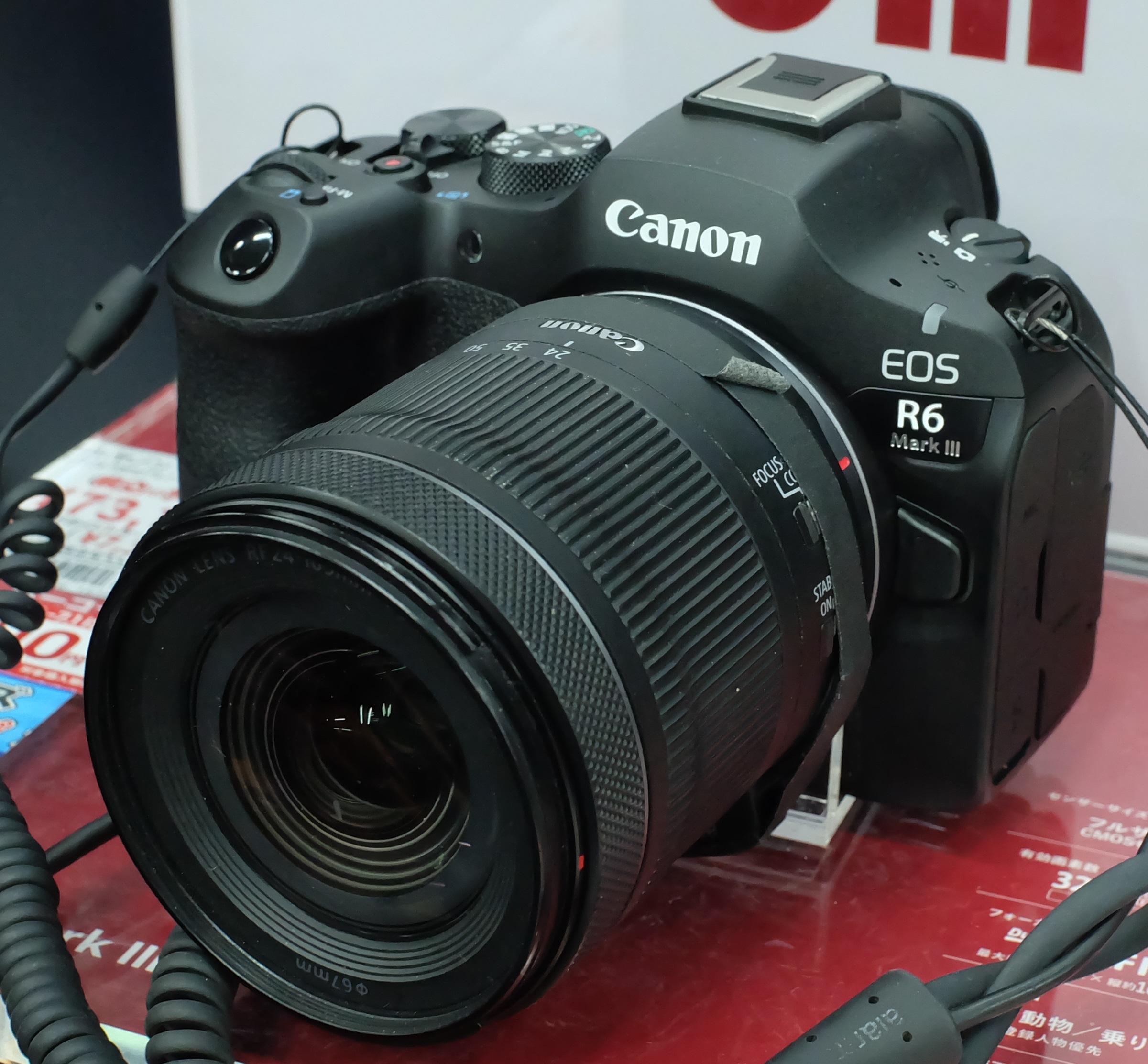
On the video side, 7K RAW Light up to 60p and oversampled 4K give the R6 Mark III genuine production reach, and 4K120 covers slow motion without a separate body. That capability is why this camera will tempt creators who currently split their kit, shooting stills on one system and clips on a dedicated action cam for the rough stuff. The catch is practical: 7K RAW eats cards and storage, which is exactly why Canon put the faster CFexpress slot in. Budget for media on top of the body, not as an afterthought.
What Canon isn’t shouting about: the non-stacked sensor
That 40fps headline number deserves a footnote Canon’s marketing skips. The R6 Mark III uses a non-stacked sensor, not the stacked design in Canon’s pricier R1 and R5 Mark II. Reviewers measured a sensor readout of roughly 13.5ms in 12-bit electronic mode, a touch faster than the Mark II despite the higher resolution, but still slow enough that fast motion at 40fps can show residual rolling shutter, and you lose anti-flicker and flash support at that top speed. For most action it is fine; running subjects come out clean. Shoot a fast-panning baseball swing or a strobe-lit event and the limits appear. This matters because the directly competing Sony A7 V uses a partially stacked sensor, which handles those edge cases with less skew.
Canon RF versus Sony E mount at the same £2,799
Here is the choice nobody else is putting plainly. At £2,799 body-only, the Canon EOS R6 Mark III (32.5MP, 40fps electronic, 7K RAW) and the Sony A7 V (33MP partially stacked, 30fps, 4K60) cost the same money at the same retailer. On paper Canon wins burst speed and video ceiling; Sony wins rolling-shutter behaviour and, for many, third-party lens choice. The deciding factor is rarely the body. It is glass. Canon’s RF mount has matured into a deep native range but stays relatively closed to third parties, so you mostly buy Canon lenses at Canon prices. Sony’s E mount is wide open to Sigma, Tamron and others, which keeps a kit’s running cost lower over years.
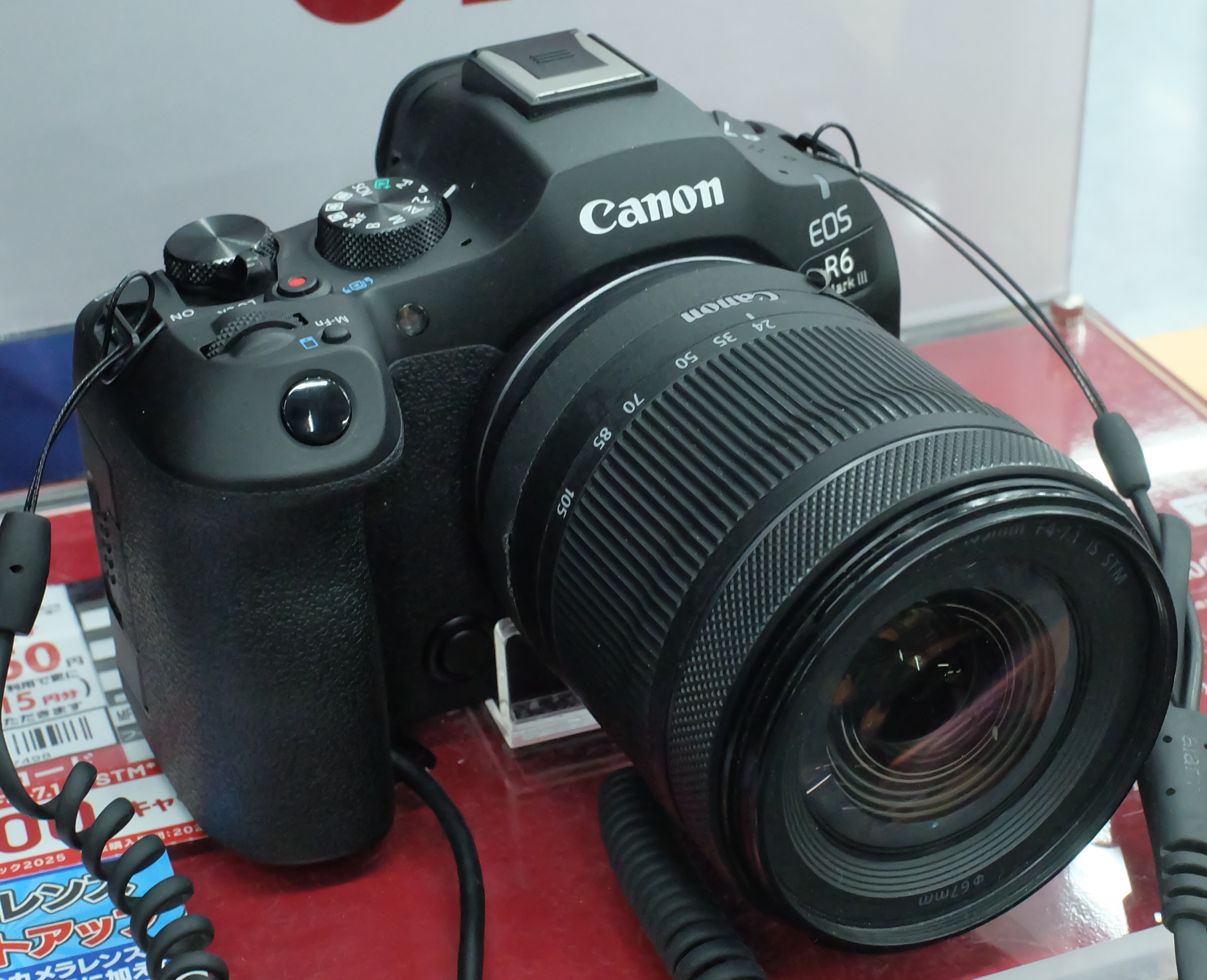
If you already own RF or EF glass, the R6 Mark III is the obvious pick and the lens debate is settled for you. If you are starting fresh and want the cheapest path to a well-stocked bag, Sony’s open mount still has the edge. Buyers coming from a different ecosystem entirely, say someone who lives in Apple’s world and wants their stills to flow into the same library as their phone shots, should think about workflow as much as the sensor, and our look at the best iPhone for UK buyers this year covers that side. For an APS-C creator weighing a smaller, cheaper system instead, the Fujifilm X-T50 in the UK is the obvious cross-shop.
Where I’d put the money
I have not tested the R6 Mark III on the bench, so this verdict is built from Canon’s published specs, the £2,799 UK price at Wex, and the consistent picture across independent reviews. On that basis it is the easy recommendation for anyone already inside the RF or EF system: the sensor jump, the burst speed and the 7K video are a real generational step, and you keep your lenses. For someone buying their first full-frame body with no glass and no loyalty, the question is genuinely open, because the Sony A7 V matches the price and undercuts the long-term lens bill. What UK buyers should watch next is stock and the inevitable retailer discounting; at £2,799 this is launch pricing, and a body this iterative tends to soften within a year. If you do not need it this quarter, the patient move is to wait for the first real price drop.
Buyer action
Where to buy or check next
Use this as the final check before ordering a phone, changing network or trusting a headline monthly price.













Reader discussion
Leave a comment
Comments are moderated. Keep it useful, accurate, and on topic.