
UPDATED · News · 16 May 2026 · Claire Bennett
The ThinkPad X13 Gen 7 is the laptop that quietly proves the most important spec in 2026 is not the AI chip — it is whether you can open the thing up. Lenovo announced the ThinkPad X13 Gen 7 on 12 May 2026 alongside the ThinkPad L14 Gen 7 and L16 Gen 3, completing its 2026 business portfolio with a sub-kilogram machine that scores up to 9 out of 10 for repairability.
- The ThinkPad X13 Gen 7 starts at 0.93kg (2.05 lbs), among the lightest ThinkPads Lenovo has ever shipped.
- It runs Intel Core Ultra Series 3 or AMD Ryzen AI PRO 400 Series processors, with Wi-Fi 7 and optional 5G.
- The new ThinkPad X13 and L Series carry an iFixit repairability score of up to 9 out of 10.
- Announced 12 May 2026; available starting May 2026. Lenovo quoted US guidance pricing only and has not confirmed UK pricing.
Why the ThinkPad X13 Gen 7 repairability score matters
Every laptop maker this spring has been shouting about neural engines. Lenovo’s most consequential move is duller and far more useful: a mainstream business ultraportable that an in-house IT team or a third party can actually service. A 9-out-of-10 iFixit score on the ThinkPad X13 Gen 7 and the new L Series is not a marketing line — it is a directional bet that fleet longevity, not raw silicon, is what enterprise buyers will pay for in 2026. It is the same argument we made when the Framework Laptop 13 Pro forced the industry to take modularity seriously, except now it is coming from the biggest PC vendor on earth.
This is the right call for UK buyers specifically. British organisations are under tightening pressure on e-waste and total cost of ownership, and a laptop that can take a new battery or SSD instead of a landfill trip changes the maths of a three-to-five-year refresh cycle. Lenovo dressing the ThinkPad X13 Gen 7 in “AI PC” language is the marketing; repairability is the substance, and the substance is what survives a procurement review.
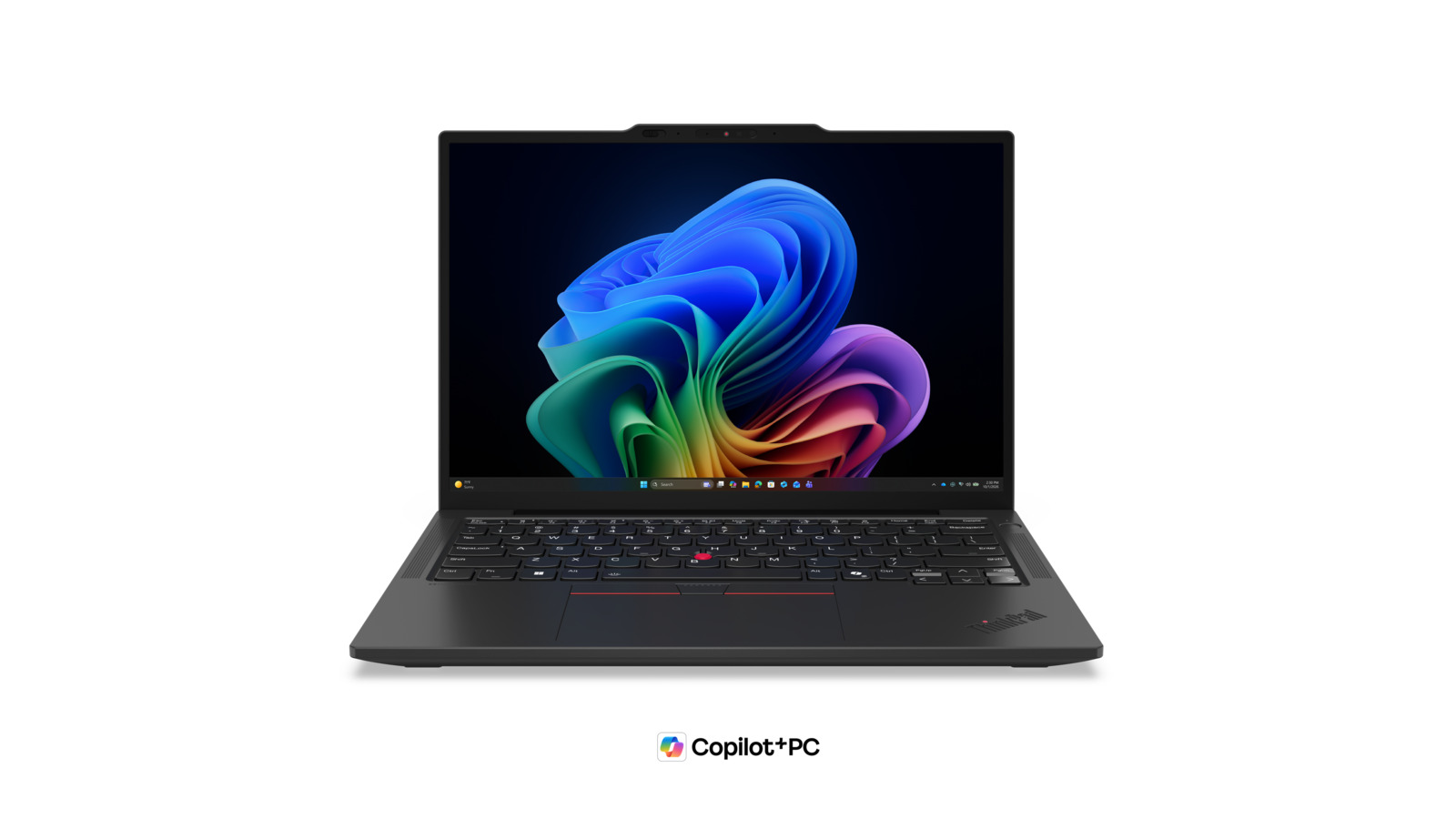
The ThinkPad X13 Gen 7 hardware that actually counts
Strip the slogans and the engineering is genuinely strong. The ThinkPad X13 Gen 7 starts at 0.93kg, which puts a full-fat ThinkPad keyboard and chassis into ultrabook-class weight, and it is offered with either Intel Core Ultra Series 3 or AMD Ryzen AI PRO 400 Series silicon — the AMD PRO line being the one corporate IT departments care about for manageability. Wi-Fi 7 is standard and 5G is an option, which matters more to a hybrid UK workforce than any on-device chatbot. Notebookcheck pegs the lightest configuration around 930g, consistent with Lenovo’s own 0.93kg figure — Lenovo applying the same disciplined hardware thinking it showed with the Lenovo Legion Tab Gen 5.
Tom Butler, Lenovo’s vice president of commercial portfolio and product management, framed the launch as “extending AI-ready performance, mobility, and reliability across the broader portfolio.” Read past the phrasing and the strategy is clear: push the serviceable, manageable, lightweight formula down from the halo X1 range into the volume X13 and L tiers where most corporate seats actually live. That is a more meaningful shift than another Snapdragon battery-life record, the kind we covered when Snapdragon X2 Elite laptops arrived.
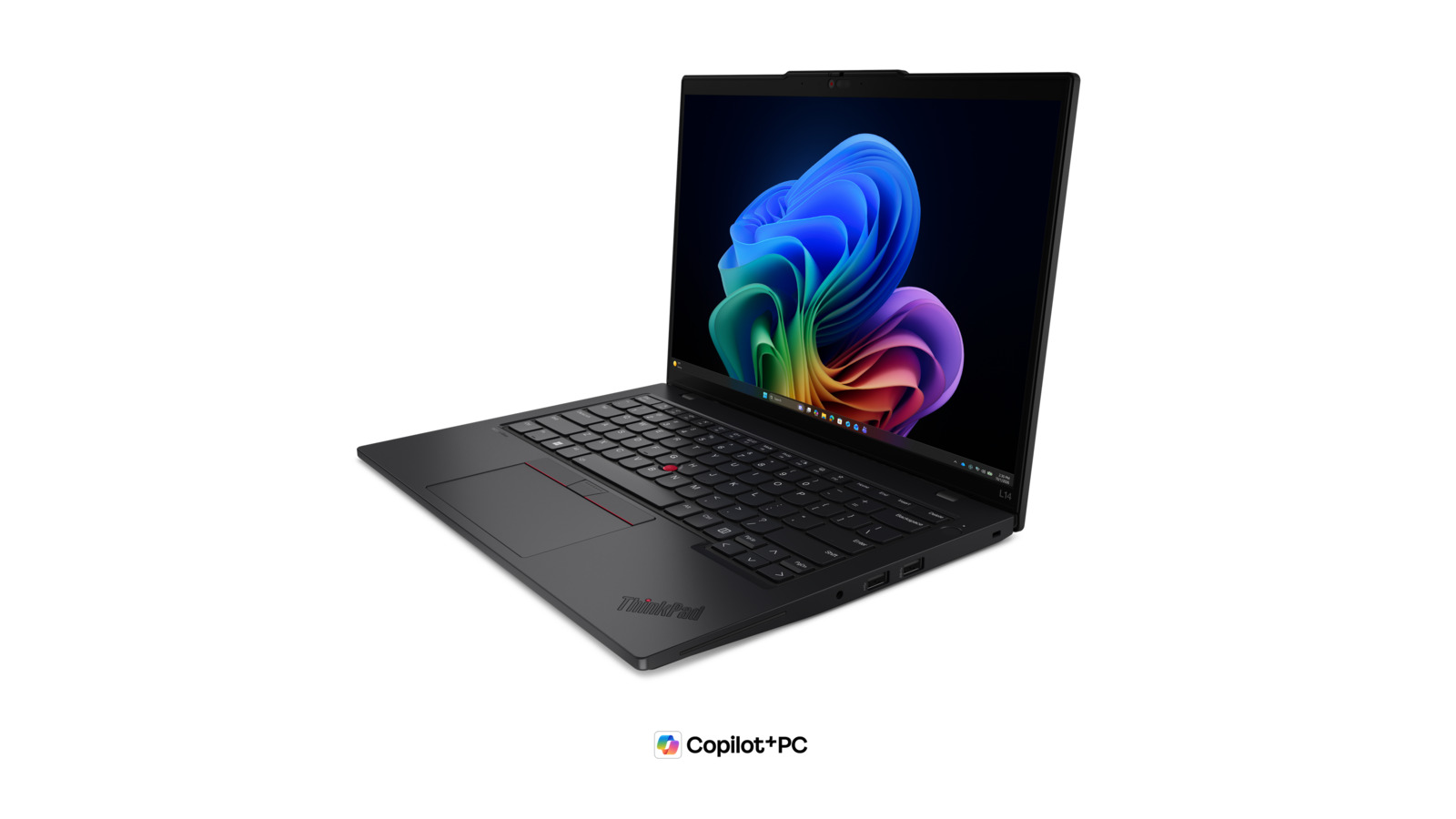
ThinkPad X13 Gen 7 versus the L14 Gen 7 and L16 Gen 3
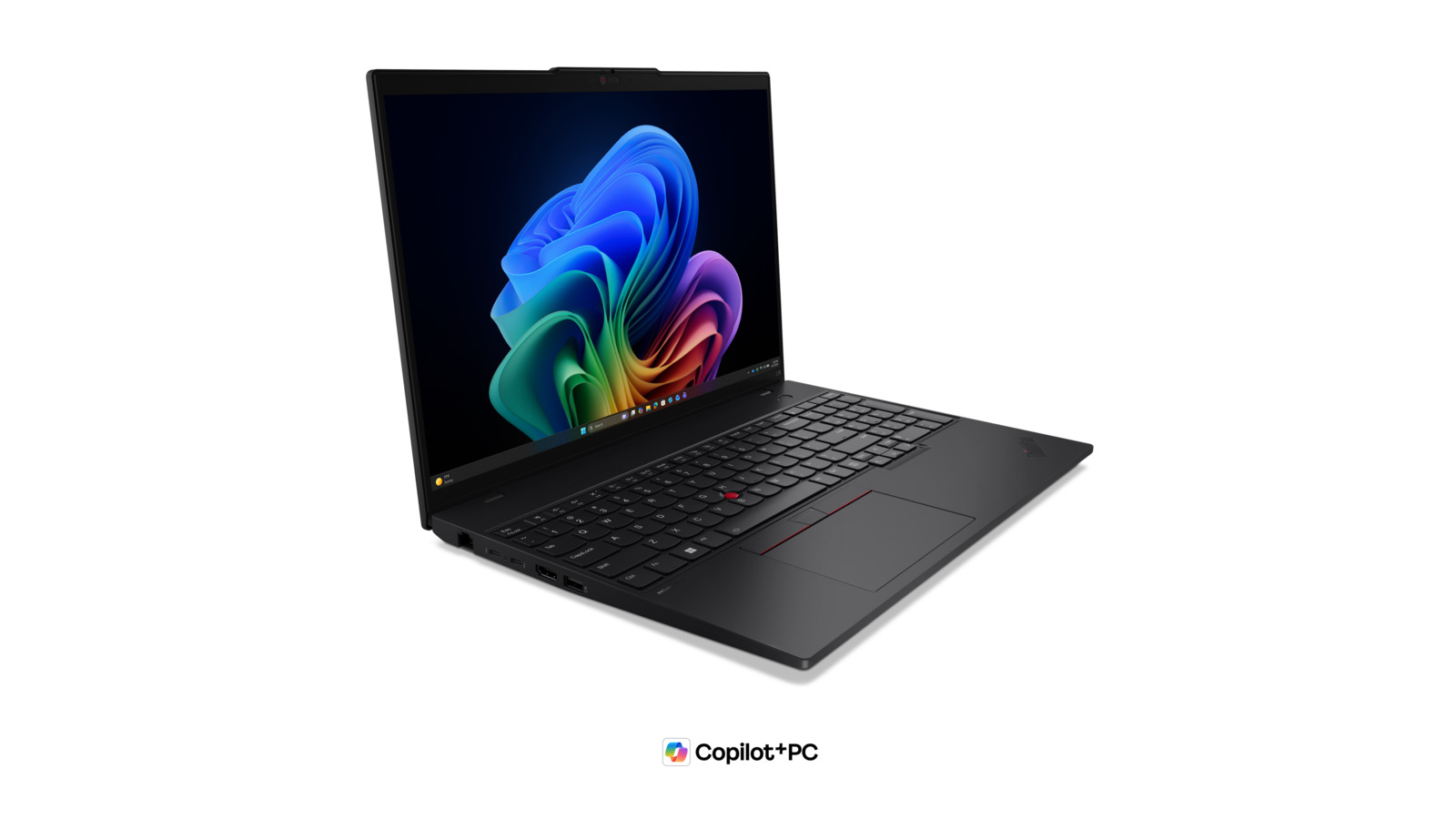
Lenovo “completing the portfolio” is not filler — it is how the X13 makes sense. The ThinkPad X13 Gen 7 is the premium ultraportable; the L14 Gen 7 and L16 Gen 3 are the higher-volume, larger-screen workhorses that share the same repairability and manageability story at lower positioning. For a UK fleet manager the decision tree is refreshingly simple this year.
| Model | Role | MTW read |
|---|---|---|
| ThinkPad X13 Gen 7 | Sub-1kg premium ultraportable | For travelling staff who carry it all day |
| ThinkPad L14 Gen 7 | 14-inch volume workhorse | The default desk-and-dock fleet pick |
| ThinkPad L16 Gen 3 | 16-inch large-screen option | For spreadsheet-heavy and CAD-light roles |
The honest verdict: most desks do not need the ThinkPad X13 Gen 7. The L14 Gen 7 will be the right buy for the majority of UK seats, and the X13 earns its premium only for people who genuinely carry a laptop between sites every day. What unifies them — the repairability and the AMD PRO manageability — is the reason to shortlist the range at all, not the weight headline.
What UK buyers should watch on the ThinkPad X13 Gen 7
Two open questions before you commit. First, pricing: Lenovo issued US guidance figures and has not confirmed UK recommended pricing or a firm UK on-sale date, so any quoted British price right now is a retailer estimate, not Lenovo’s number — and with component costs still volatile, as we set out in our 2026 DRAM shortage analysis, wait for the official UK configurator before signing a fleet order. Second, the repairability score is “up to” 9 out of 10, which means configuration-dependent; the soldered-versus-socketed memory question in particular decides whether that score holds on the exact SKU you buy, so demand the iFixit breakdown for your specific build.
With those flagged, Lenovo has read the room correctly. The ThinkPad X13 Gen 7 is not exciting, and that is the point — it is a serviceable, manageable, genuinely portable business laptop arriving exactly as right-to-repair expectations harden in the UK and Europe. Against a market obsessed with AI silicon nobody asked to replace every two years, betting on repairability is the contrarian move that ages well. It is the most quietly sensible laptop launch of the spring, and the rest of the industry should be nervous it came from the market leader.

MTW verdict
The ThinkPad X13 Gen 7 wins on the spec nobody markets: a 9/10 repairability score on a sub-1kg business machine. For most UK fleets the L14 Gen 7 is the smarter buy, but the whole 2026 ThinkPad range is worth shortlisting because Lenovo bet on serviceability over AI theatre. Wait for confirmed UK pricing, then buy with confidence.
Buyer action
Where to buy or check next
Use this as the final check before ordering a phone, changing network or trusting a headline monthly price.













Reader discussion
Leave a comment
Comments are moderated. Keep it useful, accurate, and on topic.