UPDATED · News · 2 May 2026 · Hannah Foster
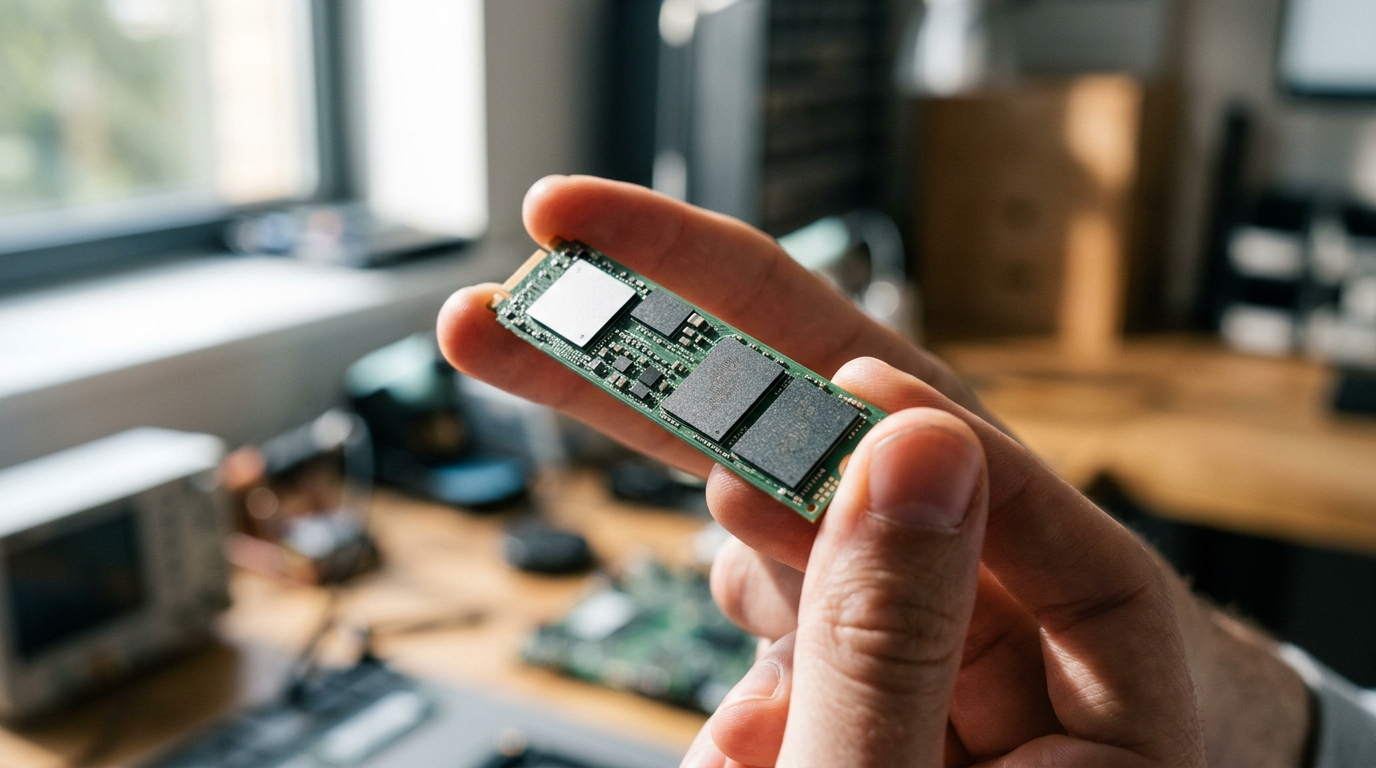
DRAM shortage 2026 is the supply-side story behind every recent UK price hike, and the editorial UK readers need now that the 1 May India smartphone increases have made the squeeze visible at the till. IDC’s market analysis identifies the same DRAM and NAND tightening behind smartphone, PC, SSD and games-console price rises rolling through 2026, with AI data-centre demand absorbing the high-bandwidth memory the consumer side used to depend on.
- DRAM shortage 2026: TrendForce forecasts conventional DRAM contract prices to rise 58-63% quarter-on-quarter in Q2 2026 versus Q1 2026 as AI server demand absorbs supply.
- NAND flash pricing has risen at a similar pace, dragging up SSD prices and the storage upgrade tiers on smartphones.
- Samsung warned on its 30 April Q1 2026 earnings call that supply could tighten further into 2027 as AI data-centre demand keeps growing.
- OnePlus, Nothing, Xiaomi and Realme all moved India prices up on 1 May; UK retail prices have so far held but the bill of materials has changed.
- PC DDR5 retail in the UK has roughly doubled since January 2026, per our DDR5 RAM price tracking.
DRAM shortage 2026: why the AI build-out is taking your memory
The DRAM shortage 2026 problem is mechanical, not theoretical. Modern AI accelerators ship with HBM3E or HBM4 memory soldered on package, and Samsung, Micron and SK Hynix are the only three suppliers in the world. The same DRAM fabs that make HBM also make the LPDDR5X that goes into phones and the DDR5 that goes into laptops. IDC’s market analysis names Microsoft, Google, Meta and Amazon as the hyperscalers driving the bulk of HBM demand, and that demand lands first as HBM orders that hyperscalers will pay almost any margin for – and second as a missing LPDDR5X allocation at OnePlus’s contract manufacturing line in Vietnam.
That mechanical link is why TrendForce now projects conventional DRAM contract prices to rise 58-63% quarter-on-quarter in Q2 2026 versus Q1 2026, with mobile DRAM continuing to climb as suppliers reallocate capacity toward server and HBM applications. It is also why Samsung itself – the only memory maker that also sells phones, laptops and the data-centre AI silicon that needs the memory – is now reporting a record valuation off the back of its memory business. Samsung’s Q1 2026 earnings, covered in detail in our Samsung trillion-dollar valuation piece, called out HBM as the single largest growth driver. The same memory squeeze that hurts your phone bill is making the supplier richer.

DRAM shortage 2026: what is already more expensive in the UK
Smartphones outside India have held shelf prices steady for now, but the bill of materials has not. The OnePlus 15T due this summer was already going to launch in the £799-£849 band; the new memory baseline means OnePlus is now budgeting that price rather than aspiring to it. The same logic applies to the OnePlus Pad 4 covered in our India launch piece – Snapdragon 8 Elite Gen 5 tablets need fast LPDDR5X by the gigabyte, and that supply is now competing directly with hyperscaler buy orders.
PC memory has moved faster than phone memory because the DDR5 retail channel passes wholesale changes straight through. The full UK breakdown is in our DDR5 RAM price UK 2026 piece – 32GB DDR5-6400 kits that sold for £79 in January 2026 now clear £159 on the same online listings. SSD retail has tracked NAND prices, with 2TB NVMe drives that listed at £109 in autumn 2025 now sitting closer to £179. Laptop pricing has been more sheltered because OEMs absorb part of the hit, but the next refresh cycle – Snapdragon X2 Elite, Intel Panther Lake, AMD Ryzen AI 400 – will land with quietly higher base configurations as memory bills bite. The Framework RTX 5070 module piece and Framework Laptop 13 Pro coverage show how this is shaping the modular-laptop story too.
DRAM shortage 2026: where prices are moving by product
| Product | Move since January 2026 | MTW read |
|---|---|---|
| DDR5 desktop RAM (UK retail) | Roughly 2x for 32GB DDR5-6400 | Worst affected; channel pass-through is immediate. |
| NVMe SSD (2TB, UK retail) | +60-70% | NAND flash tracking DRAM up. |
| India flagship smartphones (OnePlus 15, Nothing 4a Pro) | +₹5,000 to ₹6,000 on 1 May | First open consumer-price admission of the squeeze. |
| UK flagship smartphones (Galaxy S26, Pixel 10) | Held steady so far | Held by margin and contract timing; next refresh will move. |
| Apple Mac mini (UK) | Base SKU discontinued, new floor £799 | Memory-tier driven entry-level removal. |
| Console / handheld (Steam Deck OLED, Switch 2) | Held but supply tight | Vendors absorbing margin while channel stocks last. |
DRAM shortage 2026: what UK buyers should actually do
The pragmatic advice splits by category. On smartphones, the right move for the next 90 days is to lock in current pricing on already-announced UK devices rather than wait for the next refresh. The Galaxy S26 line, the Pixel 10 family and the OnePlus 13 / 15 generation are all sitting on pre-DRAM-shortage retail pricing and will be among the last UK phones to do so. On laptops, the rule reverses: hold off if you can. Snapdragon X2 Elite, Lunar Lake refresh and AMD Ryzen AI 400 parts are due through 2026, and buying a current Intel Meteor Lake or Snapdragon X Elite ultrabook today at full retail risks being undercut in three months by a refresh that builds memory cost into its launch price – and rolls in Copilot+ improvements. The Snapdragon X2 Elite laptops 2026 piece tracks the relevant release windows.
On RAM and SSD upgrades, the answer is unambiguous: buy now if you have a project that needs it, defer if it is a “nice to have”. DDR5 and high-capacity NVMe SSDs are likely to stay expensive at least through Q3 2026 because the AI data-centre order book is still growing. Anyone running a workstation with 32GB DDR5 who has been waiting for a 64GB price drop should accept that the drop is not coming this year. On Mac, the £799 Mac mini covered in our Mac mini vs Mac Studio comparison shows Apple is already running this playbook by removing the cheapest tier rather than raise its sticker.

The longer-term watch is for Samsung, Micron and SK Hynix to bring new DRAM capacity online. None of the three has announced a fab that would meaningfully shift supply before late 2027. Until then, the DRAM shortage 2026 will define what UK buyers pay for memory-intensive devices, and brands will keep finding clever ways to pass the cost on – smaller base storage tiers, fewer memory configurations, retired entry-level SKUs. Treat that as the new normal for the rest of this year, not a temporary blip you can wait out.
MTW verdict
The DRAM shortage 2026 is the single most important consumer-tech story of the year and the bill landed at India tills on 1 May. UK shelf prices have held for a quarter but the bill of materials has changed under the bonnet. Lock in current UK phone pricing this quarter; defer laptop refresh purchases until the next chip generation lands; and stop waiting for cheaper RAM or SSDs in 2026.
Buyer action
Where to buy or check next
Use this as the final check before ordering a phone, changing network or trusting a headline monthly price.













Reader discussion
Leave a comment
Comments are moderated. Keep it useful, accurate, and on topic.