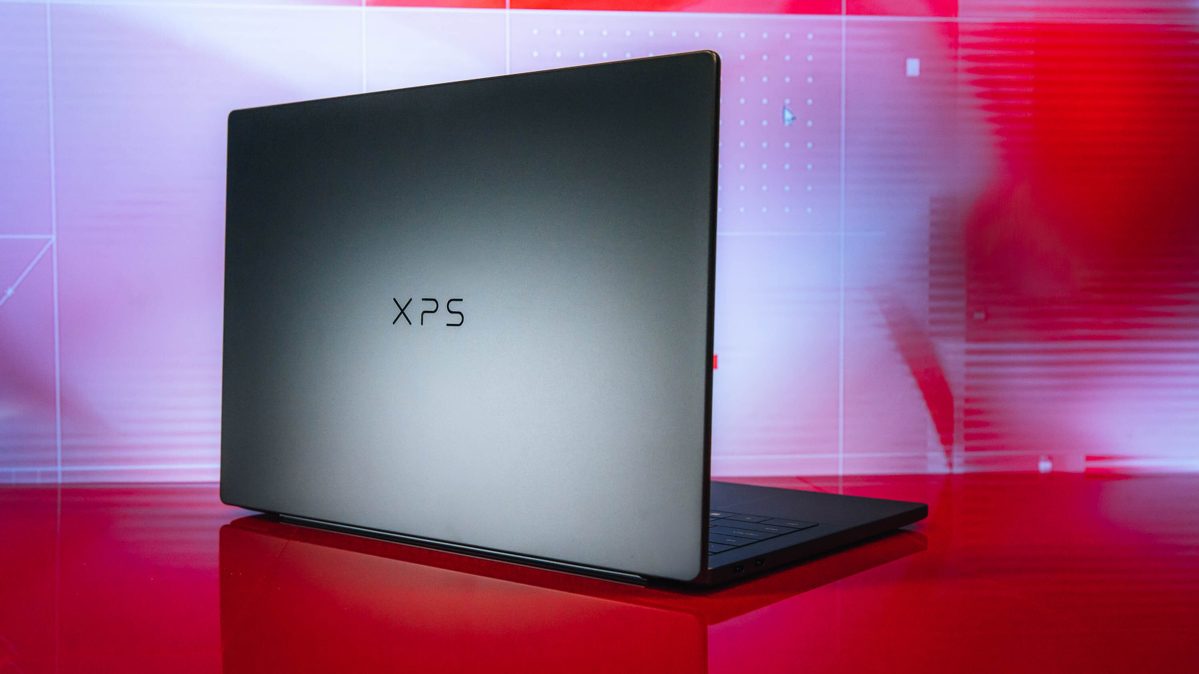
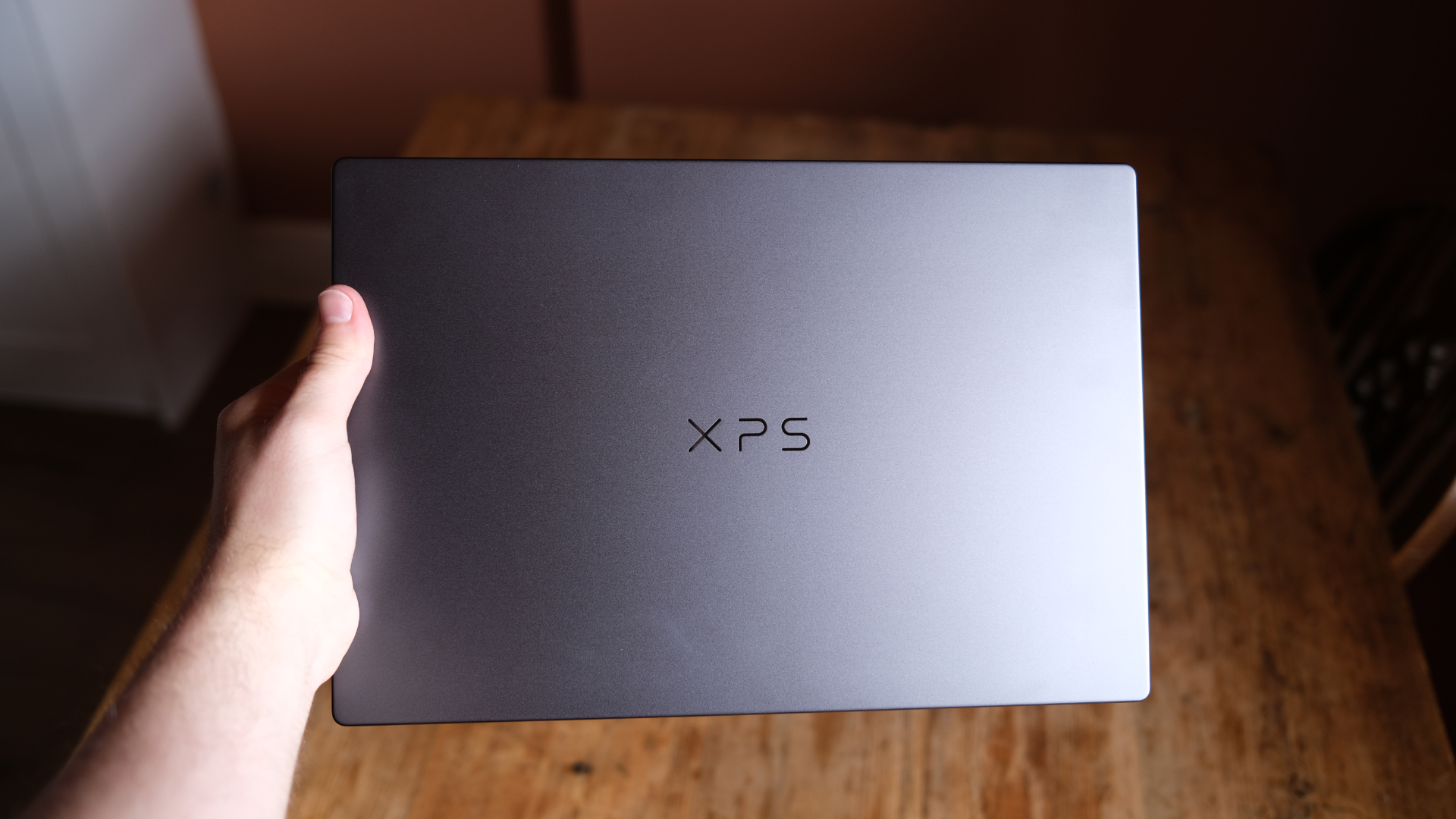
Dell has done something I didn’t think it had the nerve to do: it has thrown out the polarising, sharp-edged XPS design of the last few years and started again. The 2026 XPS 14 that PCMag UK reviewed this July is, on the numbers, one of the most complete Windows laptops on sale. And yet the moment I started pricing one up on Dell’s UK configurator, I ran straight into the question that gives this piece its title: where, exactly, is the £1,899 XPS 14 that so many buyers seem to be searching for? The short answer is that it doesn’t exist — and the longer answer tells you a lot about who this machine is really for.
Let me set the scene. UK pricing opens at £1,599 for the base model — a Core Ultra 5 325, 16GB of RAM, a 512GB SSD and a 2K non-touch LCD. Climb to the configuration most reviewers actually rated, and you’re at £2,198.99: a Core Ultra X7 358H, 32GB of RAM, a 1TB SSD and the 2.8K OLED touchscreen. The flagship stretches to around £2,499 with the Core Ultra X9 388H, 64GB of RAM and a frankly excessive 4TB of storage. Somewhere in that ladder people expect a neat £1,899 rung. There isn’t one — and once you lay the configurations out side by side, you can see exactly why Dell left that gap.
| Configuration | Processor | RAM / storage | Screen | UK price |
|---|---|---|---|---|
| Base | Core Ultra 5 325 | 16GB / 512GB | 2K LCD, non-touch | £1,599 |
| The £1,899 near-miss | Core Ultra 7 355 | 16GB / 512GB | 2K LCD, non-touch | £1,849.01 |
| The one to buy | Core Ultra X7 358H | 32GB / 1TB | 2.8K OLED, touch | £2,198.99 |
| Flagship | Core Ultra X9 388H | 64GB / 4TB | 2.8K OLED, touch | ~£2,499 |
The £1,899 that isn’t there (Dell XPS 14)
Here’s the closest Dell will sell you: a £1,849.01 configuration pairing the Core Ultra 7 355 with 16GB of RAM and a 512GB SSD. Fifty-odd quid under the mythical figure — but note what you’re getting for it. That’s still only 16GB of memory and the smaller drive, on a chassis you’ll likely keep for five years or more, and — critically — the memory is soldered, so there is no adding a stick in year three. The £1,899 search term, I suspect, is people hoping to land the OLED-and-32GB sweet spot for under two grand. Dell has quietly decided that combination is a £2,198.99 machine, full stop. If your budget’s line in the sand is “under £1,900,” you are being nudged, deliberately, toward compromises you’ll feel later.
That’s not a criticism of the pricing so much as a warning about how to read it. The XPS 14’s ladder is built to make the mid-tier OLED model look like the obvious buy — because it is — and to make the sub-£1,900 options feel like false economy. It’s the oldest trick in premium retail, and Dell runs it well. Look again at the table: the jump from the £1,849.01 near-miss to the £2,198.99 sweet spot costs you roughly £350 and doubles the RAM, doubles the storage and swaps a decent LCD for the panel every reviewer wanted. On a five-year machine that’s the one upgrade that keeps paying you back. The two cheaper rungs, by contrast, are what Dell wants you to reject on your way to the sale.
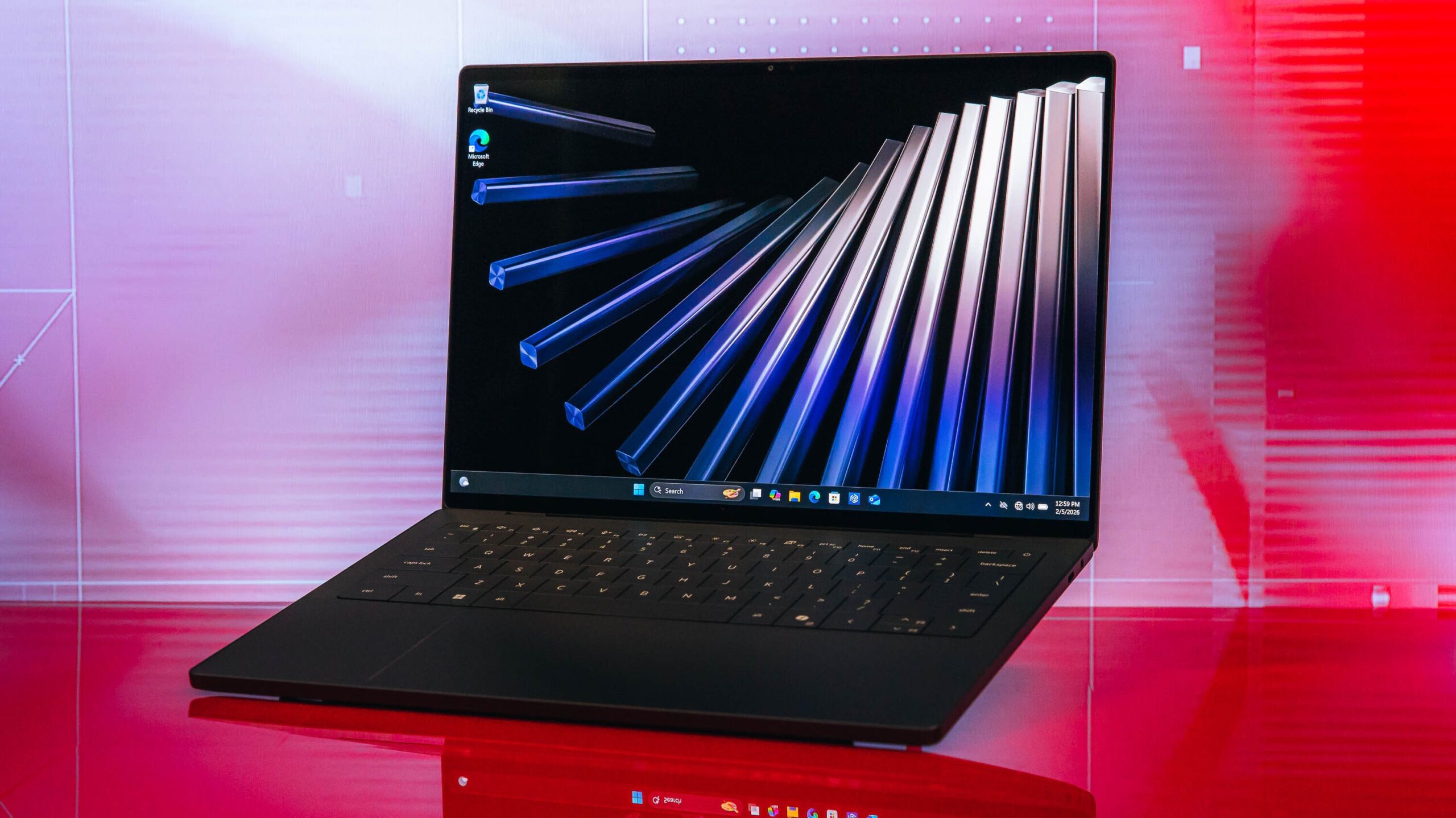
Panther Lake is the real story
Strip away the price theatre and the headline is silicon. This is Intel’s Core Ultra 300 Series — Panther Lake — and it’s the reason Notebookcheck called the machine “fully reborn”. The range runs from the Ultra 5 325 at the bottom to the Ultra X9 388H at the top, but the part worth caring about is the middle: the Ultra X7 358H, with 16 cores and Intel’s Arc B390 integrated graphics. That’s the performance sweet spot, and it’s the chip in the £2,198.99 configuration for a reason. It is also the point at which the “H” suffix arrives — the higher-power part that separates the machines built to sustain load from the base Ultra 5, which is tuned first for battery.
What Panther Lake buys you isn’t just raw speed; it’s efficiency that finally makes a thin 14-inch chassis behave. PCMag’s tested unit returned 21 hours of battery life — a number I’d have laughed at from an XPS two generations ago, when these machines ran hot and drank charge. That figure is the whole argument for this generation: it is a genuinely all-day laptop that no longer needs a fan roaring in a coffee shop to hit its numbers. The Arc B390 graphics won’t trouble a discrete GPU, and if raw creative grunt is your priority you’d be better served by something like the RTX 5090-toting Asus ProArt P16. But for the code-and-Chrome-and-Lightroom crowd — the people who value a bag that stays light and a battery that lasts a train journey home — this is comfortably enough.
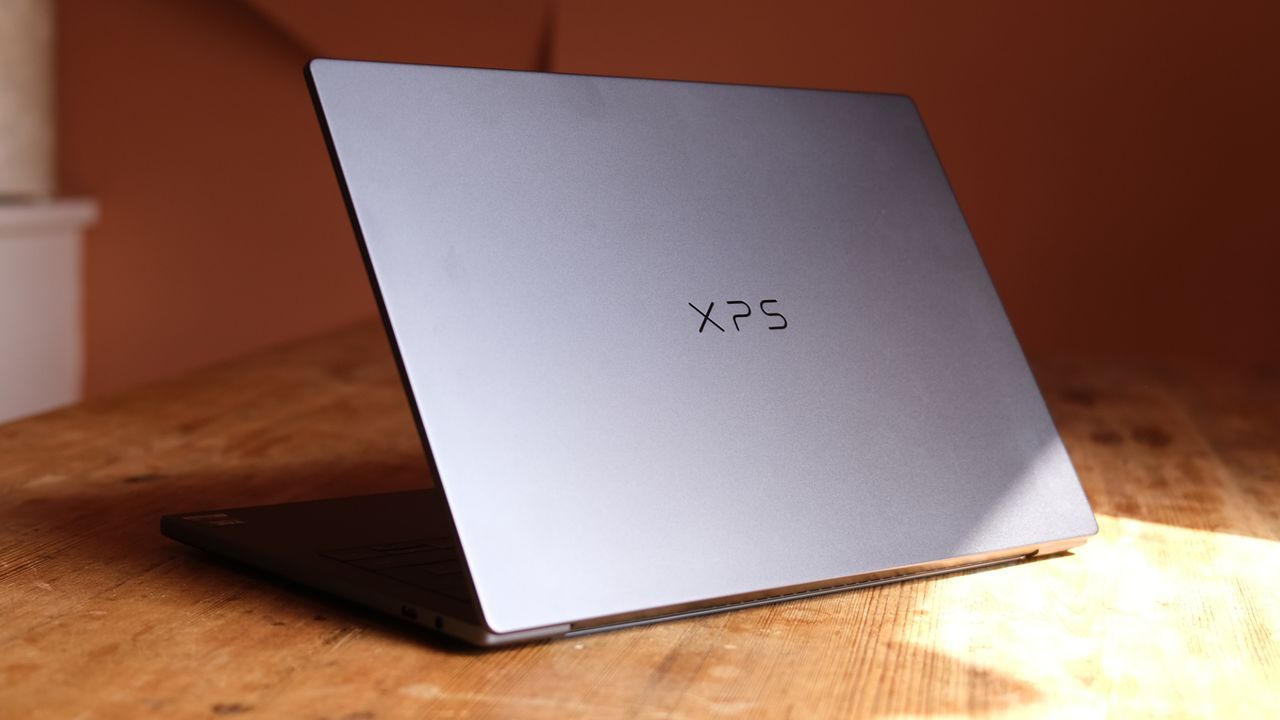
The XPS 14 no longer asks you to choose between “slim” and “lasts all day.” Panther Lake collapses that trade-off — and that, more than any single spec, is why the 2026 model matters.
The tandem OLED, and what it costs to get it
Two panels are on offer. The base 2K LCD is a 1920×1200, non-touch, 1–120Hz screen — perfectly good, and the sort of display that would have been a flagship feature a few years ago. The upgrade is the 2.8K OLED: 2880×1800, touch, a 20–120Hz variable refresh range and 400 nits of brightness. It’s the panel every reviewer gravitated to, and it’s the one I’d insist on. The variable refresh matters more than the resolution bump for most people: it is what lets the machine idle at 20Hz to protect that battery figure and still snap to 120Hz when you scroll, and it is the difference between a screen you tolerate and one you keep opening the lid to look at.
Crucially for us, UK models include the OLED option — which sounds obvious until you learn that some regional variants (Australia among them, per the international review coverage) don’t get the same choice. British buyers, for once, aren’t getting short-changed on availability. The catch is simply that the OLED comes bundled with the 32GB/1TB tier, so you can’t cherry-pick a cheap chassis with a great screen. Dell wants you to buy the good version wholesale — and having priced every rung, I think that’s the honest place to spend, not the base LCD you’ll wish you’d skipped.
The bits that make it liveable
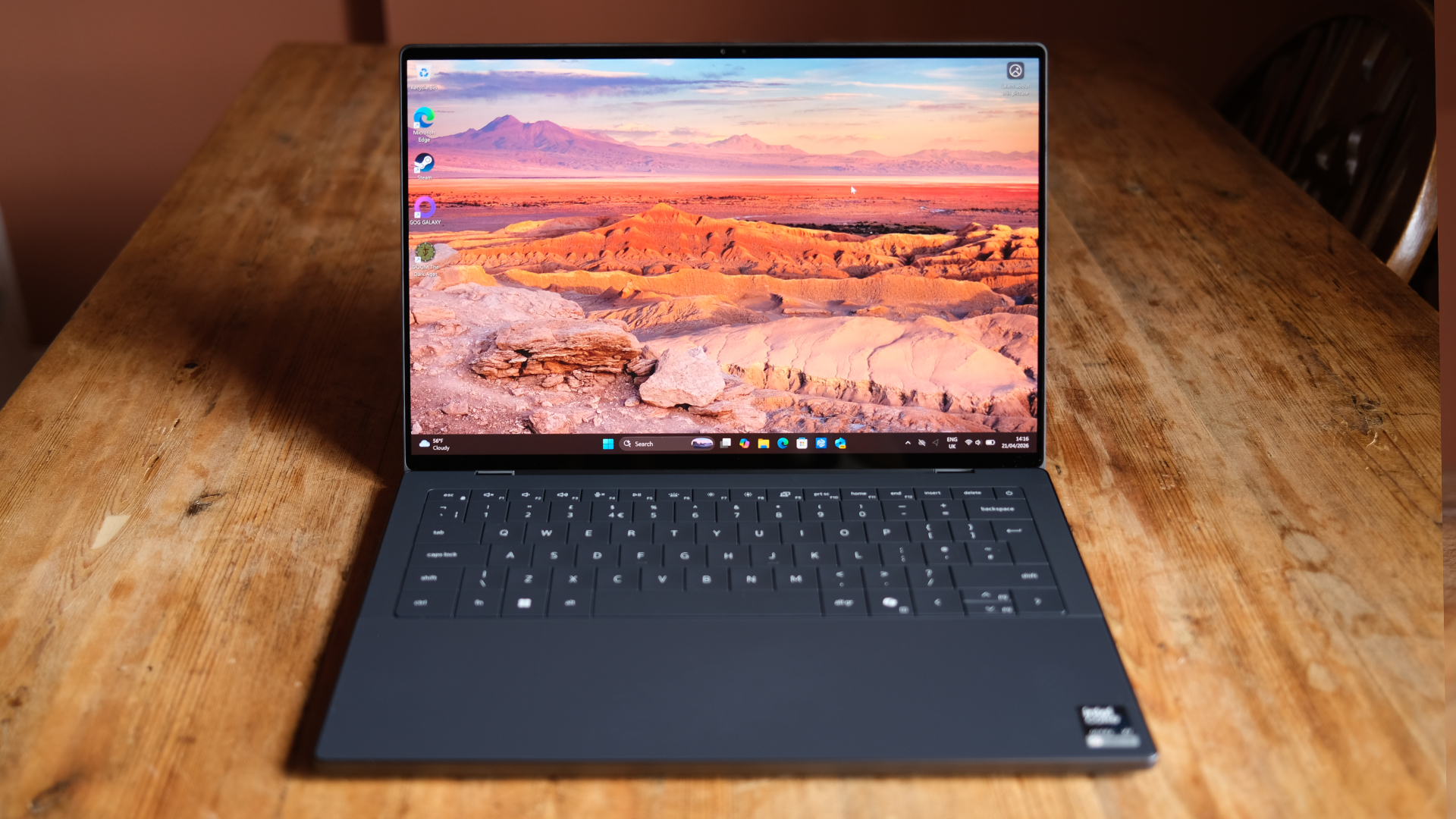
The rest of the spec sheet is quietly excellent. Weight lands at 1.36kg for the OLED model and 1.38kg for the LCD — genuinely portable for a 14-incher with this much performance inside, and light enough that it disappears into a work bag in a way the heavier creator machines never do. Storage tops out at 4TB of PCIe NVMe, which is overkill for most and a godsend for the video editors who’ll actually fill it. And the reborn design, by every account I trust, walks back the divisive quirks of the outgoing XPS — the invisible trackpad and the capacitive function row that split opinion so sharply. Bringing back a function row you can feel is the sort of unglamorous correction that only happens when enough buyers vote with their wallets, and it’s the clearest sign Dell was listening.
If you want the wider context on why 2026 is a genuinely awkward year to buy a laptop — with new silicon landing across the board — our Computex 2026 preview lays out what’s coming and what’s worth waiting for. My read is that Panther Lake is the platform to buy into now rather than the one to wait past: it is shipping, it is efficient, and the thing people usually wait for — meaningful all-day battery in a thin chassis — has already arrived here.
Where it sits against the obvious rival
The XPS 14’s natural competitor, for the UK professional at least, is the business ultrabook. If you live in spreadsheets and Teams calls and want a keyboard you can hammer for years, the Lenovo ThinkPad X1 Carbon Gen 14 remains the sensible, unshowy pick — and it out-keyboards the Dell every day of the week. Where the XPS 14 answers back is the screen and the sense of occasion: the ThinkPad has nothing to match that 2.8K OLED, and this is the machine you open in a client meeting and enjoy owning. If your job is document work and video calls, the ThinkPad is the smarter money; if the display is part of the job — photos, decks, anything you look at all day — the Dell earns its premium. Whether that’s worth it is entirely a question of what you actually do with it.
Where I land on the £1,899 question
Yes — but only if you buy it properly. At £2,198.99 for the Ultra X7, 32GB, 1TB and the tandem OLED, the XPS 14 is the version worth having and, I’d argue, the best Windows laptop you can put on a UK desk right now. It’s the configuration the whole range is built around, and every pound of it shows. What I won’t do is pretend the cheaper rungs are the bargain they look like. The £1,599 base model and that £1,849.01 near-miss are there to make the good one look reasonable — and, as the table lays bare, they succeed. If you’re chasing a £1,899 XPS 14 to dodge the OLED tax, my honest advice is to either find the extra £300 or buy something else entirely. Half-measures on a laptop you’ll keep for half a decade are the one economy I’d never make.
Buyer action
Where to buy or check next
Use this as the final check before ordering a phone, changing network or trusting a headline monthly price.









Reader discussion
Leave a comment
Comments are moderated. Keep it useful, accurate, and on topic.