UPDATED · News · 4 Jun 2026 · Claire Bennett
The Spotify Premium UK price in 2026 is the question worth settling before your free trial lapses, because the plans, the perks and the rivals have all shifted in the past year. Spotify lists Premium Individual at £12.99 a month, Student at £5.99, Duo at £17.99 and Family at £21.99, with Individual, Duo and Family now bundling 15 hours a month of audiobook listening, though Student does not. This guide breaks down every plan, what the audiobook hours actually buy you, where lossless audio has landed, and whether Spotify still wins on value against Apple Music, Amazon Music and YouTube Music for a UK listener.
- UK monthly prices: Individual £12.99, Student £5.99, Duo £17.99, Family £21.99 (Spotify, June 2026).
- Premium Individual, Duo and Family include 15 hours a month of audiobook listening; Student does not.
- Lossless audio is now listed as a Premium feature in the UK, no separate HiFi surcharge.
- Apple Music Individual is £10.99, two pounds under Spotify, but has no free ad-supported tier.
Every Spotify plan and what it costs in the UK
Spotify sells four paid tiers in the UK plus the long-running free, ad-supported option. Premium Individual is one account at £12.99 a month. Student is the same single account cut to £5.99 for those who verify enrolment through Spotify’s checker, renewable for up to four years. Duo, at £17.99, covers two people living at the same address and adds a blended Duo Mix playlist. Family, at £21.99, stretches to six accounts at one address, layers in parental content filters and a Family Mix, and includes access to Spotify Kids. The free tier still exists and still gives you the full catalogue, but with adverts, shuffle-led playback on phones for many playlists, and no offline downloads.
The headline number most UK listeners weigh is Individual at £12.99. That is the figure that climbed over the past two years of streaming price rises, and it is the one to compare directly against rivals later in this guide. If you share a household, the per-person maths changes sharply: Duo works out at roughly £9 each, and Family at six accounts drops to under £4 a head, which is why Family is the quiet value champion for anyone with housemates or a partner who also streams. Our view is that a lone listener paying full Individual price should at least check whether a Duo split with a flatmate beats it, because the savings are real and the only catch is the same-address rule, which Spotify enforces through address verification rather than any location tracking.
The 15 hours of audiobooks: what they really buy
The most underrated part of a Spotify subscription in 2026 is the audiobook allowance. Premium Individual, Duo and Family each include 15 hours a month of listening from Spotify’s audiobook subscriber catalogue, which spans a large slice of mainstream fiction and non-fiction. On Duo and Family that allowance sits with the plan manager only, not every member, which is an easy detail to miss when you are picking between tiers. Student plans get no audiobook hours at all, a deliberate trim that keeps the £5.99 price down.
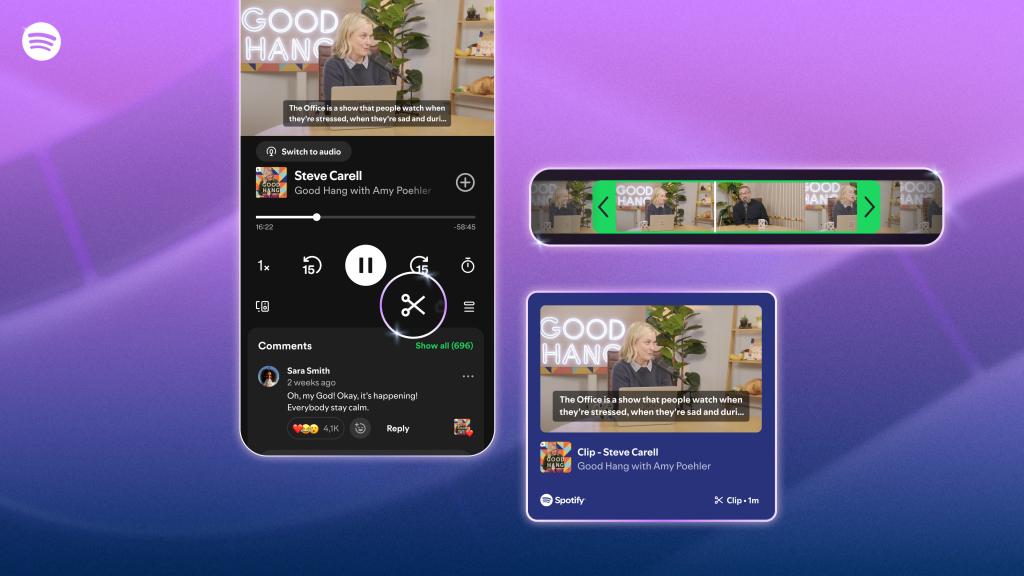
Fifteen hours covers roughly one to two average-length books a month, depending on narration speed and whether you bump playback to 1.2x or faster. That is genuinely useful if you are a casual listener, and it reframes the value comparison: a standalone Audible membership in the UK runs around £8.99 a month for one credit, so the bundled hours effectively fold a chunk of that into the £12.99 you already pay. If you burn through far more than 15 hours, Spotify sells top-up hours, but heavy listeners will still find a dedicated audiobook service cheaper per hour. For the dip-in-and-out reader, though, the included allowance is the single biggest reason Premium has pulled ahead of music-only rivals on raw value. It also sits alongside Spotify’s wider push into spoken-word formats, from the new long-form magazine articles read aloud to its expanding video podcast slate covered in our look at the Spotify and Netflix video podcasts deal.
One practical caveat: the audiobook catalogue is not the entire Spotify library of spoken titles, and availability shifts. Before you rely on the allowance for a specific book, search for it in the app and check it carries the subscriber-included badge rather than a separate purchase price. If audiobooks are your main reason to subscribe, that five-minute check is worth doing before the trial ends.
Lossless audio, Connect and the features that justify Premium
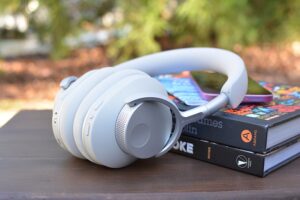
After years of teasing a separate HiFi add-on, Spotify now lists lossless audio quality as a feature included across its Premium plans in the UK, with no extra surcharge. That removes the long-running asterisk on Spotify value: rivals had offered lossless at the base price for a while, and Spotify charging more for it would have been hard to defend. To get it you need a compatible device and a wired or supported connection, and the difference is most audible through decent headphones rather than a phone speaker, so pair it with kit that can resolve it, such as the cans in our Sony WH-1000XM6 review or the Bose QuietComfort Ultra headphones.
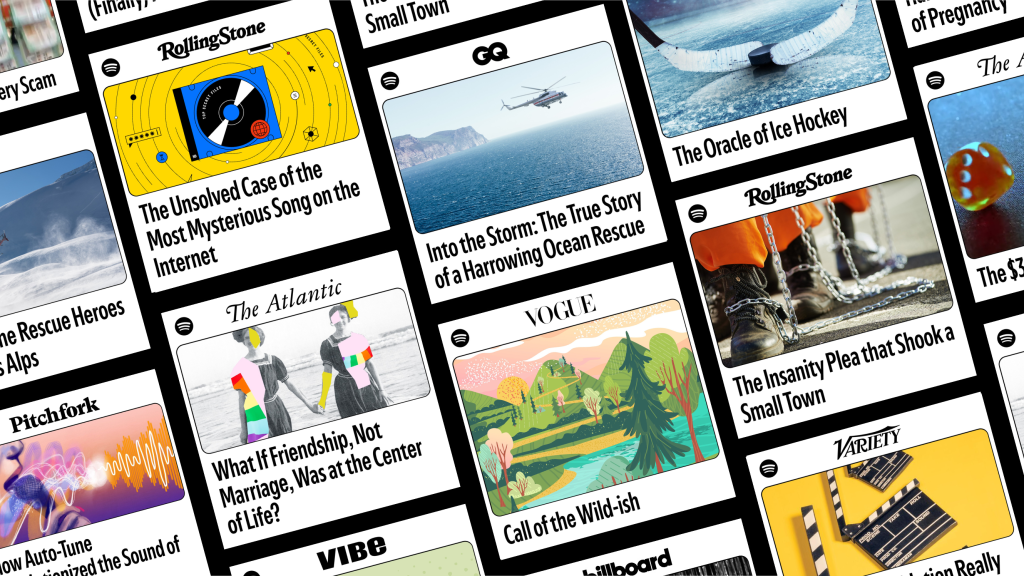
Beyond audio quality, the everyday Premium advantages are unlimited skips, on-demand play of any track, offline downloads for up to a number of devices, and ad-free listening across music and most podcasts. Spotify Connect, which hands playback between phone, laptop, smart speaker and TV without dropping the queue, remains the feature long-time users would miss most if they switched. Spotify keeps adding smaller quality-of-life touches too, from faster playlist editing and queue controls to the podcast clips tool that lets you save and share a moment from an episode. If you lean into spoken content, the platform’s AI features now extend to generating bespoke shows, as we covered when Spotify Studio AI started building personal podcasts.
It is worth being clear about what the free tier still does well, because not everyone needs to pay. Free gives you the whole catalogue with adverts and gets you Spotify’s recommendation engine, Discover Weekly and Release Radar, which remain the best in the business. What free withholds is offline listening, unrestricted on-demand selection on mobile, lossless, and the audiobook hours. If you only stream at a desk on Wi-Fi and tolerate adverts, free is a legitimate choice. Premium is for offline, on-demand, ad-free listening on the move.
The recent price changes and what triggered them
Spotify Premium is not the £9.99 product many UK listeners first signed up for. Individual has risen across two rounds of increases over the past two years, landing at the current £12.99, while Family and Duo moved up in step. The drivers are familiar across the sector: higher royalty obligations, the cost of the audiobook licensing that now sits inside the plans, and a strategic push to lift average revenue per user that Spotify set out in detail at its latest investor event. We unpacked the creator-pay side of that strategy in our piece on how the 2026 Investor Day shapes creator pay.

For existing subscribers, UK consumer rules matter here. When a service raises the price of a subscription, you are entitled to clear notice, and you can cancel without penalty rather than be locked in. Spotify is a rolling monthly contract with no minimum term, so the practical protection is simple: if a rise lands that you do not accept, you cancel and keep access to the end of the paid period. That is a softer position than a 24-month phone contract, where mid-contract rises are governed by tighter Ofcom rules. Our view is that the audiobook addition makes the current price easier to swallow than a bare music-only rise would have been, but you should still treat every renewal as a decision, not a default.
One more shift worth knowing: Spotify has tightened how it treats AI-generated content and artist impersonation, which matters if you care about where your subscription money flows. We covered the policy in our report on how Verified by Spotify draws a line through AI artist personas. It does not change the price, but it does change what the catalogue you are paying for looks like.
Spotify versus Apple Music, Amazon Music and YouTube Music
On the single-account headline, Spotify is not the cheapest. Apple Music Individual is £10.99 a month, two pounds under Spotify’s £12.99, and Apple lists Student at £5.99 and Family at £16.99. Amazon Music Unlimited and YouTube Music both raised UK prices in early 2026, so confirm the live figure at sign-up; Amazon’s individual tier sits around £11.99 to £12.99 depending on Prime membership, while YouTube Music Premium is listed at around £10.99 standalone. The table below sets out the picture, with Spotify and Apple Music as the verified primary-source anchors.
| Service | Individual / month | Family / month | MTW read |
|---|---|---|---|
| Spotify Premium | £12.99 | £21.99 (6 accounts) | Best discovery, audiobooks, Connect |
| Apple Music | £10.99 | £16.99 (6 accounts) | Cheapest, best lossless on Apple kit, no free tier |
| Amazon Music Unlimited | around £11.99 to £12.99 | around £17.99 to £21.99 | Value if you already have Prime; confirm live price |
| YouTube Music | around £10.99 | around £19.99 (with YT Premium) | Best if you watch a lot of YouTube; confirm live price |
The honest read is that Apple Music wins on pure single-account price and on lossless if you live in Apple’s ecosystem, but it has no free tier and a weaker discovery engine than Spotify. Amazon Music makes most sense bundled with Prime, and YouTube Music is the obvious pick if your listening is wrapped up in YouTube viewing, since the wider YouTube Premium tier removes video adverts too. What none of them match is Spotify’s combination of the best recommendation engine, Connect, the audiobook hours and the broadest podcast slate. If you want to widen the kit side of the decision, our best wireless earbuds UK 2026 picks and the broader wireless earbuds buying guide pair naturally with any of these services.

To get the most from whichever service you land on, the listening hardware matters as much as the tier. A lossless stream through phone speakers is wasted, and a good fit changes perceived sound quality more than most people expect, which is why our guide on getting the best sound from wireless earbuds is worth a read before you commit to a year of any subscription.
Where to sign up and check prices in the UK
Spotify sells Premium directly through spotify.com, and that is the cleanest route because in-app purchases bought through the Apple App Store have historically carried a higher price to cover Apple’s commission. Sign up on the web at the standard rate rather than through the iOS app. New subscribers usually get an introductory free period, currently three months free on Individual and one month on Student, after which the standard monthly price applies on a rolling contract you can cancel any time.
If you are choosing between services, sign up on each provider’s own site to confirm the live price for your account, since Amazon’s figure depends on Prime status and YouTube’s depends on whether you take Music alone or the full Premium bundle. Apple Music is sold through apple.com/uk and inside the Music app. For students, all four offer a discounted tier, but only Spotify Student undercuts to £5.99 while bundling the wider service; just note it drops the audiobook hours. Watch for the introductory free months ending, set a calendar reminder, and decide actively rather than rolling onto full price by inertia.
Our verdict: which Spotify plan should you pick
For most UK listeners, Spotify Premium Individual at £12.99 is worth it, and the audiobook hours plus newly included lossless are what tip it. If you live with anyone who also streams, do not pay Individual: Family at £21.99 across six accounts, or Duo at £17.99 across two, is far better value per head and is our pick for households. Students should take the £5.99 tier with eyes open that it carries no audiobook allowance. If you are a lone listener who never touches audiobooks, never goes offline and tolerates adverts, the free tier is genuinely fine and Apple Music at £10.99 is the cheaper paid alternative. We would subscribe to Spotify for the discovery engine, Connect and the bundled books, and we would switch to Apple Music only if you are deep in Apple’s ecosystem and want lossless on Apple kit for two pounds less. The one risk that would change this call is another price rise without a matching feature: if Individual climbs past £14 with nothing new attached, the Apple Music gap becomes hard to ignore.
| What we like | What we would watch |
|---|---|
| 15 hours of audiobooks now bundled on paid tiers | Individual price has climbed to £12.99 |
| Lossless audio included with no HiFi surcharge | Audiobook hours sit with plan manager only on Duo and Family |
| Best discovery engine and Spotify Connect handoff | Apple Music undercuts on single-account price by two pounds |
Spotify Premium UK: frequently asked questions
Related reading on MTW
Buyer action
Where to buy or check next
Use this as the final check before ordering a phone, changing network or trusting a headline monthly price.












Reader discussion
Leave a comment
Comments are moderated. Keep it useful, accurate, and on topic.