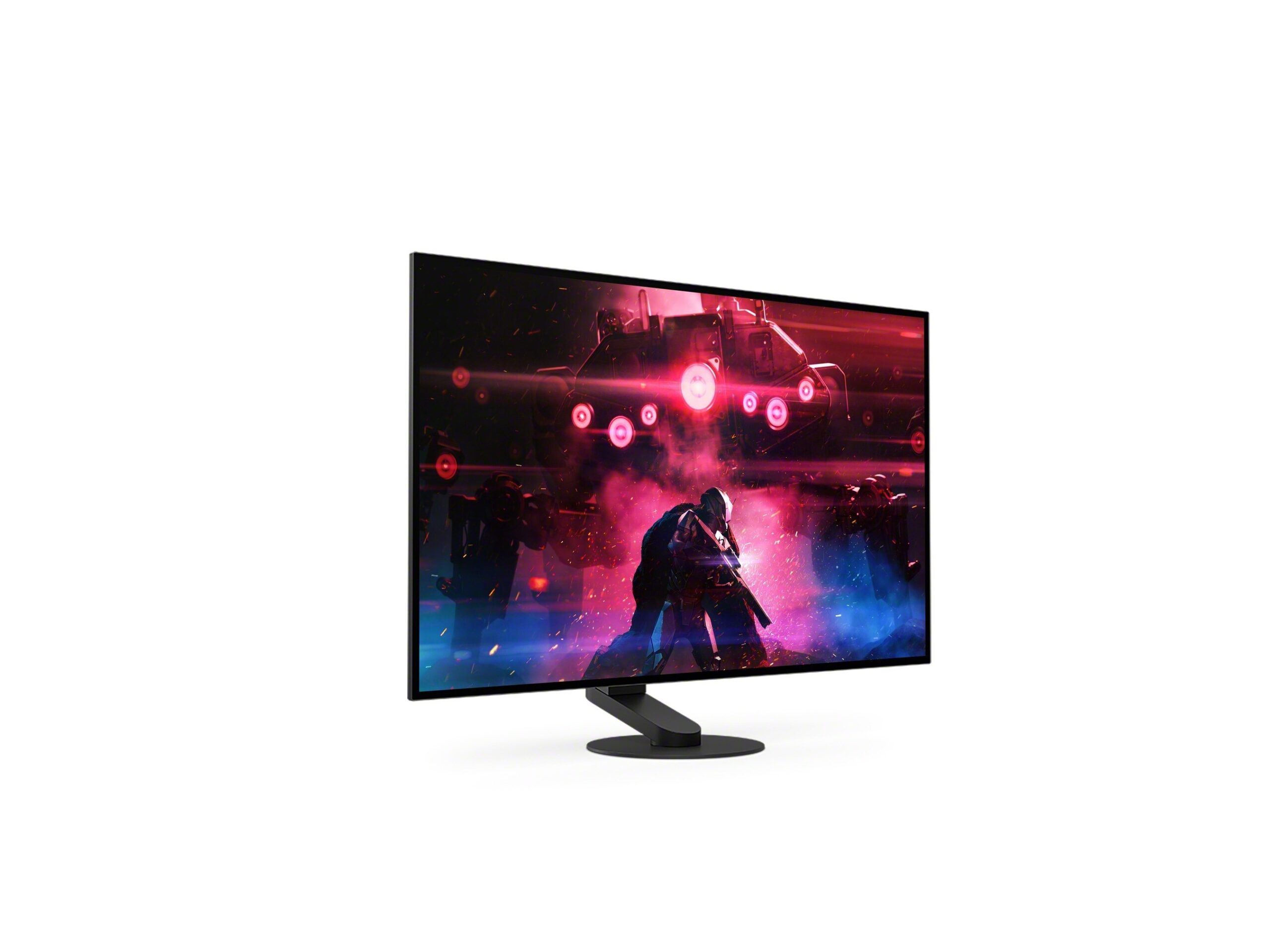
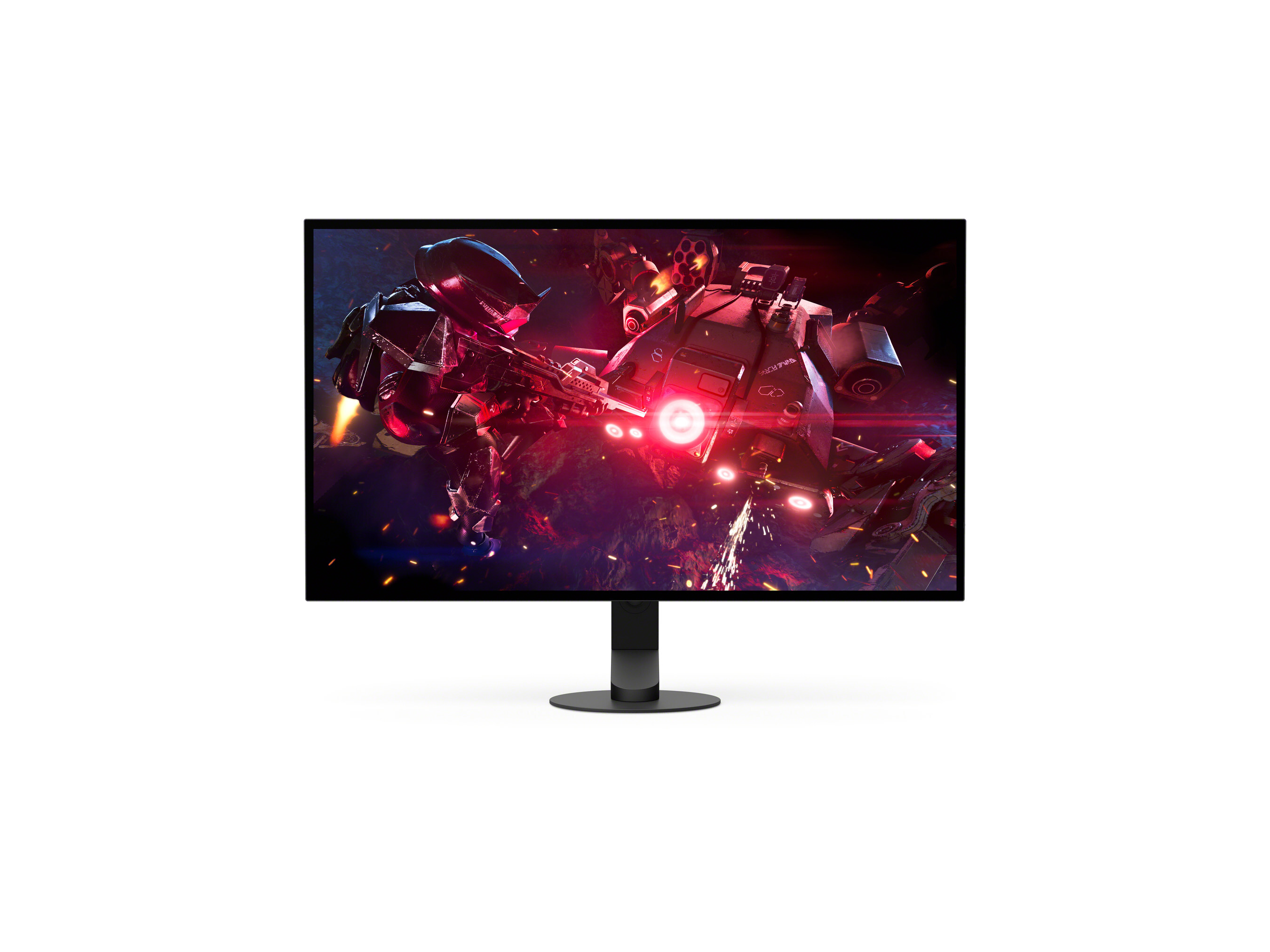
The Sony INZONE M10S is a 27-inch (26.5-inch viewable) 1440p QHD WOLED gaming monitor that runs at a blistering 480Hz with a 0.03ms response time, and at £1,199 in the UK it is squarely aimed at PC esports players rather than console owners. Co-developed with the British esports organisation Fnatic, it is one of the fastest OLED panels you can put on a desk, and it has just been joined by a newer sibling, the INZONE M10S II, which pushes to 540Hz native and a 720Hz dual mode. That sets up the question this guide answers for UK buyers: do you buy the proven M10S now, or wait for the M10S II shipping in early July 2026?
- The INZONE M10S is a 27-inch (26.5-inch viewable) 2560×1440 QHD WOLED panel running at 480Hz with a 0.03ms GtG response time. It is a 1440p display, not 4K (Sony specifications; RTINGS, Feb 2025; pcmonitors.info).
- UK RRP is £1,199; the US price is $1,099. PS5 caps most titles around 120Hz, so the 480Hz ceiling is a PC-esports spend (Sony press materials; T3 review).
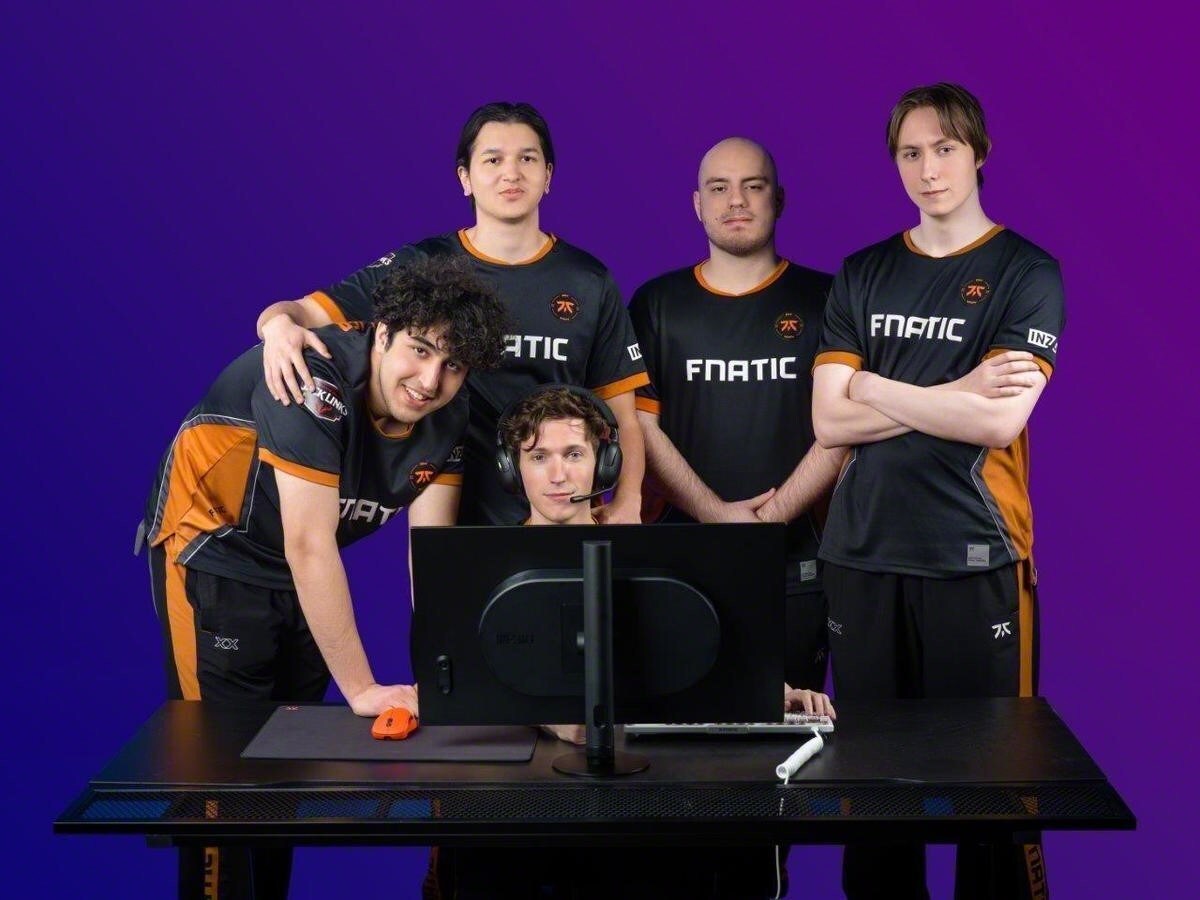
- It was co-developed with Fnatic and ships with downloadable pro-player picture settings for titles such as VALORANT and Apex Legends, plus a 24.5-inch tournament mode (Sony UK).
- The panel covers roughly 98.5% DCI-P3, peaks near 1,300 nits in HDR, and uses a matte anti-glare coating with a fully adjustable, low-profile stand (pcmonitors.info; reviews).
- The newer INZONE M10S II adds a tandem-OLED panel with 540Hz native and a 720Hz dual mode, priced at £1,199 in the UK with pre-orders shipping around 3 July 2026 (Sony Electronics, 14 April 2026).
What the Sony INZONE M10S actually is
Let us clear up the specification first, because it trips people up. The Sony INZONE M10S is a 27-inch class display with a 26.5-inch viewable area, and it runs at 2560×1440, which is QHD or 1440p. It is not a 4K monitor, and despite some early confusion it was never the 4K “M10” that some leaks implied. What makes it special is the combination of an LG-sourced WOLED panel with an RGWB subpixel layout, a 480Hz refresh rate and a 0.03ms grey-to-grey response time, which together produce some of the cleanest fast motion you can buy on a desktop today. Sony’s own specifications and independent measurements from RTINGS in February 2025 and the detailed teardown at pcmonitors.info all line up on these numbers.
The headline, then, is speed. A 480Hz OLED refreshes the image roughly eight times for every frame a 60Hz office monitor draws, and the near-instant pixel response of OLED means there is almost no smearing behind moving objects. For a competitive first-person shooter player chasing the smallest possible input-to-photon latency, that is the whole pitch. If you are weighing this against other premium desk options, our look at the Samsung Odyssey G8 versus ViewFinity S8 for UK creators shows how differently a creator-first panel is tuned compared with this esports-first Sony.
Why 480Hz is a PC esports spend, not a PS5 one
This is the single most important thing for a UK buyer to understand before spending £1,199. The PlayStation 5 and PS5 Pro are built around 4K output, and while they support high-frame-rate modes, the overwhelming majority of console titles cap at 60Hz or 120Hz. You will not feed a PS5 a 480Hz signal at 1440p in any meaningful gaming scenario. Console testing of the M10S shows it works fine as a display, but you are leaving the vast majority of its refresh headroom unused. The panel is designed to be driven by a powerful gaming PC running competitive titles at hundreds of frames per second, which is exactly where Fnatic’s players live.
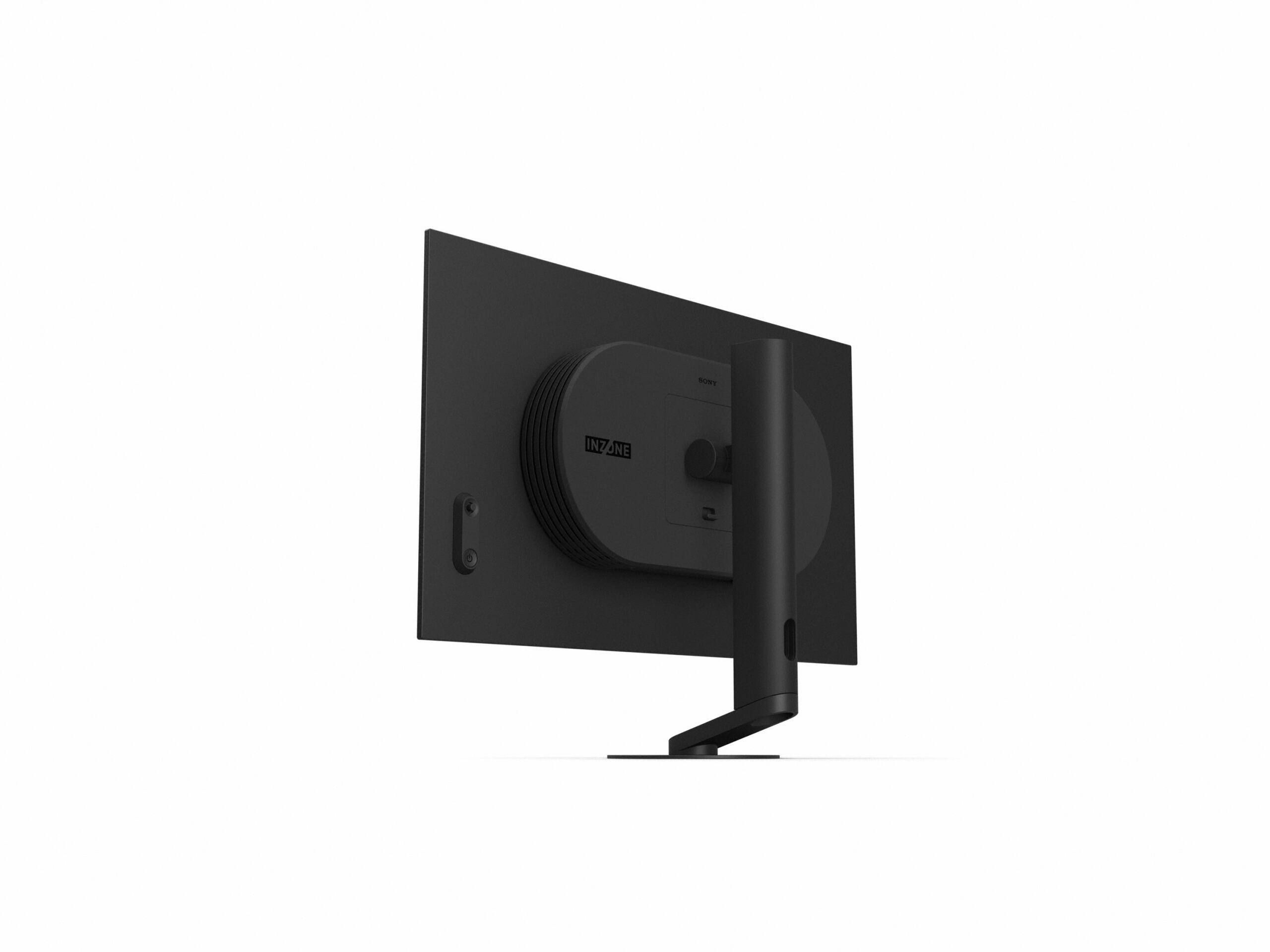
So the honest framing is this: if your main machine is a PS5, the M10S is overkill and your money is better spent on a 4K 120Hz panel. If you have a high-end PC and you play VALORANT, Counter-Strike or Apex Legends competitively, the M10S starts to make sense. The connectivity backs that up, with a DisplayPort 2.1 input at UHBR10 (typically using Display Stream Compression for full specs) alongside two HDMI 2.1 ports, a USB hub and a 3.5mm headphone jack. For a sense of how console-first hardware reasons about resolution and refresh instead, our guide on whether the Nintendo Switch 2 is worth buying in the UK in 2026 is a useful contrast in priorities, and PC handheld owners should see our Steam Deck OLED in the UK for 2026 verdict.
| Specification | INZONE M10S | INZONE M10S II |
|---|---|---|
| Panel | 27″ (26.5″ viewable) WOLED | 27″ tandem-structure OLED |
| Resolution | 2560×1440 QHD | 2560×1440 QHD (plus dual-mode crop) |
| Refresh rate | 480Hz | 540Hz native / 720Hz dual mode |
| Response time | 0.03ms GtG | 0.02ms GtG (Sony claim) |
| UK price | £1,199 | £1,199 (pre-order) |
| Availability | On sale now | Ships approx. 3 July 2026 |
Notice that the two monitors share a UK price. That is the crux of the buy-now-or-wait decision, and we will come back to it once the picture quality and the Fnatic partnership are on the table.
Picture quality, brightness and the OLED trade-offs
Speed would mean little if the image were poor, and the M10S delivers on quality too. The WOLED panel covers roughly 98.5% of the DCI-P3 colour space with smooth 10-bit gradation, so games look vivid and saturated without the washed-out blacks you get on an LCD. OLED self-emissive pixels mean genuine, infinite contrast: a dark corridor is properly black rather than grey, which matters for both immersion and for spotting an enemy lurking in shadow. Peak HDR brightness reaches around 1,300 nits in small highlights thanks to Sony’s Micro Lens Array technology, with a more typical full-screen figure nearer 275 nits, and the panel carries DisplayHDR True Black 400 certification.
There are the usual OLED caveats to weigh. Burn-in risk is managed by a fan-assisted custom heatsink and pixel-care routines, and Sony backs the panel with a three-year OLED warranty in some regions, but any OLED used for hours of static HUD elements deserves sensible habits. The matte anti-glare coating cuts reflections well in a bright UK living room, though purists sometimes prefer a glossy finish for absolute clarity. Long-term burn-in data specific to this panel is still thin, so treat that as a watch-this-space rather than a dealbreaker. If you are comparing OLED desktop and TV trade-offs more broadly, our piece on the TCL C855K versus C8K in the UK walks through how Mini-LED and OLED differ on brightness and contrast for big-screen play.
The Fnatic partnership and tournament features
What separates the M10S from a generic fast OLED is the input from Fnatic, the London-headquartered esports organisation. Sony worked with the team’s professional players to tune the monitor for competitive play, and the most visible result is a set of downloadable pro picture settings for specific games, so you can load a profile that mirrors what a Fnatic player uses in VALORANT or Apex Legends rather than fiddling with menus yourself. There are also dedicated FPS Pro picture modes designed to lift contrast and visibility in fast, dark scenes, which is precisely when spotting a moving target matters most.
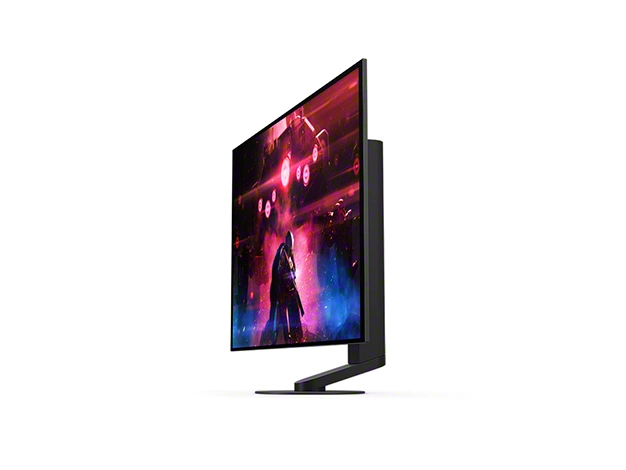
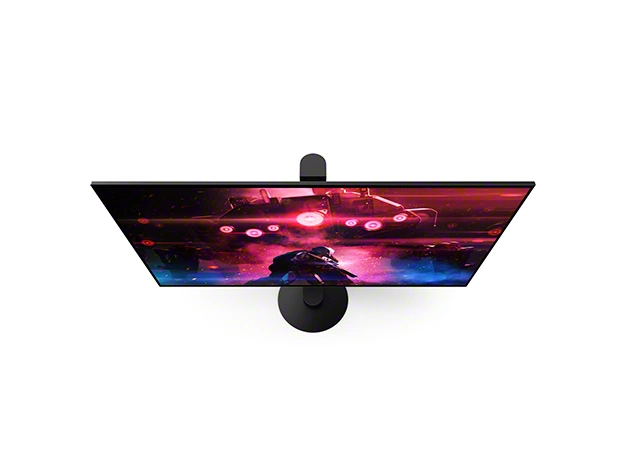
The hardware reflects that competitive focus too. A 24.5-inch tournament mode shrinks the active image to the size many esports pros prefer, keeping the whole battlefield within a single eyeline at the resolution used in official competition. The stand is deliberately low-profile, with a flat 4mm-thin base and a narrow footprint that frees desk space for big mouse sweeps, plus full height, tilt and 180-degree swivel adjustment and a 100x100mm VESA mount. It is a monitor built by people who think about ergonomics during an eight-hour bootcamp, and that intent shows.
The official Sony announcement video above sets out the design language and the Fnatic collaboration in Sony’s own words. It is a useful primer if you want to see the monitor in motion and understand the thinking behind the tournament mode and the FPS-focused picture profiles, rather than relying on spec sheets alone. With the partnership and the panel covered, we can turn to what reviewers actually concluded.
What the reviews say about value
The critical consensus is that the M10S is excellent but expensive, and that the price is the only real sticking point. Reviewers have praised its “uncompromising performance” and its “blazing-fast 480Hz OLED panel”, with T3 going so far as to frame it as “as good as desktop gaming gets”. The recurring theme is that a 1440p monitor at £1,199 looks steep on paper, until you account for what that money buys in speed, response time and tournament-grade tuning. TechRadar’s verdict captures the balance neatly.
The Sony Inzone M10S is expensive for a 1440p display but justifies its price tag by offering everything that an esports player, or aspiring competitor, could need. Its blazing-fast 480Hz OLED panel has a snappy 0.03ms response time, and vibrant colors, and comes equipped with handy visual modes ideal for tournament-level play.
TechRadar, INZONE M10S review
That is the right way to think about it. You are not paying for pixels, you are paying for speed, response and a tuning package built with a top esports team. If raw resolution and desktop real estate matter more to you than refresh rate, a 4K or 6K panel will feel like better value, and our breakdown of what the Samsung Odyssey G8 6K monitor really costs in the UK makes that trade explicit. The M10S is the opposite philosophy: fewer pixels, drawn far more often.
The M10S II question: buy now or wait?
Here is where it gets genuinely interesting, and where most buying guides stop short. On 14 April 2026, Sony Electronics announced the INZONE M10S II, a successor that keeps the 27-inch QHD format but moves to a next-generation tandem-structured OLED panel. The marquee numbers are a 540Hz native refresh rate and a 720Hz dual mode, where the display can switch to a smaller, lower-resolution tournament crop to hit that extreme figure, alongside a quoted 0.02ms response time. Sony also touts a brightness-boosting motion-clarity technique that aims to keep the image punchy even at very low illumination times, which has historically been OLED’s weak spot during motion-blur reduction.
The decisive detail for a UK buyer is price. The M10S II is listed at £1,199 in the UK, the same as the original, with US pricing of $1,099.99 and pre-orders shipping around 3 July 2026. When a newer, faster model costs the same as the outgoing one, the calculus changes. Unless you find the M10S heavily discounted, paying full price for the older 480Hz panel makes little sense when the 540Hz, 720Hz-capable tandem-OLED M10S II is weeks away at the same money. The sensible move for most people is to wait for the II, or to buy the original M10S only if a genuine clearance deal drops it well below the II. For context on how Sony’s wider audio and accessory range is priced in Britain, our Sony WH-1000XM6 versus Bose comparison shows the brand tends to hold its prices firmly, so do not bank on a deep M10S cut.
Setup, ports and getting the most from it
Whichever version you choose, a 480Hz or 540Hz OLED only earns its keep with the right plumbing. You want a graphics card and a cable capable of carrying the full signal: DisplayPort 2.1 UHBR10 is the input to use for the highest refresh rates at 1440p, generally with Display Stream Compression handling the bandwidth, while the two HDMI 2.1 ports are there for consoles or a second source. Make sure your GPU’s driver has the monitor’s correct refresh rate selected in Windows display settings, enable G-Sync Compatible or Adaptive-Sync to keep tearing away, and load the appropriate FPS or pro picture mode for your game. PC VR users juggling multiple displays and headsets should also read our PSVR2 on PC setup guide for the UK, since the same DisplayPort and driver discipline applies there.
It is also worth being realistic about the frames your PC can produce. Hitting 480 frames per second in a modern title is the preserve of competitive esports games running at lower settings on strong hardware; in graphically heavy single-player games you will see far fewer, and the high ceiling simply gives you headroom rather than a guarantee. That is fine, because the M10S is unapologetically an esports tool. If your gaming is more varied, a slightly slower, cheaper OLED may serve you better, and the broader monitor market gives you plenty of room to compare on price and panel type.
Where to buy or check next in the UK
In the UK, the INZONE M10S is sold directly by Sony UK and through major retailers including Currys and Amazon UK, all at or around the £1,199 RRP. Before you commit, check each retailer’s current price and any bundle or trade-in offers, because monitor pricing moves and OLED panels occasionally see promotional cuts that change the maths against the M10S II. If you do spot the original M10S substantially below £1,199 from a reputable seller, it becomes a more defensible buy; at full price next to the incoming II, it is harder to justify. The M10S II is available to pre-order at £1,199 with shipping expected around 3 July 2026, so a short wait may well be the smart play.
Do your usual due diligence on warranty terms and returns, particularly the OLED-specific coverage, and confirm your PC’s GPU and cable can actually drive the refresh rate you are paying for. For readers weighing the M10S against a creator-oriented Samsung panel, our Odyssey G8 versus ViewFinity S8 guide is the natural next read, and console-leaning gamers should revisit whether a Nintendo Switch 2 in 2026 or a Steam Deck OLED fits their setup better before spending flagship monitor money.
The Sony INZONE M10S is one of the best esports monitors ever made, and for a competitive PC player chasing the lowest possible latency it is genuinely special: a 1440p 480Hz WOLED panel with a 0.03ms response, vibrant colour, near-infinite contrast and a tuning package built hand in hand with Fnatic. The only real weakness is the one reviewers keep flagging, which is that £1,199 for a 1440p display is a lot of money, and it only makes sense if speed is your priority and a powerful gaming PC is doing the driving. For PS5 owners it is the wrong tool, full stop. The twist in mid-2026 is the M10S II: a faster 540Hz, 720Hz-capable tandem-OLED successor at the same £1,199, shipping in early July. With the prices identical, our advice is to wait for the M10S II unless you can find the original heavily discounted, in which case the older panel becomes a smart bargain. Either way, this is a flagship for competitive PC gamers, not a do-everything display, and going in with that expectation is the difference between delight and buyer’s remorse.












Reader discussion
Leave a comment
Comments are moderated. Keep it useful, accurate, and on topic.