
The Steam Deck OLED UK price now sits at £649 for the 512GB model and £779 for the 1TB version, and that jump from the original launch figures is the first thing a UK buyer needs to weigh in 2026. Valve still sells the OLED handheld direct through Steam, and despite a crowded field of Windows rivals it remains the most polished portable PC you can hold. This guide explains what the OLED actually changes, who it suits, and where the money goes before you commit. For our 2026 take on this story, see Nikon Zf review.
- UK pricing through Steam: 512GB OLED £649 and 1TB OLED £779, the only two models Valve still sells direct after discontinuing the 256GB LCD.
- The OLED screen is a 7.4in 1280×800 HDR panel running at up to 90Hz with 1000 nits peak brightness.
- Valve quotes 30-50% more battery life from a larger 50Wh pack and a more efficient AMD chip.
- Wi-Fi 6E, a lighter 640g body and 45-minute 20-80% fast charging round out the upgrades.
- Every OLED box ships with a power supply, a 2.5m cable, a carrying case and a Steam profile bundle.
What the OLED model actually changes
The headline upgrade is the screen. Valve swapped the original 7in LCD for a 7.4in HDR OLED panel at the same 1280×800 resolution, so games gain pure blacks, brighter highlights and a noticeably larger picture inside the same chassis. The refresh rate climbs from 60Hz to 90Hz and peak brightness reaches 1000 nits, which is the single change you feel most in daily play. If you have only ever used the LCD Deck, the difference is closer to a generational leap than a spec bump, and it is the reason most UK buyers should not bother hunting down the older model to save money.

Underneath, Valve overhauled the internals rather than just the panel. The battery grows from 40Wh to 50Wh, the AMD APU moves to a more efficient process, and the cooling fan is bigger, so the device runs cooler and quieter. Combined, those changes deliver the quoted 30-50% jump in runtime, which in practice means lighter games last most of an evening and demanding titles stretch past the two-hour mark that hobbled the LCD. The body is also about 30g lighter at roughly 640g, a small number that matters when you hold a handheld for an hour. If you are weighing this against a tablet, our look at the iPad Pro M5 UK price and release shows how differently the two device classes justify their cost.
Which storage tier is worth paying for
There are two Steam Deck models on sale in the UK, and both are OLED, after Valve discontinued the cheaper 256GB LCD. The 512GB OLED at £649 is the one most people should buy: it pairs the new panel with enough storage for a healthy library before you reach for a microSD card. The 1TB OLED at £779 adds headroom and an exclusive case with a removable liner, but £130 buys a very large microSD card with change to spare, so the jump is hard to justify unless you install huge modern titles and hate managing space.
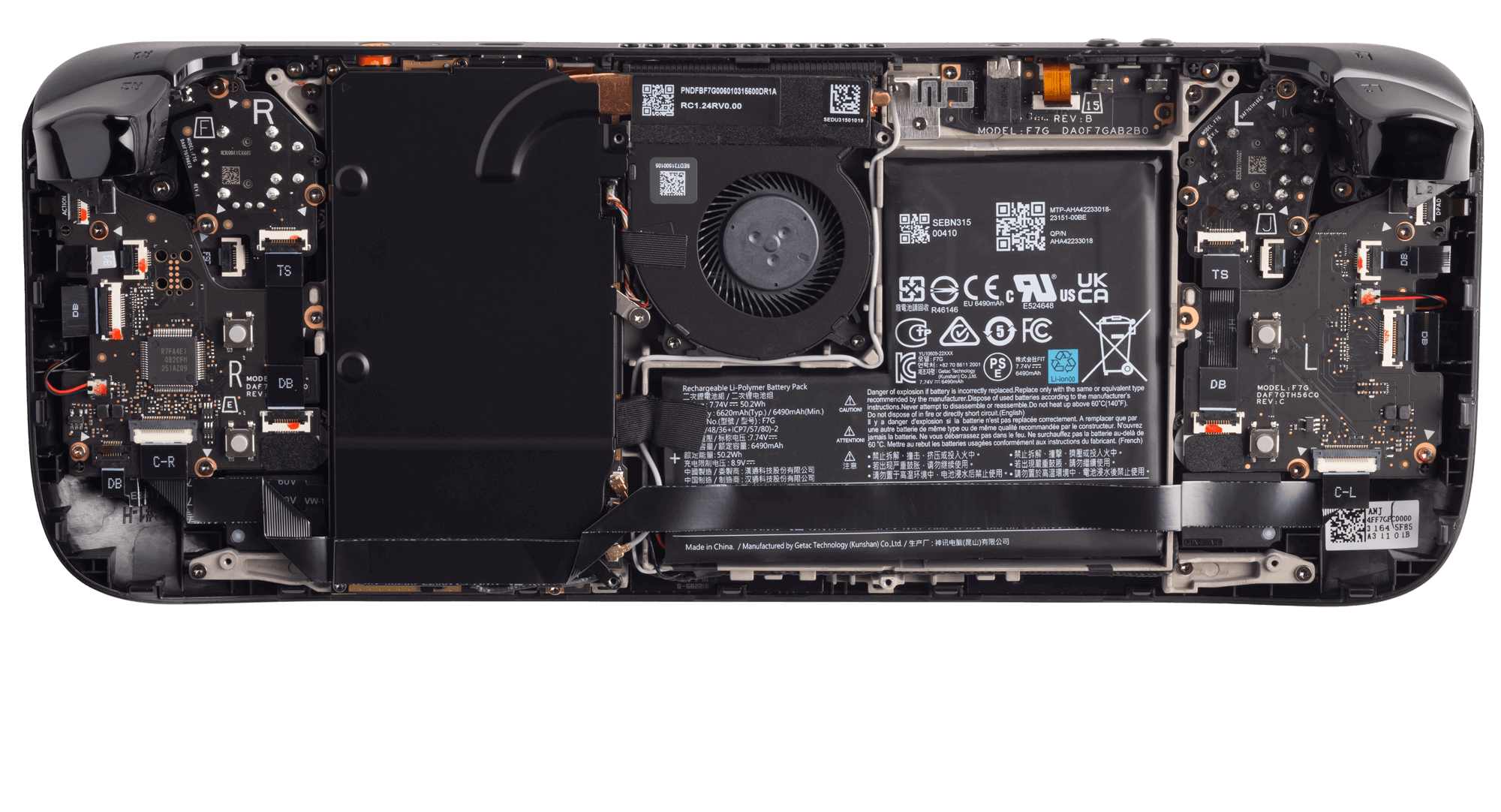
One detail in favour of the OLED tiers is repairability. Valve switched every rear-case screw to a Torx type that threads into metal, so disassembly no longer chews up the plastic, and replacement parts are sold through iFixit. The display can also be repaired without removing the rear cover. That matters more than it sounds: a handheld is a device you carry, drop and wear out, and a £649 machine you can actually fix is a better long-term buy than a sealed rival. Anyone who has read our guide to checking and resetting battery health will recognise why a swappable pack is reassuring on a device this age.
How it plays against Windows handheld rivals
The Deck no longer has the category to itself. ASUS, Lenovo and a wave of smaller makers now sell Windows handhelds with faster chips and, in several cases, brighter or higher-resolution screens. On raw frame rates, the best of those rivals beat the Deck OLED, and that is worth saying plainly. Where Valve still wins is the software. SteamOS suspends and resumes a game instantly, manages power sensibly, and avoids the desktop-Windows friction that turns a quick session into a fight with pop-ups and driver prompts. For a lot of UK buyers, that reliability is worth more than a few extra frames.
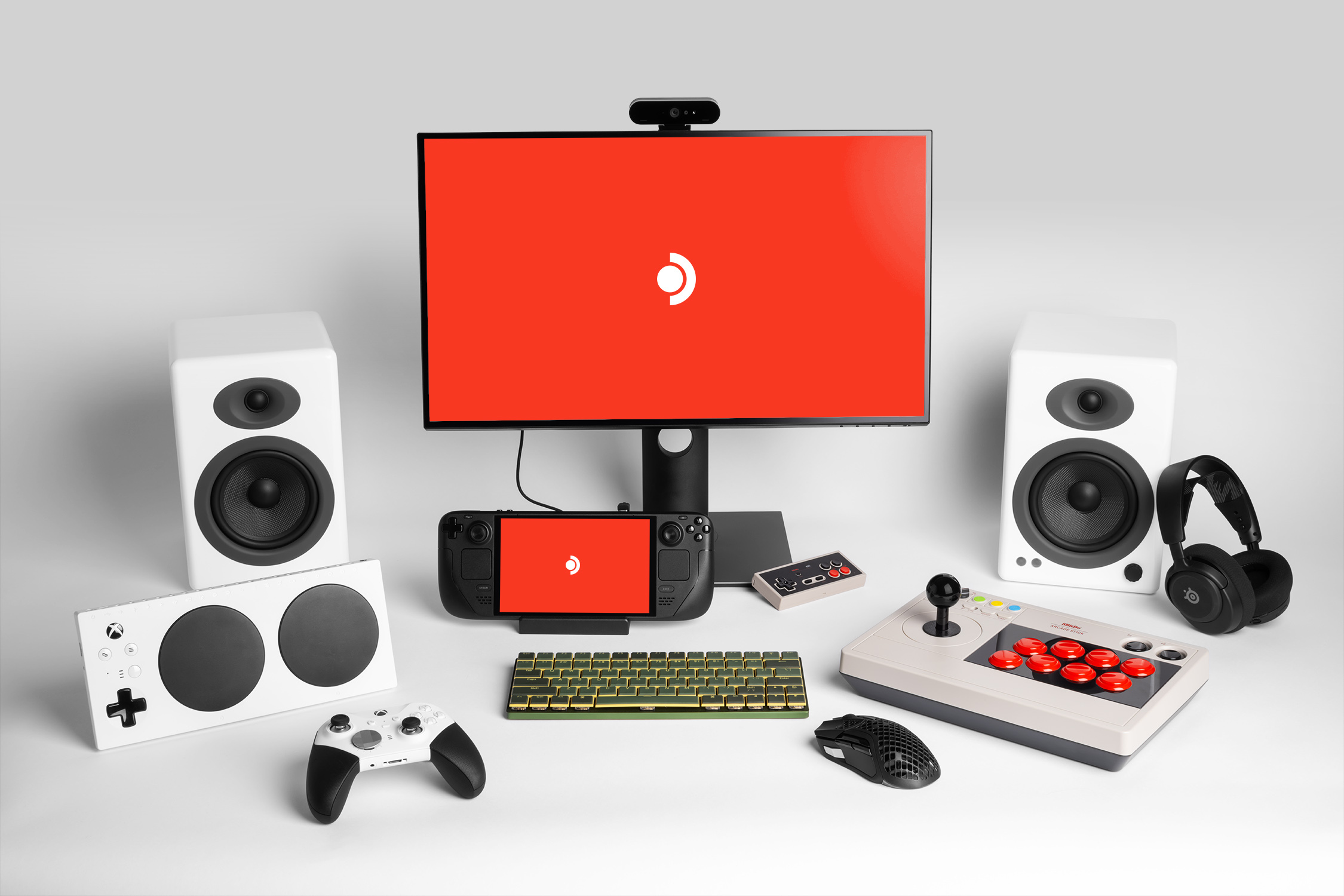
The Deck is also a desktop PC when you want it to be. Drop it on the official dock and it drives an external monitor, wired networking and USB peripherals, so the same £649 machine doubles as a living-room console and a light work box. That flexibility is part of the value case the spec sheet hides. The emerging crop of AI-led portables, such as the AYANEO KONKR Pocket BLOCK, shows where the category is heading, but none yet match Valve’s combination of price, software and repair support. If you are cross-shopping laptops instead, our best laptop under £700 in the UK roundup frames what the same money buys elsewhere.
Battery life and real handheld stamina
Battery life is where the OLED earns back some of its higher sticker. The 50Wh pack and the lower-power display mean lighter indie games and older titles can run for most of a long journey, while the heaviest modern releases still settle around two to three hours depending on settings. That is not all-day endurance, and anyone expecting a Switch-style marathon should temper expectations, but it is a clear step up from the LCD model, which often tapped out before the LCD did. Fast charging helps too: Valve quotes 20% to 80% in as little as 45 minutes, so a short break near a plug buys a meaningful top-up.
The practical takeaway is to match the device to how you actually play. Commuters and travellers who lean on shorter sessions and lighter games will rarely feel the limit, while anyone hoping to run a graphically heavy open-world title for a whole flight should pack the charger. Wi-Fi 6E also speeds up the part of ownership nobody enjoys, which is waiting for large downloads, and a third antenna improves Bluetooth when the Deck is docked. For UK buyers comparing portable gaming on dedicated consoles, our verdict on whether the Nintendo Switch 2 is worth buying in the UK sets out the trade-offs from the console side.

Controls, comfort and the trackpad edge
Comfort is the quiet reason people keep the Deck over flashier rivals. The grips are deep, the weight is balanced, and the two trackpads let you play strategy games, point-and-click adventures and shooters that were never designed for a controller. Four user-assignable buttons sit on the back, so you can keep a thumb on the stick while triggering extra actions. The touchscreen polling rate climbs to 180Hz on the OLED for a more responsive feel, and the capacitive display makes navigating the SteamOS interface quick. None of this shows up on a spec comparison, but it is what makes a long session pleasant rather than a chore.
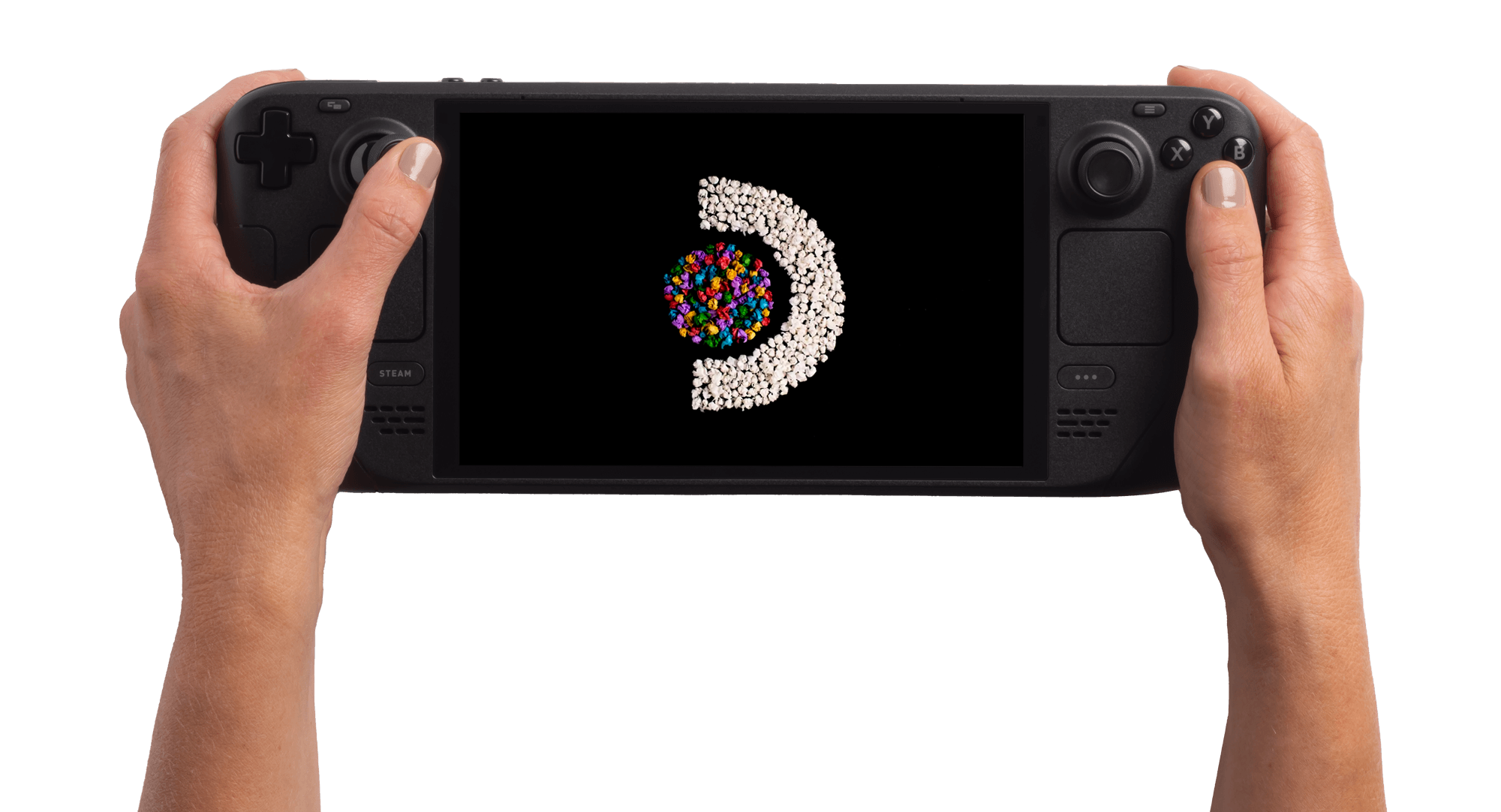
The quick suspend and resume feature is the other comfort win. Press the power button and SteamOS freezes your game; press it again and you are back exactly where you left off, the way a Switch behaves and the way a Windows handheld often does not. That console-like behaviour is the difference between a device you pick up for ten minutes and one you leave in a drawer. It is also why we think the Deck still suits buyers who value a frictionless experience over a benchmark chart, a theme we returned to in our best gaming phone UK 2026 picks.
Steam Deck OLED price and specs at a glance
The table below sets the two UK options side by side so you can see exactly where the OLED premium goes. Prices are taken from Valve’s own UK Steam listing at the time of writing.
| Model | UK price | Display | Battery | MTW read |
|---|---|---|---|---|
| 512GB OLED | £649 | 7.4in 90Hz HDR OLED, 1000 nits | 50Wh | The sweet spot for most UK buyers |
| 1TB OLED | £779 | 7.4in 90Hz HDR OLED, 1000 nits | 50Wh | Only worth it if you hate managing storage |
Beyond the headline figures, the OLED models share Wi-Fi 6E, a roughly 640g weight, 45-minute fast charging from 20% to 80%, and the same AMD APU. The 1TB tier is the only one that includes the exclusive case with a removable liner, which is a nice touch but not £130 of value on its own. Valve’s own OLED page lists the full breakdown of internal changes for anyone who wants the granular detail.
The 512GB OLED at £649 is the model most UK buyers should choose, because the panel and battery gains land where you feel them daily.
Where to buy and check next in the UK
Valve sells the Steam Deck OLED direct through the Steam store, which remains the most reliable route for new stock and the only place to get the bundled case and profile extras at the listed £649 and £779 prices. Delivery is quoted at three to five business days. It is worth checking Steam’s own refurbished listings when they appear, as Valve periodically sells certified units at a discount with the same warranty, which can shave a useful amount off the OLED tiers.
For accessories, a high-capacity microSD card from Currys, Argos or Amazon UK is the single smartest add-on, turning the £649 512GB model into something close to the 1TB tier for a fraction of the gap. The official Steam Deck Docking Station is £69 if you want the desktop and TV experience, though third-party docks from the same retailers often cost less. Check return windows and the standard one-year manufacturer warranty before you buy, and remember that the Consumer Rights Act gives you protection on a faulty unit beyond that. Buyers weighing a portable against a fixed setup may also want our take on the Samsung Odyssey G8 6K monitor for docked play.
We think the Steam Deck OLED is still the handheld to buy for most UK players in 2026, and the 512GB model at £649 is the one to get. The OLED screen, the bigger battery and the polish of SteamOS combine into a device that simply works, and the switch to Torx screws and iFixit parts means it should last. Buy it if you want the most reliable, most repairable portable PC and you value a console-like experience over the highest frame rates. Wait, or look at a Windows rival, if raw performance in the latest demanding titles is your priority, because faster chips now exist. We would skip the 1TB tier and put the saving towards a large microSD card and the dock. The one risk that would flip our call is a price cut on the newest Windows handhelds, which could close the value gap the Deck currently enjoys.









Reader discussion
Leave a comment
Comments are moderated. Keep it useful, accurate, and on topic.